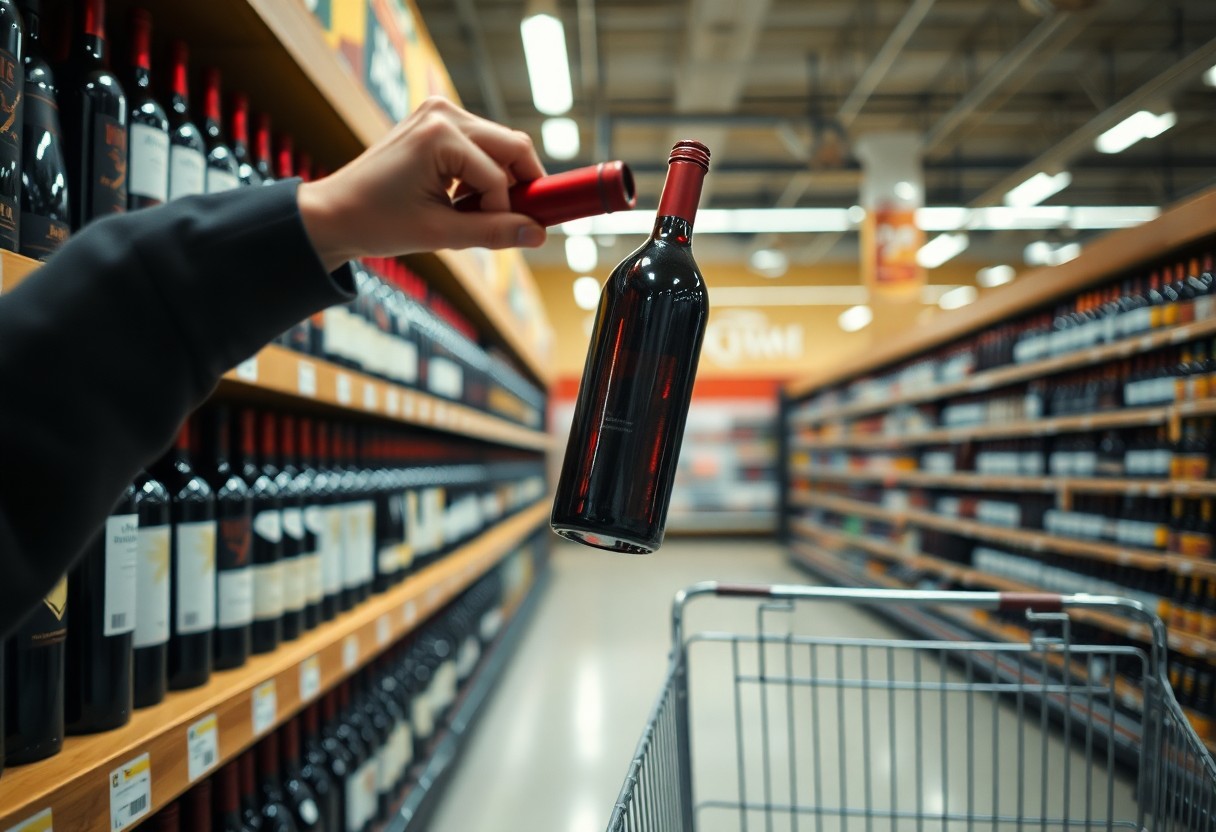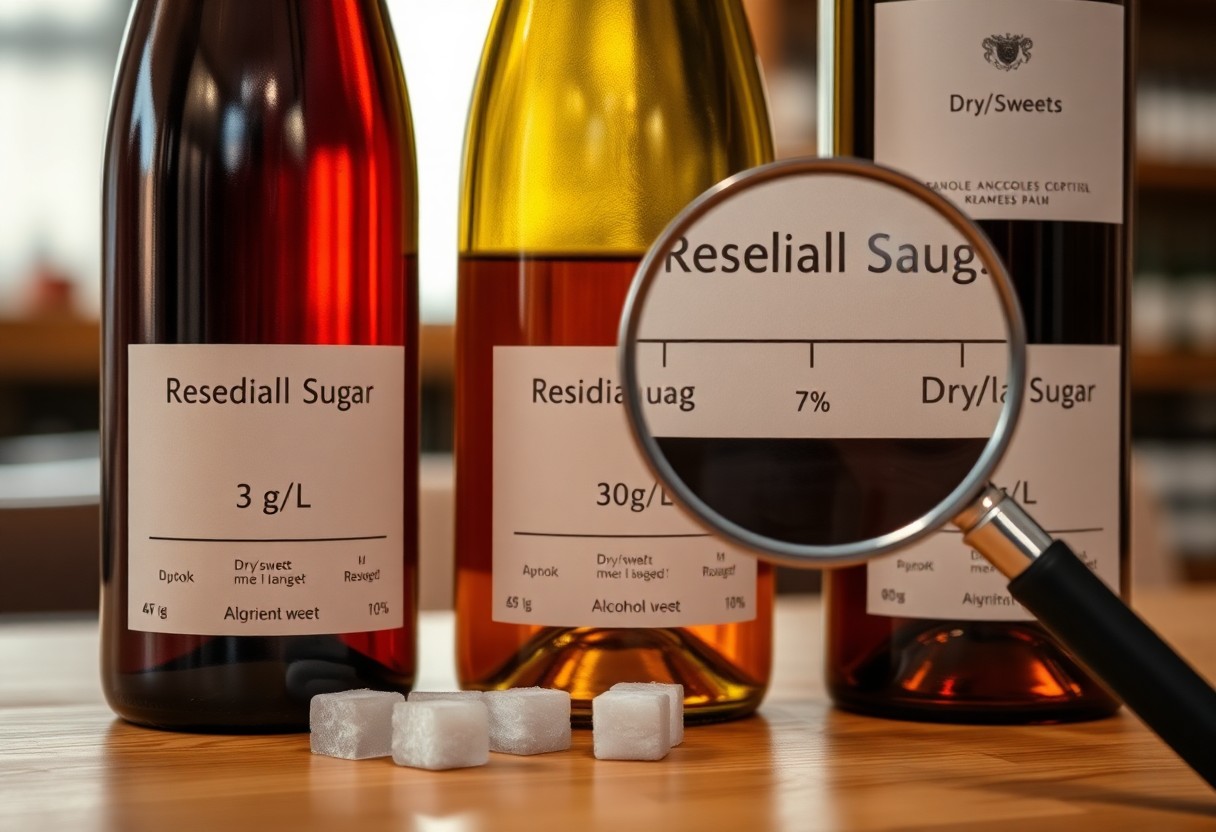
Many grocery-store wine aisles overwhelm you; you choose confidently by scanning labels for vintage and producer, inspecting bottles for sun damage or swollen corks, and matching grape style to your meal or budget.
Key Takeaways:
- Read labels for grape variety, region, vintage, sweetness and ABV to predict flavor profile and body.
- Set a price range and focus on well-reviewed bottles in that bracket; many strong options sit in the $10-$20 range.
- Match wine to the meal or occasion-light-bodied whites or rosés for seafood and salads, medium reds for poultry, full-bodied reds for grilled or hearty dishes; use shelf notes or staff picks for pairing hints.
Navigating the Layout of a Grocery Store Wine Aisle
Aisles often group bottles by type and country; you should scan shelf signs and price tags, watch for heat- or light-damaged bottles, and use eye-level placement to spot staples you enjoy.
Understanding organization by grape varietal and region
Labels usually list grape and origin; you can prioritize familiar varietals or explore a region by following shelf clusters and tasting notes, using appellation clues to predict style.
Identifying the difference between premium shelves and budget bins
Premium sections often occupy upper or glass-fronted displays while budget bins sit low or in bulk; you should compare bottles for age, producer reputation, and price-per-quality.
Check small shelf tags for “Reserve”, staff picks, or tasting notes and scan barcodes for reviews; be wary of leaking corks or low fill levels and weigh discount stickers against provenance to find genuine value.
Analyzing Critical Factors on the Wine Label
Check labels for varietal, region, vintage, producer and ABV to gauge style and strength. Any time you match those clues to your taste, you’ll shop with confidence.
- Varietal
- Region
- Vintage
- Producer
- ABV
Decoding the region of origin and producer reputation
When you read the region, note climate and style clues: warm areas give riper fruit, cooler sites preserve acidity. Trustworthy producers reduce risk of disappointment and help you predict consistency.
Evaluating the significance of the vintage year
Look at the vintage to see how that year’s weather affected ripeness and balance; excellent vintages often yield fuller flavors, while weaker years mean more variation between bottles.
Read vintage reports and producer notes so you can decide whether a year suits your plan: warm, dry seasons tend toward higher alcohol and softer tannins, while cool years boost acidity and aging potential, so choose based on whether you want immediate pleasure or cellar-worthy structure.
How to Match Your Selection with Meal Planning
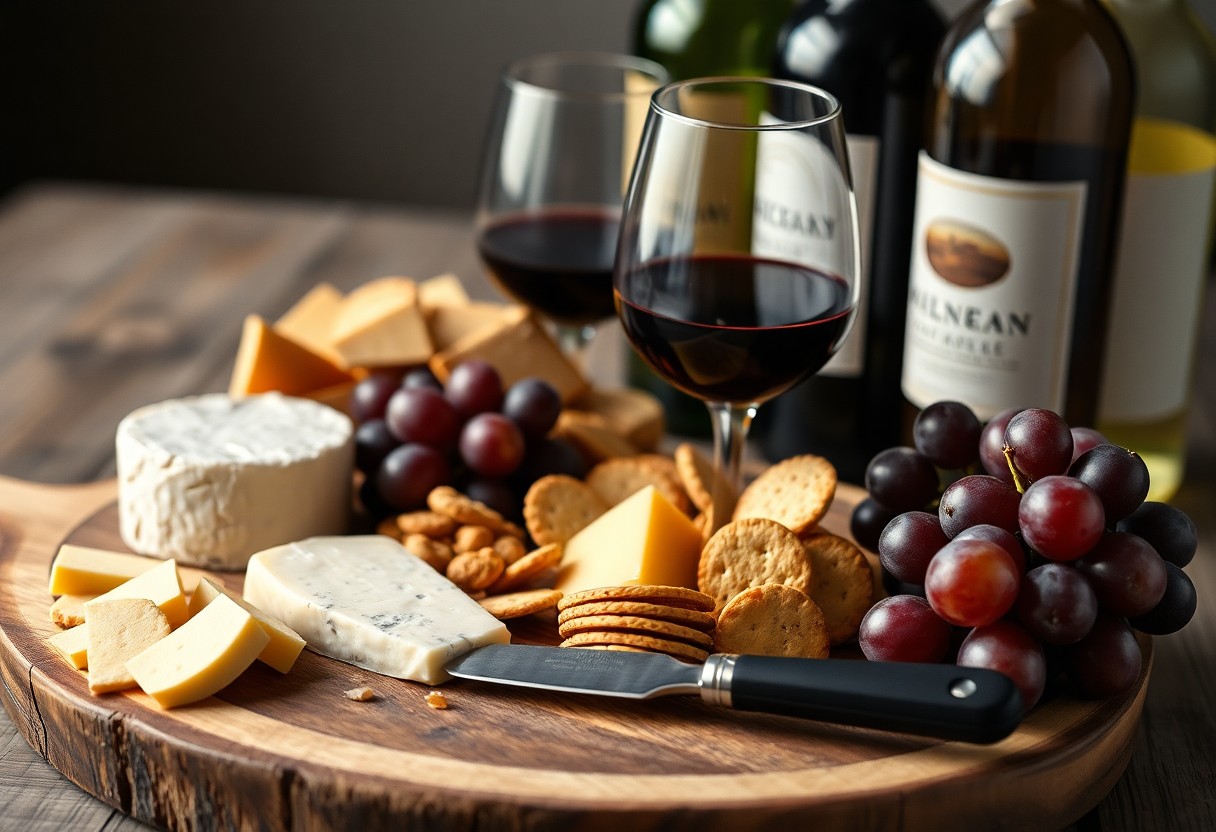
Pair wines with your menu by matching weight and flavors; use How to Choose a Bottle of Wine: 5 Beginner Tips … for quick shopping cues. Let lighter wines lift delicate dishes and pick reds with moderate tannins for richer mains.
Balancing wine acidity and body with food flavors
Balance acidity to cut through fatty dishes and match body to flavor intensity so you don’t overpower the plate; you should favor higher acid for brightness and medium body for most meals.
Choosing versatile bottles for multi-course dinners
Choose versatile bottles like Pinot Noir, dry Riesling, or unoaked Chardonnay that adapt across courses and keep service simple so you can focus on the food.
Consider stocking two flexible wines: a light red and a crisp white. You can pair the red with roasted meats and the white with salads or seafood; serve the white chilled and the red slightly cool. If spice is present, avoid high-tannin wines and opt for off-dry Riesling or Gamay to keep flavors balanced.
Utilizing Ratings and Shelf Talkers Effectively
Spot shelf talkers and ratings as quick cues; you should weigh high scores against price and style, and watch for promotional claims that overhype ordinary bottles.
Interpreting professional scores versus store marketing
Compare professional scores with store labels: you’ll find consistent high scores are more reliable, while shelf talkers often highlight discounts or branding rather than true quality.
Using mobile apps to verify bottle quality in real-time
Scan barcodes or labels so you can check critic notes, vintage history, and user reviews; apps quickly flag tainted vintages or poor storage reports.
Apps give you instant access to price history, critic consensus, drink windows, and crowd-sourced tasting notes; you can compare similar bottles, inspect photos for fill or label damage, and set alerts for recalls or heat-damaged vintages, helping you avoid bad buys and select bottles that match your plans.
Inspecting Physical Factors for Wine Integrity
- fill level
- heat damage
- capsule condition
Inspecting labels and bottles helps you spot heat damage, leakage, or compromised corks. Knowing to avoid bottles showing low fill or swollen corks protects wine quality.
Checking for signs of heat damage or improper storage
Examine color shifts, label browning, and sour or cooked aromas; you can often detect heat damage before opening. Avoid bottles with visible stains, bulging capsules, or leakage.
Observing fill levels and capsule condition
Observe the fill level (ullage) from shoulder to cork; you should treat low fill or uneven levels as potential exposure. Inspect capsules for tears or sticky stains that indicate seepage.
You should note that acceptable ullage varies by age and style, but very low fill or a wet neck usually signals oxidation or contamination. A torn, stained, or loose capsule often points to cork compromise, so skip bottles showing seepage, mold, or pushed corks.
Final Words
Summing up, you should scan labels for grape and region, inspect bottle condition, note vintage and producer, match wine to your meal and budget, read a few ratings, and ask staff for a recommendation; trust your palate and choose what you’ll enjoy.
FAQ
Q: How do I choose a wine based on taste, food, and occasion?
A: Start by deciding the occasion and the food you’ll serve. Light-bodied whites such as Pinot Grigio or Sauvignon Blanc pair well with salads, shellfish and warm-weather meals, while fuller-bodied whites like oaked Chardonnay match cream sauces and roasted poultry. Lighter reds such as Pinot Noir or Gamay work with salmon and poultry, and fuller reds like Cabernet Sauvignon or Syrah suit grilled or braised red meats. Consider sweetness for spicy food or dessert: look for “off-dry” Riesling or late-harvest and fortified wines for sweets. Plan serving temperature accordingly: chill whites and light reds, and serve big reds slightly cool from room temperature.
Q: What should I look for on the label and what do price cues mean?
A: Look for grape variety, region, vintage, alcohol by volume (ABV) and producer on the label; these details reveal style, ripeness and origin. Old-world bottles (France, Italy, Spain) often emphasize region more than grape, while new-world bottles (USA, Australia, Chile) usually list the grape variety. ABV above about 14% often indicates riper, fuller-bodied wines; lower ABV suggests lighter style. Price is an imperfect quality signal but mid-range bottles ($10-$25 in many grocery stores) frequently offer the best value; watch for staff picks, score stickers or shelf notes that highlight noteworthy buys. Certifications such as organic or sustainable farming can appear on the label if those practices matter to you.
Q: What practical tips help when buying at a grocery store wine section if I’m unsure or trying new things?
A: Use shelf tags, staff recommendations and mobile apps to read tasting notes and ratings when you’re unsure. Inspect bottles for a clean fill level, dry cork area and intact label; signs of leakage, heavy staining or very low fill can indicate problems. Choose screwcaps for fresh, fruit-driven whites and everyday reds, and cork closures when you want the option of aging. Buy a few different bottles and compare them at home, taking brief notes about fruit character, acidity, tannin and finish to build a quick preference guide for future shopping.