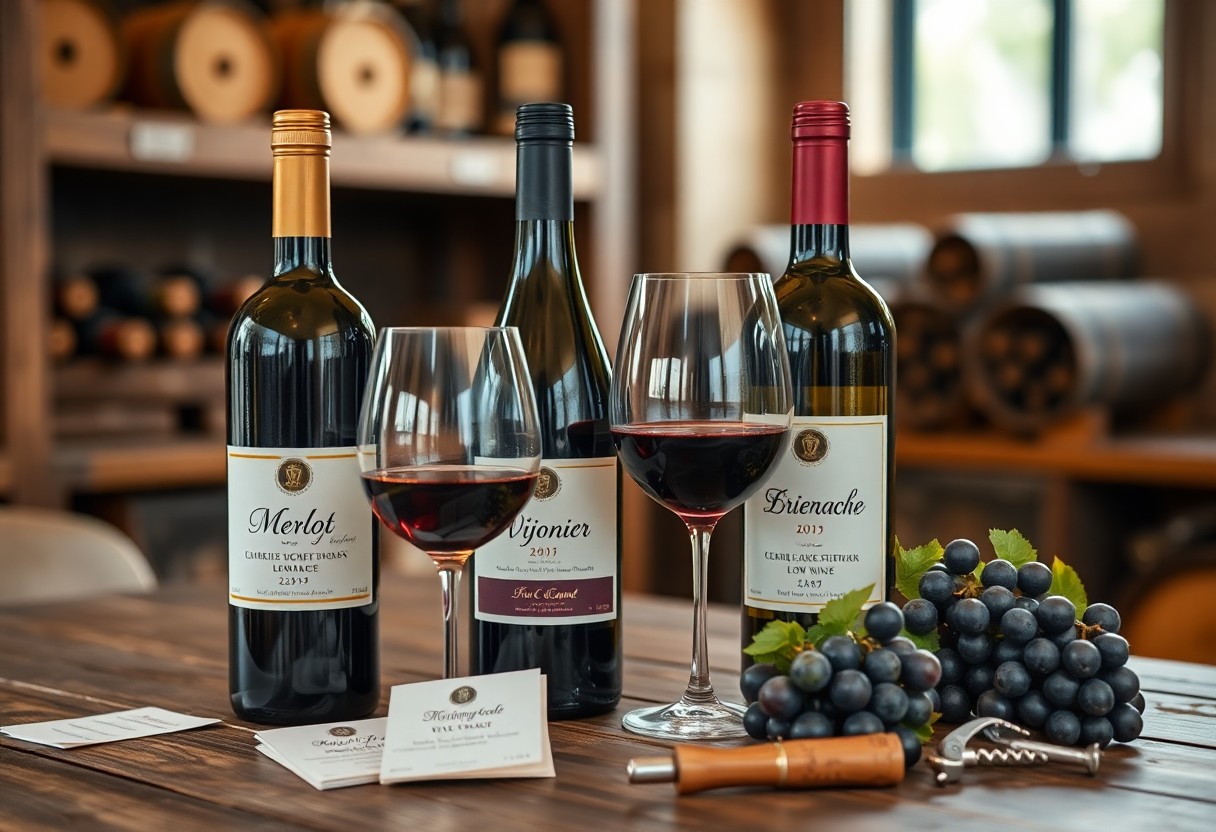
Over time you may notice acidic wines trigger heartburn; acid can worsen reflux and erode enamel, so choose low-acid varieties like Merlot, Gamay, Viognier, and Gewürztraminer for smoother taste and less irritation.
Key Takeaways:
- Choose warm-climate whites and oaked Chardonnays, Viognier, Gewürztraminer, and ripe Pinot Gris; these styles show lower natural acidity and a rounder mouthfeel.
- Red options include Merlot, Malbec, and ripe Zinfandel; these wines often have softer acidity and gentler tannins than high-acid reds.
- Seek wines that underwent malolactic fermentation, extended oak aging, or come from riper vintages, and favor older bottles; these factors reduce sharp acidity and create a smoother finish.
Understanding Wine Acidity
Acidity determines taste and mouthfeel and can aggravate acid reflux, so you’ll prefer wines with lower titratable acidity and riper fruit for a gentler sip.
The Role of pH and Titratable Acidity in Flavor
pH and titratable acidity govern freshness and balance, so you should look for wines with higher pH and lower titratable acidity to reduce sharpness.
How Climate and Ripeness Influence Acid Levels
Warm climates and riper grapes lower natural acid, so you can select wines from those regions for a smoother, low-acid option.
Harvest timing and site matter: later picks and sun-drenched vineyards yield lower acid, so you should seek producers in warm regions like California, southern Italy, or Australia for lower acidity wines that feel rounder on the palate.
Premier Low-Acid White Wine Varietals
You’ll find Viognier, Gewürztraminer, Marsanne and Roussanne excel when you prefer softer acidity; each offers low-acid profiles, varied textures, and food-friendly pairings, though some can carry higher alcohol or residual sugar.
Viognier: The Full-Bodied and Floral Alternative
Viognier gives you full-bodied texture, lush stone-fruit and floral notes, and typically low perceived acidity; watch for higher alcohol in warm-climate examples.
Gewürztraminer: Aromatic Profiles with Low Tartness
Gewürztraminer offers intense floral and spice aromas with low tartness, often finishing with plush texture and a hint of sweetness-ideal if acid triggers discomfort.
Richly aromatic Gewürztraminer presents lychee, rose petal, and ginger notes while maintaining low acidity; you can choose drier bottlings to limit residual sugar, and be aware that warm-region versions may show higher alcohol, which can worsen reflux or interact with medications.
Marsanne and Roussanne: Texture and Weight Over Acidity
Marsanne and Roussanne give you rounded mid-palate weight, nutty and stone-fruit flavors, and generally low acidity, perfect for cream sauces and gentle on sensitive stomachs.
These Rhône varieties and their New World plantings shine with honeyed texture, subtle almond and pear notes, and extended mouthfeel; you should choose unoaked youth for freshness or oak-aged for richness, while monitoring alcohol and serving temperature to minimize reflux risk.
The Impact of Terroir and Growing Regions
Terroir directs how grapes balance acid and sugar; when you choose wines from warmer sites you’ll often find lower acidity, riper fruit, and higher alcohol, while cool-climate wines keep sharper, fresher acids that bite more.
Why Warm Climate Regions Produce Lower Acidity
Sunlight and heat accelerate ripening, so you’ll taste lower acidity and riper flavors, but expect higher alcohol and softer tannins in many warm-climate wines.
Notable Regions: Central Valley, Languedoc, and South Australia
Examples like California’s Central Valley, France’s Languedoc, and South Australia give you consistently low-acid options with sun-warmed grapes and approachable, fruity profiles.
California’s Central Valley gives you abundant, affordable bottles from consistently warm vineyards, but watch for higher alcohol; Languedoc offers diverse, value-driven whites and reds with gentle acidity; South Australia delivers sun-ripe Shiraz and Chardonnay with soft, low-acid profiles and dependable quality.
Winemaking Techniques that Reduce Acidity
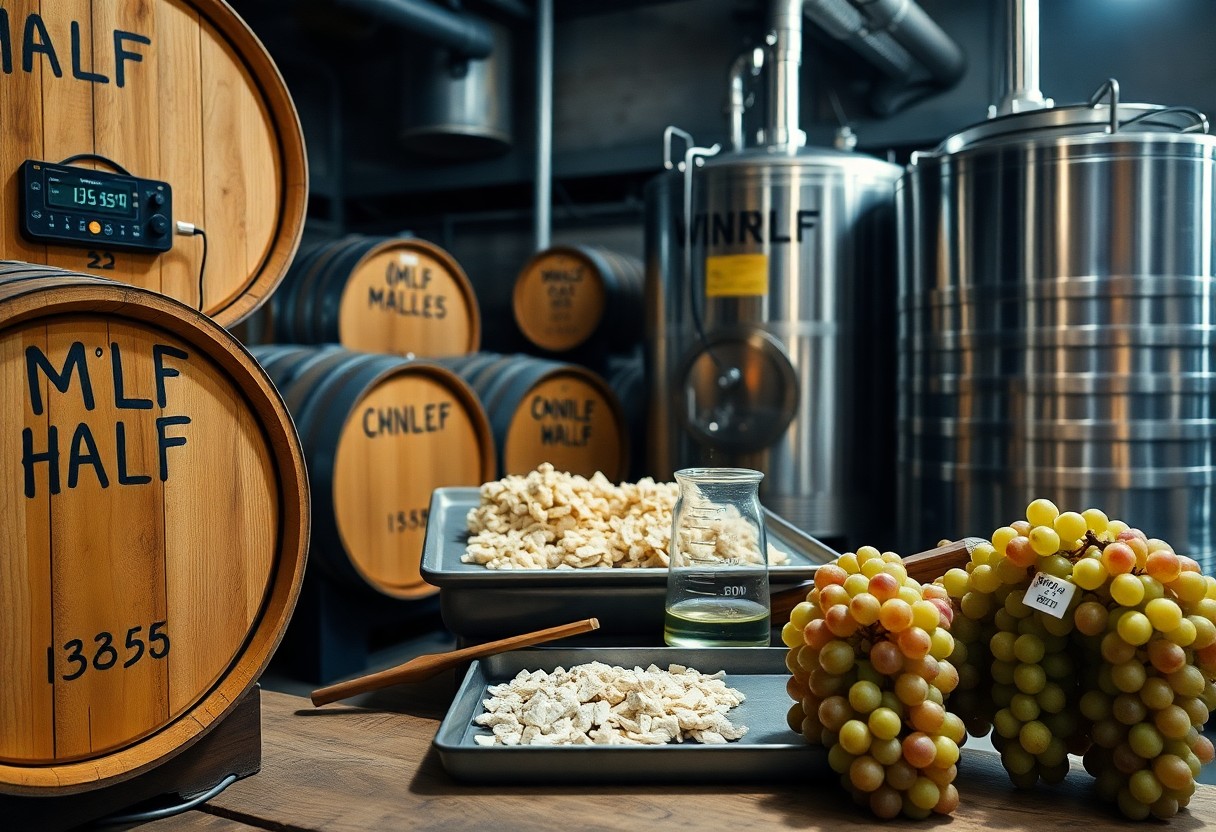
Winemakers employ controlled biochemical and aging choices so you can enjoy lower-acid wines; malolactic conversion, targeted oak use and lees management soften sharpness while strict oxygen and sanitation controls reduce spoilage risk.
Malolactic Fermentation: Converting Sharp Acids to Smooth Lactic Acid
Malolactic fermentation converts malic into lactic acid so you get smoother, rounder wines; you should accept some buttery notes and monitor cultures to prevent unwanted bacterial spoilage.
The Role of Oak Aging and Extended Lees Contact
Oak aging and lees contact give you added weight and integrated texture that reduces perceived acidity; watch for oxidation or overpowering oak that can mask fresh fruit.
Lees stirring (bâtonnage) increases mouthfeel and helps acidity feel softer, giving you richer texture while extended time in neutral oak gently rounds acids; choose oak carefully because heavy new oak can overwhelm fruit, and you must manage oxygen to limit oxidation and spoilage.
Strategies for Selecting and Serving
Choose wines with low malic and tartaric expression: seek low-acid varietals, cooler vintages and older bottles to soften sharpness. Any time you chill whites slightly and decant reds you reduce perceived acidity and protect sensitive palates.
- Low-acid varietals – Viognier, Grenache, Gewürztraminer
- Serving temps – slightly cooler whites, moderate reds
Identifying High-Alcohol and Late-Harvest Indicators
Look for high-alcohol labels, syrupy legs, or “late-harvest” phrasing; these signal concentrated sugars and often sharper perceived acidity. You should avoid such bottles if your stomach or teeth react to bright, intense wines.
Food Pairing Tips to Balance Palate Sensitivity
Match wines to soft, fatty foods and creamy sauces to blunt sharpness; bright condiments and acidic sides will amplify bite. You can also choose off-dry whites or mellow low-acid reds to keep your palate comfortable.
Serve lighter-acid wines with rich textures and mild acids to mute sharpness.
- Fatty foods – butter, creamy cheeses
- Starches – potatoes, bread, pasta
- Off-dry wines – Riesling Kabinett, some Chenin Blanc
Any simple starch or dairy will soften perceived acidity quickly.
To wrap up
Drawing together your options, you should choose ripe, low-tannin reds like Merlot or riper Pinot Noir, floral low-acid whites such as Viognier or Gewürztraminer, off-dry Riesling, oaked Chardonnay and gentle rosés; seek warmer-climate bottles and slightly sweeter styles to soften acidity for easier drinking.
FAQ
Q: Which grape varieties and wine styles are naturally lower in acidity?
A: Viognier, Gewürztraminer, Marsanne, and Roussanne are white varieties that tend to show lower perceived acidity because of their floral, oily, and fruit-forward profiles. Chardonnay from warm regions and barrel-fermented, malolactic-treated Chardonnays develop a creamier mouthfeel that softens acid. Red varieties such as Merlot, Malbec (especially from Argentina), Grenache/Garnacha, and ripe Syrah/Shiraz usually present gentler acidity than Pinot Noir or Sangiovese. Off-dry styles and wines with residual sugar, plus those aged on lees or in oak, often taste less sharp even if the actual acid level is unchanged.
Q: How can I identify low-acid wines when shopping or dining out?
A: Look for tasting-note words like “round,” “soft acidity,” “ripe,” “lush,” “full-bodied,” “oaked,” or “barrel-fermented.” Seek wines from warmer regions (California, southern Rhône, Spain, Argentina, parts of Australia) because riper grapes usually mean lower acid. Ask staff for recommendations using the grape and style names above, request older vintages, or request barrel-fermented or malolactic-treated whites. Avoid labels and notes using “crisp,” “bright,” “zesty,” “crunchy,” or “high acidity.” When possible, taste a sample before buying.
Q: What serving, pairing, or buying tips make wine easier to enjoy if I’m sensitive to acidity?
A: Serve whites a bit warmer than fridge temperature and decant reds briefly to soften perceived sharpness. Pair wines with fatty, creamy, or starchy foods-cheese, avocado, cream sauces, roasted root vegetables, or olive oil-rich dishes-to balance acidity. Choose off-dry or low-alcohol bottles, try older vintages, and favor wines aged in oak or on lees. If buying, start with approachable bottles like warm-climate Chardonnay, Merlot, Argentinian Malbec, or Grenache/Garnacha and ask retailers for “mellow” or “smooth acidity” suggestions.