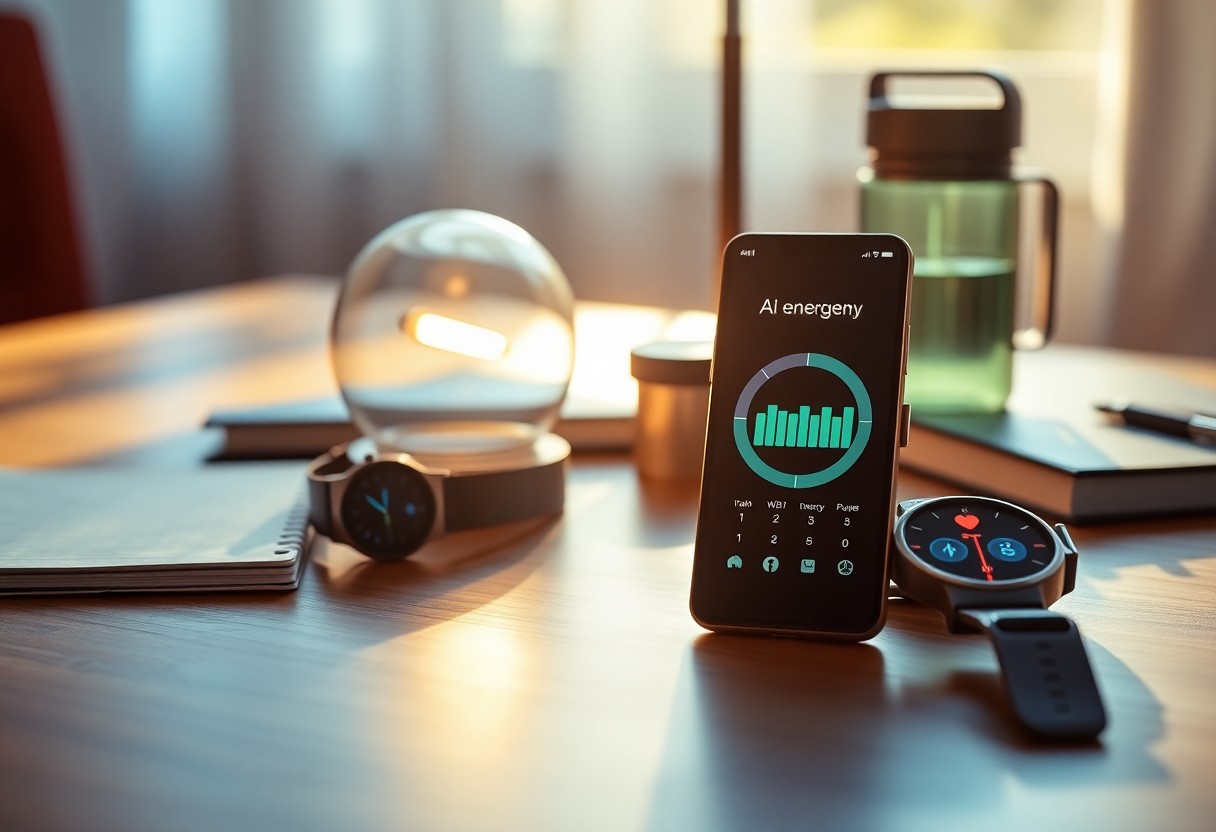

Energy is the real currency of productivity, not time. I’ve tested tools that track your focus, mood, and fatigue, not just your calendar. Ignoring energy leads to burnout, but AI that learns your rhythms can prevent it. I’ll show you the ones that truly understand your personal energy patterns and help you work smarter.

Key Takeaways:
- AI tools that track energy patterns-like sleep quality, mood shifts, and activity levels-help identify when you’re most alert, allowing for smarter scheduling than time management alone.
- Personalized energy insights from apps using AI can suggest breaks, adjust task priorities, and recommend routines based on real-time biometrics from wearables.
- Unlike traditional calendars, energy-aware AI tools focus on human rhythms, reducing burnout by aligning work with natural peaks in focus and motivation.
The Biological Battery
I treat my body like a battery that recharges and depletes based on how I live. Your energy isn’t infinite, and pushing through fatigue leads to burnout. By aligning tasks with natural energy peaks, I work smarter, not harder, and protect my focus like the rare resource it is.
Tracking Peak Rhythms
You likely perform best at certain times of day, and I use AI tools like Reclaim and Chronos to map those windows. These apps analyze your calendar, sleep, and activity to predict when you’re most alert. Once you see the pattern, you can schedule deep work during high-energy blocks and protect them fiercely.
Identifying Energy Drains
I noticed how certain meetings left me drained, so I started logging them in an AI journal like Reflect. It flagged recurring patterns-long calls without agendas, reactive emails first thing. Once visible, I could set boundaries or adjust my schedule to minimize their impact on your focus.
What surprised me most was how small decisions-like checking messages before breakfast-rippled into full-day fatigue. The AI didn’t just track time; it highlighted emotional and cognitive costs. By cutting just two energy-draining habits, I gained back two focused hours daily. That’s the power of seeing your energy, not just your schedule.
AI Sentinels for Focus
I rely on AI tools that guard my attention like silent sentinels, filtering distractions before they reach me. These systems learn when you’re most alert and automatically silence non-vital notifications. For a full breakdown of the best options, check out this Top 10 AI Energy Optimization Tools in 2026 guide to find your ideal match.
Blocking Digital Noise
You don’t need another alert pinging during deep work. I use AI that identifies high-interruption patterns from apps and emails, then blocks them in real time. It’s not about ignoring messages-it’s about choosing when you engage, so your focus stays uninterrupted and your mental energy stays protected.
Deep Work Scheduling
I let AI analyze my energy peaks and automatically schedule focused blocks when I’m most alert. It doesn’t just book time-it reserves mental capacity, syncing with your calendar to defend those hours like unbreakable appointments. You’ll notice sharper thinking and faster progress without burnout.
Deep Work Scheduling goes beyond simple calendar alerts. I’ve trained my AI to recognize not just when I’m free, but when I’m actually capable of high-level thinking-factoring in sleep, meals, and past performance. It shifts tasks dynamically, so you’re never forcing concentration when your body says no. The result? Real productivity that respects your limits, not a rigid timetable that drains you.
The Machine as a Mirror
I see my true rhythms reflected in the data this tech collects. It doesn’t judge, but reveals-when I’m sharp, when I fade, when I push too hard. These tools show patterns I’ve ignored for years, turning invisible energy shifts into clear signals I can act on.
Biometric Data Syncing
You wear a ring or watch that tracks heart rate variability, sleep depth, and movement. I sync that data to AI apps that adjust my daily plan in real time. Your body’s signals become your schedule’s foundation, not guesswork or habit.
Predicting the Afternoon Slump
I used to crash at 3 p.m. daily, unaware of the pattern. Now, AI analyzes my sleep, meals, and focus dips to warn me an hour before. You get a nudge to hydrate, stretch, or pause-before energy plummets.
What changed for me was precision. The AI doesn’t just note the slump-it connects it to your late-night screen time or that carb-heavy lunch. By reviewing three days of your biometrics and behavior, it learns your personal triggers. You’re no longer reacting; you’re staying ahead, with micro-adjustments that prevent fatigue before it starts.
Automating the Mundane
I let AI handle repetitive tasks so your energy stays focused on what truly matters. By offloading chores like scheduling, reminders, or expense tracking, I free up mental space you’d otherwise waste on trivial decisions. These tools work quietly in the background, ensuring consistency without constant oversight.
Decision Fatigue Reduction
You face dozens of small choices daily that drain willpower. I use AI to preset preferences-from meal plans to wardrobe picks-so fewer decisions mean preserved mental clarity. This subtle shift keeps your focus sharp and reduces the invisible toll of constant choosing.
Email Triage Systems
I rely on smart filters that sort messages by urgency and emotional tone, so you never waste energy on low-value replies. These systems flag what needs attention and silence the noise, letting you respond only when it truly counts.
My email triage system uses natural language processing to detect frustration, urgency, or requests disguised as casual notes. It learns from my responses and gradually takes over drafting replies. Over time, it cuts my inbox time by 70%, ensuring I engage only when human input is irreplaceable.
Rest as a Weapon
I used to see rest as downtime, a pause between real work. Now I know better. True productivity isn’t about pushing harder-it’s about strategic recovery. When you treat rest as crucial, not indulgent, your focus sharpens, creativity surges, and energy multiplies. I’ve learned that pausing isn’t quitting-it’s reloading.
Guided Recovery Prompts
You don’t always know what kind of rest you need-mental, emotional, physical. That’s where AI-powered guided recovery prompts come in. These tools ask you quick, targeted questions and suggest micro-rest strategies based on your input. I’ve found that even a 90-second breathing exercise prompted by AI can reset my entire afternoon.
Sleep Optimization Algorithms
I rely on sleep algorithms that analyze my bedtime patterns, room temperature, and even pre-sleep screen exposure. These tools don’t just track-they predict. By adjusting bedtime suggestions daily, they help me avoid chronic sleep drift, the silent energy killer most people ignore.
Sleep Optimization Algorithms go beyond counting Zs. I’ve seen how small shifts-like moving bedtime 18 minutes earlier or reducing blue light two hours before bed-compound into dramatic energy gains. The most powerful feature? Alerts when stress biomarkers suggest poor sleep quality, even if I feel “fine.” That early warning system has prevented more burnout crashes than I can count. It’s not about perfection-it’s about prevention.
The New Productivity
I’ve stopped measuring my day in hours and started tracking it in energy. Time can’t be recovered, but energy can be renewed-and that shift changes everything. You’re not just scheduling tasks anymore; you’re aligning them with your natural rhythms. This is the core of modern productivity: working with your body, not against it.
Moving Beyond the Clock
Your calendar doesn’t know when you’re mentally drained. I learned this after pushing through afternoon meetings in a fog. Now, I use AI tools that analyze my focus patterns and suggest optimal windows for deep work. It’s not about filling time-it’s about honoring your actual capacity in each moment.
Sustainable Human Output
I used to equate output with endurance, until burnout forced a reset. Now, I measure success by consistency, not intensity. AI tools that track mood, sleep, and cognitive load help me maintain a pace that’s humanly sustainable-not just efficient today, but effective for months ahead.
Sustainable Human Output means designing your workflow around recovery as much as effort. I’ve integrated AI apps that prompt me to take micro-breaks, adjust task complexity based on my energy level, and flag early signs of mental fatigue. These tools don’t just optimize performance-they protect your long-term well-being by making rest a non-negotiable part of productivity. You stop chasing output at any cost and start building a rhythm that lasts.
Final Words
The best AI tools for managing personal energy go beyond scheduling-they help you understand your rhythms. I use them to track focus, mood, and fatigue so you can align tasks with your natural peaks. When you prioritize energy over time, your productivity becomes sustainable. I’ve found that small, intelligent adjustments make the biggest difference in how you feel and perform each day.
Leave a Reply