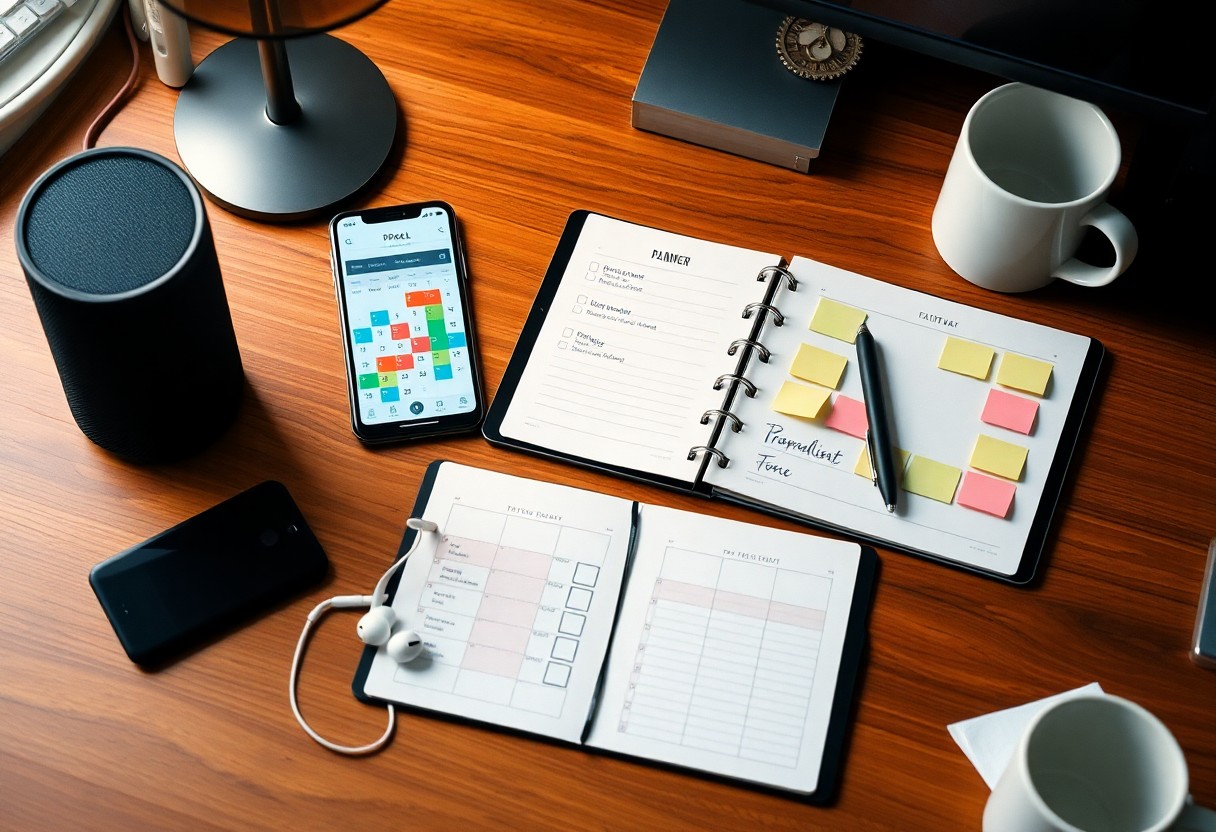
Just by using a few smart tools, I’ve helped you cut through the daily chaos-some AI apps save hours each week, while others risk overloading your schedule if misused. I show you the ones that actually work, so you keep control and boost your peace of mind, not stress.
Key Takeaways:
- Simple AI tools like smart reminders and calendar apps learn your routine and suggest optimal times for tasks, helping you stay on track without constant input.
- AI-powered note apps can automatically sort, tag, and retrieve information using keywords or voice commands, cutting down time spent searching for details.
- Automated home systems sync with your schedule to adjust lighting, play music, or start appliances, making daily transitions smoother with minimal effort.
The Clock on the Wall
I used to ignore the clock, letting hours slip by unnoticed. Now, I treat it like a quiet partner in my day. With a simple AI timer that learns my rhythms, I actually see where time goes-and how much I gain when I focus.
Moving the hours together
You might not realize how scattered your tasks are until an AI reshuffles them. I noticed mine grouping similar chores automatically-like moving all errands into one block. That small shift saved me over an hour a week just by cutting mental reloads.
Talking to the air
I started saying tasks out loud instead of typing them, and my AI caught every word. It feels odd at first, but now I just mutter, “Add dentist next Thursday,” and it’s done. No phone, no typing-just speaking into the room.
At first, I worried about privacy, but my system only listens after a wake word. I’ve found it’s fastest for capturing ideas while cooking or walking in. If you hate stopping to jot things down, this could be the most natural upgrade to your routine-like having a helper who’s always nearby, quietly taking notes.
The Flow of the Inbox
I used to drown in emails until I let AI handle the flow. Now, messages sort themselves the moment they arrive. I barely touch my inbox, yet nothing slips through. With smart filtering, your attention stays on what truly matters, not on endless scrolling.
Catching the junk
Spam used to flood my inbox every morning. Now, AI spots suspicious senders and odd phrasing before I see them. It quietly tucks junk away, so I never waste time on scams or ads pretending to be important.
The important words
Words like “urgent,” “meeting,” or “review” signal what needs action. I trained my AI to flag these, so nothing slips. You get alerts only when it’s truly time to respond, not for every random update.
When I say “important words,” I mean the specific terms that carry real weight in your work and life. I taught my system to recognize not just keywords, but context-like when “ASAP” comes from my boss versus a newsletter. This small tweak keeps me from overreacting to noise and helps me respond with confidence, knowing I’m seeing what actually needs my eyes.
Bread and Salt
I’ve found that even the simplest routines, like buying bread and salt, can throw off my whole day if I’m not careful. Now, I use a smart reminder that knows my schedule and predicts when I’ll run out-no more last-minute grocery dashes.
Finding the food
You know that moment when you’re staring into the fridge, hoping something will appear? I used to waste so much time. Now, my AI suggests meals based on what’s inside and sends alerts when staples are low, so I always have what I need.
The list on the screen
I love how my grocery list updates itself in real time. When you add an item, it appears on your phone, tablet, and smart display at home. Shared lists mean no duplicates, and I never forget what you picked up last time.
What makes “The list on the screen” truly helpful is how it learns from your habits. If you always grab almond milk on Thursdays, it adds it automatically. You can also tag items by store section, so your list is sorted by aisle-cutting shopping time in half. It even syncs with delivery apps, letting you switch from in-store to doorstep with one tap.
The Daily Burden
I used to drown in sticky notes and half-finished lists until I found an AI Planner: Turn Your To-Do List into a Daily Plan. Now, my tasks organize themselves around my real schedule, not some fantasy version of productivity. It’s like having a calm friend who quietly sorts the chaos so I can just begin.
The hard work first
I start with the task I dread most, and something surprising happens-the rest of the day feels lighter. You don’t have to power through everything at once. Getting the heavy lift out early gives you momentum, and honestly, a little pride before lunch.
Watching the hours
I noticed how easily hours slip away when I don’t track them. Now, I use gentle time markers, and it’s shocking how much I reclaim. You don’t need strict timers-just awareness to keep your focus honest and your breaks kind.
I used to think counting minutes was stressful, but it’s actually freeing. When I see where time really goes, I can protect the moments that matter. This small shift helps me stay present, finish on time, and still have room for what I enjoy-without guilt.
The Weight of the Purse
I use Organize Your Day Like a Pro with AI | Microsoft Copilot to track my daily spending. It quietly logs purchases and alerts me when I’m close to my budget limit, helping me stay in control without stress.
Watching the money
You’ll notice small expenses add up fast. I set my AI to send weekly summaries, so I can see where my money goes. Those $5 coffee runs? They jumped out immediately, making it easy to adjust.
Keeping the coin
I save automatically by letting the system move a bit from each paycheck. It feels painless, and watching savings grow quietly in the background gives real peace of mind.
What I love most about “Keeping the coin” is how it works without me thinking. The AI adjusts savings based on my monthly rhythm-lighter weeks, heavier bills-and still keeps momentum. It’s like having a quiet partner who just gets it, making financial calm possible.
The Shelter of the Home
I find peace knowing my home adapts to me, not the other way around. With simple AI, your space becomes a quiet helper-anticipating needs, reducing clutter, and making daily routines feel effortless. It’s not about high-tech overload; it’s about calm, personalized comfort that supports your well-being.
Turning on the lights
Lighting shifts naturally as I move through the house, guided by motion and time of day. You don’t have to fumble for switches anymore-your AI adjusts brightness and color temperature to match your energy. Waking up to soft morning hues feels gentle and human-centered.
The air in the room
Temperature and humidity stay balanced without me lifting a finger. I notice fewer headaches and better sleep since my system monitors air quality and acts before problems arise. Clean, fresh air runs quietly in the background, just how your body expects it.
Your AI doesn’t just track CO2 or dust levels-it learns when you’re most sensitive, like during sleep or focused work. If pollen spikes outdoors, it seals the vents and boosts filtration. I appreciate how it protects my health without demanding attention, making clean breathing a quiet, everyday luxury.
Conclusion
I’ve found that simple AI systems can quietly make your days smoother. You don’t need complex tools-just a few smart helpers for reminders, tasks, or schedules. When you use them gently, they fit into your routine and reduce the mental load. I like how they let me focus on what matters most to me.
Leave a Reply