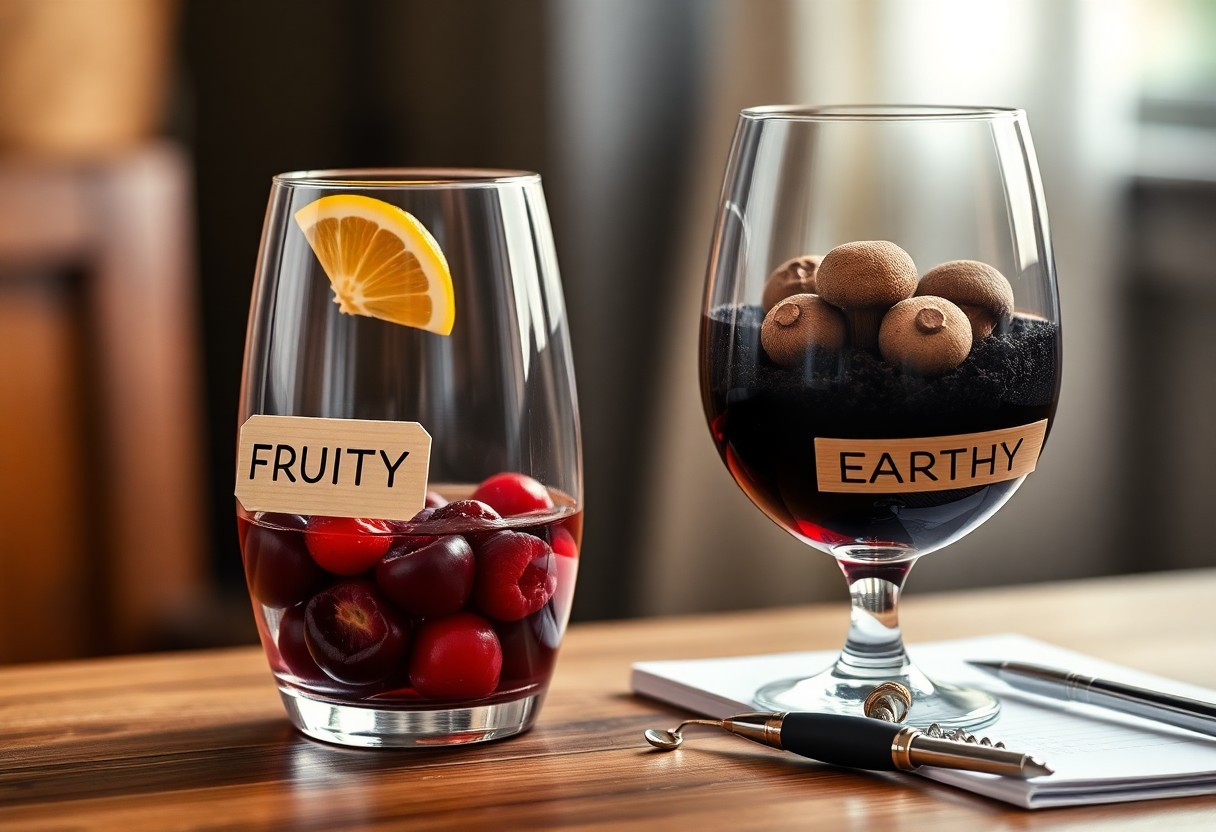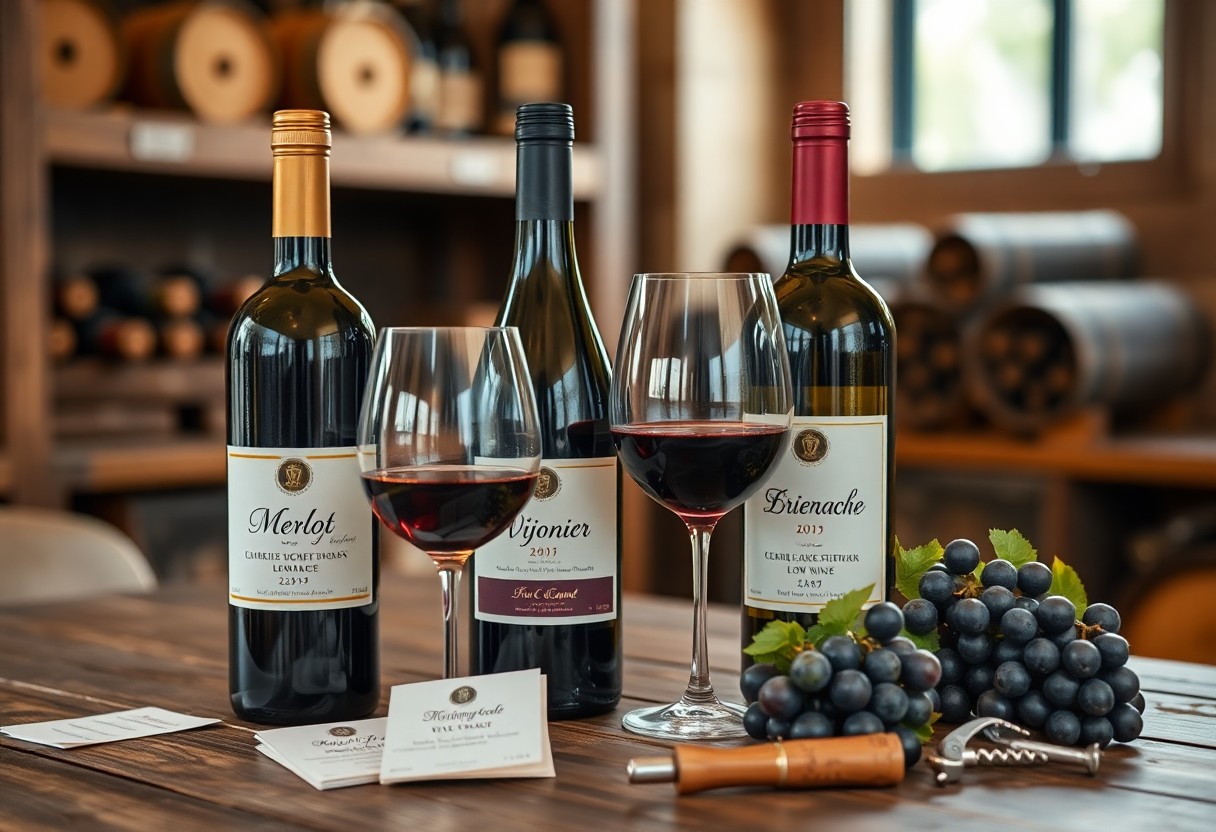
Many beginners learn to spot fruit aromas like berry or citrus and contrast them with earthy notes such as mushroom or forest floor; you should also watch for spoilage (cork taint) and use steady practice to train your nose.
Key Takeaways:
- Fruity wines show aromas and flavors of fresh or jammy fruit-berries, citrus, or stone fruit-while earthy wines present mushroom, wet leaves, forest floor, leather, or mineral notes.
- Smell before tasting and take a slow sip, noting acidity, sweetness, and tannin; bright acidity and clear fruit point to fruity styles, muted acidity with savory, soil-like notes signals earthy character.
- Grape variety and region offer clues: Riesling, Sauvignon Blanc, and Beaujolais often read as fruity, while aged Pinot Noir, Nebbiolo, and many Old World reds reveal earthy qualities.
Factors That Define Fruity and Earthy Profiles
Explore how you can tell fruity wines by bright fruit notes, lighter tannin, and zesty acidity, while earthy wines show mushroomy, mineral, or savory characteristics with firmer structure. This contrast guides your tasting focus and helps you classify wines quickly.
- Fruit
- Earth
- Tannin
- Acidity
- Oak
- Aging
- Terroir
The Impact of Climate and Terroir
Climate controls ripeness and weight; warmer sites produce riper, fruit-forward wines while cooler plots yield higher acidity and pronounced mineral or earth notes. This makes origin a quick cue for the profile you’ll encounter.
How Aging and Oak Influence Flavor
Oak and barrel time add vanilla, toast, and spice that can accentuate or mask fruit, while extended aging softens tannin and may introduce savory, earthy complexity you learn to distinguish.
Barrel selection and aging length determine whether you taste fresh berries or developed tertiary notes: American oak often gives bold coconut and vanilla, French oak offers subtle spice and cedar, and heavier toast ramps smoky elements. Long bottle age creates leather, mushroom, and mineral layers. You should watch for over-oaking that can overpower delicate fruit and use oak cues to judge balance and aging potential.
How to Identify Dominant Fruit Characteristics
Focus on the wine’s most obvious aromas and flavors to identify its dominant fruit; acidity, tannin, and sweetness help you tell if the fruit is fresh, jammy, or cooked.
Recognizing Berry, Citrus, and Stone Fruit Notes
Spot bright strawberry, cherry, or blackberry for berry-driven reds; lemon, lime, or grapefruit signal citrus freshness; peach, apricot, or nectarine reveal stone fruit-let these berry, citrus, and stone fruit notes guide your assessment.
Understanding the Sweetness vs. Fruitiness Distinction
Taste to separate perceived sweetness from fruitiness: sugar adds sweetness, while high ripeness or jammy flavors create fruitiness; acidity and finish help you decide if a wine is merely fruity or actually sweet.
Compare the wine’s aroma, palate, and structure: if the sensation lingers with a syrupy texture and low acidity, actual sweetness is likely; if acidity is bright and flavors feel fresh, you’re experiencing fruitiness not added sugar-check the label for residual sugar or style to confirm.
How to Detect Earthy and Mineral Elements
Smell for damp soil, wet leaves and truffle-like notes that signal earthy character; you should also check for musty cork (TCA) and overt oxidation as faults while noting subtle mineral hints like wet stone.
Spotting Savory, Soil, and Mushroom Aromas
Focus on savory forest-floor and mushroom aromas; you can distinguish them from fruit by umami, damp, leathery qualities, and mark musty cork as a fault.
Identifying Herbal and Stony Undertones
Notice dried herbs, green pepper and flinty pebble notes that signal herbal or stony minerality, helping you separate savory structure from fruit-forward styles.
Compare the aroma to fresh thyme, rosemary or cut grass to confirm herbal notes; green bell pepper often signals pyrazines, while flinty, wet-pebble scents point to minerality. Practice smelling herbs and stones separately, then the wine to sharpen your nose and refine how you judge herbal versus fruity expressions.
Practical Steps for Evaluating Wine as a Beginner
Practice smelling, sipping, and noting what you detect: fruit or earth. Use short sniffs, then small sips while thinking of texture and acidity. Consult Wine Flavors Explained: Learn How to Identify Them – Vindome for examples.
Analyzing the Scent Profile and Bouquet
Observe how you first perceive aromas: bright berry or citrus notes signal fruit, while damp soil, mushroom, or leather suggest earthy tones; note intensity and changes as wine opens.
Assessing Mouthfeel and Structural Balance
Feel the wine’s weight, tannins, acidity and finish: silky or grippy tannins alter how you perceive fruitiness, while high acidity sharpens fruit; track length to judge balance.
Compare how tannin levels and acidity change your perception: high tannins can make fruit seem restrained and feel harsh, while rounder textures bring forward ripe fruit. Note alcohol warmth, viscosity, and finish length across several small sips to decide if the wine’s structure supports its flavors.
Conclusion
To wrap up you can distinguish fruity from earthy wines by focusing on aroma and flavor: fruity wines show ripe berry, citrus, or stone fruit notes and brighter acidity, while earthy wines present mushroom, mineral, or forest-floor tones and deeper tannins; practice smelling, tasting, and comparing to refine your sense.
FAQ
Q: How can I tell a fruity wine from an earthy wine by smelling and tasting?
A: Aroma provides the clearest initial clue: fruity wines give bright primary fruit scents such as cherry, raspberry, blackberry, citrus, peach, or tropical fruit, while earthy wines show notes like mushroom, forest floor, damp leaves, wet soil, truffle, leather, or tobacco. Taste confirms the impression: fruity wines often present juicy fruit on the entry and mid-palate with noticeable sweetness or ripe fruit impressions, higher perceived acidity in many white examples, and a shorter, fruit-forward finish. Earthy wines frequently reveal more savory flavors on the mid-palate and finish, with tertiary notes emerging (mushroom, dried herbs, savory leather) and sometimes firmer tannins or a dryer, longer finish. Visual and structural cues help: lighter, translucent reds with bright red fruit often read as fruity; deeper, brick-tinged or aged-looking reds that show tertiary aromas tend toward earthy. Swirl for aroma lift, take short sniffs to pick up primary fruit, then longer sniffs after aeration to detect earthier elements.
Q: What practical exercises can a beginner use to improve recognizing fruity versus earthy characteristics?
A: Start with a controlled sniffing exercise: set out small jars or bowls with fresh fruit (strawberry, cherry, lemon, peach) and earthy items (mushroom, wet soil from a potted plant, green bell pepper, dried leaves). Smell each item until you can label the scent reliably. Move to wines by tasting simple, single-varietal wines side by side-choose a young Gamay or Beaujolais (fruit-forward), a young Pinot Noir (fruit), and an aged Pinot or Nebbiolo (earthier). Conduct triangle tastings where two samples are the same and one is different to sharpen discrimination. Keep a tasting notebook noting first impression, mid-palate, finish, tannin level, and acidity. Practice smelling the glass before tasting, tasting in small sips while letting the wine coat the mouth, and re-smelling after a minute to notice changes; many earthy compounds show up after brief exposure to air. Regular short sessions (15-30 minutes twice a week) accelerate recognition more than occasional long sessions.
Q: What common mistakes should beginners avoid, and which grape varieties typically show fruity versus earthy profiles?
A: Mistakes to avoid include confusing oak or spice notes (vanilla, cinnamon, toast) with earthiness, assuming earthiness means poor quality, and relying only on initial aroma without checking mid-palate and finish. Temperature and glassware can mask or exaggerate fruit or earth notes; serve whites cooler and reds slightly below room temperature and use proper stemware. Aging increases tertiary, earthy characteristics in many wines, so a young bottle may be fruity while an older bottle of the same variety becomes earthier. Varietal tendencies: fruity examples include Gamay (Beaujolais), young Pinot Noir, Zinfandel, Grenache, Merlot, Riesling, Sauvignon Blanc, and many new-world Syrahs; earthy-leaning examples include mature Pinot Noir, Nebbiolo (Barolo, Barbaresco), Sangiovese (Chianti, Brunello), aged Cabernet Sauvignon, Tempranillo (Rioja with age), and some Syrahs/Shiraz showing underbrush and leather. Use food pairings to test impressions: fruit-forward wines pair well with spicier or sweeter foods, while earthy wines pair well with mushrooms, roasted game, and aged cheeses, which will highlight savory elements rather than fruity ones.