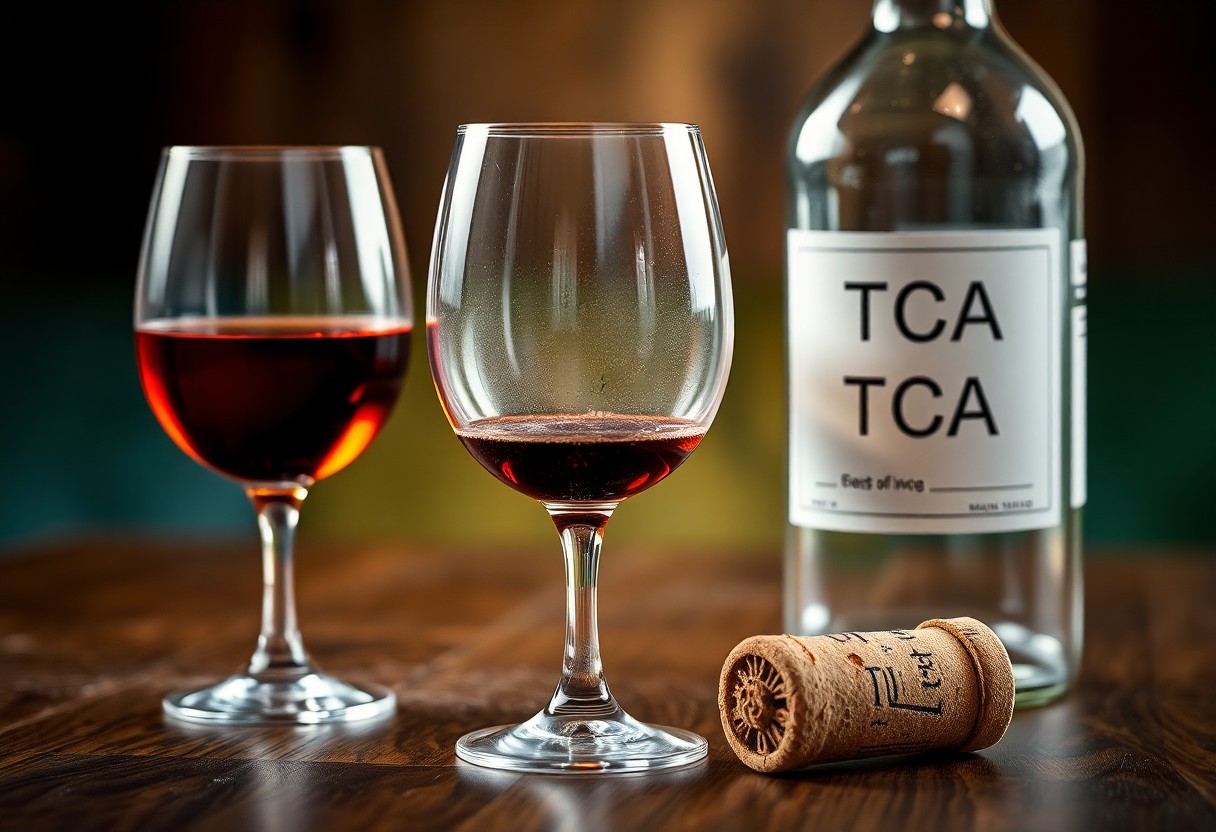
Wine can taste off from cork taint, oxidation, or volatile acidity; you should learn to detect moldy cork, vinegar sourness, and rotten-egg sulfur and judge if a bottle is salvageable or must be discarded.
Key Takeaways:
- Common wine faults: TCA (cork taint) smells musty or like wet cardboard; oxidation produces brown color and flat, sherry-like flavors; volatile acidity gives vinegar or nail-polish aromas; Brettanomyces creates barnyard or medicinal notes.
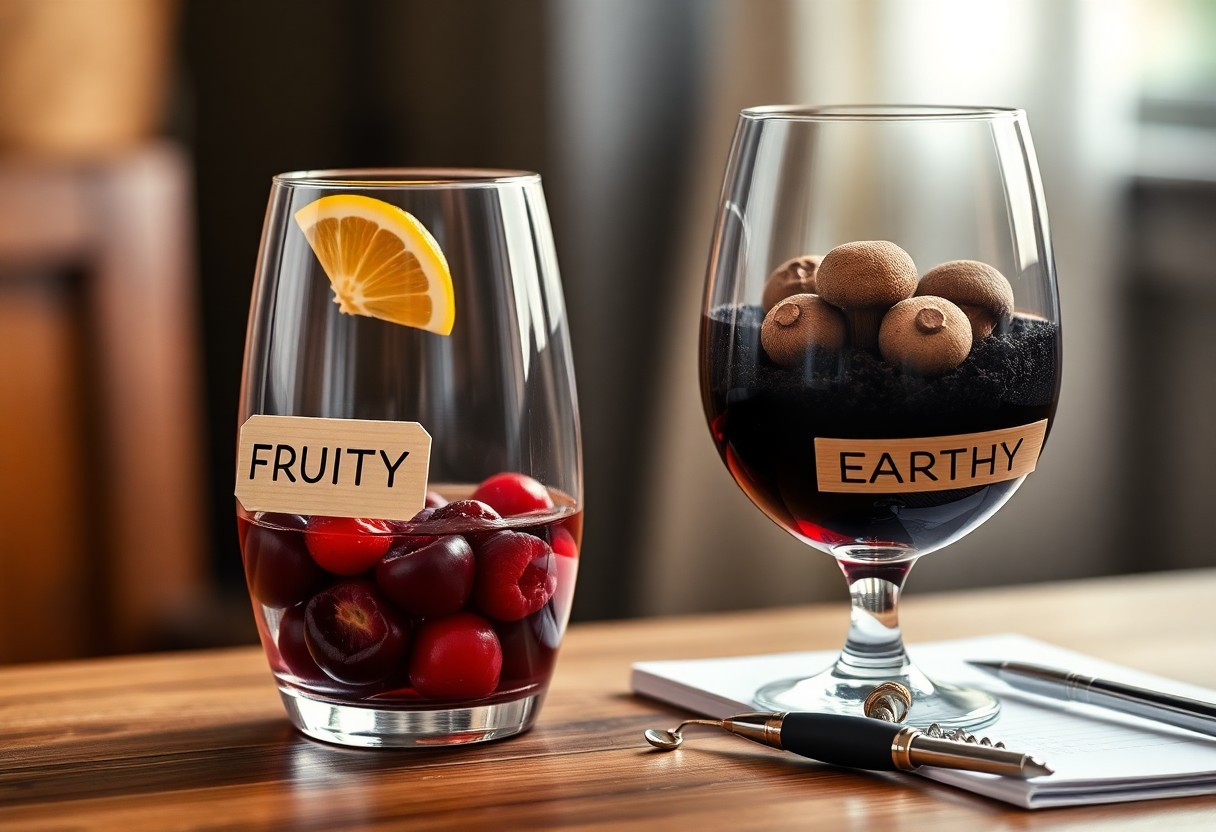
- Identify faults by aroma, appearance, and taste: smell first for moldy, acetic, or medicinal notes, inspect color for browning, and note texture and acidity on the palate to distinguish spoilage from stylistic character.
- Some faults respond to aeration or decanting (reduction/sulfur off-aromas), while others are permanent and justify returning the bottle or discarding it (TCA, severe oxidation, very high VA).

Understanding the Factors Behind Wine Spoilage
- Oxidation
- Cork taint (TCA)
- Microbial spoilage
- Heat damage
- Lightstrike
Storage conditions shape how wine ages; you must watch for oxidation, microbial spoilage, and heat damage. Thou should inspect corks and seals to prevent cork taint and off-flavors.
Impact of Temperature Fluctuations and Light Exposure
Temperature swings accelerate oxidation and promote bacterial activity, while light exposure causes lightstrike and faded aromas; you should store bottles cool and dark.
Temperature vs. Light Effects
| Temperature | Speeds oxidation, causes cooked flavors and cork shrinkage |
| Light | Induces lightstrike, bleaching fruit aromas and creating cardboard notes |
Chemical Reactions Caused by Oxygen and Improper Sealing
Oxygen ingress promotes oxidation and fosters acetic bacteria, producing vinegar-like volatile acidity; you should monitor fill levels and closure integrity.
Exposure to small oxygen amounts alters wine chemistry: you lose fresh fruit aromas, gain brown hues, and see rises in acetaldehyde and volatile acidity; faulty corks or loose closures let Acetobacter convert alcohol to acetic acid, producing sharp, unpleasant scents that indicate serious spoilage and reduced drinkability.
How to Identify Oxidation in White and Red Wines
Oxidation shifts aroma and flavor so you often notice browning, dullness, and a sherry-like scent; when you taste it the wine tastes flat and lacks fresh fruit. In whites you’ll spot golden-brown hues; in reds you’ll see brick tones and muted tannins, indicating exposure to oxygen.
Recognizing Visual Cues and Color Degradation
Look for brown edges in whites, amber tints in matured bottles, and brick-red hues in older reds; you’ll also notice a film or excessive cloudiness if oxidation is advanced, which signals reduced freshness and aroma loss.
Detecting Bruised Fruit and Nutty Aromas
Smell for cooked or bruised fruit notes, dried apple or pear in whites, or oxidative nutty scents like hazelnut and walnut in reds; these cues indicate lost vibrancy and early oxidation.
You can distinguish oxidation by comparing fresh fruit aromas to stale or bruised scents-think stewed apple, cooked pear, or brown banana-paired with nutty notes like hazelnut or walnut. Swirl and sniff multiple times; if the wine stays flat, flatness plus caramelized or sherry-like aromas confirm oxidation rather than simple maturation. Some aged styles intentionally show these traits; if the wine tastes off, discard it.
Recognizing Volatile Acidity and Sulfur Defects
Volatile acidity appears as sharp vinegar or nail-polish notes; sulfur defects present as rotten-egg or matchstick aromas. When you sniff, watch for strong acetic vinegar or hydrogen sulfide that mask fruit. Early detection helps decide if the wine is faulty or salvageable.
Identifying Vinegar and Nail Polish Characteristics
Smells of sharp vinegar or nail-polish remover come from acetic acid or ethyl acetate; you’ll notice stinging on the nose and loss of fruit. If these aromas dominate, the wine is likely faulty rather than merely aged.
How to Detect Reductive and Matchstick Smells
Reduction gives you struck-match or rotten-egg scents from hydrogen sulfide and mercaptans; brief swirling or decanting often releases these into harmless sulfur compounds, restoring fruit. If smells persist strongly, the wine may be irreparably flawed.
You can test reduction by giving the wine 10-20 minutes of air: swirl, sniff immediately, and then again; improvement indicates reversible reduction. Persistent matchstick or rubbery mercaptans may need copper fining or professional intervention, while gentle aeration is often a safe, effective first step.
Factors Contributing to Yeast and Bacterial Flaws
Sanitation lapses, oxygen exposure and wild microbes let yeast and bacteria produce acetic acid, volatile acidity or film; you’ll detect sour, medicinal or barnyard notes. Knowing these cues helps you decide if a flaw is present or if the wine reflects deliberate style.
- Poor sanitation during fermentation
- Excess oxygen or improper sealing
- Wild yeast or bacterial contamination
Evaluating Brettanomyces and Barnyard Notes
Smells of leather, sweaty saddle or medicinal bandage often point to Brettanomyces; you judge intensity and persistence to decide if it adds complexity or overwhelms the fruit.
Distinguishing Spoilage from Intentional Stylistic Funk
Tasting for balance, clarity and fruit expression helps you separate true spoilage from intentional funky marks; you compare expected varietal character against off-odors like volatile acidity or mold.
Consider producer background, oak use and regional norms when you assess funk; you evaluate aroma strength, palate impact and how long the note lingers. If you detect sharp volatile acidity, vinegary acetic acid or an obvious film, treat it as spoilage and avoid the bottle. If mild barnyard or subtle Brettanomyces enriches fruit and structure, accept it as stylistic complexity.
Tips for Assessing and Addressing Off-Flavors
Assessing wine requires you to sniff, taste, and note wine faults and off-flavors.
- Smell for volatile acidity or TCA
- Check for discoloration or flattening
Any persistent rotten-egg or nail-polish aromas signal a faulty bottle; see Wine Faults Beyond the Binary: When a Flaw Isn’t Really …
How to Use Decanting to Aerate Minor Faults
Use decanting for 20-60 minutes to let mild reduction or short-term oxidation dissipate; you should swirl and sniff periodically to judge improvement and discard if off-aromas persist.
Determining When a Bottle is Beyond Recovery
Know that if you detect persistent vinegar, wet cardboard, or chemical nail-polish (TCA), the bottle is likely beyond recovery and not worth serving.
Inspect the cork, pour a small sample, and compare aroma and taste to a clean reference; you should note long-lasting moldy, acetic, or severely oxidized notes, check mouthfeel for harshness, and if the fault remains after aeration and time, discard and seek a refund or replacement.
To wrap up
Drawing together, you can rely on smell, taste, and appearance to spot common faults-cork taint’s musty cardboard, volatile acidity’s sharp vinegar, oxidation’s flat sherry notes, or brett’s barnyard funk-and discard any bottle that clearly smells or tastes off.
FAQ
Q: Why do some wines taste “off”?
A: Wines taste off when chemical reactions or microbial activity change aroma, flavor or appearance. Common causes include cork taint (TCA), oxidation, volatile acidity (acetic acid and ethyl acetate), Brettanomyces infection, reduction (sulfur compounds like hydrogen sulfide or mercaptans), heat damage, lightstrike and unintended refermentation. Cork taint produces a musty, damp-cardboard or wet-basement aroma and often mutes fruit. Oxidation shows as browning, flat aromatics and notes of bruised apple, nuts or sherry. Volatile acidity gives vinegary, nail-polish-remover or sharp acetic notes and a drying, sour finish. Brettanomyces can contribute barnyard, medicinal or smoky characters that become unpleasant at high levels. Reduction smells of rotten eggs, struck match or rubber and may improve with aeration. Heat-damaged bottles smell cooked or stewed and lose freshness and acidity. Lightstrike creates sulfurous or cabbage-like off-aromas after exposure to strong light. Microbial contamination can cause unexpected fizz, cloudiness or off-flavors.
Q: How can I identify specific wine faults?
A: Identify faults by using sight, smell and taste in that order. Visually check color and clarity; pronounced browning suggests oxidation, cloudiness points to microbial issues, and unexpected spritz implies refermentation. Smell for damp cardboard or mold (TCA), vinegar or nail-polish notes (volatile acidity), barnyard or medicinal aromas (Brett), rotten-egg, garlic or struck-match scents (reduction), cooked-fruit or stewed aromas (heat damage) and cabbage- or sulfur-like characters (lightstrike or certain mercaptans). Take a small sip to judge whether the wine tastes muted, metallic, overly acidic, bitter or chemically persistent. Test by pouring into a clean glass and letting the wine breathe for 10-30 minutes to see if reductive notes fade; compare with another bottle of the same wine when possible to determine whether the issue is a fault or the wine’s intended style.
Q: What should I do if a wine tastes off?
A: Stop drinking and assess the bottle before deciding. If the bottle was recently purchased, return it to the retailer or contact the producer and keep the bottle and receipt as evidence. At a restaurant, ask staff to replace the bottle or open a different one; most establishments will accommodate a genuine fault. For reducible faults like mild reduction, open and decant the wine or let it breathe to see if aromas dissipate. No reliable home fix exists for cork taint, oxidation, high volatile acidity or heat damage, so replacement or return is the only practical remedy. Store wines on their sides in a cool, dark place with stable temperatures and away from light and strong odors to reduce the risk of many common faults.