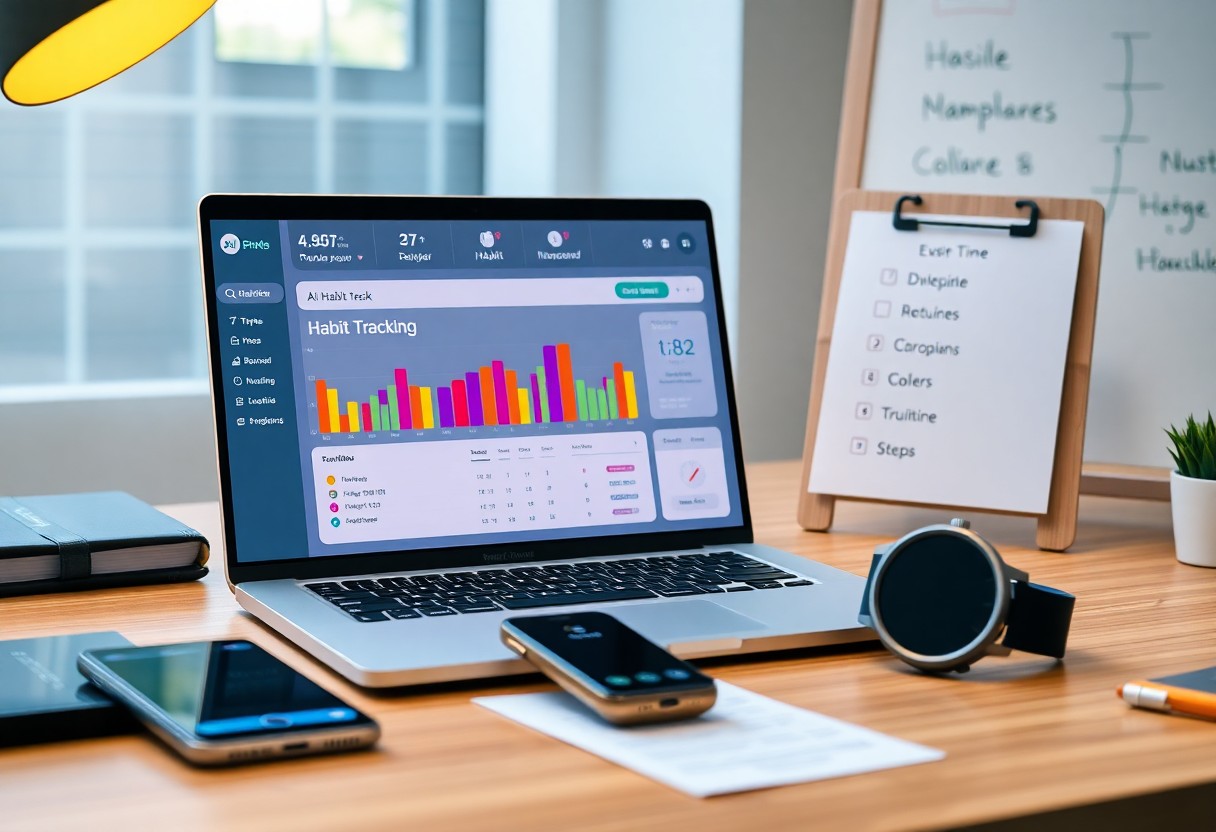
Just last month, I struggled to stick to my goals-until I started using AI to build better habits. Now, I help you do the same. With personalized reminders, real-time feedback, and dangerous habit alerts, AI makes change faster and easier. You’ll see how simple tools can support your growth.
Key Takeaways:
- AI tools can personalize habit-tracking plans by analyzing your behavior patterns and suggesting small, realistic changes that align with your daily routine.
- Using AI-powered reminders and feedback loops helps reinforce consistency by delivering timely prompts and encouragement based on your progress.
- Regular review of AI-generated insights allows you to adjust habits quickly, focusing on what works instead of relying on guesswork or generic advice.
Understanding the Role of AI in Habit Formation
I see AI not as a replacement for willpower, but as a smart guide that learns how you respond to cues, rewards, and setbacks. It tracks patterns in your behavior and adjusts feedback in real time, making habit-building more responsive. By analyzing your actions, AI helps you stay consistent with personalized nudges that fit your lifestyle.
Key factors that make AI a great habit coach
What sets AI apart is its ability to adapt quickly to your progress. With real-time feedback, behavioral tracking, and custom reminders, it acts like a coach who never loses focus.
- Consistency monitoring catches slips before they become setbacks
- Pattern recognition reveals hidden triggers affecting your habits
- Adaptive goal setting keeps challenges realistic and motivating
Recognizing how these elements work together helps you build better routines with less effort.
Why digital personalization speeds up your results
Your brain responds better when guidance feels tailored to your life. I’ve found that AI uses your past choices to shape future suggestions, making each step feel natural. This personalized approach reduces friction, so you’re more likely to stick with it. Recognizing your unique rhythm is what makes change happen faster.
When an AI system learns that you’re more active in the evenings or that you skip habits after stressful meetings, it adjusts. Instead of a one-size-fits-all plan, you get reminders timed to your energy levels and goals aligned with your values. That level of precision means less guesswork and more momentum-your progress isn’t just steady, it’s sustainable.
How to Choose the Best AI Tools for Your Goals
I always look for tools that match my daily rhythm and goals. You can find great options by exploring communities like this one with Top 5 Practical AI Tips to Boost Your Daily Productivity. It’s helped me stay consistent and make smarter choices.
Tips for selecting the right app for your lifestyle
Matching your routine with the right app makes all the difference.
- Choose user-friendly interfaces that fit your tech comfort level
- Look for customizable reminders that adapt to your schedule
- Pick apps with offline access if you’re often on the go
Recognizing your personal habits helps you pick tools that truly support you.
Factors to consider when picking a habit tracker
Design matters more than you might think.
- Check for data privacy to protect your personal progress
- Ensure cross-device sync so you stay on track anywhere
- Test notification flexibility to avoid burnout
The right balance keeps motivation steady and stress low.
When I evaluate habit trackers, I pay close attention to how they handle long-term use.
- Strong data encryption means my info stays private
- Reliable cloud backup prevents losing streaks
- Simple export options give me control over my data
The best tools feel invisible-working quietly while I focus on growth.
Designing Your Custom Habit Roadmap with AI
I use AI to shape a habit plan that fits my life, not someone else’s. By feeding it details about my schedule, goals, and past struggles, I get a personalized roadmap that actually works. It spots patterns I miss and suggests realistic timelines, making success feel closer than ever.
How to use AI prompts to define clear objectives
I ask AI specific questions like, “What’s the best way to build a daily meditation habit in 30 days?” You’ll get better results when you include your limits and preferences. A well-crafted prompt leads to clearer, actionable goals instead of vague ideas.
Breaking down big ambitions into tiny, manageable steps
I turn overwhelming goals into micro-habits AI helps me identify the smallest step that still counts-like “put on running shoes” for fitness. These tiny actions build momentum without pressure. Consistency grows naturally when the bar is low and the win is certain.
Starting with something laughably small changes everything. I once aimed to write a book and felt stuck-until AI suggested writing just two sentences a day. That tiny step removed resistance, and within weeks, I’d written dozens of pages. Small actions compound when they’re easy enough to do even on busy or low-motivation days. I now use this method for every goal, and it never fails to surprise me with how fast progress adds up.
Smart Scheduling for Maximum Consistency
I’ve found that consistency grows easier when I align new behaviors with my natural energy peaks. Using AI tools, I analyze my daily patterns and identify when I’m most focused or relaxed. This helps me place habits where they fit best, making them stick faster. Timing and personal rhythm are key-knowing when I work best lets me build routines that feel effortless over time.
How to let AI find the best time for your new routine
You don’t have to guess when to start a habit. I let AI review my sleep, work, and activity data to pinpoint ideal windows. It spots trends I’d miss, like how my focus dips after lunch or spikes in the early evening. By following its suggestions, I place new actions when I’m most likely to follow through. Personalized timing boosts success-knowing when you’re primed makes all the difference.
Tips for syncing your habits with your digital calendar
- Set recurring events with clear habit names
- Add reminders 10-15 minutes before each session
- Color-code habits by type (e.g., green for exercise)
- Include a short action step in the event description
- Sync across all devices so your plan follows you
I treat each habit like a non-negotiable meeting. When I see it on my calendar, it feels real and urgent. Visual cues and automated alerts keep me on track, even on busy days. Knowing where and when I’ll act removes second-guessing and builds momentum naturally.
Using AI for Real-Time Motivation and Feedback
I get instant encouragement when I need it most, thanks to AI that tracks my actions and responds with timely nudges. Whether I complete a workout or skip a meditation, my app sends personalized feedback that feels supportive, not judgmental. This keeps my goals visible and my mindset positive. This turns small wins into lasting momentum.
How to interpret AI data to see your progress clearly
You don’t need to be a data expert to understand your growth. I review my AI-generated charts weekly, focusing on trends, not just numbers. Seeing my consistency in sleep or water intake helps me spot patterns fast. This makes progress feel real and achievable.
Friendly tips for staying inspired when things get tough
- Set micro-goals that feel easy to reach
- Let AI send you uplifting messages on hard days
- Pair habits with something you already enjoy
- Track how you feel, not just what you do
When I hit a rough patch, I stop focusing on perfection and start celebrating effort. I use AI to remind me of past wins and adjust goals so they fit my energy. Hearing a simple “You’ve got this” from my app shifts my mood fast. This builds resilience through kindness, not pressure.
Overcoming Common Roadblocks with AI Support
Staying consistent feels harder when life shifts unexpectedly, but AI helps me adapt without losing momentum. I use insights from my chatbot to rethink goals when motivation dips. How to Build a Daily Routine Around AI (Without Losing … shows how blending tech with personal rhythm keeps progress steady. Perceiving
How to use chatbots to troubleshoot skipped days
When I miss a habit, I open my chatbot and type what happened. It asks simple questions that help me see patterns without judgment. Instead of guilt, I get actionable steps to restart. You don’t need perfection-just honesty and a willingness to begin again.
Factors that help you pivot your strategy when life gets busy
Busy weeks don’t have to break your progress. I’ve learned to adjust by focusing on what truly moves the needle.
- Shortening tasks with AI-generated summaries
- Shifting habit times using smart calendar sync
- Tracking mood and energy with daily check-in bots
Perceiving
When my schedule gets packed, I rely on small signals-like low energy or missed reminders-to tweak my plan. AI spots these dips before I feel overwhelmed. I shorten workouts, swap long journaling for voice notes, or batch habits together. The key is flexibility, not rigidity.
- Using adaptive reminders that learn my pace
- Setting micro-goals on high-stress days
- Letting AI suggest rest days based on patterns
Perceiving when to push and when to pause keeps me moving forward without burnout.
To wrap up
With this in mind, I’ve found that using AI to build better habits doesn’t have to be complicated. I use it to track my progress, get gentle reminders, and adjust goals based on how I’m actually doing. You can do it too-just start small, stay consistent, and let AI help you stay on track with your own rhythm.
Leave a Reply