It’s the answer if you want curated, consistent choices: a wine club saves you time with expert-selected bottles, delivers convenient monthly shipments, and helps you discover new regions while reducing decision fatigue; be aware of automatic recurring charges so you control your spending and always enjoy better bottles without endless research.

Key Takeaways:
- Curated selections remove guesswork by matching bottles to your taste profile.
- Personalized plans and tasting notes help expand your palate without trial-and-error.
- Home delivery, flexible subscriptions, and exclusive access save time and often money.
Understanding Wine Clubs
What is a Wine Club?
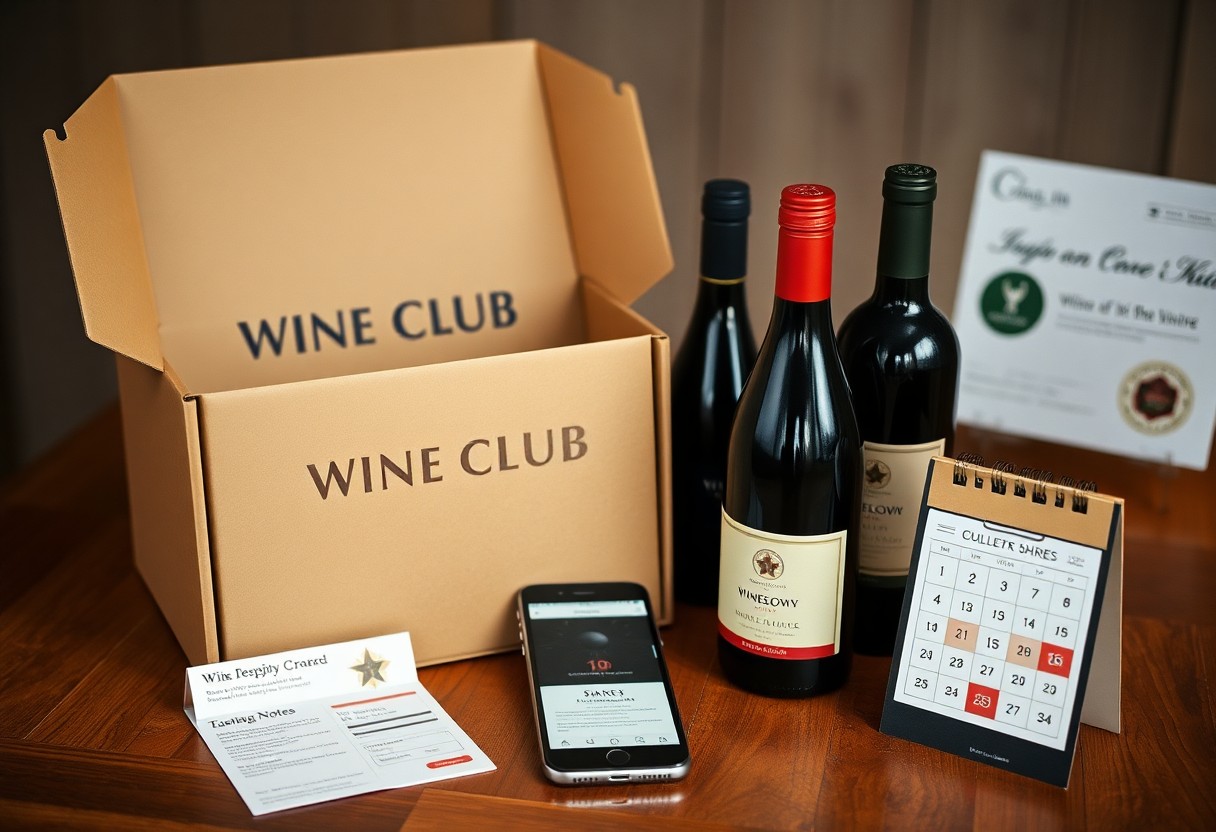
A wine club is a subscription service that delivers curated bottles to your door, often in quantities from 2-6 bottles monthly. Clubs use sommeliers or algorithms to select wines, giving you access to limited allocations, tasting notes, and discounts of 10-25%. Many offer themed shipments-region, varietal, or food-pairing-and member-only releases. Recognizing the variety lets you choose a club that matches your palate, budget and desired frequency.
- wine club
- subscription
- curation
- allocations
- sommeliers
| Frequency | Monthly, bimonthly, or quarterly options |
| Bottle count | Typically 2-6 bottles per shipment |
| Price range | $30-$200+ per shipment depending on tier |
| Perks | Member discounts, tasting notes, exclusive releases |
| Commitment | Flexible plans or fixed-term memberships |
Types of Wine Clubs
You’ll encounter regional clubs (California, Bordeaux), sommelier-curated selections, winery direct memberships, and premium collector clubs; prices can run from under $30/month to over $150/month. Regional clubs often send 2-4 bottles while allocation clubs grant access to limited, often under-500-bottle releases. Some services focus on organic or natural wines, others on value or rare vintages. Recognizing which type matches your collecting goals and drinking habits prevents surprises.
- regional
- curated
- winery-direct
- allocation
- organic/natural
| Club type | Regional, curated, winery-direct, allocation, organic |
| Typical bottles | 2-4 for regional; variable for collectors |
| Price range | $30-$200+ depending on rarity |
| Best for | Casual drinkers, collectors, or value seekers |
| Example perks | Exclusive releases, tasting events, member discounts |
Digging deeper, you should evaluate cancellation windows, shipping fees (commonly $10-$25), and whether the club allows substitutions or bottle swaps; many offer member discounts of 15-25% on additional purchases and occasional allocations limited to a few hundred bottles. Virtual tastings and curated pairing guides add ongoing education and value. Recognizing these operational details ensures your membership delivers wines you’ll actually enjoy and collect.
- shipping fees
- cancellation policy
- member discounts
- virtual tastings
- bottle swaps
| Factor | Typical range / impact |
| Cancellation | No-fee monthly vs. fixed-term contracts |
| Shipping | $10-$25 domestic; more for expedited or international |
| Discounts | 15-25% on member purchases |
| Extras | Tasting notes, pairing guides, virtual events |
| Allocations | Access to limited releases, often hundreds of bottles |
Benefits of Joining a Wine Club
When you join, you get hand-selected bottles delivered regularly-most clubs send 3-6 bottles per shipment-so you discover new producers without hunting. You often save 10-30% per bottle compared with retail and gain exclusive releases or allocations not sold in stores. If you want to start something social, see How to Start a Home Wine Club with Friends.
Curated Selections
Clubs employ sommeliers or tasting panels who sample dozens monthly and send you a curated mix-think single-vineyard Cabernet, small-batch Riesling, or limited Rosé-so you avoid filler labels. You’ll typically receive notes on terroir, pairing tips, and production runs (often under 1,000 cases), which helps you explore regions like Oregon Pinot or Rioja Gran Reserva with confidence.
Cost-Effectiveness
Membership discounts, bundled pricing, and occasional free shipping mean you can save 20-30% per bottle versus buying retail; for example, a $25 bottle might cost you $18 as a member. Many clubs waive shipping above a minimum spend and offer introductory credits, so your effective per-bottle cost falls even further.
Looking at annual impact, if you get six bottles monthly and save $7 each, that’s roughly $504 saved per year. Factor in member credits, tasting-event discounts, and occasional premium allocations and savings can exceed $600 annually, though watch for enrollment fees or minimum commitments that may offset short-term gains.
The Convenience Factor
Auto-delivery and curated selections mean you stop agonizing over labels each month; instead, automated shipments arrive with bottles matched to your stated tastes, saving you hours of research and store trips. Many clubs let you set shipment size (common options: 3-, 6-, or 12-bottle packs), skip shipments, or pause the account, and some offer an introductory discount of around 10-30% on the first box.
Simplified Selection Process
Quizzes that ask about sweetness, body, preferred regions, and grape varieties let you skip blind shopping: you answer a few questions and the club’s algorithm plus sommelier team curates a box. You can also exclude grapes or styles, swap individual bottles in most plans, and rely on tasting notes and pairing suggestions so your next bottle consistently fits your palate.
Delivery Options
You choose cadence-monthly, bimonthly, or quarterly-and delivery method; many clubs offer doorstep shipping, local pickup, or distribution-hub fulfillment to speed transit. Be aware that state alcohol laws and signature/ID requirements can affect timing and may cause failed-delivery fees if you’re not available to accept the shipment.
Typical frequencies are monthly, every 60 days, or quarterly, and most clubs let you pick a shipment size and swap bottles before the cutoff date. Shipping costs commonly fall in the range of about $10-25 per box depending on weight and state; some providers waive shipping over a minimum purchase. You’ll also see tracking, delivery windows, and signature-on-delivery policies-choose a club that offers skip/pause controls and clear fee disclosure to avoid surprises.
Discovering New Wines
You’ll get curated shipments that push beyond store shelves: monthly or quarterly boxes of 3-12 bottles introduce varietals like Albariño, Tannat, and Grüner Veltliner alongside classics, complete with tasting notes and pairing ideas. Many clubs include limited-release or library bottles, so you can sample a 2014 Rioja Reserva or a small-producer single-vineyard Pinot Noir without chasing dozens of retailers.
Access to Exclusive Wines
You benefit from club-negotiated allocations that put limited-production releases and members-only bottlings in your hands-single-vineyard bottlings, allocation-only Napa Cabs, or barrel samples often reserved for direct customers. Because clubs consolidate demand, you can try wines produced in runs of a few hundred cases or access back-vintages that seldom appear on local shelves.
Educational Opportunities
You receive more than bottles: tasting notes, aroma wheels, and monthly 45-60 minute virtual seminars led by sommeliers or winemakers, plus palate-training exercises and pairing guides. Many clubs pair each shipment with a lesson plan-blind-tasting techniques, acidity and tannin drills, and food-match practice-so your tasting skills improve as you sample.
Beyond basics, you can join structured programs-for example, a 6-month track that sends 3 bottles per month, a live class, and weekly exercises where you practice blind-tasting 10 wines and track progress. Some clubs include sensory kits with 6 aroma vials, others offer 1:1 sommelier consultations or cellar-rotation advice; shipment prices commonly range from $30-$150, letting you scale instruction and spending to your goals.
Personalization in Wine Clubs
Tailored Recommendations
By combining your tasting quiz results with past orders, many clubs match you to wines you’ll enjoy; a typical shipment is 3-6 bottles, chosen from regional varietals and small-production labels. You’ll often complete a 10-question palate quiz and receive selections adjusted monthly, so clubs can surface bottles that fit your profile rather than random picks.
Preferences and Feedback
When you set preferences you can specify sweetness, body, price range, or exclusions like sulfite sensitivity and receive swaps or skips; many clubs let you update preferences anytime and choose between curated or self-selected boxes. Your tasting notes and star ratings feed back into the system so future shipments align with what you actually prefer.
Using 1-5 star ratings and short tasting notes gives the algorithm concrete signals; after about three shipments most systems have enough data to reduce mismatches. You can also flag allergies or intolerances, request more reds or fewer high-tannin wines, and review past boxes – practical controls that turn passive deliveries into a tailored tasting journey.
Choosing the Right Wine Club
Factors to Consider
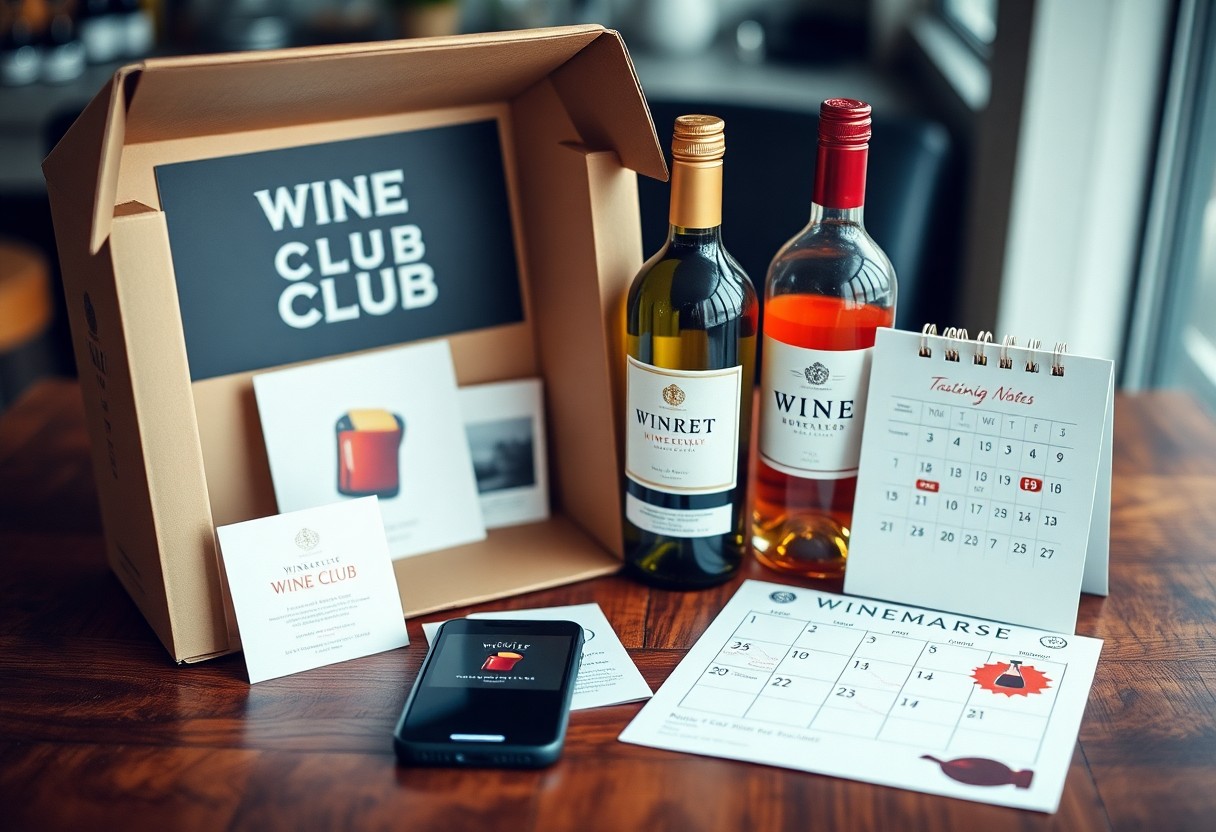
When you compare clubs focus on concrete metrics: bottle count, price tiers, and minimum commitments-many clubs send 3-6 bottles per shipment, with prices commonly between $30-$150 and monthly or quarterly plans. You should also verify shipping policies, return windows, and whether the club lists producers and vintages to ensure provenance and quality. The match between your palate and the club’s focus determines long-term satisfaction.
- Price: tiers and shipping fees
- Variety: single-region vs mixed selections
- Frequency: monthly, quarterly, or one-off
- Customization: ability to set preferences or skip
- Shipping: cost, restrictions, and delivery guarantees
Reviews and Comparisons
You should prioritize clubs with consistent, independent praise: aim for an average rating above 4.0/5 from at least 200 reviews and mentions in outlets like Wine Enthusiast or user platforms such as Vivino. Compare comment timelines over 6-12 months to spot patterns, and treat repeated reports of late shipments or corked bottles as red flags. The aggregate view lets you separate marketing from reliable service.
Review Metrics
| Average Rating | >= 4.0 / 5 |
| Review Count | >= 200 reviewers |
| Time Window | 6-12 months consistency |
| Independent Mentions | Wine Enthusiast, Vivino, trusted blogs |
For deeper comparison you should map features to your priorities: track upfront costs, cancellation terms, and whether clubs provide tasting notes, producer bios, or pairing suggestions-these indicate curation quality. Look at trial or one-off boxes to test value: a 3-bottle trial under $60 with full tasting notes is a strong signal of transparency. The better-aligned features reduce surprises and increase enjoyment.
Comparison Factors
| Shipping Cost | $10-$30 typical |
| Trial Options | One-off box or discounted first shipment |
| Cancellation Window | 7-30 days depending on club |
| Customization Level | High (preferences) vs Low (curated only) |
Summing up
Following this, wine clubs streamline your monthly selection by curating varied bottles, providing tasting notes and pairing suggestions, and handling logistics so you avoid decision fatigue and impulse buys. Subscriptions match your preferences and introduce new regions and styles with expert picks, saving you time, reducing guesswork, and often delivering value through member pricing and exclusive releases. You get consistent discovery, education, and convenient delivery that make refining your palate effortless.
FAQ
Q: How do wine clubs simplify the monthly selection process?
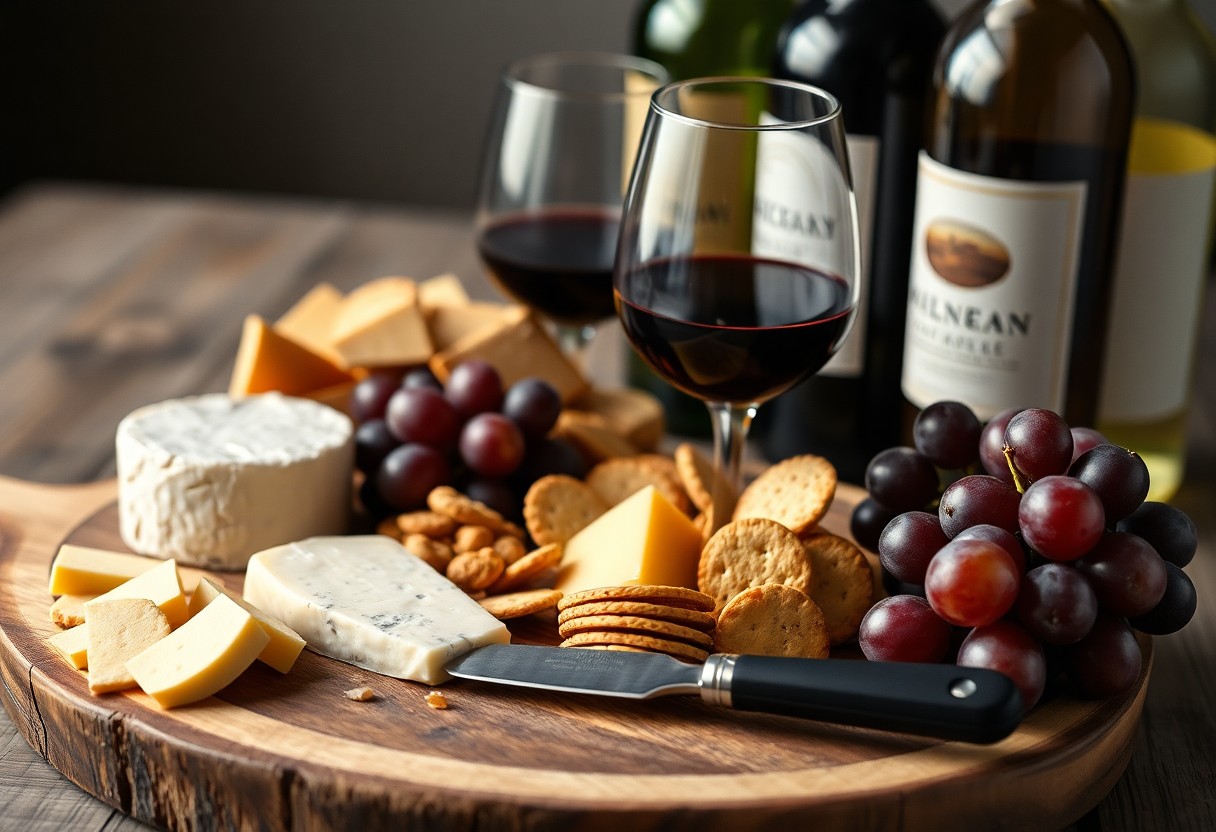
A: Wine clubs remove guesswork by delivering pre-selected bottles each month chosen by sommeliers or tasting teams. Selections are curated around themes, regions, or styles, and come with tasting notes and food-pairing suggestions so you don’t need to research or shop. Regular shipments eliminate last-minute store runs and reduce decision fatigue, while curated variety ensures balanced rotations instead of repeating the same bottles.
Q: Can a wine club tailor monthly choices to my personal preferences?
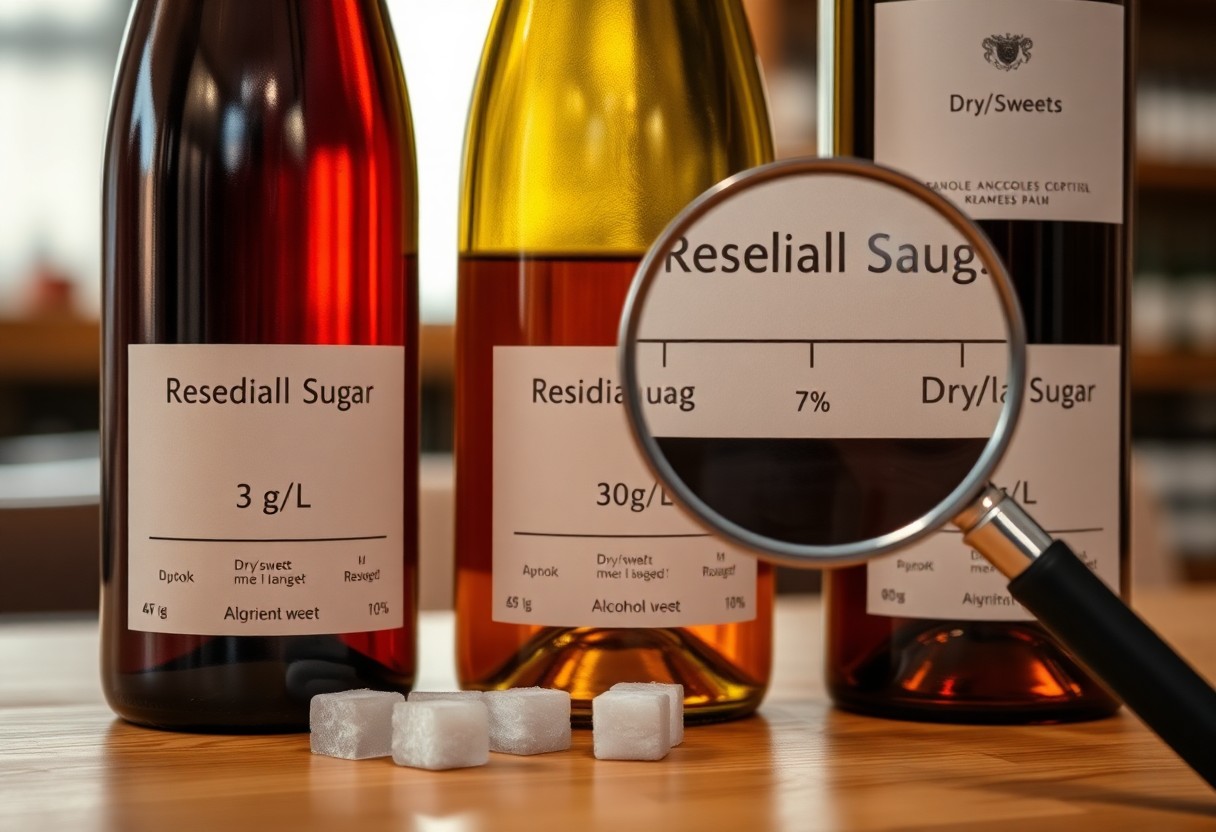
A: Most clubs start with a preference survey (grape varieties, sweetness level, budget) and use that input plus member feedback to refine future shipments. Many combine algorithmic recommendations with sommelier oversight, let you swap or skip specific bottles, and offer tiered plans for different intensity of exploration. Ongoing feedback loops mean selections get more aligned with your taste the longer you subscribe.
Q: What logistical and cost advantages make wine clubs an easy monthly option?
A: Subscriptions provide predictable billing and scheduled delivery, often with tracked shipping and protective packaging to prevent breaks. Clubs frequently offer member discounts, volume pricing per bottle versus retail, and introductory deals to lower initial cost. Flexible policies-skip a month, pause, change plan, or return damaged bottles-make management simple, while included tasting notes, virtual events, and pairing guides add value beyond just the bottles.