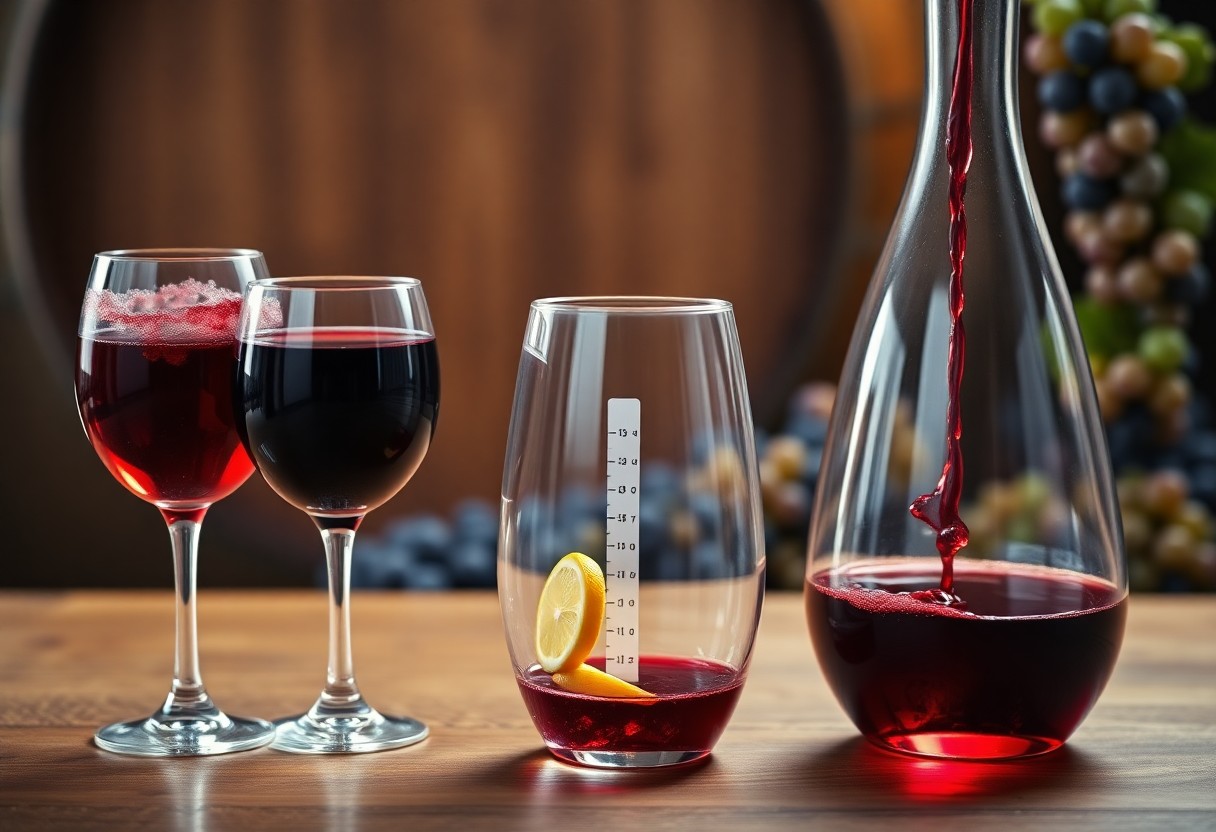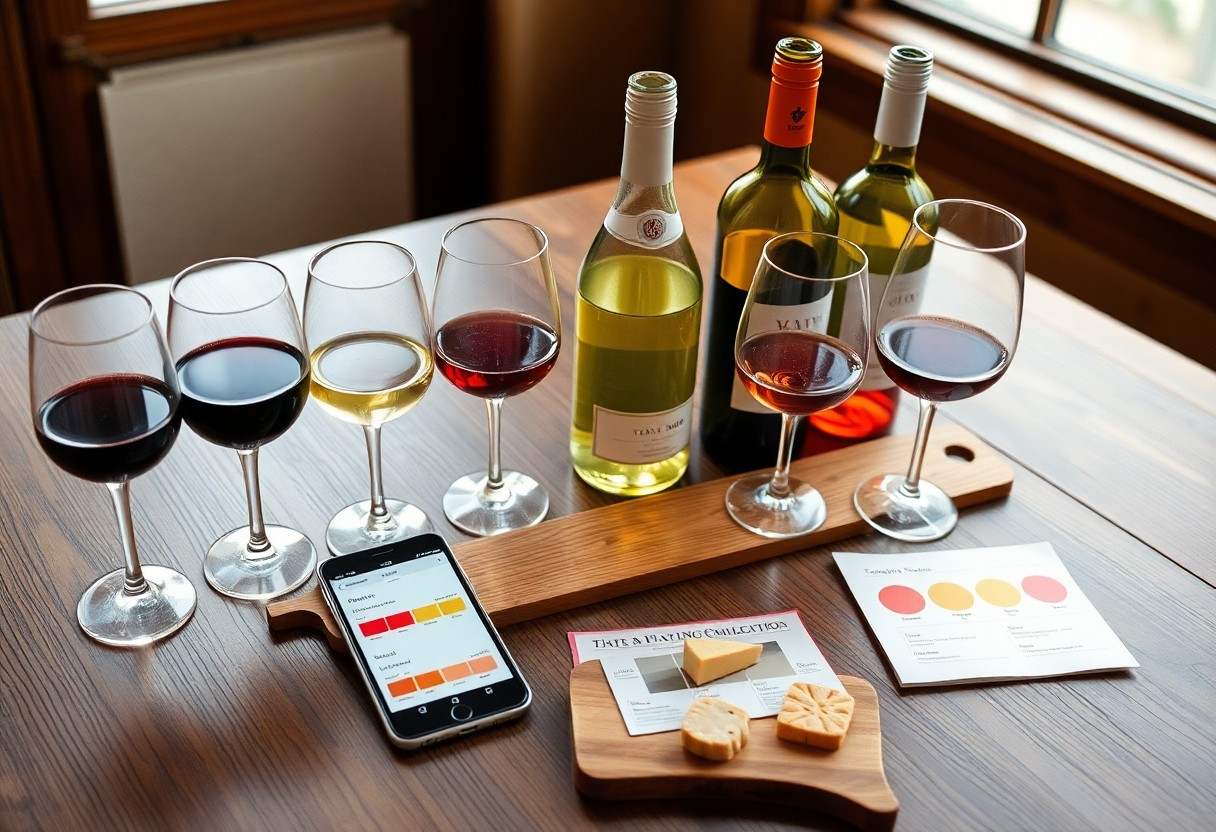
You will learn to read tannins, acidity and body to judge balance; strong tannins can cause astringency while bright acidity refreshes and full body delivers mouthfeel, helping you pair wines confidently.
Key Takeaways:
- Tannins come from grape skins, seeds, and oak; they produce a drying, astringent grip that softens with age and pairs well with fatty or protein-rich foods.
- Acidity provides freshness and lift, felt as tartness or mouthwatering sensation; higher acidity brightens flavors, balances richness, and keeps wines tasting lively.
- Body describes a wine’s weight and texture, driven by alcohol, sugar, and extraction; light-bodied wines feel delicate while full-bodied wines coat the mouth, so match body to dish intensity.

Understanding Wine Body and Weight
Body informs how heavy a wine feels on your palate; check how tannins, alcohol and glycerol interact with acidity via Understanding the Five Key Wine Traits: Tannins, Acidity … Perceiving weight helps you match wines to food and mood.
- Body
- Alcohol
- Glycerol
- Tannins
How to Categorize Light vs. Full-Bodied Profiles
Compare mouthfeel clues-body, alcohol and residual sugar-to place wines as light, medium or full-bodied. Perceiving those cues lets you set expectations before the first sip.
- Light-bodied
- Medium-bodied
- Full-bodied
Factors That Define Mouthfeel and Viscosity
Texture depends on tannins, acidity, alcohol and glycerol levels; each alters grip, slickness and thickness. Perceiving these lets you describe mouthfeel precisely.
- Tannins
- Acidity
- Alcohol
- Glycerol
Deeper explanation: you assess tannin grain (coarse versus fine), acidity bite (sharpness), and alcohol warmth (heat), plus glycerol-driven viscosity that creates coating. Perceiving subtle interactions will refine tasting notes and pairing choices.
- Tannin grain
- Acidity bite
- Alcohol warmth
- Glycerol
To wrap up
Summing up you can assess tannins by dryness and grip, acidity by brightness and balance, and body by weight on your palate; use tasting, food pairing, and aging potential to judge harmony, then choose wines whose tannin, acid and body match the dish and your preference.
FAQ
Q: What are tannins, acidity, and body in wine, and how do they differ?
A: Tannins are polyphenolic compounds from grape skins, seeds, and oak that create a drying, astringent sensation on the gums, inner cheeks, and tongue. Acidity consists of organic acids such as tartaric, malic, and lactic acid and contributes to brightness, freshness, and mouth-watering lift; acidity is commonly quantified as total acidity (TA) and pH, with lower pH producing a sharper sensation. Body describes the perceived weight and texture of a wine on the palate, ranging from light to full, and is influenced by alcohol level, residual sugar, glycerol, and extraction during winemaking. Common examples show these traits clearly: Cabernet Sauvignon and Nebbiolo often display pronounced tannins and full body, Pinot Noir tends toward softer tannins and lighter body, and Riesling or Sauvignon Blanc show higher acidity than Viognier or Roussanne.
Q: How can I taste and evaluate tannins, acidity, and body when trying a wine?
A: Assess tannins by noting astringency and dryness where the wine touches your gums and cheeks; higher tannin wines feel gripping and can leave a slightly bitter finish. Evaluate acidity by paying attention to the sides of the tongue and the back of the mouth for a tingling, mouth-watering sensation that makes fruit flavors more vivid. Judge body by sensing how heavy or light the wine feels, considering alcohol warmth, viscosity, and how long flavors linger; swirl the wine, take a small sip, let it coat your mouth, and then pay attention to weight and finish. Compare wines side-by-side, taste at proper serving temperatures, and try small food bites with the wine to reveal how acid and tannin change in context.
Q: How do tannins, acidity, and body influence food pairing and aging potential?
A: Tannins bind with protein and fat, softening their astringency when paired with red meats, fatty cheeses, or rich sauces, which explains why tannic reds pair well with steak or lamb. Acidity cuts through richness and refreshes the palate, making high-acid whites and lighter reds excellent with oily fish, cream-based dishes, or tomato sauces. Body determines how a wine balances with a dish: light-bodied wines complement delicate flavors like poached fish or salads, while full-bodied wines match hearty stews and roasted meats. Regarding aging, wines with sufficient acidity and firm tannins-examples include classic Bordeaux blends, Barolo, and some high-acid Rieslings-develop complexity and maintain balance over years, while low-acid, light-bodied wines usually age more briefly. Techniques such as decanting or short-term bottle aging can soften tannins and integrate body for earlier enjoyment.