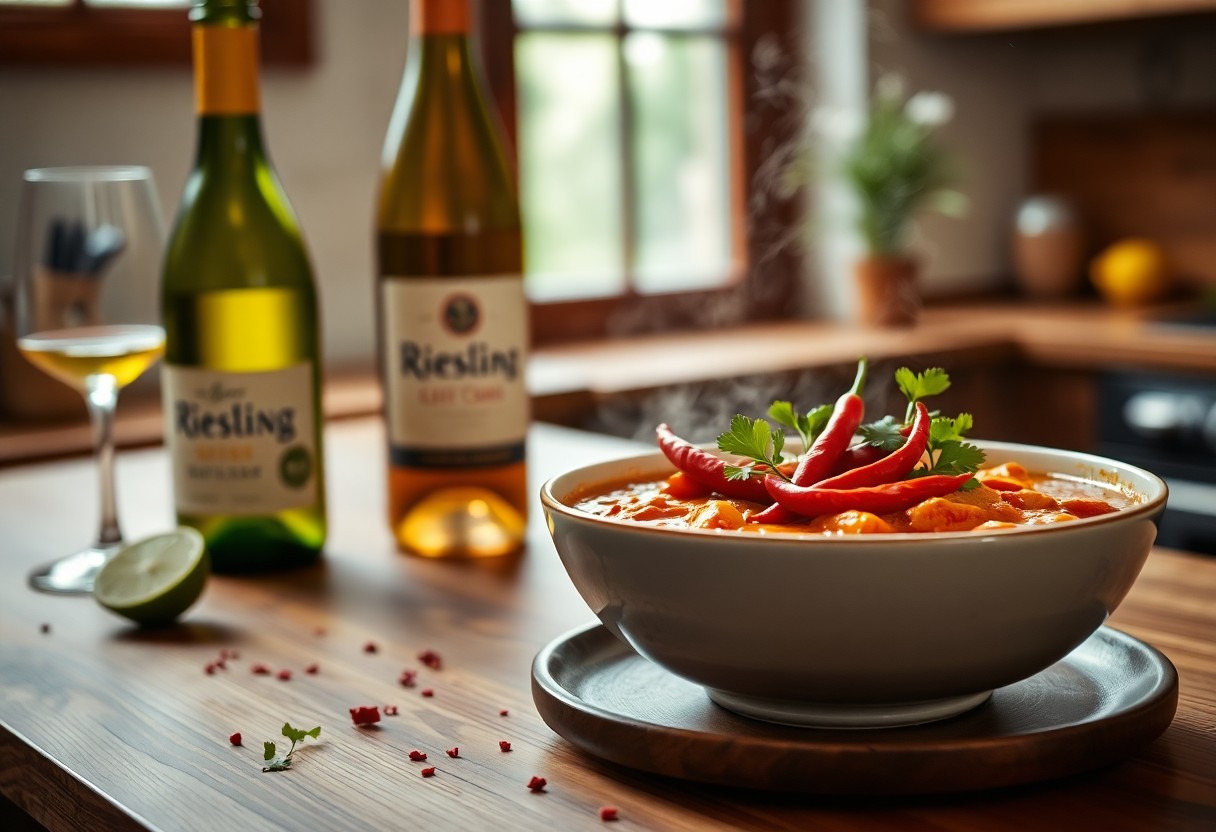
Over time you’ll master pairing by following simple rules: match weight, pair acidity with fat, and avoid heavy tannins with delicate fish; you’ll find a chilled white lifts salads while a light red complements roasted chicken, giving confident, tasty results.
Key Takeaways:
- Match wine weight to food weight: light dishes like salads, fish, or chicken pair with light-bodied whites or lighter reds; hearty dishes like beef, braises, or stews pair with fuller-bodied reds.
- Pair wine acidity with the dish’s acidity and richness: high-acid wines (Sauvignon Blanc, Vermentino, sparkling) cut through fatty or creamy sauces, while lower-acid wines suit delicate flavors.
- Use dominant flavors and seasoning to choose varieties: tomato- or herb-forward dishes work well with Sangiovese or Chianti, and spicy or sweet-spicy foods pair nicely with off-dry Riesling or Gewurztraminer.
How to Match Wine with Common Proteins
Balance protein intensity with wine weight: when you cook delicate fish or chicken, pick lighter whites; for rich, fatty meats, pick fuller-bodied reds. Aim to match intensity and consider sauce and seasoning to guide your choice.
Selecting Whites for Poultry and Seafood
Select crisp, low-oak whites for delicate seafood and brighter, medium-bodied whites for roasted or herb-seasoned poultry. High acidity cuts through richness while subtle oak complements browned skin; adjust for lemon, cream, or spicy sauces.
Choosing Bold Reds for Beef and Pork
Choose big, tannic reds for grilled or well-seasoned beef; for pork, pick medium-bodied reds with softer tannins if sauce is sweet. Let tannins meet fat and char to create balance; avoid overpowering delicate preparations.
Focus on the cut and cooking method: if you grill ribeye or skirt steak with char, pair with high-tannin Cabernet or Syrah to tame fat; if you slow-braise beef, choose Merlot or Malbec’s ripe fruit. For pork, when you use sweet glazes, try Grenache or Zinfandel; keep acidity up for fatty dishes. Match tannin to fat and acid to sweetness for consistent results.
How to Balance Heat and Spice
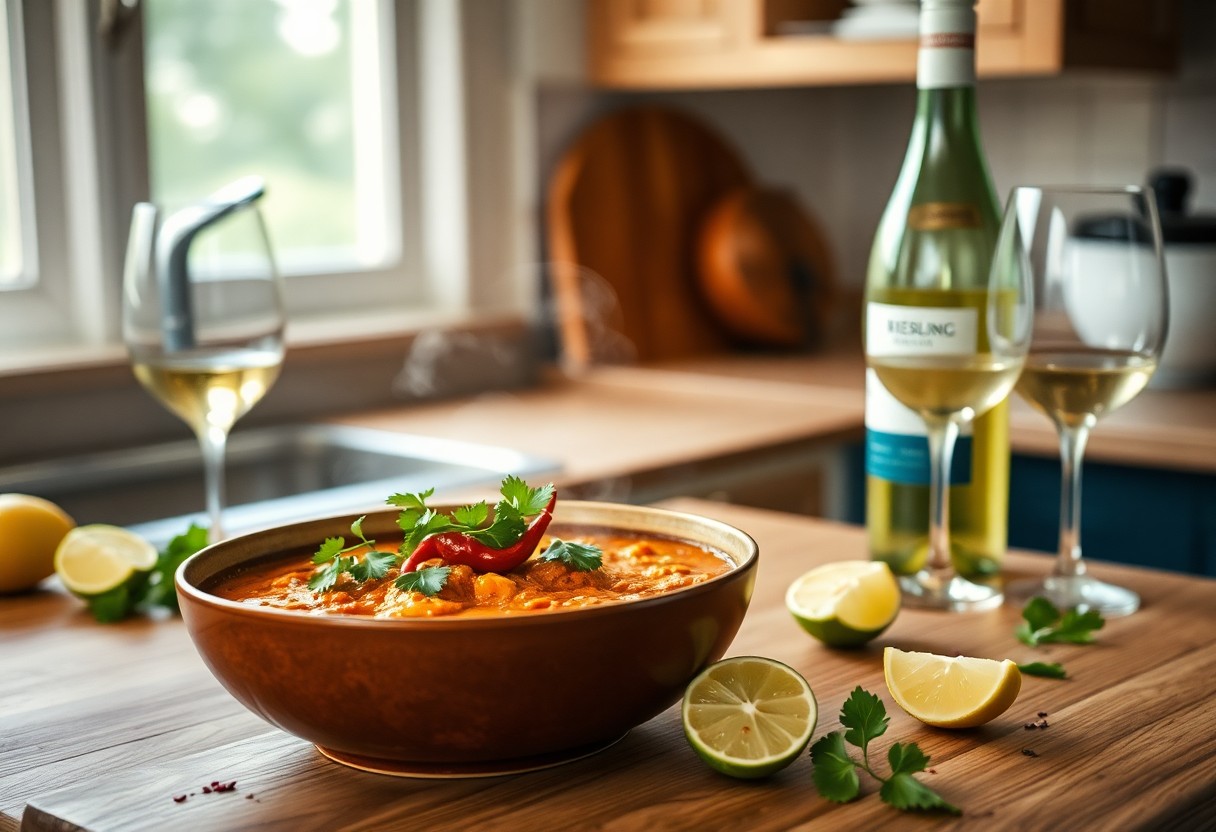
Heat tames when you pair spicy dishes with wines that offer moderate sweetness or high acidity; avoid high-alcohol reds that amplify spice. Try tips from 10 Tips for Great Wine and Food Pairings to refine matches.
Utilizing Low-Alcohol Wines for Spicy Cuisine
Choose lower-alcohol wines so you don’t amplify heat; you’ll get a cooling effect and preserve dish flavors. Look for Riesling Kabinett, Vinho Verde, or fruit-forward rosés to soften spiciness without losing balance.
Matching Off-Dry Varietals with Fusion Flavors
Pair off-dry whites with spicy-sweet sauces to highlight flavor; you’ll appreciate the balancing sweetness that cools heat and complements aromatic spices.
You should favor Gewürztraminer, off-dry Riesling, or slightly sweet Chenin Blanc with fusion dishes; their aromatic fruit and gentle sugar tame chili and soy-based sauces. Avoid heavy tannins-tannic reds will clash and make spices harsher. When in doubt, chill the wine slightly to emphasize refreshment and balance.
Expert Tips for Convenience and Comfort Foods
Choose simple pairings with convenience and comfort foods in mind: pick wines that match salt, fat, or sweetness. Recognizing how acidity and effervescence cut through grease helps you choose.
- convenience
- comfort foods
- pairing
Pairing Sparkling Wines with Fried Favorites
Crisp sparkling wines cut through fried fat, refresh your palate, and match batter seasoning, so you should reach for brut or extra‑brut with fries or tempura.
High-Acid Selections for Salty Snacks
Bright, zesty wines like unoaked Sauvignon Blanc or dry Riesling tame salt and make chips, olives, or anchovies sing for you.
If you pair high‑acid whites with salty snacks, the acidity will cleanse your palate and balance sodium; avoid heavily tannic reds or oaky, high‑alcohol wines that can turn metallic against salt, and match intensity so the wine doesn’t overwhelm the snack.
Final Words
With this in mind you can trust simple pairing rules-match acidity to acidity, weight to weight, and spice to sweetness-to make everyday meals sing; taste as you cook, favor balance, and choose affordable wines you enjoy to consistently pair with dishes you already prepare.
FAQ
Q: How do I pick a wine that works with the main protein in a dish?
A: Identify the dominant element in the dish: cut, cooking method, or sauce. For roast chicken with herbs or lemon, choose a crisp white such as Sauvignon Blanc or an unoaked Chardonnay. For salmon and other oily fish, reach for a fuller white like oaked Chardonnay or a light red such as Pinot Noir. For lean white fish, pick a high-acid white like Albariño or Vermentino. For pork with sweet glazes, try off-dry Riesling or a medium-bodied red like Grenache. For beef, match intensity: rich, fatty cuts pair with fuller reds such as Cabernet Sauvignon or Syrah; leaner cuts suit medium-bodied reds such as Merlot or Pinot Noir. Balance weight and flavor: lighter dishes with lighter wines, richer dishes with fuller wines.
Q: What should I serve with tomato-based pasta, pizza, or creamy pasta sauces?
A: Match the sauce’s acidity and richness. Tomato-based sauces are high in acid and can make tannins taste harsher, so choose high-acid, low-tannin reds like Sangiovese (Chianti), Barbera, or a young Tempranillo; chilled light-bodied reds also work. Creamy, butter- or cream-based pastas pair with richer whites such as oaked Chardonnay, Viognier, or a fuller-bodied white blend; a light red like Pinot Noir will also fit if you prefer red. When pizza has salty cured meats or spicy toppings, pick an aromatic red with moderate tannin or a fruity rosé; a dry sparkling wine is a great match for salty, cheesy slices.
Q: Which wines go best with everyday takeout, stir-fries, fried foods, salads, and spicy dishes?
A: For spicy Asian dishes or anything with chili heat, choose wines with a touch of sweetness and moderate alcohol, such as off-dry Riesling, Gewürztraminer, or Vouvray. Fried foods and crispy textures pair well with bubbles or high-acid whites like Champagne, Cava, Prosecco, or a zesty Sauvignon Blanc to cut through oil. Salads and herb-forward dishes suit crisp, herbaceous whites such as Sauvignon Blanc or Grüner Veltliner. Burgers and grilled sandwiches work with juicy reds like Malbec, Zinfandel, or Syrah; rosé and chilled lighter reds handle summer BBQs and spicy condiments. When in doubt, pick a versatile rosé, a Pinot Noir, or an off-dry white-their balance of acidity and fruit makes them safe companions for many everyday meals.