There’s a simple method you can use to turn weeknight dinners into restaurant-quality experiences by matching wines to ingredients and sauces; when you understand balance, bright acids lift rich flavors and light wines prevent overpowering delicate dishes, helping you highlight textures and aromas. With a few basic rules you can consistently boost flavor, reduce wasted bottles, and enjoy meals more fully without expertise.
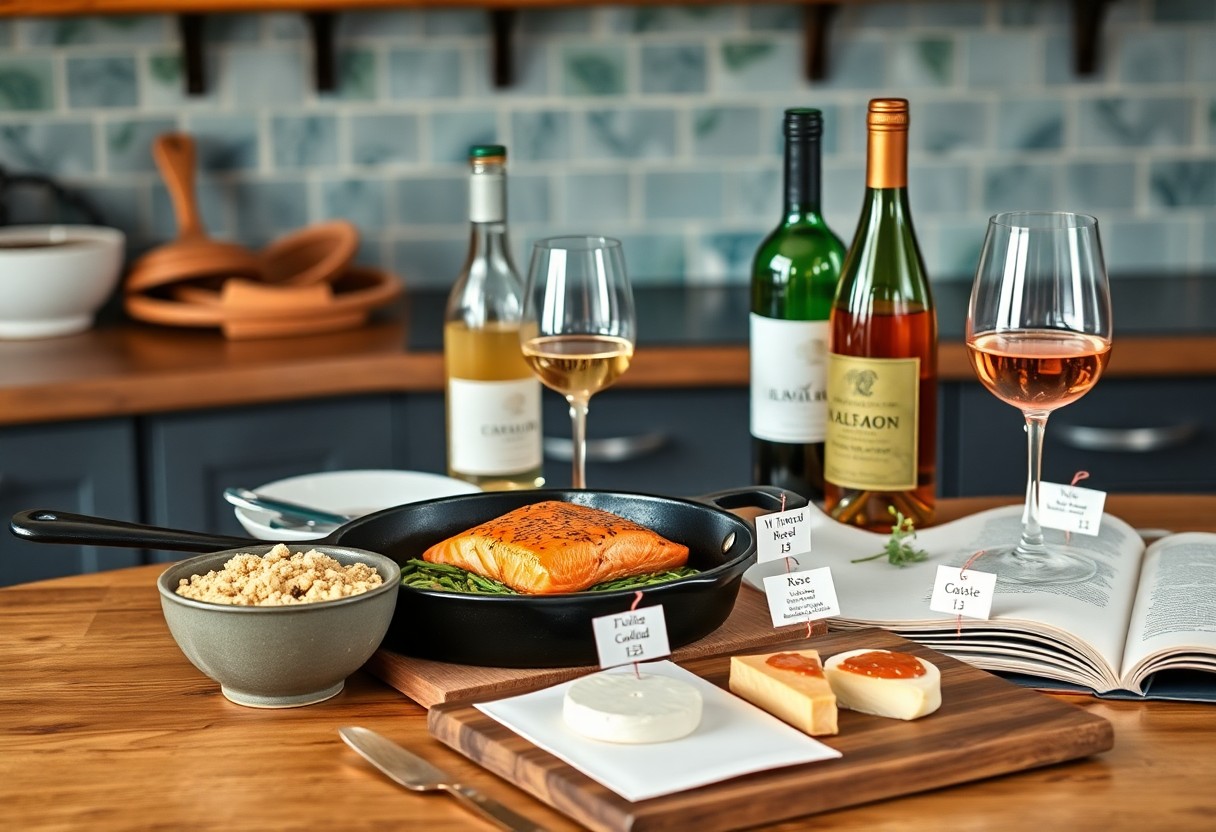
Key Takeaways:
- Enhances flavors by matching wine body and acidity to dish elements, making simple ingredients taste more layered and enjoyable.
- Simplifies cooking choices-using versatile pairings (e.g., crisp whites with salads/seafood, light reds with roasted chicken) elevates everyday meals without extra effort.
- Turns routine dinners into an experience: pairing encourages experimentation, sparks conversation, and makes leftovers more appealing.
The Importance of Wine Pairing
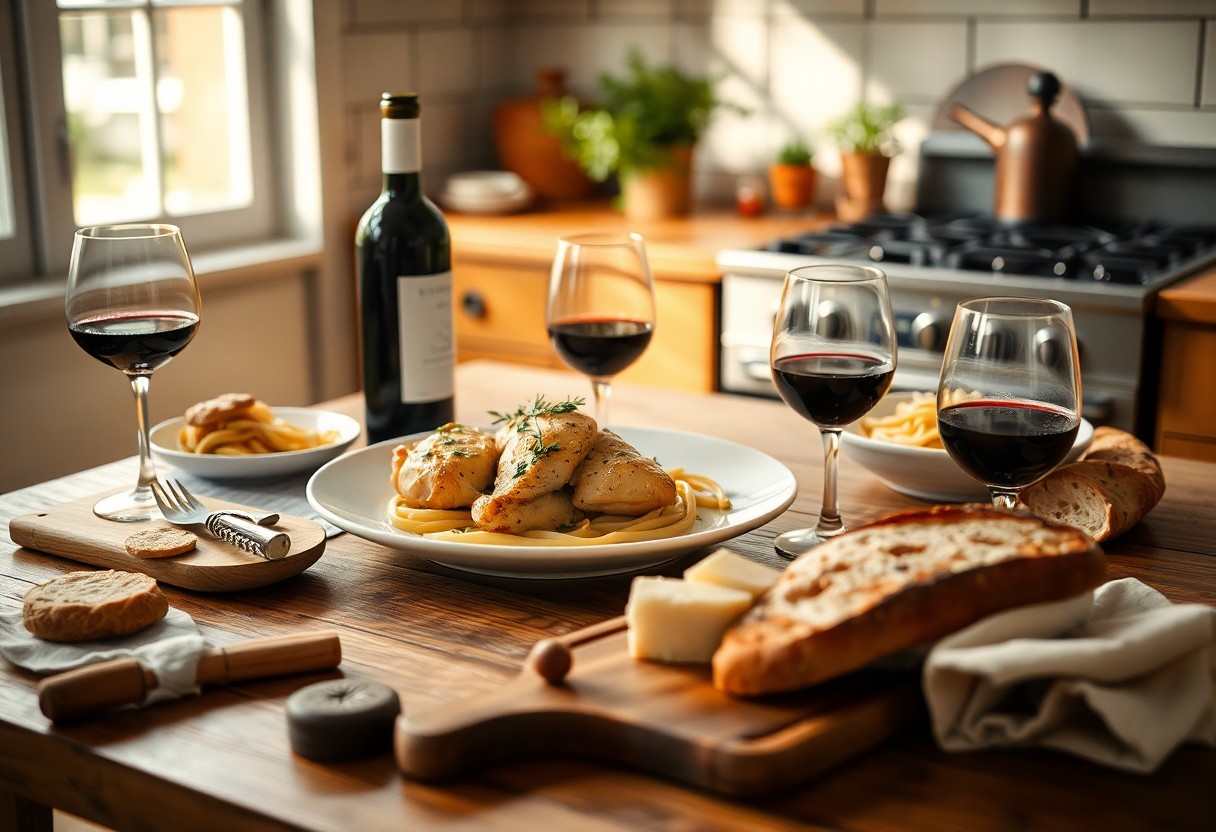
When you pair wine with everyday meals you turn simple dishes into more satisfying experiences by aligning wine structure with food texture and flavor. For example, white wines at pH ~3.0-3.3 will cut through fatty sauces, while reds with higher tannin content soften against protein. Practical pairings-Sauvignon Blanc with lemony salads, Pinot Noir with roast chicken-show how a small switch can lift a home-cooked plate into something memorable.
Enhancing Flavors
You can amplify specific ingredients by choosing wine components that echo or contrast them: bright acidity in a 12% ABV Sauvignon Blanc heightens tomato and citrus, whereas a peppery Syrah brings out char on grilled lamb. Sweetness in an off-dry Riesling (~20 g/L RS) will calm chili heat, and light oak in a 13% Chardonnay adds vanilla that complements browned butter. Use these matches to make single elements pop.
Creating Balance
You should aim to match the wine’s weight to the dish’s intensity so one doesn’t overwhelm the other; light dishes pair with 11-13% ABV wines, richer meals work with 13.5-15% wines. Tannins bind with proteins to reduce astringency, so a tannic Cabernet suits steak, while spicy food can become bitter with high-tannin wines-avoid that clash. Balance restores harmony on the plate and in the glass.
For more precision, use concrete swaps: creamy pasta favors a medium-bodied oaked Chardonnay (12.5-14% ABV) to mirror texture, grilled ribeye calls for a high-tannin Cabernet (13.5-15% ABV) to stand up to fat, and spicy Thai is best with an off-dry Riesling (~15-20 g/L RS) to temper heat. Regional pairings-Italian Chianti with tomato-based dishes-are practical shortcuts when you want reliable results.
Choosing the Right Wine
Understanding Wine Types
You can match broad styles-light, medium, full-bodied-to dishes: think Sauvignon Blanc (12-13% ABV) with citrusy salads, Pinot Noir (12-14%) for mushroom risotto, or Cabernet Sauvignon with grilled steak. Examples: a 2018 Loire Sauvignon cleaned the palate with goat cheese; a 2016 Burgundy softened with roasted chicken. Thou might reach for a chilled rosé for spicy food to keep heat balanced.
- White – bright acidity, pairs with seafood and salads.
- Red – more tannins, suits roasted meats and umami.
- Rosé – versatile, bridges spicy and fatty dishes.
- Sparkling – high acidity, good with fried foods and creamy sauces.
| Wine Type | Typical Pairings |
| Sauvignon Blanc | Goat cheese, green vegetables, lemony dressings |
| Chardonnay | Buttery fish, roasted poultry, creamy sauces |
| Pinot Noir | Mushrooms, salmon, light game |
| Cabernet Sauvignon | Grilled beef, aged cheddar, black pepper |
| Rosé / Sparkling | Spicy dishes, fried food, picnic fare |
Factors to Consider
When you choose, weigh acidity, tannin, body, sweetness and alcohol versus the dish: high-acid tomato sauces need a wine with matching acidity, while fatty dishes benefit from bright acidity or bubbles. For spicy cuisine, lower alcohol and a touch of sweetness calm heat; for bitter greens, softer tannins work better. Assume that matching intensity avoids one element overpowering another.
- Acidity – balances fatty or tomato-based dishes.
- Tannin – can clash with spice; pairs with red meat.
- Body – light dishes need lighter wines.
- Alcohol – higher ABV increases perceived heat.
You should test simple swaps at home: try a 2019 Riesling (8-10 g/L residual sugar) with a spicy stir-fry, or a 14% ABV Zinfandel with barbecued ribs to see how sweetness and alcohol interact; consider service temperature-reds at 15-18°C, whites at 8-12°C-for optimal balance. Assume that small experiments teach you which matches elevate your cooking most.
- Sugar – off-dry wines tame chili spice.
- Serving Temp – changes perception of acidity and alcohol.
- Intensity – match wine weight to dish weight.
- Cost vs Occasion – everyday bottles can outperform poor pairings.
Pairing Wine with Food
Match intensity to your dish: delicate flavors call for light-bodied wines while rich sauces and red meat need fuller-bodied bottles. For instance, serve a 11-12% ABV Pinot Grigio with lemony seafood and a 14-15% ABV Cabernet Sauvignon with ribeye. Pay attention to acidity, sweetness and tannin so you don’t obscure flavors; tannic reds can make lean fish taste metallic and off-dry whites calm spicy heat.
Classic Pairing Principles
Balance acidity, sweetness, tannin and body to complement what you cook. Acidic wines like Sauvignon Blanc cut fat from creamy dishes, while tannic wines such as Cabernet or Syrah pair best with protein-rich cuts. Use regional matches-Chianti with tomato-based pasta, Rioja with grilled lamb-to simplify choices. When you test one pairing per course, patterns emerge quickly; avoid high-tannin wines with delicate seafood to prevent harsh bitterness.
Experimenting with Unique Combinations
Try contrast and harmony: an off-dry Riesling (8-12% ABV) often tames spicy Thai or Sichuan heat, while a rich Zinfandel can enhance grilled barbecue. You might pair savory blue cheese with a late-harvest dessert wine for striking sweet-salty balance. Keep an open mind-dark chocolate and Zinfandel frequently surprise in a positive way-and if you’re sulfite-sensitive choose low-sulfite or natural wines to avoid reactions.
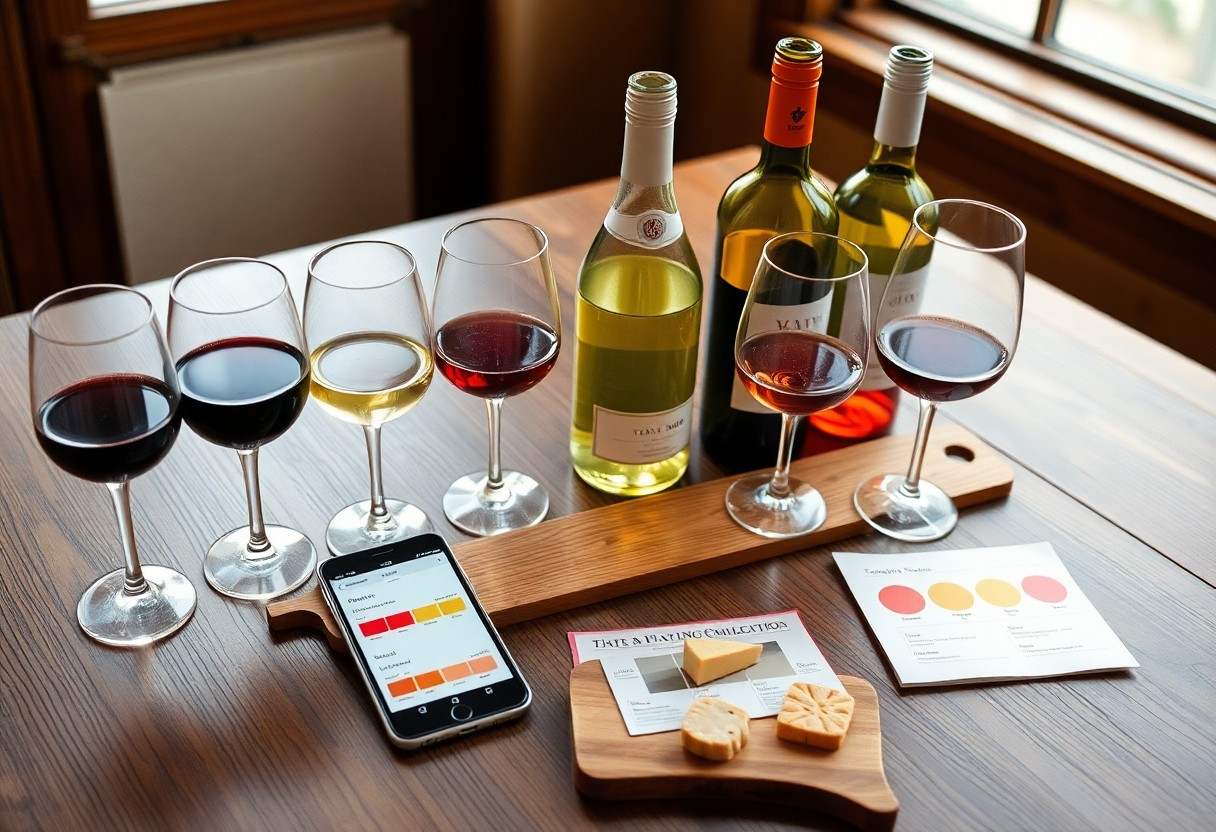
When you experiment, run a simple tasting: pick three wines-light, medium, off-dry-serve two contrasting bites (fatty and spicy), then rate sweetness, acidity and heat on a 1-5 scale to spot what works. In a quick home test many tasters find off-dry Gewürztraminer or Riesling reduces perceived chili heat and lifts citrus notes. Take notes, make incremental swaps, and start small and avoid sulfite-rich options if you have sensitivities.
Practical Tips for Home Cooks
You can make wine pairing part of your home cooking routine with small habits: taste your dish for acid and tannins, match weight and intensity, and balance sweetness. Quick checklist:
- Match light dishes with lighter wines (e.g., Sauvignon Blanc with salads)
- Use acid to cut fatty foods (Chablis or Albariño)
- Pair grilled meats with higher tannin reds (Cabernet, Syrah)
- Keep a few versatile bottles on hand
Assume that you’ll improve by tasting and adjusting pairings as you cook.
Budget-Friendly Options
You’ll find excellent value under $15 if you favor regions like Spain’s Rioja Crianza, Chile’s Maipo Valley Cabernet, or Portugal’s Douro reds; look for 2018-2021 vintages for balanced fruit. Buy a six-pack discount, try supermarket own-brands for everyday pours, and keep a dependable value wine (Tempranillo, Malbec, Cinsault) for stews and weeknight pasta to stretch your wine budget without sacrificing flavor.
Wine Serving Techniques
You should serve wines at targeted temperatures: whites 45-55°F, rosés 45-55°F, light reds 55-60°F, fuller reds 60-65°F, and sparklings 40-50°F; chill 20-30 minutes in the fridge or 10-15 minutes in an ice bucket. Use a simple decant for young reds (15-45 minutes) and aerators for quick lift, and avoid letting delicate older bottles sit exposed to oxidation.
For more control, use a kitchen thermometer and note that dropping a 75°F bottle to 55°F takes roughly 30 minutes in a freezer wrapped in a damp towel; decant robust 2015-2019 reds for 1-2 hours but only 10-30 minutes for lighter vintages. Select glassware with a wider bowl for aromatics, pour smaller amounts to warm in your hand if needed, and watch for overheating or excessive air that mutes subtle notes.
Common Mistakes to Avoid
Mismatching Wine and Food
If you serve a bold, tannic Cabernet Sauvignon with delicate white fish, the wine will overpower the dish; conversely a high-acidity wine like Sauvignon Blanc can refresh fatty dishes. Sweetness matters: dessert requires wines with equal or greater residual sugar-Sauternes with crème brûlée is a classic example. Use the resource Food and Wine Pairings – Constrained Gourmet to check straightforward matches and avoid combinations that mask flavors.
Overcomplicating Choices
You don’t need a sommelier-level list; pick wines that match the dominant flavor and cooking fat. Start with 3 options: a light white (unoaked Chardonnay), a medium red (Pinot Noir), and a rosé; these cover 80% of weeknight meals. Chasing rare varietals or vintage obsession often derails dinner and raises cost-keep it simple to enhance, not distract.
Focus on the dominant element-sauce, fat, spice or sweetness-and match intensity rather than rarity. For spicy Thai pick an off-dry Riesling or Gewürztraminer; for tomato-based dishes choose Sangiovese or Chianti. When you match weight (light food with light wine), flavors layer instead of competing, and never open a special bottle that will be overpowered; save it for dishes that let its subtleties shine.
Elevating Everyday Meals
Serve whites at 45-55°F (7-13°C) and reds at 55-65°F (13-18°C) to let flavors open; decant young reds 20-30 minutes or older bottles 1-2 hours for best balance. For example, a 40-60 minute roast chicken pairs brilliantly with an oaked Chardonnay or a 2018 Pinot Noir, while lemony fish benefits from a crisp Sauvignon Blanc. Avoid heavy oak with delicate seafood, since overpowering tannins can mask subtle flavors.
Simple Recipes to Try
Try a 15-20 minute lemon-garlic salmon with a New Zealand Sauvignon Blanc, a 25-30 minute pan-seared chicken with rosemary paired to Pinot Noir, or a 30-40 minute spaghetti Bolognese matched to Chianti. Roast vegetables (35-45 minutes) go well with Grenache or a dry Rosé. When you cook for 2-4 people, invest 1 bottle and taste different pairings across two nights to learn what enhances your meals most.
Making Meal Times Special
Use proper stemware and pour roughly 5 oz (150 ml) per person for a relaxed tasting pace; chill whites 30 minutes in the fridge or 10 minutes in an ice bucket, and keep sparklings at 6-8°C (43-46°F). Dim lights slightly, play low-volume music, and plate thoughtfully so the wine and food feel intentional. If you decant robust reds 30-60 minutes beforehand, you’ll notice smoother tannins and better integration with savory dishes.
Structure your meal like a mini-menu: start with an aperitif (sparkling or dry vermouth), move to a light white for starters, then a medium-bodied red for mains, and finish with a sweet wine or fortified option for dessert. When you chill, decant, and time pours-whites cooled 30 minutes, reds rested 20-60 minutes-you’ll create clear contrasts that highlight flavors; keeping a short tasting note (one sentence per bottle) helps you repeat pairings that worked.
Summing up
Now you can elevate simple home cooking by using wine to highlight flavors, balance richness, and add contrast; choosing wines with complementary acidity, tannin or sweetness makes dishes taste brighter, helps you experiment confidently, and turns everyday meals into memorable experiences without complex techniques.
FAQ
Q: How does wine pairing improve everyday home meals?
A: Wine pairing sharpens and balances flavors, making simple dishes taste more intentional and satisfying. The right wine can lift acidity in tomato sauces, cut through fat in creamy dishes, highlight herbs in roasted vegetables, and add a pleasant contrast to spicy or sweet elements. Pairing also turns routine cooking into a mini ritual: choosing a bottle, tasting while you cook, and plating with a glass increases enjoyment and makes meals feel more special without extra effort.
Q: What simple rules help me choose a wine for common home-cooked dishes?
A: Match the wine’s weight to the dish (light wines with light dishes, fuller wines with richer dishes), use acidity to counter fattiness, and use sweetness to soothe heat. Complement or contrast flavors: a citrusy Sauvignon Blanc complements salads and seafood, while an off-dry Riesling contrasts spicy Asian or Mexican dishes. Practical examples: tomato-based pasta → Sangiovese or Chianti; roasted chicken → Pinot Noir or unoaked Chardonnay; creamy pasta or risotto → oaked Chardonnay or Viognier; grilled steak → Cabernet Sauvignon or Malbec; seafood and salads → Albariño or Sauvignon Blanc; pizza → Sangiovese, Barbera, or a dry rosé. Serve whites chilled (lighter whites colder), and bring medium-bodied reds slightly cool for best balance.
Q: How can I experiment with inexpensive wines to make cooking more enjoyable?
A: Start with versatile, budget-friendly bottles-dry rosé, sparkling, unoaked Chardonnay, Pinot Noir-and test small pours with the dish as you cook. Focus on the dominant component (sauce, spice, fat) rather than perfect matches for every ingredient. Keep a short log of pairings that worked, try one contrast pairing and one complementary pairing per meal, and use wine in the dish (deglaze pans or finish sauces) to tie flavors together. Organize casual mini-tastings with family, chill or warm wines to see temperature effects, and don’t be afraid to reuse an opened bottle across multiple meals to learn what pairs best for your cooking style.