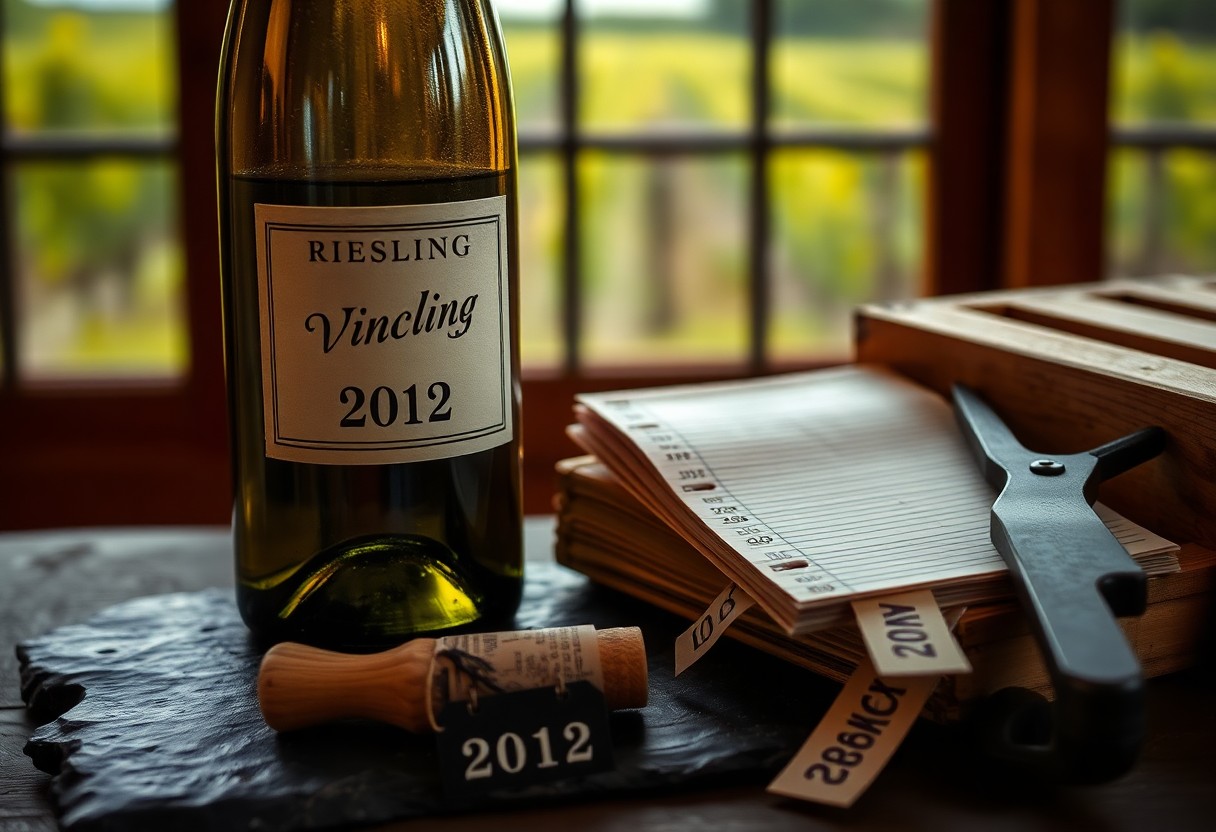
Key Takeaways:
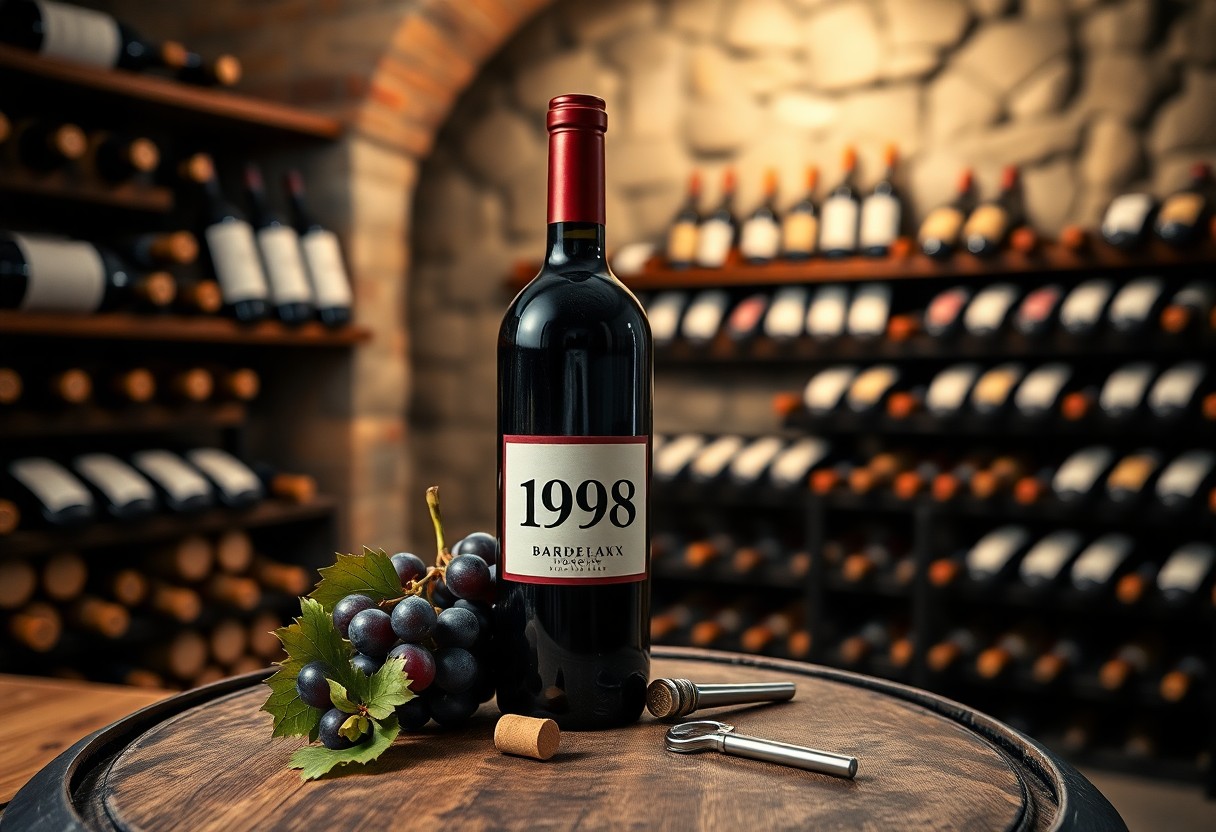
- Vintage indicates the year the grapes were harvested and reflects that season’s growing conditions rather than the bottling date.
- Annual weather patterns shape grape ripeness, acidity and flavor, so vintages can differ widely in quality and style across regions.
- Vintage affects aging potential, optimal drinking window and market value, helping buyers decide whether to drink now or cellar a bottle.

Defining the Vintage: The Science of the Harvest Year
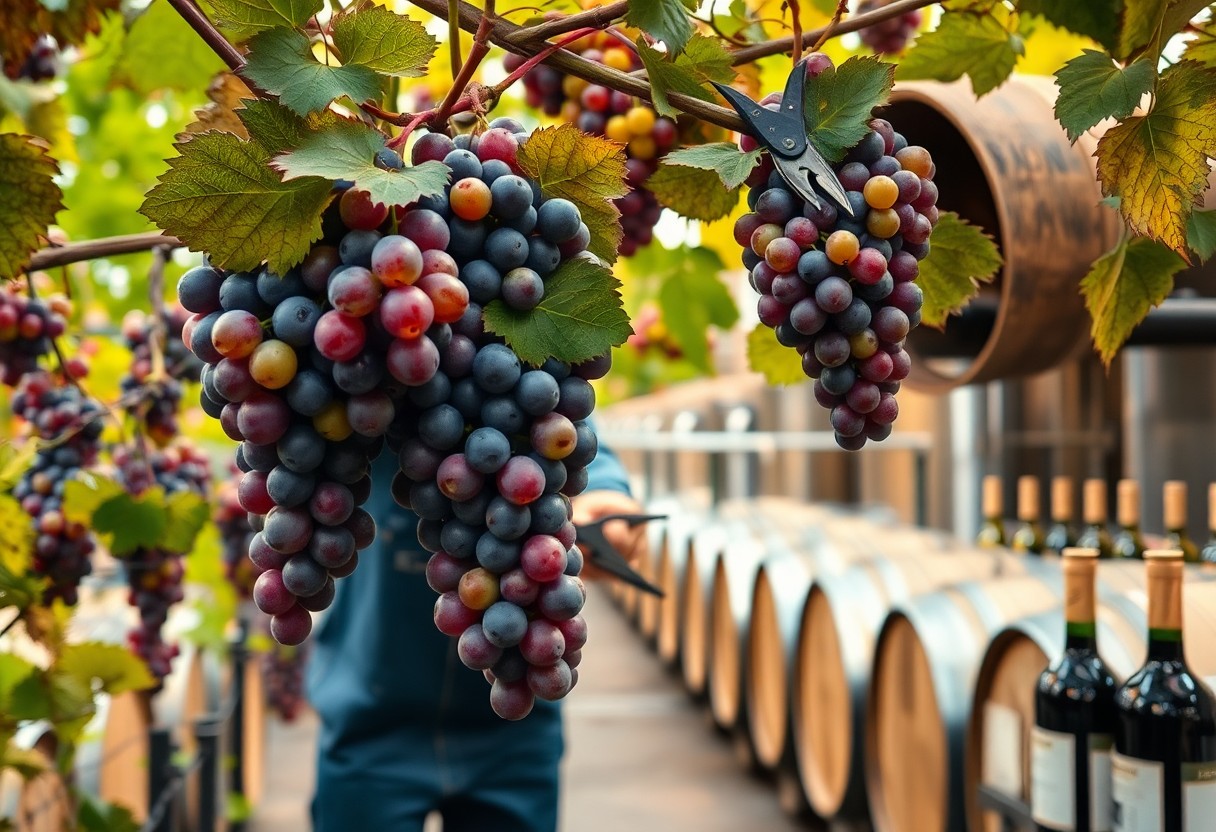
Harvest timing, seasonal weather and vine health determine the vintage; you read the year because it encapsulates that harvest’s character. Vintage reflects grape maturity and climatic influence, giving you tangible cues about flavor profile and aging potential tied to that single crop.
The 95% rule and legal labeling requirements
Rules in many appellations demand at least 95% of the wine’s grapes come from the stated year for a vintage label, so you can trust the date-check local laws, since some regions permit different thresholds or stricter standards.
Distinguishing between vintage and non-vintage (NV) expressions
Vintage bottles show a single year’s traits, while NV blends combine years to maintain house style; you pick vintage for unique expression and NV for reliable consistency and earlier drinkability. Vintage equals terroir specificity; NV equals consistency.
Blending across years lets producers balance variability: you can smooth out a weak harvest, preserve a signature style, and release wine without long cellaring-making NV practical and approachable. Collectors prefer vintages for ageworthy, year-specific nuance, but you should watch for mislabeling or provenance issues when investing in older bottles.
The Role of Terroir and Seasonal Climate
Terroir blends soil, slope and microclimate to shape your bottle’s personality; seasonal shifts tweak acidity and tannin balance. See regional examples at Understanding Wine Vintages: What Makes Each Year … Watch for vintage differences when choosing a bottle.
How annual weather patterns dictate grape chemistry
Weather across the season alters sugar, acid and phenolic development, so you often get riper, higher-alcohol wines after warm years and brighter, leaner styles after cool ones; choose vintages that match your palate.
The impact of temperature fluctuations and rainfall on fruit maturity
Temperature swings and erratic rainfall can delay or accelerate ripening, affecting sugar-acid balance and increasing risks of rot or sunburn, which changes the wine’s structure and aging potential for you.
Terroir and Climate Factors
| Factor | Effect on Wine |
|---|---|
| Soil & slope | Minerality, drainage, root stress |
| Heat | Sugar accumulation and tannin ripeness |
| Rainfall | Berry size, dilution, rot risk |
| Diurnal range | Acid retention and aromatic lift |
Rainfall timing during ripening can force harvest delays or cause dilution; you should watch for late-season rain that raises rot risk and for dry spells that concentrate sugars and flavors.
Temperature & Rainfall Effects
| Condition | Practical effect for you |
|---|---|
| Warm, dry season | Riper fruit, higher alcohol, concentrated flavors |
| Cool, wet season | Higher acidity, lower sugar, greater rot risk |
| Hot days / cool nights | Balanced sugars with preserved acids and aromatics |
| Heavy late rain | Dilution and potential spoilage-check harvest reports |
Why Vintage Variation Occurs
Weather swings from season to season mean you see big differences between vintages: frost, heatwaves, hail or drought can cut yields and alter ripeness, so a 2018 can taste very different from 2019. Growers and winemakers respond, making each vintage a snapshot of that year’s risk and reward.
Geographic susceptibility to yearly changes
Regions exposed to continental extremes-hot summers, late frost, or summer hail-put you at higher vintage risk, while coastal zones with maritime influence give you more consistency in ripeness and yields.
The distinction between “Old World” volatility and “New World” consistency
Old World vineyards often prioritize site expression, so you face greater vintage volatility; New World producers frequently apply irrigation and modern cellar techniques to deliver more consistency between years.
Winemakers in Old World appellations often accept lower yields and uneven years to preserve distinctive terroir, so you may encounter both extraordinary and risky vintages; New World labs and controlled irrigation let you rely on steadier profiles, which helps when you want predictable cellaring or drink-now bottles.
The Significance of the “Off-Vintage”
Off-vintage years often yield bottles with lower prices and occasional unexpected value, but you should watch for inconsistent quality caused by weather stress; prioritize trusted producers and tasting notes when choosing.
Identifying value in overlooked growing seasons
Seek overlooked vintages from reliable producers when you want excellent value; study critic notes, vineyard site and harvest reports so you avoid bottles affected by disease pressure or underripeness.
How modern viticulture mitigates poor weather conditions
Growers use canopy management, targeted irrigation and frost protection so you receive more consistent fruit; look for producer notes that indicate site-specific techniques which cut the risk of thin or volatile wines.
Advanced viticultural tools-detailed weather forecasting, remote-sensing disease alerts, strategic rootstock and clone selection, plus precise canopy and water management-help you by preserving acidity, phenolic ripeness and concentration in tough seasons. Winemakers then employ selective sorting, controlled fermentations and careful oak use to correct deficits, so labels citing these practices often signal reduced risk of faults and better consistency across vintages.
Vintage Influence on Aging Potential
Vintage tells you whether a bottle can age: cooler years yield higher acidity and slower development, warm years produce earlier-drinking, fruit-forward wines. When you select a vintage, weigh acidity, tannin and sugar – they determine how long the wine will safely evolve in your cellar.
Structural components that allow a bottle to evolve
Tannins give your wine backbone; combined with acidity and residual sugar they act as preservatives, enabling evolution. If you plan to cellar, choose vintages with firm acidity and ripe tannins; lighter-structured years reward sooner drinking.
Predicting the optimal drinking window based on harvest data
Harvest metrics like Brix, titratable acidity and temperature patterns let you estimate peak drinking years. You can translate those numbers into an optimal window, adjusting for style and storage; tight acid/tannin vintages typically benefit from patience.
Using harvest lab values (Brix, pH, TA), weather notes and vine condition, you can model how fruit, acid and tannin will integrate over time. Cross-check producer notes and vintage reports to refine timing; account for storage quality since low acidity raises oxidation risk while high tannins extend aging, shifting the window often by years.
Market Value and the Collector’s Perspective
Collectors judge bottles by vintage for reasons that affect you directly: scarcity, provenance and proven cellaring, and the likelihood of future price spikes. You factor vintage into storage, tasting windows and resale – it guides whether a bottle is a keepsake or an asset.
The role of vintage charts and critical scores in valuation
Charts help you compare vintages across regions, while critics’ numbers convert quality into tradeable signals. You rely on high scores to justify buying and on warnings about poor years to avoid losses, but you also check provenance and bottle condition before you bid.
Why certain years command premium auction prices
Auction results show you which vintages are scarce, in demand, or tied to historic moments; bidders chase scarcity and pedigree, driving premiums. You watch for strong provenance and perfect condition because those features often amplify final hammer prices.
Provenance often determines whether you see a premium or an adjustment; bottles with uninterrupted cellar records and reputable invoices command confidence. You factor in vintage-specific drinkability, critic reappraisals and climate anomalies that made certain years exceptional. Beware of counterfeits and provenance gaps, since they can wipe out theoretical gains, while true investment-grade vintages deliver outsized auction performance over time.
Final Words
On the whole you should view a vintage as the harvest year that reflects that season’s weather, grape quality and winemaking choices, which influence flavor, aging potential and value; knowing the vintage helps you choose bottles that match your taste and cellar plans.
FAQ
Q: What does “vintage” mean on a wine label?
A: Vintage indicates the year the grapes were harvested and brought to the winery. Wines labeled with a single vintage are made primarily from grapes picked in that specific year, while non-vintage (NV) wines blend multiple years to achieve a consistent house style. Some categories, like many sparkling wines, commonly use NV bottlings, whereas still wines often highlight the vintage to reflect that year’s growing conditions.
Q: Why does the vintage matter for a bottle’s taste, aging potential, and value?
A: Weather during the growing season influences sugar levels, acidity, tannin and phenolic ripeness, which shape a wine’s flavor, structure and ability to age. Warm, dry seasons tend to produce riper, fuller wines; cool or wet seasons can yield higher-acid, lighter styles or introduce risks like dilution and rot. Collectors and buyers often pay premiums for acclaimed vintages in regions with high variability because those years can produce exceptional concentration and longevity.
Q: How should I use vintage information when choosing a wine?
A: Check the producer’s track record and the region’s vintage variability, since top estates can sometimes deliver quality across difficult years while some areas show pronounced year-to-year differences. Consult vintage charts, recent reviews and drinking-window recommendations for the specific grape and producer to decide whether to drink now or cellar. If you want ready-to-drink, select recent ripe vintages or NV blends; if you seek complexity from bottle age, choose older vintages from producers and regions known for longevity and ensure proper storage after purchase.