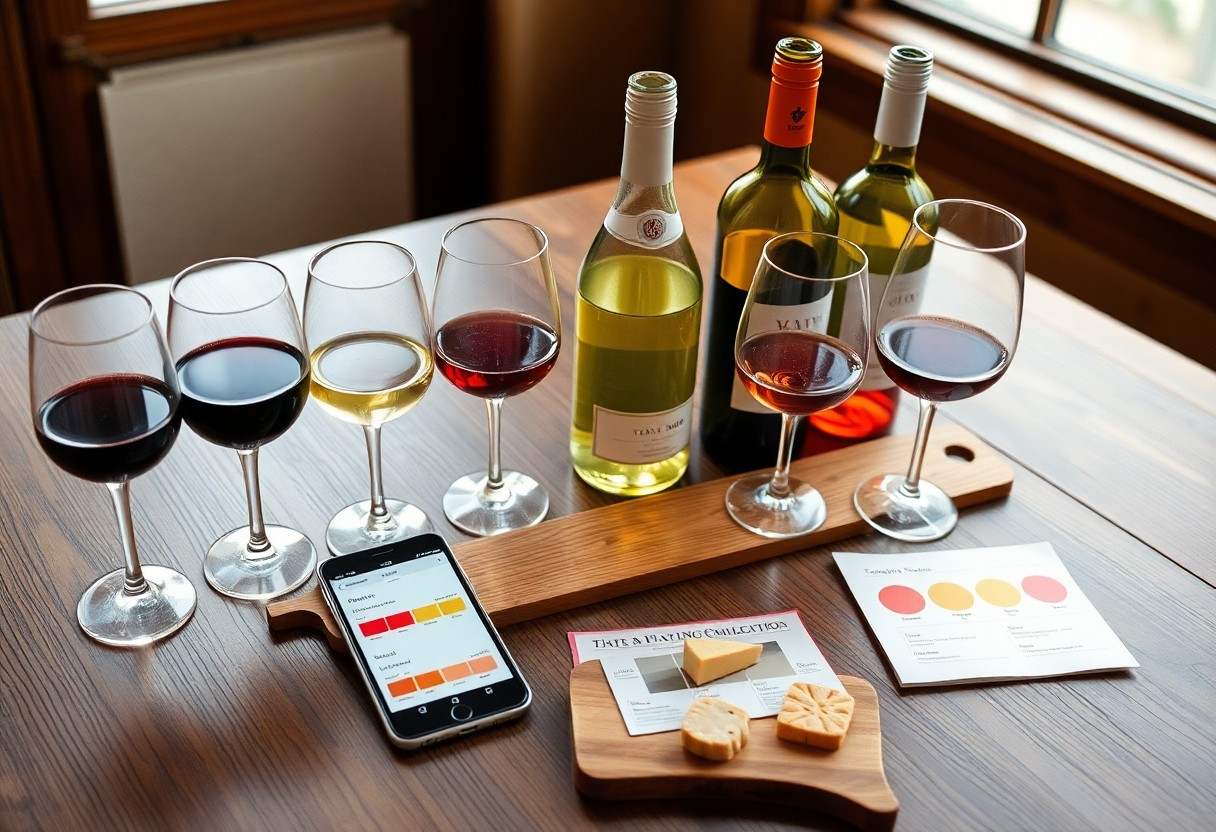
You can shop smarter by learning wine basics that let you save money and avoid bad bottles; knowing how to read labels, judge region and vintage, and favor trusted producers will steer your cart to better value and fewer surprises, while spotting signs of spoiled wine keeps you from costly mistakes and improves your confidence choosing for meals or gifts.
Key Takeaways:
- Know basic wine styles (grape, sweetness, body, acidity) to match bottles to food and occasions and narrow choices quickly.
- Read labels for grape variety, region, vintage, and producer to predict flavor and consistency instead of guessing by price or packaging.
- Use price as a loose signal-seek mid-priced bottles for best value-and rely on tasting notes, store tastings, and staff recommendations to find wines you enjoy.
The Basics of Wine
Types of Wine
When you shop, distinguish by style: red (Cabernet, Pinot Noir), white (Chardonnay, Sauvignon Blanc), rosé, sparkling, and fortified; reds often show tannins and run 12-15% ABV, while whites trend brighter and leaner – use Napa Cabernet vs Burgundy Pinot as a body-and-food guide. Any bottle you pick should align with your meal and budget.
- Red
- White
- Rosé
- Sparkling
- Fortified
| Cabernet Sauvignon (Red) | Full-bodied; 13.5-15% ABV; pairs with grilled red meat. |
| Pinot Noir (Red) | Light-medium body; red fruit and earth; classic Burgundy example. |
| Chardonnay (White) | Range from crisp unoaked to oaky buttery; 12-14.5% ABV common. |
| Sauvignon Blanc (White) | Citrus-driven, high acid; compare Marlborough’s tropical punch to Loire’s herbaceousness. |
| Champagne / Sparkling | Effervescent; méthode traditionnelle; great with oysters and celebrations. |
Wine Regions and Terroir
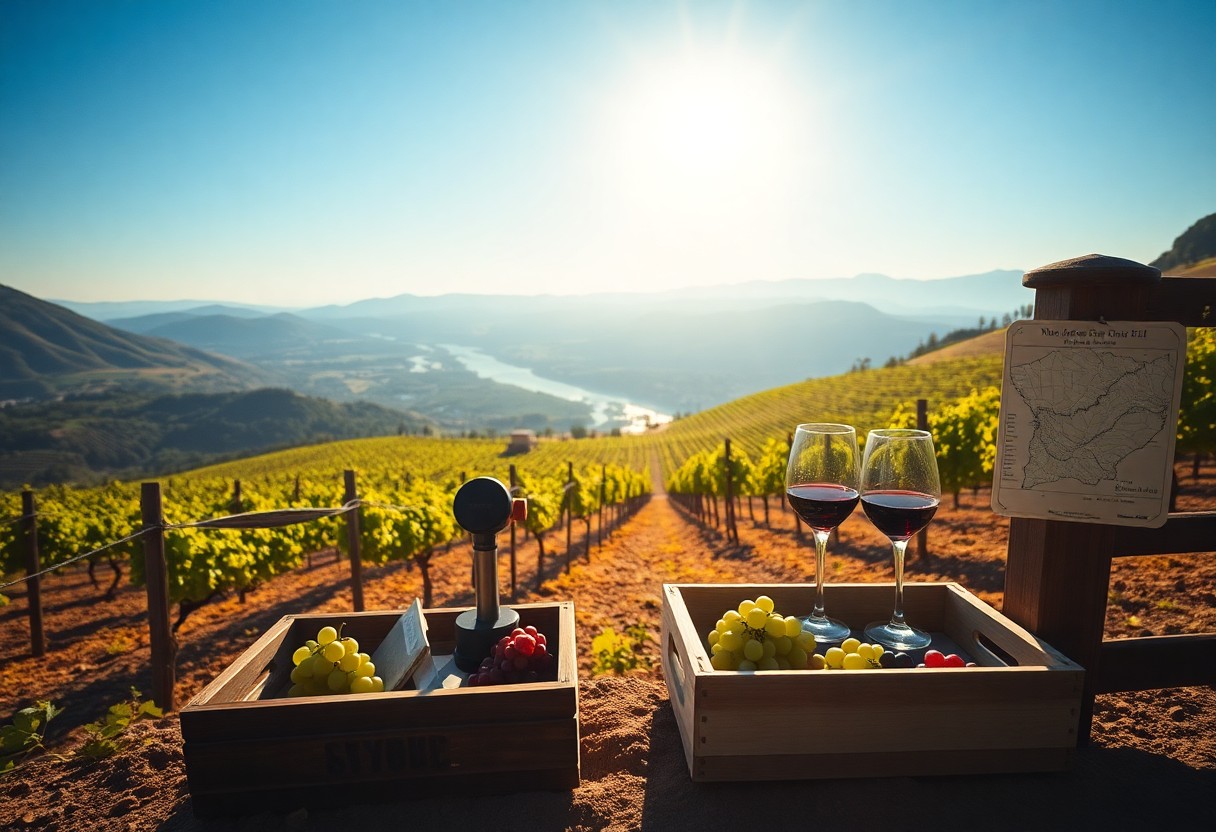
Terroir governs flavor through soil, slope, and microclimate so you taste place: Bordeaux’s gravel and maritime influence favor structured Cabernet, Burgundy’s limestone and cool nights concentrate Pinot Noir aromatics, and Etna’s volcanic soils lend smoky minerality. When you compare a riper Napa Cab with a Médoc, the terroir-driven differences in ripeness and tannin are obvious.
Altitude and exposure affect ripeness and acidity: vineyards at 300-800 meters often retain higher acid, producing fresher wines, while Mosel’s steep slopes yield Rieslings with pronounced racy acidity (historically 8-10% ABV examples); Marlborough’s long sun hours give Sauvignon Blanc intense tropical notes. You should also watch appellation rules and rising harvest Brix, which are contributing to higher alcohol levels in many regions.
Understanding Wine Labels
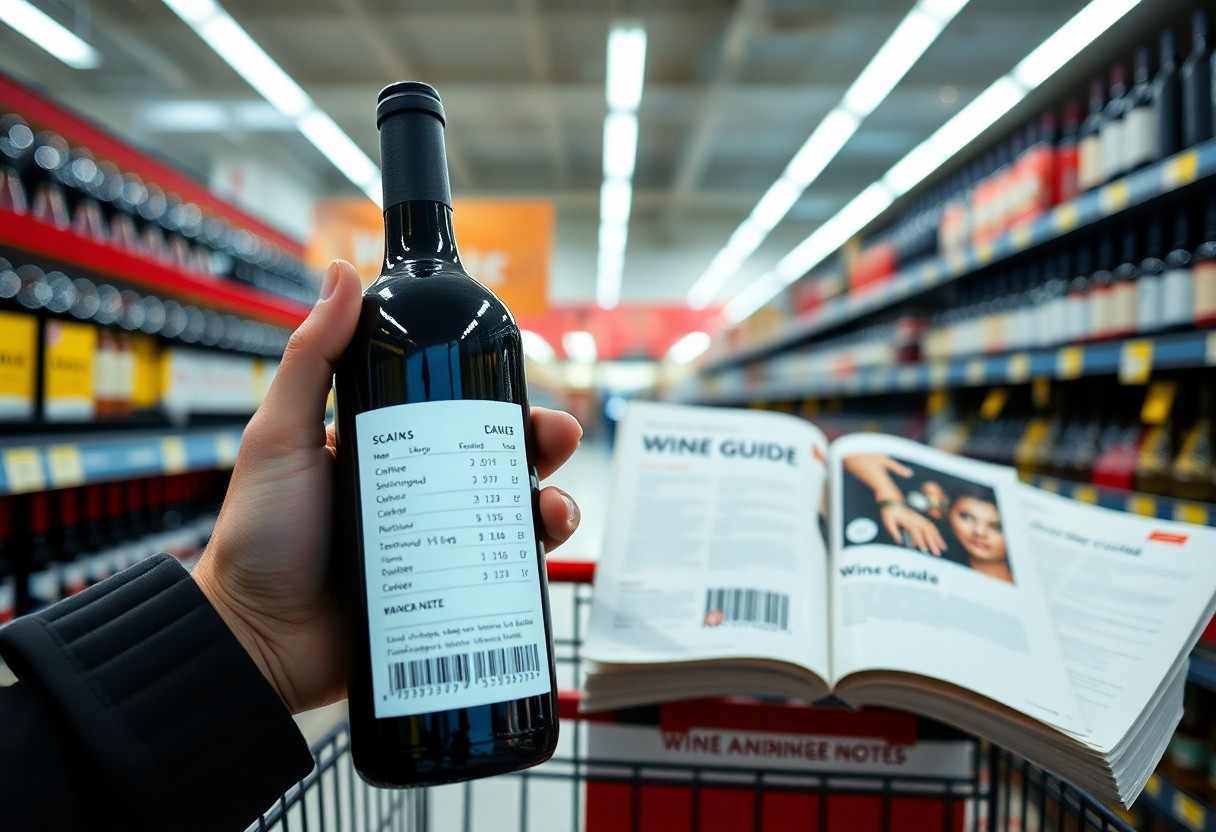
Labels are shorthand you can decode: the producer, appellation, grape, vintage and ABV deliver core facts across regions – France uses AOC/AOP, Italy DOCG, Spain DO/DOQ, the US AVA. If you see estate bottled the winery controlled grapes and winemaking; a vintage year signals the harvest conditions that shaped the wine’s style.
Deciphering Wine Terminology
Varietal indicates the dominant grape (Cabernet Sauvignon, Chardonnay) and “blend” flags multiple varieties. “Reserve” varies: Spanish Reserva reds age about 3 years (minimum 1 in oak), Gran Reserva about 5 years. When you read “old‑vine” expect concentrated fruit but no legal guarantee. Also check for “contains sulfites” if you have sensitivity; high ABV (above 15%) will noticeably increase body and heat.
What to Look for on the Label
Scan labels for five things: appellation (e.g., Napa Valley AVA, Chianti Classico DOCG) to predict style, producer or vineyard to gauge quality, vintage for climatic influence, ABV for strength, and sweetness cues like “Brut” or “Sec” on sparklings. You can also use awards, closure type, and bottling claims (estate, single‑vineyard) to narrow choices quickly.
For example, a 2016 Rioja Reserva (about 3 years aged) labeled 13% ABV will behave differently from a 2016 Napa Cabernet at 14.5% ABV: the latter will be riper and pair with grilled meats, while the Rioja shows earth and moderate tannin. If you want food‑friendly wines, favor 12-13.5% ABV; for bold dishes choose >14.5% and lean on labeled aging terms and appellations to match price to expectation.
Tasting Wine Like a Pro
Start with your nose: swirl, inhale, note fruit, oak and earth; then sip to gauge body, acidity, tannin and finish. You should use a simple 1-5 scale for balance and intensity to compare bottles quickly. Swirl for about 10 seconds, sniff deeply, then take a 5-7 second sip to assess mid-palate and finish. Use smell and balance as your anchors; watch for cork taint or volatile acidity as signs to avoid a bottle.
Key Flavor Profiles
Identify common profiles to shop faster: Sauvignon Blanc often shows citrus and herbal high acidity, Chardonnay can present stone fruit or buttery oak, Pinot Noir brings red cherry and earthy notes, and Cabernet typically delivers black fruit, cedar and firm tannins. Match food and occasion-choose high-acid whites with shellfish and structured reds with beef. Compare label descriptors and price points to predict style before opening.
The Importance of Vintage
Vintage shapes acidity, sugar and aging potential: for instance, Bordeaux 2010 is renowned for lean, long-lived wines while Burgundy 2015 produced riper, more accessible bottles. You should consult regional vintage charts-cooler years preserve acidity, warmer years raise alcohol and ripeness-so select 2018 Alsace for freshness or 2016 Napa for concentration depending on your plan.
Beyond the year, factor in producer reputation and storage history: a top Châteauneuf-du-Pape from a warm vintage can age decades, whereas heat-exposed bottles lose freshness. Check producer scores (90+) and ask staff about provenance; great vintage plus reliable producer outperforms an unknown cellar, and heat-damaged bottles are best avoided.
Pairing Wine with Food
When you’re choosing wine in the store, match weight and intensity: light-bodied wines like Pinot Grigio or Beaujolais suit delicate fish or salads, while full-bodied reds such as Cabernet Sauvignon or Syrah stand up to braised beef. Pay attention to acidity-wines around pH 3.0-3.5 brighten fatty dishes-and sugar level when pairing spicy food. Acidity and sweetness are your primary levers.
Classic Pairing Principles
You balance tannin, acid, body and sweetness to make predictable matches: tannic wines (Cabernet, Nebbiolo) pair with fatty protein because tannins bind to protein and soften perception; high-acid whites (Sauvignon Blanc, un-oaked Chardonnay) cut through cream and citrus dressings; off-dry Riesling or Gewürztraminer calms heat from chili. Aim for comparable intensity rather than exact varietal rules.
Experimenting with Combinations
When you experiment, contrast often yields surprising results: try Champagne or Cava with fried chicken-bubbles and 9-12% ABV acidity cut fat-or pair dark chocolate with a fortified wine like Tawny Port or Banyuls. Test Pinot Noir with salmon versus oaked Chardonnay to see how oak and butter change the match. Test in small pours and take notes.
You can use a deliberate test: pick one dish and sample three wines-light (≈11-12% ABV), medium (13-14%), full-bodied (14.5%+)-served in 30-50 ml pours, tasting from lightest to heaviest to avoid palate fatigue. Rinse with water or plain bread between sips and note how acid, tannin and oak change the pairing; for example, smoky BBQ sings with Zinfandel while Sichuan pepper benefits from an off-dry Gewürztraminer. If food is spicy, choose lower-ABV or slightly sweeter wines.
Shopping Strategies
Setting a Budget
You can set tiers: $8-15 for everyday bottles, $15-30 for dinner guests, and $40+ for special occasions; allocate about 10-20% of your monthly wine spend to splurges. Compare price-per-drink-two glasses from a $20 bottle vs four from a $12 bottle-and choose what fits your routine. Use ratings and retailer notes to find value, and focus on regions that overdeliver for price, like Spanish Rioja or Chilean reds.
Knowing When to Splurge
Spend more when the bottle offers aging potential, provenance, or a proven producer: think Napa Cabernet, Burgundy, or single-vineyard Barolo. For parties, a $50-100 bottle often delivers show-stopping complexity; for cellaring, prioritize tannic reds that improve for 5-20 years. You should also factor service-dinner pairings and memorable moments justify higher spend.
When deciding, check vintage quality and production scale: a small-run 2015 Napa Cabernet with 95‑point reviews and 1,200 cases produced is likelier to appreciate than a mass-market label. Compare auction and retail pricing-consistent premiums often signal value, while one-off hype suggests markup. Never buy rare bottles from unverified online sellers; counterfeits can cost you money and trust, so prefer trusted merchants or auction houses with clear provenance.
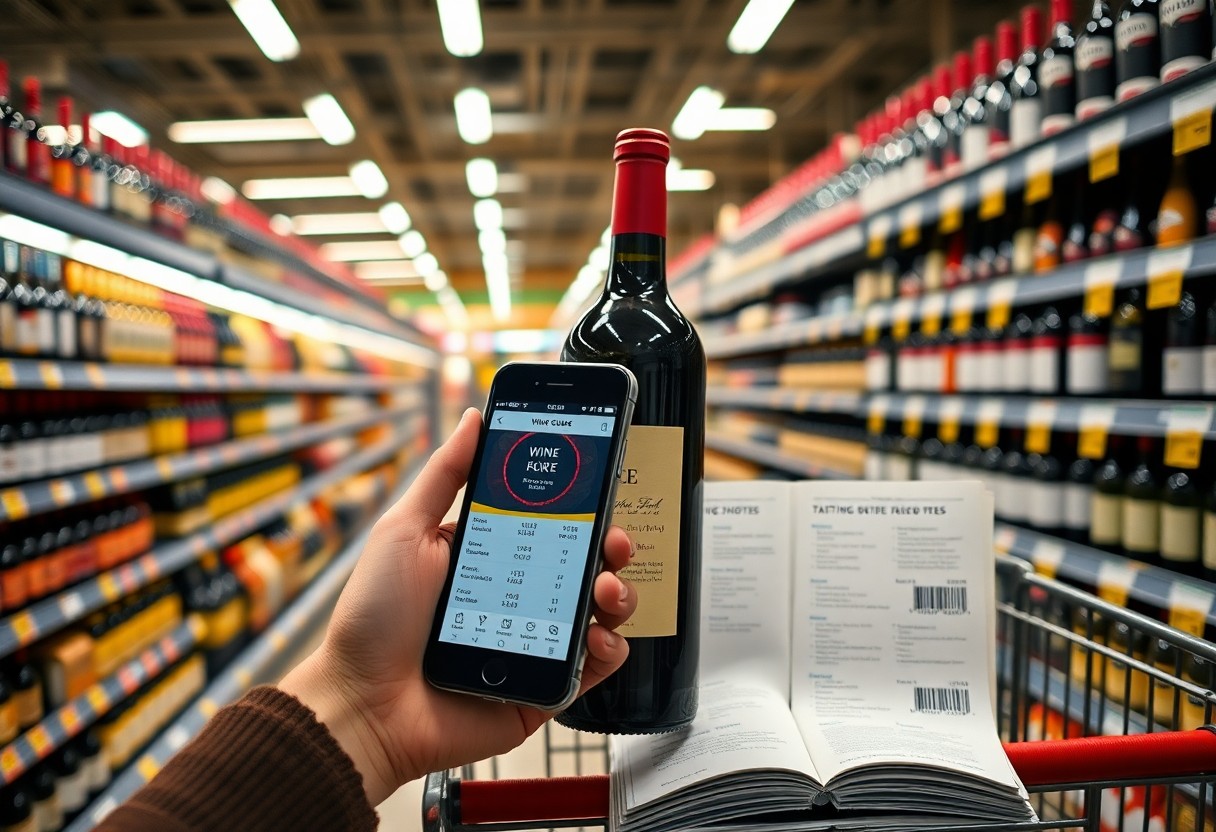
Resources for Wine Education
Tap into reliable guides and ratings-start with articles like The ABCs of Buying Wine: Tips for Shopping Retail to decode retail strategies, then cross-check producers’ scores (e.g., 85-95 indicates consistent quality). Use tasting notes, retailer price-history charts, and label-decoding tips to spot bargains and avoid overrated bottles when you shop.
Recommended Books and Websites
You can build a compact library with three crucials: The Wine Bible (Karen MacNeil) for tasting language, The World Atlas of Wine for regional maps, and Wine Folly for practical charts; supplement these with Decanter and Wine Spectator online for score-based comparisons and weekly market trends.
Wine Tastings and Classes
When you attend tastings, choose structured flights of 4-6 wines, look for 60-120 minute classes led by certified instructors, and expect fees of about $15-50-community colleges and wine shops often offer the best value for focused, comparative sessions.
Bring a notebook, spit when you need to preserve your palate, and focus on four attributes-acidity, tannin, body, finish-while asking about vintage and provenance; compare the same grape from at least 3 regions to see how terroir shifts flavor, and log producers and vintages so you can replicate smart buys later.

Summing up
With this in mind, understanding varietals, regions, tasting descriptors, and label cues lets you compare value, select wines that match your preferences, and avoid marketing traps. You’ll shop more efficiently, make confident choices within your budget, and build a cellar that suits your palate rather than trends or label design.
FAQ
Q: How does knowing grape varieties help me pick a bottle?
A: Understanding common grape varieties gives quick clues about body, acidity, tannin and flavor profile so you can match a bottle to your taste and food. For example, Cabernet Sauvignon tends to be full-bodied with firm tannins and dark fruit, making it good with grilled meats; Pinot Noir is lighter, more delicate and suited to poultry and salmon; Sauvignon Blanc is zesty and herbaceous for salads or seafood; Riesling ranges from bone-dry to sweet and pairs well with spicy cuisine. Knowing varieties also helps when a region isn’t familiar: a New World Chardonnay will often be riper and oakier than a cool-climate Burgundy Chardonnay. Use varietal names as shorthand for style when scanning shelves.
Q: What label terms and numbers should I focus on when shopping?
A: Key label elements tell you more than the brand name. Look for the variety (varietal) and vintage year to gauge style and ripeness; regional appellations (AVA, AOC, DOCG) indicate production rules and typical style; alcohol by volume (ABV) suggests body-higher ABV usually means fuller body and riper fruit; terms like “estate bottled” or a well-known producer can signal consistent quality, while words such as “reserve” are often marketing. For sparkling wines, terms like “brut” or “extra dry” indicate sweetness level. In Old World wines the region may be named instead of the grape, so learn a few region-to-grape associations (e.g., Rioja → Tempranillo, Chianti → Sangiovese).
Q: Is a higher price always better, and how can I shop smarter on a budget?
A: Price is not a perfect indicator of enjoyment. Vintage differences, demand, branding and taxes can inflate cost. To get better value: explore lesser-known regions and appellations that produce similar styles for less, try second labels from reputable producers, buy recent vintages from reliable years, and ask store staff for value picks in the style you like. Consider screwcaps for everyday wines (often fresher) and magnum or half-bottle formats when appropriate. If you’re buying for aging, invest a bit more in tannic reds or acid-driven whites; for immediate drinking, focus on balanced wines from good recent vintages rather than a high price tag.