There’s no place like the Douro Valley, and this roundup will help you pick ten quintas you’ll love visiting. Sip standout ports and still wines, soak in stunning cliffside views, and plan to book ahead for tours and tastings; because the narrow, winding roads can be dangerous, consider guided tours if you don’t want to drive. Save space for wine shopping and let your senses lead the way.
Key Takeaways:
- Standout quintas to visit: Quinta do Portal (innovative, subterranean cork-wrapped facility and excellent wines), Quinta do Nova (best museum and port-history tour), Quinta do Vallado (notable still reds and walk-in pours), plus Quinta do Seixo, Quinta do Tedo and Quinta das Carvalhas for varied experiences.
- Plan ahead: most wineries require reservations for tours and tastings; only Quinta das Carvalhas and Quinta do Vallado routinely accepted walk-ins during our visit—consider a guided day tour if you prefer not to drive.
- Site notes: content is intended for those of legal drinking age and the site uses demographic data, email opt-ins, display advertising and affiliate links—see Terms and Conditions for details.
Quinta do Tedo
By Douro standards, Quinta do Tedo feels fresh — the family bought the land in 1992 and has rapidly built production since then. When you visit, you’ll be struck by the onsite aging facilities, including a gorgeous tunnel under the hillside where their ports rest; tasting wines that have matured there gives you a real sense of place and the winery’s hands-on approach.
You should know that their port roster is still developing: as of our visit the oldest bottles available were 20‑year tawny ports and the 30‑year offerings weren’t ready yet. While that means fewer very old bottles to buy now, the trend is positive — you can taste how the vineyard is producing better wines with each vintage, so it’s a great stop if you like seeing a winery on an upward trajectory. The quinta is located at N-222, EM512, 5110-204.
Scenic Views and Heritage
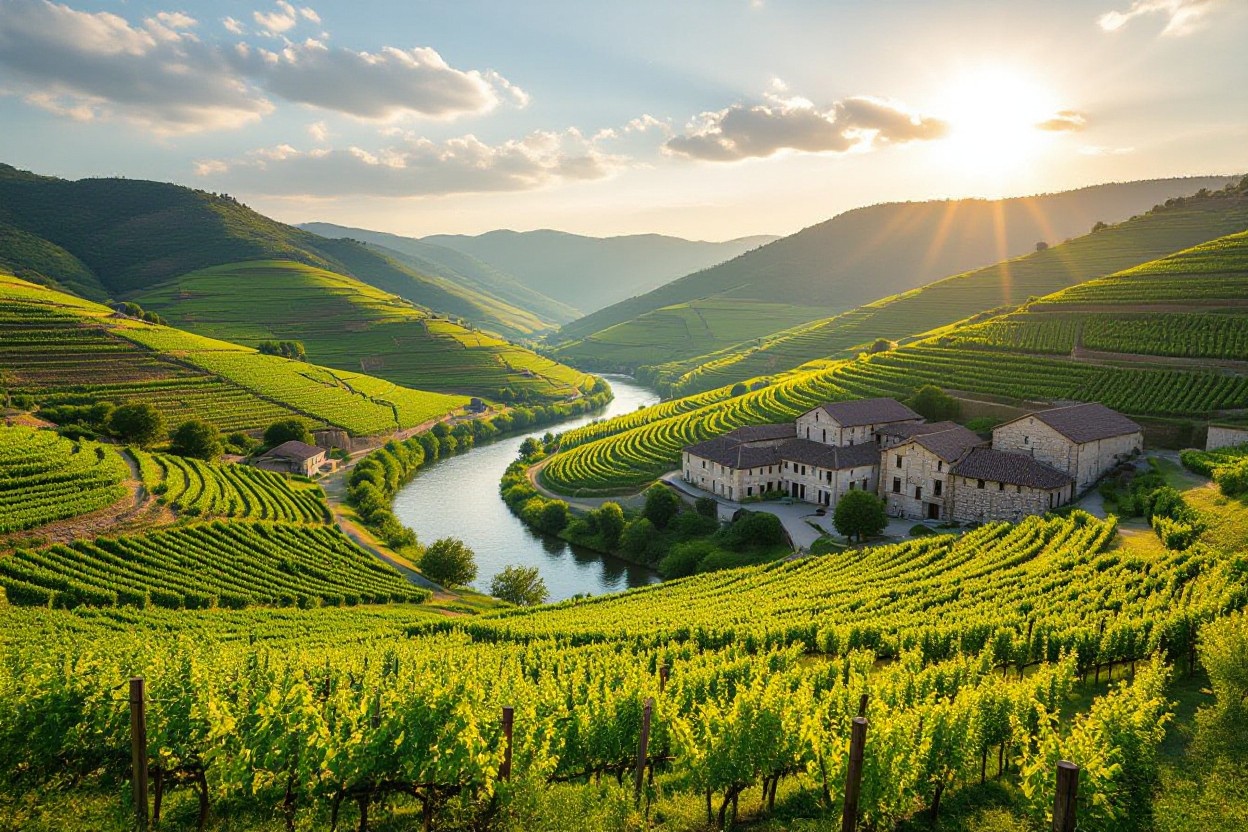
When you step onto the terraces at Quinta do Tedo you’ll notice the sweeping Douro panoramas that make the region famous — steep, sculpted vineyards, stone terraces, and the river carving through the valley. Those views create an idyllic backdrop for a tasting and are part of why the Douro is often called one of the prettiest wine regions you’ll visit.
Although the current owners are relatively recent, the vines themselves have been part of the landscape for centuries, so when you walk the plots you’re connecting with deep winemaking heritage. That blend of historic vineyards and modern investment gives you both authenticity and fresh energy in the wines you’ll taste.
Exceptional Tasting Experiences
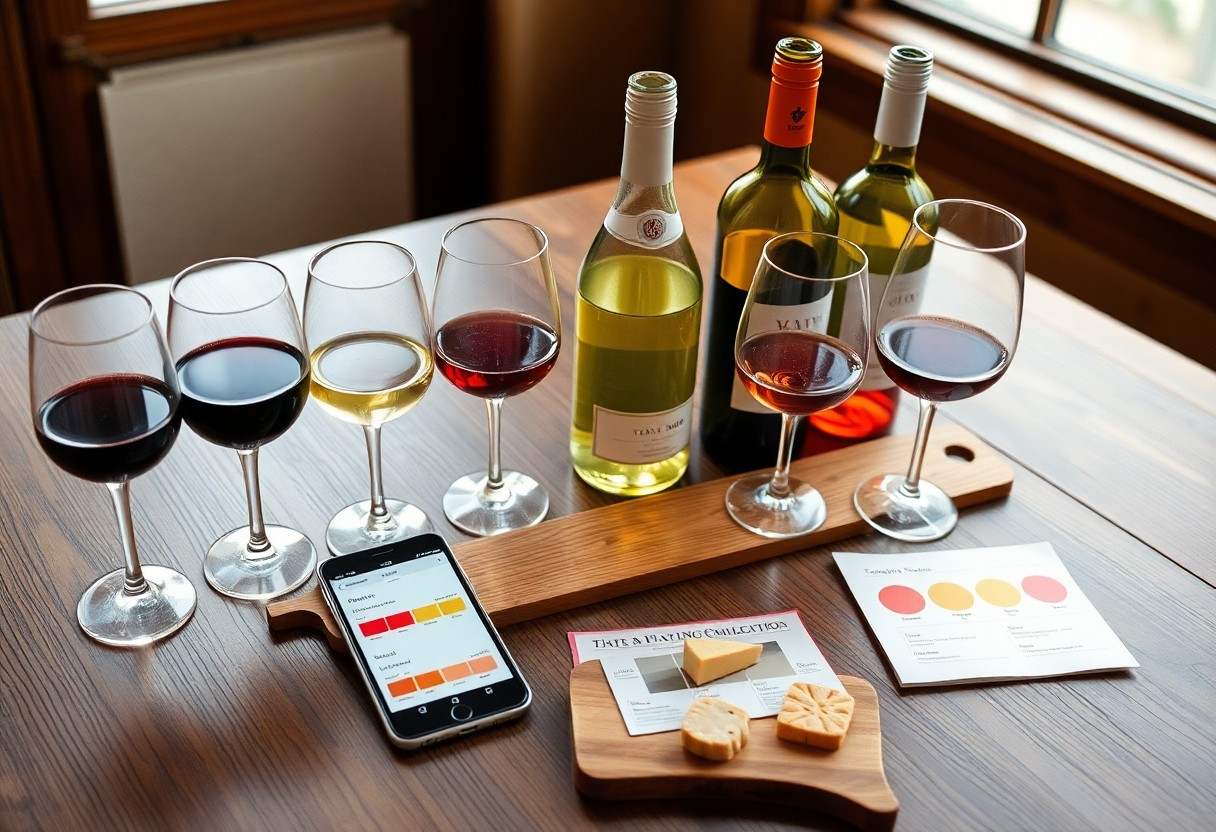
At Quinta do Tedo you can expect tastings that showcase both still wines and ports made and aged onsite — tasting in or after a visit to the hillside tunnel is a highlight because you can taste how subterranean aging influences texture and aroma. If you enjoy learning while you sip, the tunnel visit is a memorable, positive part of the experience.
Do note that the tasting selection may be more limited than at older quintas: the emphasis is on current vintages and the available tawny ports, so if you’re hunting for very old vintages you might find fewer options. That said, sampling their 20‑year tawny and recent still wines gives you a clear sense of the winery’s evolution and quality.
For the best experience, book ahead and plan logistics carefully — getting around the Douro can be beautiful but driving there is terrifying for many visitors, so consider timing and transport when you schedule your tasting at Quinta do Tedo.
Experience the Artistry of Quinta do Seixo
You’ll find Quinta do Seixo fascinating because it’s part of the Sandeman family, giving you a window into how a major port brand operates while still sitting amid dramatic Douro terraces. The tour highlights the scale of production—most notably a lagar room far larger than the region norm—and offers sweeping vineyard views that make for excellent photos and context about large-scale port making.
Keep in mind that if you’re seeking boutique, estate-only bottles, you may be disappointed: the tasting typically features Sandeman’s large-brand labels rather than quinta-exclusive bottlings. Also be aware that getting around the Douro can be hazardous if you drive the narrow roads yourself, so you might prefer a guided tour or driver so your visit stays safe and enjoyable.
Architectural Marvels and Vineyards
Your first impression will likely be the contrast between industrial scale and classic Douro beauty: terraces tumble down the slopes while the winery buildings feel almost modern in comparison. The immense lagar and production areas are a visual testament to volume production, and you can stroll parts of the estate to appreciate the vine rows and the river valley panorama.
If you love photography or want to study vineyard layouts, Quinta do Seixo gives you plenty to work with—vast views, neatly tended plots, and production spaces that show how tradition meets industrial winemaking. For safety and comfort, plan how you’ll arrive so you can relax and focus on the sights rather than the challenging roads.
Unique Port Wine Offerings
When you sit down to taste, expect Sandeman’s signature lineup rather than bottles labeled specifically from Seixo—this is a volume-producer experience, so the emphasis is on house-styled Ports you’ll recognize from shops worldwide. If your goal is to sample estate-only vintages, the lack of quinta-exclusive bottles may leave you wanting more.
That said, you can still enjoy high-quality Ports here; the tastings showcase well-made expressions that represent Sandeman’s style, and the chance to compare how a large producer presents its portfolio in situ can be insightful for your wine knowledge. Ask staff about provenance if knowing whether grapes came from Seixo matters to you.
For the best visit, book ahead to secure a tour that includes the lagar and production spaces, check whether they’ll offer any limited or special bottlings that day, and note the property is in Valença do Douro so plan your transport accordingly.
Discover the Tradition at Quinta do Vallado
You’ll feel the history the moment you arrive at Quinta do Vallado, a winery where tradition meets approachable tasting. Even if you can’t book a full tour, they often sell wines by the glass to walk-ins, so you can still sample highlights like a well-aged tawny and robust field blends. On our visit you’ll want to try the 20‑year Tawny and the Sousão—both stood out as memorable, cellar-worthy bottles you might want to take home.
Because visits can fill up and the valley roads are narrow, the drive can feel intimidating, so plan your timing carefully. If you arrive without a reservation you can still enjoy a casual tasting outdoors, but if you want a guided tour through their cellars and vineyards, make sure you secure your spot in advance.
Family Legacy and Historical Significance
You’ll sense the family roots woven into the wines and the estate—Quinta do Vallado preserves traditional winemaking techniques while embracing thoughtful modernization. Walking the grounds, you’ll notice how the place balances old and new, and how each generation has shaped the house style to keep the wines expressive of the Douro.
The winery’s story adds depth to every sip: when you taste a bottle here, you’re tasting a piece of regional history. That lineage often shows in wines with layered texture and a sense of place, so if you care about provenance, Vallado’s legacy is a definite highlight of your Douro itinerary.
Wine and Food Pairing Events
You can elevate your visit by joining a pairing event, where the winery matches their wines with local dishes so you can experience complementary flavors. These pairings typically feature regional cheeses, cured meats, hearty stews, and seasonal river fish, crafted to showcase how each wine interacts with traditional Douro fare—pairings often make the wines sing.
Many of these events are small and intimate, so book ahead if you want a guaranteed spot; walk-in options exist but are less predictable. When you attend, expect staff to guide you through the logic behind each match, teaching you how acidity, tannin, and sweetness play against different textures and flavors.
For more practical planning: look for pairing menus that highlight a mix of tapas-style bites and full-course dinners, consider asking about vegetarian or dietary options when you book, and if you’re pairing ports, try them with richer desserts or aged cheeses to see how sweetness and concentration interact.
Innovative Flavors at Quinta do Nova
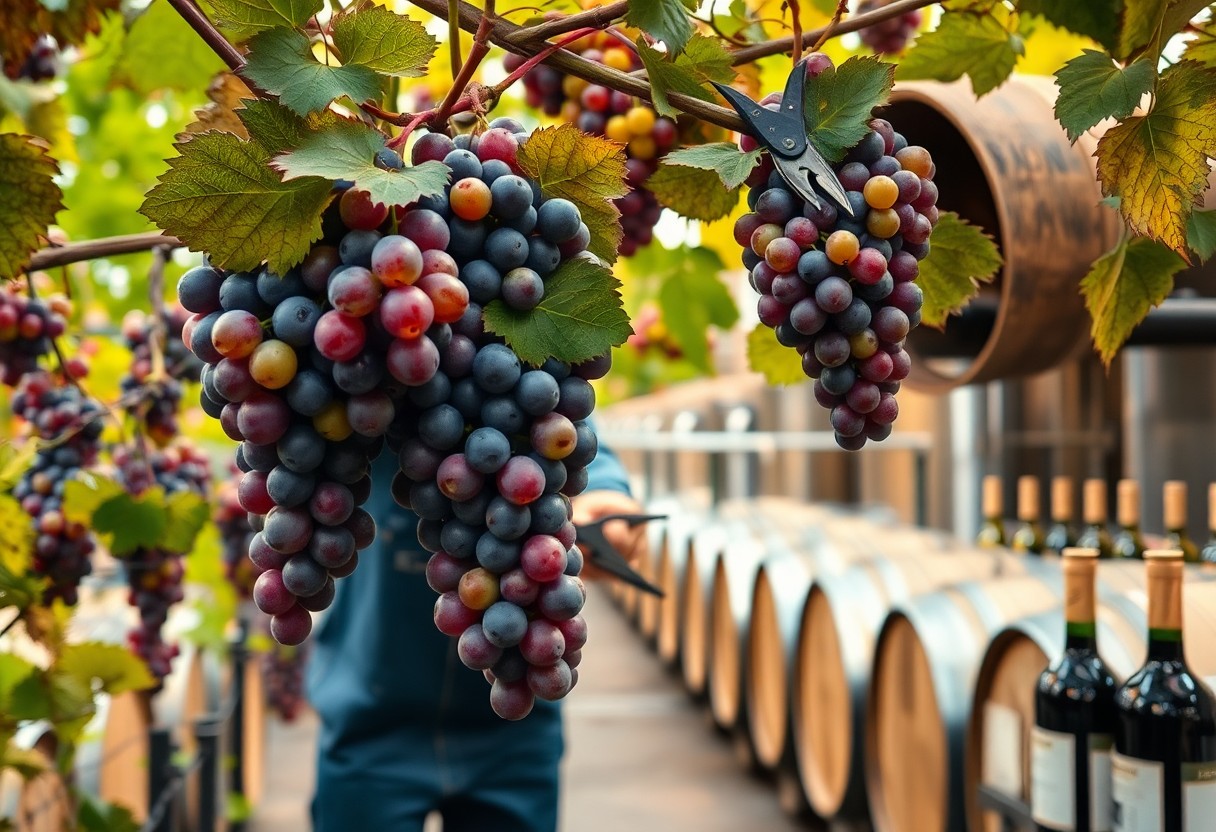
You’ll be struck first by the impressive museum that frames the region’s history and shows how traditional methods evolved into modern port production; it makes the tasting feel like the final chapter of a story rather than just a sample. The tour emphasizes how grueling harvests used to be — with a vivid grape-stomping demonstration — so you get a real sense of the human effort behind each bottle, which can feel both moving and dangerous when you imagine working long hours in heat.
Quinta do Nova stands out as one of the most holistic visits you can make in the Douro, and you’ll likely leave with a few bottles, often including 20+ year aged Vintage Ports that show the winery’s commitment to age-worthy styles. Be aware that parts of the production area can be closed to visitors at times, which is a frustrating limitation but doesn’t dull the depth of the museum and tasting experience you’ll enjoy.
Eco-Friendly Practices and Sustainability
You’ll notice Quinta do Nova’s approach leans toward preserving the steep terraced landscape and protecting soil health, with an emphasis on reduced chemical use and cover crops to limit erosion. These steps not only improve grape quality but also help maintain the scenic terraces you came to see, making your visit feel like support for long-term stewardship of the valley.
On top of vineyard practices, the estate often highlights water management and energy-efficient choices in production, so your tasting feels like a nod to positive environmental choices. If sustainability is a priority for your travel, the winery’s efforts to balance tradition with lower-impact techniques will be a meaningful part of the visit.
Signature Wines to Savor
You should make time to taste the aged Vintage Ports and rich Tawnies that define Quinta do Nova’s cellar — the 20+ year offerings are particularly notable for their depth and balance. The museum context makes those bottles taste even more significant, since you’ve just learned how much labor and time go into creating them.
Alongside fortified wines, you’ll often find well-crafted still reds that reflect old-vine character and the Douro’s unique minerality; these are excellent if you prefer something less sweet but still full-bodied. If production access is limited during your visit, ask the tasting staff about cellar-only bottlings or older vintages that might not be on regular display.
For more detail on the signature wines, expect the Vintage Ports to present concentrated dark fruit, spice, and tannic structure that soften beautifully with bottle age, while the Tawnies show nutty, caramel, and dried-fruit notes from extended oxidative aging. Pair the Ports with strong cheeses or dark chocolate to highlight sweetness and acidity, and consider buying at the winery if you want to take home older vintages that can be hard to find elsewhere.
Explore Quinta das Carvalhas
You’ll find Quinta das Carvalhas just outside Pinhão, making it an easy, walk-in stop if you want a relaxed tasting after lunch. Unlike some quintas, they don’t run production tours, so you’ll mostly sip and soak in the setting — a perfect option when your schedule is tight or you didn’t book ahead.
When you visit, plan to try their premium flight — we enjoyed an LBV, a 2007 Vintage, and a 20‑Year Tawny — which gives you a neat cross-section of Port styles without the fuss of a reservation. Keep in mind that driving in the Douro can be dangerous on narrow, steep roads, so consider leaving the wheel to someone else or joining a guided tour.
Breathtaking Landscapes and Vineyard Tours
Even without formal production tours at Carvalhas, the views steal the show: terraced vineyards tumble toward the Douro River and you’ll have excellent photo opportunities from the tasting area. If you love scenery as much as wine, the panoramas here are a highlight and reward a slow sip and a long look.
Because the quinta is so close to Pinhão, you can easily pair a tasting with a river cruise or a walk in town, but be mindful of the steep lanes and tight parking spots — those roads can be hazardous for unfamiliar drivers. If you’re hiking between viewpoints, wear good shoes and watch your step.
The Craft Behind Each Bottle
At Quinta das Carvalhas you’ll mostly experience the finished expression rather than the backstage of production, yet the wines clearly speak to traditional Douro methods: careful ageing, blends that balance fruit and tannin, and a focus on terroir. Tasting a 2007 Vintage or a 20‑Year Tawny helps you appreciate how time and oak shape Port’s character; these are premium, well-aged bottles that showcase the region’s depth.
Staff are usually happy to explain vinification choices and aging profiles during your tasting, so pay attention to notes on cask versus bottle maturation and grape blends — that context will deepen your appreciation of each pour. If you’re hunting for bottles to take home, be aware that some vintages can be limited in availability, so you might want to buy on the spot.
For a closer look at winemaking traditions without a factory tour, ask about vineyard locations and grape sourcing during your visit; the team can often point out which parcels contributed to the wines you’re tasting and how elevation and sun exposure influenced the final blend. This small talk can give you a mini masterclass in Douro winemaking while you enjoy your glass.
Dive into the World of Quinta do Portal
You’ll find Quinta do Portal set above the steep valley slopes, with an award-winning building dug into the earth, wrapped in cork and topped with a grass roof that helps keep temperatures stable for on-site ageing. The estate owns plots across the Douro, so you can taste excellent still wines, a delightful Moscatel and standout ports that reflect a wide range of terroirs.
Visiting feels like discovering something a bit different from the cliffside quintas: the architecture and cellar design are part of the experience, and you’ll likely leave having bought more bottles here than at many other stops. Be aware that access across the Douro can be challenging—driving the narrow, winding roads is often terrifying—so plan your transfer or tour logistics carefully.
Family-Run Passion with a Personal Touch
When you visit, you’ll notice the personal attention in tastings and tours: staff and owners often share stories about vineyards and vintages, so you get a warm, knowledgeable welcome and an authentic sense of the people behind the wine. That intimacy makes the tasting feel curated rather than stamped-out, and you’ll often encounter limited releases not widely distributed.
Because Quinta do Portal operates differently from mega brands, you have a better chance of trying estate-only wines and buying small-batch bottles directly from the cellar. Some special bottlings are available only on-site, so if a particular wine speaks to you, plan to secure a bottle before it’s gone.
Exclusive Wine Tastings and Experiences
The tasting offerings range from classic port flights to guided pairings and cellar tours into the subterranean facility where ageing happens — you’ll see how natural temperature control affects maturation and enjoy tastings that highlight both still and fortified styles. Many experiences emphasize the estate’s architectural uniqueness alongside the wines.
Reservations are often required for the best experiences and for private tastings or blending workshops, and spaces can be limited, especially in high season. Given the valley roads, book transfers or a guided tour if you’re uncomfortable driving so you can fully relax and enjoy the tasting.
Practical details: tastings typically last 45–90 minutes, may be offered in multiple languages, and often include the chance to purchase bottles at the cellar price — you’ll benefit from booking ahead and checking which exclusive releases are available on-site. Quinta do Portal is located on EN323 in Celeirós, making it accessible if you include it in a planned Douro route.
To wrap up
Conclusively, you’ll find the Douro Valley’s combination of jaw-dropping terraces, historic port houses, and inventive modern quintas makes it a must-visit wine region. Whether you lean toward the architectural intrigue of Quinta do Portal, the immersive history at Quinta do Nova, casual walk-in tastings at Quinta das Carvalhas and Quinta do Vallado, or the promising younger producers like Quinta do Tedo, your tastings will showcase a wide range of ports and still wines that reflect the valley’s unique character.
When planning, book tours and tastings ahead—most quintas require reservations—and give yourself flexibility for a walk-in stop or two; consider a guided day tour if you prefer not to navigate steep, narrow roads on your own. Staggering early and late reservations, leaving midday for a river cruise or lunch in Pinhão, and prioritizing the wineries that match your interests will let you savor more and rush less, sending you home with bottles and memories you’ll treasure.
FAQ
Q: Which Douro Valley wineries are must-visits and what makes each special?
A: Quinta do Portal — standout architecture (building dug into the earth, cork-wrapped), on-site natural aging and an excellent range of ports and still wines (EN323 5060-909 Celeirós). Quinta do Nova — best museum and interpretive tour on traditional vs. modern port production, very informative for history and technique (5085-222 Covas do Douro, Sabrosa). Quinta do Vallado — known for strong still reds (notably Sousão) and solid tawny offerings; good walk-in-by-the-glass option when tours aren’t available (Vilarinho dos Freires, 5050-364 Peso da Régua). Quinta do Tedo — a younger but rapidly improving producer with an atmospheric aging tunnel and promising tawny ports (N-222, EM512, 5110-204). Quinta das Carvalhas — convenient Pinhão-adjacent location and reliable walk-in tasting flights for a relaxed stop (just outside Pinhão on N323). Quinta do Seixo (Sandeman) — impressive large-scale lagar and production tour, though tastings focus on brand-labeled bottles rather than exclusive quinta releases (Valença do Douro).
Q: Which wineries accept walk-ins or quick tastings without advance reservations?
A: Walk-ins are rare but available at a few places: Quinta das Carvalhas and Quinta do Vallado have historically accepted walk-in tastings (flights or wines-by-the-glass). Most other quintas require reservations for tours and formal tastings; Quinta do Seixo will welcome visitors but often serves Sandeman-branded wines rather than unique quinta-only bottlings. If you plan a day without bookings, prioritize Pinhão-area stops and confirm current walk-in policies by phone or website before you go.
Q: How should I plan transportation, timing, and bookings for a winery day in the Douro?
A: Plan conservatively: driving the valley involves narrow, winding roads and long transfers—consider a guided Douro day tour if you prefer not to drive. If self-driving, book the first and last reservations of the day and use midday for a walk-in tasting, lunch, or a Pinhão river cruise. Allow ample travel time (some drives are an hour or more) and check each quinta’s reservation policy; most require advance bookings for tours. Bring valid ID to prove legal drinking age; expect some production areas to be closed or limited, so confirm tour access ahead and build flexibility into your itinerary.