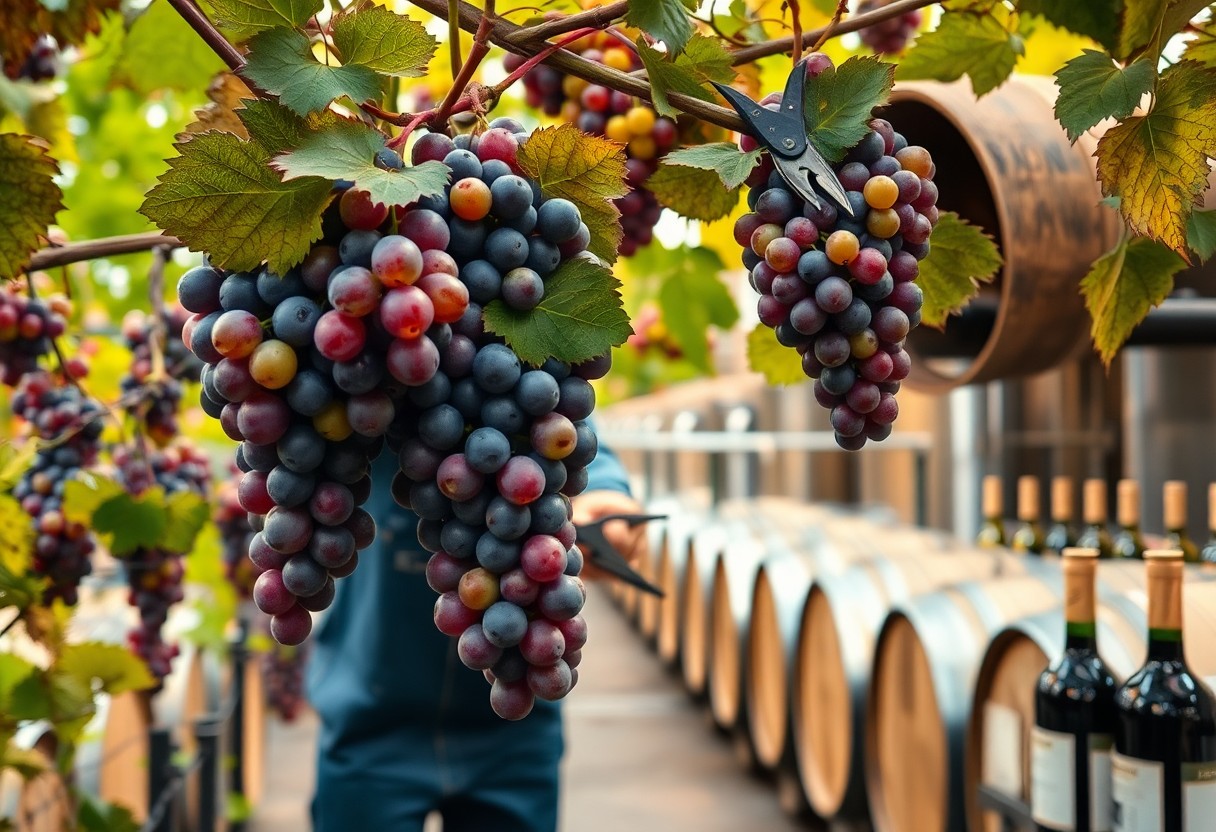

This guide tells you how to book tastings early, pack layers, and time visits; secure a designated driver or tour to avoid drinking and driving, and enjoy local vintages and scenic views for the best experience.
Key Takeaways:
- Wineries often require timed reservations; book tastings and tours in advance to secure spots and avoid disappointment.
- A sober driver or shuttle service lets everyone enjoy tastings safely and complies with local laws.
- Water, light snacks, sun protection, and a notepad help you stay comfortable, pace tastings, and record favorites.
Identifying the Ideal Destination
Key Factors for Selecting a Wine Region
Choose a region by matching what you like-climate, signature varietals, and travel access. Thou must also check tasting-room hours and peak-season closures to avoid closed wineries.
- Climate
- Varietals
- Access
- Reservations
Researching Specific Estates and Varietals
Investigate estate reviews, tasting notes, and booking policies so you can target producers whose style matches your palate; watch for reservation-only visits and limited walk-ins.
Compare producer websites, social feeds, and recent reviews so you can confirm hours, tasting fees, availability of private tours, and any strict cancellation fees before you book.
Navigating Logistics and Reservations
Planning ahead saves you time and stress: you should book tastings early, confirm arrival windows, and check cancellation policies. Use local resources like The best advice for planning great times in Wine Country! and keep a printed confirmation. Bring IDs and note winery capacity limits.
How to Secure Hard-to-Get Tasting Slots
Target midweek visits, sign up for winery mailing lists, and call directly to ask about cancellations; you can often grab released spots. Be persistent and flexible with times to increase your chances.
Arranging Safe and Reliable Transportation
Consider hiring a licensed driver or scheduling a ride-share for full tasting days; driving after drinking is dangerous. Confirm pickup windows and backup options so you don’t get stranded.
When choosing transport, compare licensed tour companies, private chauffeurs, and ride-share costs; ask about insurance, vehicle size, and wait-time fees. Confirm pickup/drop-off windows and driver credentials, book early for weekends, and build time buffers so you can enjoy tastings without rushing or risking impaired driving.
Mastering Tasting Room Etiquette
Polite behavior shows you respect staff: keep voices low, avoid strong scents, ask before photographing bottles, and offer a gratuity for guided pours to support attentive service.
Professional Tips for Engaging with Sommeliers
Ask focused questions about grape styles, oak influence, and food matches, briefly describe what you enjoy, and listen to recommendations. This helps them select wines aligned with your palate and speeds up service.
- Grape variety
- Vintage
- Palate profile
- Food pairing
Understanding the Pour, Swirl, and Spit Protocol
Practice proper technique: watch the pour, tip the glass for a gentle swirl, and use the spittoon when sampling multiple wines to keep your senses sharp.
Understand that tasting pours are intentionally small so you can compare; swirl to aerate and release aromas, sniff to identify key notes, and spit to avoid overconsumption if you plan to sample several wines. Your hand should control the bowl for steady swirls, and discreet spitting into provided receptacles maintains a professional, sober environment.
Preparing Your Winery Day Bag
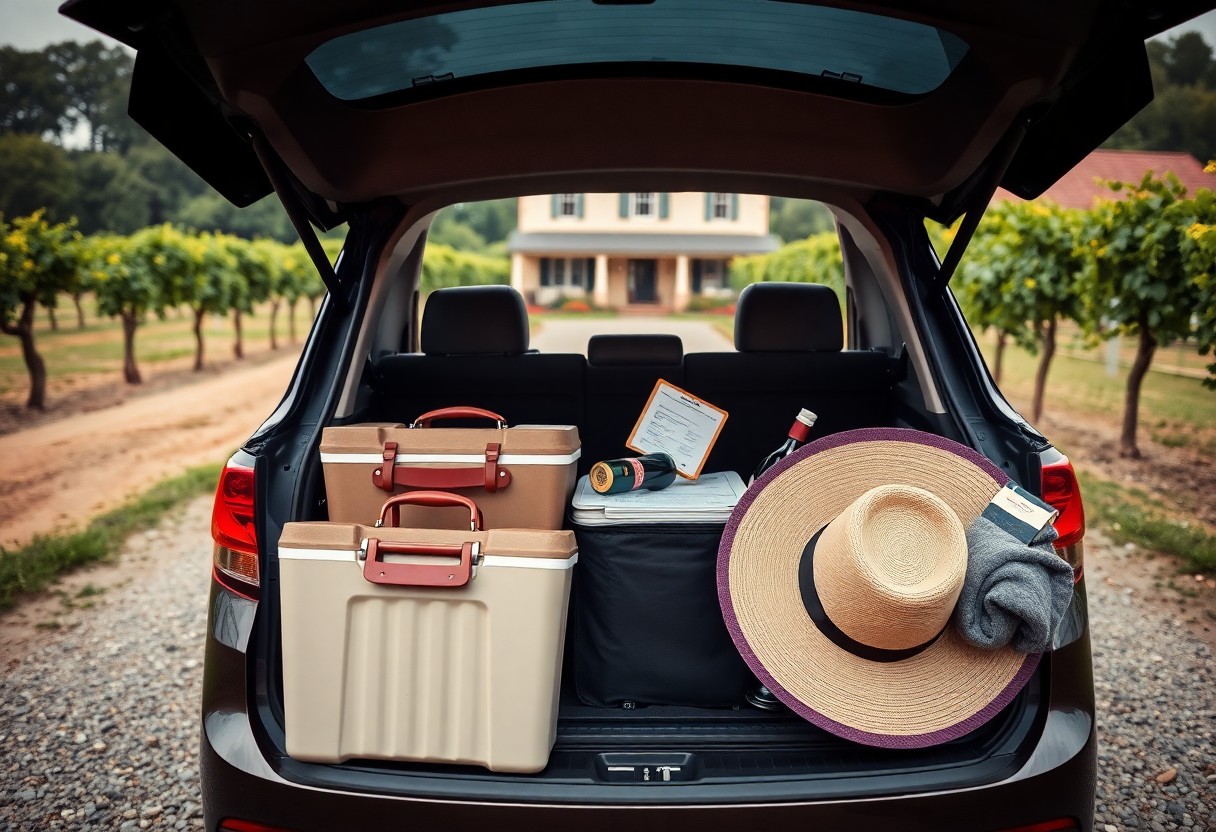
Pack a lightweight crossbody or tote with sunscreen, a hat, water bottle, spare mask, and your ID and reservations. Bring a small notebook and pen for tasting notes. Protect valuables in a zip pocket and plan a designated driver or ride-share if you’ll be tasting heavily.
How to Dress for Comfort and Style
Choose breathable layers and flat, closed-toe shoes you can walk in all day; vineyards can be dusty and uneven. Avoid overpowering perfumes and carry sun-protective accessories. A light jacket handles cool mornings, and comfortable shoes will keep you tasting longer.
Essential Items to Carry Between Vineyards
Bring a refillable water bottle, light snacks, ID, cash or card, phone charger and any prescription meds. Include a compact umbrella and a soft tote for bottles. Keep a designated payment method and ID accessible to speed check-ins and tastings.
Keep hydration steady between tastings by sipping water and snacking; this helps maintain palate clarity and limits intoxication. Share bottles safely and use tasting spitoons when offered. Always book a ride-share or designated driver in advance to avoid driving after drinking.
Managing Your Budget and Wine Purchases
Managing your winery spending means allocating a daily tasting budget, deciding whether to buy bottles or cases, and factoring in tasting fees and shipping costs. Use a simple spending cap so you can enjoy without overspending.
Factors Influencing Tasting Fees and Bottle Prices
Local popularity, production scale, and vintage quality drive tasting fees and bottle prices. Member discounts, release status, and limited-production labels also raise costs. Thou should compare tasting menus and bottle lists before committing.
- Production scale
- Vintage quality
- Membership discounts
Tips for Shipping and Transporting Your Finds
Packing bottles with insulation and sturdy boxes reduces breakage and insurance claims; confirm winery shipping policies and carry-on allowances for flights. Check tax and customs rules before ordering. Any expedited shipping increases costs and may require extra documentation.
- insulation
- customs
- insurance
When you ship purchases, request winery packing, ask for tracking, and verify carrier that accepts alcohol; compare winery options versus third-party freight. Keep invoice copies for duties and insurance. Any delays at customs will change delivery windows and might require pickup.
- tracking
- duties
- carrier restrictions
Summing up
Now you plan the perfect winery trip by booking tastings in advance, arranging safe transport, checking fees and food options, spacing visits to avoid palate fatigue, and asking about tours and tasting styles to match your preferences.
FAQ
Q: How should I plan the itinerary and timing for a winery trip?
A: Plan your itinerary around driving times and each winery’s hours to avoid rushed visits. Aim for three to five stops per day so you can taste deliberately, ask questions, and enjoy any tours or pairings. Book tastings in the morning or late afternoon when palates are freshest and crowds are smaller; mid-day can be busiest. Check the region’s harvest calendar because crush season (usually late summer to early fall) brings winery events, limited tour availability, and heavier traffic. Allow extra time at a winery you especially like so you can join a guided tour, do a food pairing, or shop the cellar without cutting other reservations short.
Q: What should I know about reservations, tasting fees, and tour types?
A: Ask each winery about reservation requirements and booking windows before you go; some smaller or high-end estates are appointment-only. Tasting fees commonly range from $15 to $50 per person, with higher prices for guided cellar tours or food-pairing experiences. Many wineries waive the fee with a one- or two-bottle purchase or credit the fee toward a bottle; verify the policy and minimum purchase amount. Different formats include walk-up bar tastings, seated flights, guided vineyard or cellar tours, barrel tastings, and curated pairing menus-choose based on how deep you want the experience to be. Confirm cancellation, change, and group-size policies so you avoid surprise charges if plans shift.
Q: What practical items, etiquette, and transportation plans should I arrange?
A: Pack layers, closed-toe shoes, sunscreen, and a hat for sun and uneven terrain. Bring a valid photo ID for alcohol service and a credit card if you plan to buy bottles or ship purchases. Arrange transportation ahead of time: hire a driver, reserve a shuttle, book rideshares with pick-up windows in wine regions, or designate a sober driver. Spitting into provided buckets or sinks and pacing tastings helps you compare wines without overconsuming. Carry water and light snacks between stops to stay hydrated. If you buy many bottles, ask about winery shipping options and legal shipping limits for your destination; store bottles upright and secure them during transit if you must transport them yourself. Consider joining a winery mailing list or club at places you love to receive release notices, discounts, and priority booking for special events.