A Toast to a Hidden Paradise
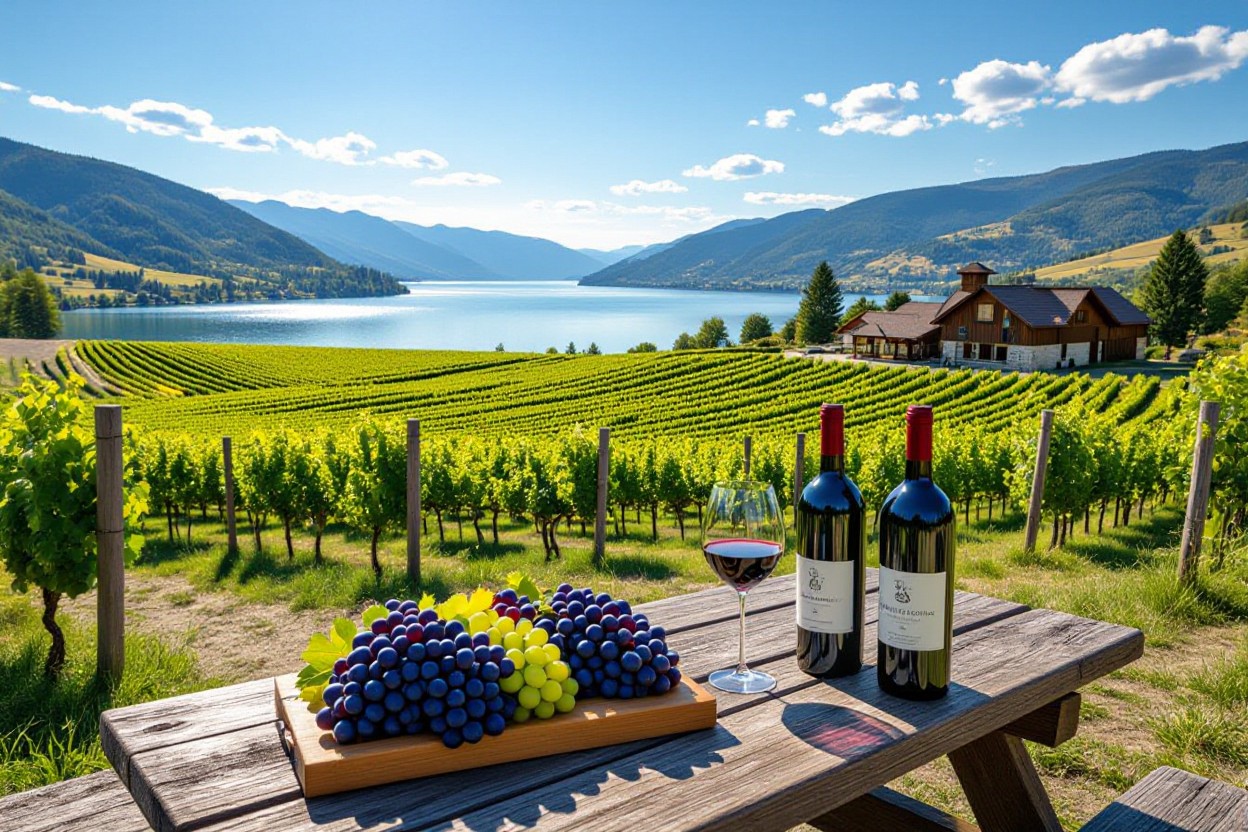
You step into the Okanagan and instantly feel the charm: sun‑kissed vineyards ripple down slopes toward sparkling lakes, and over 200 wineries—including the first Indigenous‑owned winery in North America—invite you to sip stories with every glass. Your days are best spent pairing crisp whites and bold reds with the region’s farm‑to‑table bounty, lingering on breezy patios, and letting the landscape unfold between tastings.
Spread across 250 kilometres and accounting for 86% of BC’s vineyard acreage, the valley basks in a warm continental climate that gives you up to 2,000 hours of sunshine—perfect for ripe, expressive wines—but daytime temperatures can soar to 40°C, so pace your tastings and savor the cool lake breezes that keep the vines balanced and your visits delightful.
Key Takeaways:
- BC’s largest grape-growing region, the Okanagan Valley stretches ~250 km and hosts over 200 wineries across distinct sub-regions, offering a wide range of varietals from crisp whites to bold reds.
- Hot, sunny days with cool nights and diverse, mineral-rich soils create concentrated fruit, vibrant acidity, and layered wines that reflect the valley’s varied terroirs.
- Combine tastings with farm-to-table cuisine and abundant outdoor activities—lakes, trails, golf, and Indigenous cultural experiences—for a full wine-country visit.
Exploring the Vine-Covered Terrain
You’ll find the Okanagan Valley stretching in a sun-drenched ribbon, over 250 kilometres long, a landscape of lakes, rolling benchlands, and sagebrush-scattered foothills that host more than 200 wineries. As you drive between tasting rooms, you’ll notice how vineyards cling to slopes, sit along sparkling shores, and step down to desert-like pockets in the south—all contributing to a region that accounts for 86% of BC’s vineyard acreage.
Your visits will feel like a tour through living terroir: vineyards on west-facing benches soak up morning sun, while lakes and mountains give each block its own personality. The variety of exposures, elevations and scenery means you can sip a crisp, aromatic white in the morning and a bold, sun-ripened red by sunset—often within a few kilometres.
Geographic Marvels: Lakes and Mountain Slopes
When you stand on a vineyard slope overlooking Okanagan Lake or Skaha Lake, the interplay between water and elevation becomes obvious: cooling lake breezes moderate daytime heat and lengthen your growing season, while slopes provide ideal drainage and sun exposure for ripening. West-facing sites like the Naramata Bench and Summerland benches capture balanced warmth that yields layered whites and refined reds.
The valley’s glacially carved cliffs and river terraces create a patchwork of micro-sites, so as you explore you’ll notice pockets of uniquely stony or sandy soils and sudden drops that funnel air. Those features give you dramatic views and, more importantly for winemaking, allow vintners to match grape varieties to the exact slope and aspect where they thrive.
Climate and Soil: The Perfect Recipe for Outstanding Wines
As you taste through the region, you’ll feel the effects of a warm continental climate with up to 2,000 hours of annual sunshine, hot, dry summers, and reliably cool nights that preserve acidity. Be aware that daytime temperatures can soar to 40°C, so plan outdoor activities and tastings accordingly to avoid the heat at peak hours.
Below your feet the valley offers a rich mosaic of growing mediums—ancient glacial deposits, volcanic fragments and river-sorted mixes of sand, gravel, clay and silt. Those mineral-rich soils stress vines just enough to concentrate flavors and produce wines with texture and complexity; in the south, the desert edges near Osoyoos push grapes toward bold, fruit-forward profiles.
Because you experience both strong sun and cool nights, your grapes develop concentrated flavours while keeping lively, balancing acidity—ideal for varieties from aromatic Riesling and Pinot Gris to structured Merlot and Cabernet Franc. When you visit sub-regions like Golden Mile or Skaha Bench, you’ll taste how soil heat retention and nighttime cooling combine to shape style: plush, ripe reds from sun-baked benches and crisp, precise whites from cooled, higher-elevation sites.
Navigating Okanagan’s Distinctive Regions
As you weave your way down the valley, you’ll feel how microclimates and soils sculpt each sub-region’s personality — from cool lakeside benches to sunbaked desert slopes. The Okanagan’s long, sunny season and hot days with cool nights let grapes develop concentrated flavours while preserving fresh acidity, so plan for tastings that showcase both ripe fruit and bright structure.
Pick regions that match your palate and plans: if you want crisp, aromatic whites and sparkling wines, head north; if you seek classic Bordeaux and Burgundian styles with excellent food pairings, center yourself around Kelowna and Naramata; and if you chase bold, sun-ripe reds, the south will reward you. Keep water, sun protection and flexible timing in mind — high daytime temperatures can exceed 40°C in summer.
North Okanagan Valley: Bright Whites and Pinot Noir
You’ll find the North Okanagan defined by refreshing acidity and delicate aromatics — think Riesling, Pinot Gris and elegant Pinot Noir — thanks to cooling breezes off Okanagan Lake and well-drained, ancient soils. Tasting rooms here tend to be intimate, and you can pair sparkling and white flights with nearby farm-fresh producers for light, lively combinations.
Explore Lake Country’s west-facing slopes and East Kelowna’s higher elevations for refined expressions that balance fruit and minerality; cool nights and elevation give you wines with clarity and finesse that are easy to sip on a sunny patio.
Central Okanagan Valley: A Blend of Classics
In the Central Okanagan you’ll encounter a versatile mix of styles — structured Merlots and Chardonnays, expressive Pinots and food-friendly blends — shaped by lake-moderated temperatures and varied benchlands like Naramata and Summerland. This is where you’ll enjoy a true farm-to-glass scene: vineyards, artisan producers, and acclaimed restaurants clustered for easy tasting routes.
Kelowna and the Naramata Bench offer a range from approachable cellar-door pours to more serious estate bottlings, so you can build a tasting day that moves from casual sips to headline wines. Expect a lively mix of boutique operations and larger estates, all within short drives and scenic stops.
More info: You’ll find that the Central Okanagan’s accessibility makes it ideal for vineyard-hopping by bike or boat; many estates offer food pairings and tours, letting you deepen your knowledge while savouring regional staples like Chardonnay, Pinot Noir and Merlot — a perfect spot if you want variety without long drives.
South Okanagan Valley: Bold Flavors and Sunny Vines
The South Okanagan is where the valley turns desert-like and the wines grow riper and more concentrated — bold, fruit-forward reds like Merlot and Cabernet Franc thrive on warm, stony benches such as Golden Mile. The intense sunshine produces powerful flavours, so plan tastings that let you compare lush, ripe styles against cooler-site bottlings for balance.
While you’ll love the sun-soaked terroir and full-bodied wines, take precautions when touring in summer: temperatures can be extreme, and vineyards are often exposed with limited shade, so bring water and sun protection and book tastings during cooler parts of the day.
More info: Around Osoyoos and Oliver you can combine winery visits with lake time and desert hikes, making the south ideal for pairing robust reds with hearty, regional cuisine — many wineries here showcase plush fruit, spice, and bold structure that reward slower, sit-down tastings.
Similkameen Valley: Embracing Organic Practices
The Similkameen is intimate and rugged, known as Canada’s “organic capital” for its concentration of small, sustainably minded farms and producers. With fewer wineries and dramatic mountain backdrops, you’ll get personable cellar-door experiences and wines that reflect low-intervention practices and a strong sense of place.
Expect Rhône and Bordeaux-influenced varieties alongside expressive whites, all grown on diverse, mineral-rich soils that produce concentrated, terroir-driven bottles. The region’s scale means tastings feel relaxed and educational — a great choice if you value sustainability and direct conversations with winemakers.
More info: The Similkameen’s roughly 17 licensed wineries and under 800 acres of vines make it perfect for a slower itinerary; you can often tour vineyards, meet producers, and sample small-batch releases that showcase organic and biodynamic techniques, giving you a close-up view of sustainable viticulture in practice.
The Must-Visit Wine Country Gems
When you explore the Okanagan, you’ll find a handful of wineries that define the region’s charm—lakeside estates, boutique cellars, and experimental producers that make every tasting feel personal. Seek out a mix of classic estates for polished pours and smaller producers for adventurous, limited-release finds; book tastings ahead and plan for warm afternoons and cool evenings so you can enjoy every glass in comfort.
Each stop pairs perfectly with outdoor views and local food—so pack sun protection for hot days (temperatures can reach around 40°C) and leave room in your itinerary for cheese plates, vineyard walks, and cellar tours that reveal the story behind each bottle.
Quails’ Gate Winery: Lakeside Luxury and Iconic Pinot
You’ll be drawn to Quails’ Gate for its sweeping lakefront views and a tasting experience that pairs well with your desire for comfort and quality. Their Pinot Noir and Chardonnays are often the stars, showcased on a terrace where you can sip while watching sunlight ripple across Okanagan Lake.
The on-site restaurant elevates your visit with seasonal pairings, and guided tastings let you compare vintages and vineyard blocks; expect busy weekends and limited seating, so reserve your spot if you want the full lakeside luxury.
Noble Ridge Vineyard & Winery: Scenic Serenity
Noble Ridge rewards you with a peaceful, elevated setting where cool air and gentle slopes influence delicate fruit and bright acidity. You’ll appreciate the intimate tasting room and the chance to enjoy wines that reflect the higher-elevation finesse of the Central Okanagan.
The property is ideal for relaxing picnics or slow tastings—bring layers for cooler evenings and give yourself time to soak in the vistas between pours.
More info: Noble Ridge crafts small-production bottlings, so if you’re chasing vineyard-specific releases or barrel samples, call ahead for appointments and ask about limited lots that may not be widely available.
JoieFarm Winery: Artisan Blends Worth Sipping
You’ll find JoieFarm’s philosophy leans toward handcrafted, terroir-forward wines that pair beautifully with the region’s food scene. Their blends and single-vineyard offerings highlight subtlety and balance, making each tasting feel like a lesson in refinement.
The farm-to-table approach often extends to onsite bites, so plan to linger over small plates that showcase local produce alongside their lighter, expressive wines.
More info: JoieFarm frequently releases small-batch cuvées and seasonal bottlings—expect limited quantities and consider purchasing at the winery if you want to take home something truly special.
Stoneboat Vineyards: Boutique Excellence in Pinot
Stoneboat delivers an intimate Pinot-focused program that will appeal if you prefer wines with elegance and minerality. You’ll enjoy thoughtful tastings in a relaxed setting where the emphasis is on site expression and careful oak treatment.
Staff often guide you through single-vineyard differences and older vintages; book a focused tasting to compare their range and learn why Pinot is their hallmark.
More info: Stoneboat’s limited-production Pinot bottlings can sell out quickly—if you’re hunting reserve wines or older vintages, ask about cellar-stock and mailing-list releases to secure bottles you love.
Bartier Bros. Vineyard & Winery: A Terroir-Driven Experience
Bartier Bros. puts terroir front and center, offering wines that showcase site-specific character and winemaking precision. You’ll notice expressive reds and balanced whites that reflect the warm South Okanagan conditions, often presented in a modern tasting room that emphasizes the craft.
For a deeper dive, opt for a guided tasting with the team to explore vineyard sources and production techniques—appointments are recommended for a full winemaker-led experience.
More info: If you’re curious about barrel samples or single-vineyard cuvées, ask about private tastings; these small-lot offerings often stay at the winery or go to their wine club first.
Black Hills Estate Winery: Premium Tastes for Adventurous Palates
Black Hills is where you go when you want bold, polished wines with a sense of place—expect concentrated reds and experimental single-vineyard releases that reward curiosity. The tasting room and surrounding views make it easy to linger while sampling high-end bottles.
Because many offerings are small-lot and reserve, plan purchases at the cellar door if you find something exceptional that you don’t want to miss out on.
More info: Black Hills often has library tastings and vertical flights by appointment—if you’re exploring depth and ageability, request these special formats to trace how wines evolve over time.
Black Market Wine Co.: Unconventional and Limited Finds
Black Market thrives on experimental styles and tiny productions, so you’ll encounter inventive blends, natural styles, and one-off projects that are fun and unpredictable. It’s a playground for collectors and adventurous sippers who like wines off the beaten path.
Because releases are often limited, plan to pick up bottles at the tasting room or join their release list to secure your favorites before they’re gone.
More info: Expect small tasting flights and rotating selections—if you want to take home a sought-after bottling, act quickly after release days to avoid missing out.
Arrowleaf Cellars: Crisp Whites with a Mountain View
Arrowleaf is a go-to for bright, refreshing whites that pair perfectly with summer afternoons and mountain panoramas. You’ll appreciate their focus on aromatic varietals and lively acidity, served with a backdrop of sweeping valley views.
Outdoor seating is ideal for sipping Sauvignon Blanc or Riesling-style wines—bring sun protection for daytime visits as the benches can be very warm in high sun.
More info: Arrowleaf often highlights single-vineyard whites and small-batch bottlings—ask about seasonal releases and tasting flight options to experience the full breadth of their crisp offerings.
Eau Vivre Winery: Unique Terroir Meets Organic Philosophy
When you arrive at Eau Vivre, you’ll immediately sense how their unique terroir — gravelly benches, cool lake breezes and sun-soaked slopes — shapes every glass. The team leans into an organic, low-intervention approach, producing small-batch wines that let the land speak; if you want a deeper regional primer, check the Okanagan Wine Country: Wine Geek’s Exploration Guide for context on microclimates and soil types.
You’ll taste crisp acidity in the whites and concentrated fruit in the reds, a direct result of careful vineyard work and the valley’s hot, dry summers that can reach 40°C, which can stress vines when exposure is extreme. Sip slowly, ask about harvest methods, and you’ll see how their organic philosophy yields wines with distinctive, terroir-driven character.
Indigenous World Winery: A Cultural Connection Through Wine
At Indigenous World Winery, you’re stepping into more than a tasting room — you’re entering a living cultural experience where Indigenous ownership and storytelling shape the wines and the visit. You’ll meet wines crafted to reflect land and tradition, and your tasting often includes art, stories, and food pairings that connect grape to community.
Be mindful that some offerings are ceremonial or private, and you should honor cultural protocols when you participate; many experiences require advance booking. When you engage respectfully, you’ll leave with a richer appreciation of how Indigenous knowledge and winemaking combine to create powerful, place-driven wines.
Adventures Beyond the Bottle
When you step away from tastings, the Okanagan unfurls into a playground of sun-drenched vineyards, sparkling lakes, and benchlands ripe for exploration—with more than 200 wineries to anchor your itinerary. If you want crowd-sourced picks before you go, check community suggestions at Okanagan Valley, BC Winery Recommendations : r/wine. On hot summer days, daytime temperatures can soar to 40°C, so plan tastings and outdoor time around cooler mornings or evenings and keep water on hand.
Your days can balance active adventure with slow, delicious moments—hike ridge trails at dawn, paddle a glassy lake at midday, then sip a bold red as the sun drops. The valley’s varied microclimates mean you’ll find both high-energy excursions and mellow spots to savor the view, so you can tailor each day to match your pace.
Explore the Landscape: Outdoor Activities Await
You can hike sweeping ridgelines, bike the Kettle Valley Railway, tee off on acclaimed golf courses, or launch a paddleboard from a sandy beach—there’s a way to get outside no matter your energy level. Trails range from gentle lakeside strolls to rugged, exposed routes where steep sections and strong sun require sturdy shoes and extra water.
Water lovers will find endless options: swim, kayak, or jet across warm Okanagan waters, while winter transforms nearby slopes into powder playgrounds. Plan for changing conditions and pack layers so you can chase sunrise views and still be comfortable by sunset.
Culinary Delights: Savoring Local Flavors
You’ll pair vineyard visits with farm-to-table feasts—cheese boards, seasonal produce, and menus built around local cherries, peaches, and stone fruit. Many wineries and restaurants craft tasting menus that showcase regional ingredients, so you can taste how the land shapes each bottle and bite.
Food tours and farmers’ markets let you meet growers and small-batch producers, giving you a direct line to the valley’s culinary scene. If you love pairing, you can design a full day of matched tastings and plates that highlight bright whites and fruit-driven reds.
For extra depth, seek out winery restaurants and chef-driven pop-ups where sommeliers and chefs collaborate on pairings; you’ll learn which varietals lift citrus and which anchor rich, savory dishes, making each meal a lesson in local terroir.
Embracing Culture: Indigenous Heritage and Local Art
You can connect with the land’s Indigenous stories through guided cultural experiences, galleries, and community events that spotlight traditional knowledge and contemporary art. Visits to Indigenous-led sites and the first Indigenous-owned winery in North America offer meaningful context to the region’s wine and food culture.
Local studios, public murals, and seasonal festivals fill the calendar—spend an afternoon exploring artisan shops or catch live music at a vineyard sunset. These cultural moments deepen your appreciation for the valley beyond its vines.
To enrich your visit, book an Indigenous-guided tour or gallery talk: you’ll gain perspective on land stewardship, traditional foods, and artistic practices that shaped the Okanagan’s identity.
Relaxation Stations: Top Spots for Unwinding
When you want downtime, choose a lakeside resort, a boutique inn on a vineyard bench, or a wellness spa for massages, hot pools, and quiet reading nooks. These spots are designed so you can slow down, sip slowly, and watch golden light slide across the vineyards—perfect for recharging between adventures.
Many wineries and parks offer picnic lawns and sunset viewpoints where you can linger with a bottle and light bites; plan your visit to catch the golden hour for the most memorable vistas. Book spa treatments or tasting reservations in advance if you’re visiting during peak season.
For maximum relaxation, schedule a late-afternoon spa session or a calm sunset cruise on the lake—and keep sunscreen and water nearby so you can enjoy long, leisurely hours outdoors without the heat catching you off guard.
Savvy Sips: Insider Tips for Wine Enthusiasts
You’ll get the most from the Okanagan Valley when you plan with purpose: book appointments, pace your tastings, and sample a mix of boutique and estate wineries. Stay hydrated, use sunscreen between vineyards, and carry a small notebook or phone photos to record favourites so you can buy bottles you love later.
- Book tastings in advance — many popular wineries limit walk-ins.
- Limit to 3–4 sit-down tastings per day to enjoy each pour.
- Hydrate and snack between stops to keep your palate fresh.
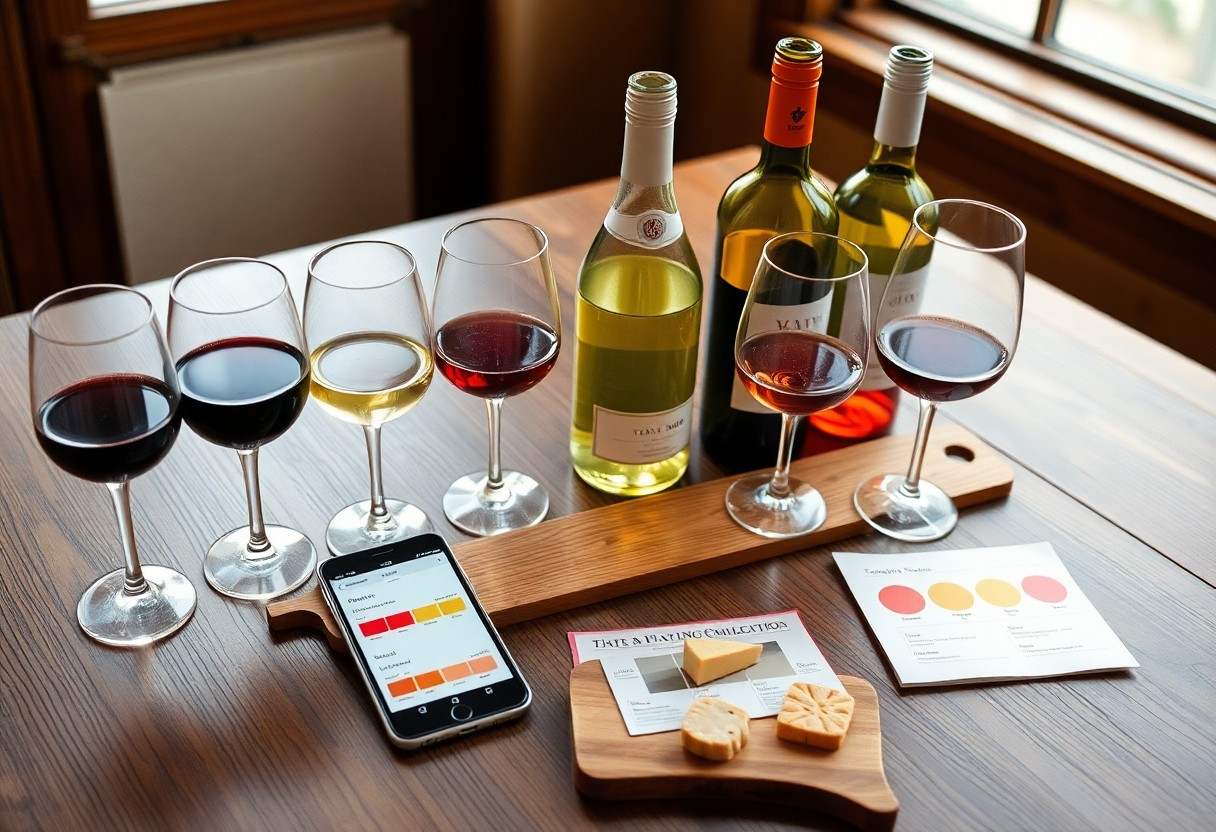
- Ask for flights or smaller pours to explore more varietals.
- Plan logistics before you sip — distances can be longer than they look.
Bold selections like late-harvest whites and full-bodied reds pair beautifully with local food, and striking a balance between scheduled tastings and spontaneous stops will let you discover hidden gems. After you finish tasting for the day, arrange safe transport and jot down the names of any bottles you want to bring home.
When to Visit: Timing Your Wine Journey
You’ll find different charms in every season: spring brings bursting vines and lighter crowds, summer offers long sunny days and lakefront patio sipping, and harvest season in late summer to fall delivers a buzz of activity at many wineries. If you prefer festivals and cellar-door energy, aim for August–October; if you want quieter tastings and lower rates, try May–June or late March–April.
Be mindful that summer can bring heat — daytime highs can reach 40°C — so schedule midday visits indoors or lakeside, and avoid strenuous cycling between far-flung stops on the hottest days.
Crafting the Perfect Tasting Itinerary
Start by clustering wineries by sub-region so you spend more time tasting and less time driving; Naramata Bench, Summerland, and the Golden Mile each have distinct profiles worth a full day. Mix varietals and styles—pair a crisp Riesling with an oaked Chardonnay or a light Pinot Noir with a robust Merlot—to keep your palate engaged.
Book your must-visit estates first, then slot in smaller producers or tasting rooms as fill-ins; many places offer flights that let you compare vintages and techniques in one visit. Bring a loose schedule but leave time for a relaxed lunch at a vineyard restaurant to taste wines with food.
For more depth, map travel time between stops and add buffer for unexpected detours or longer conversations with vintners; pacing is as important as the list of wineries you choose so you enjoy the experience without rushing.
Getting Around: Wine Tours and Transportation
Choose transportation that matches your pace: guided wine tours let you taste liberally and learn from experts, while renting a car gives you flexibility to explore remote benches and smaller estates. If you drive, make a plan for a designated driver or use local shuttle services to avoid driving under the influence, which is both unsafe and illegal.
Cycling between nearby vineyards can be lovely on cool days but be realistic about distances, heat, and carrying purchases; e-bikes reduce effort but still require careful route planning. Guided tastings are a positive way to meet other enthusiasts and sample a broader range of wines without logistics stress.
Many tour operators provide curated themes—sparkling, organic, or food-pairing routes—so pick one that matches your interests and confirm pick-up/drop-off points and cancellation policies before you book.
Seasonal Pairings: Making the Most of Your Experience
Match wines with the season: early-spring asparagus and early greens sing with a zippy Sauvignon Blanc, summer evenings call for chilled Rosé or bright Pinot Gris, and harvest time pairs best with hearty reds like Merlot and Cabernet Franc. Seek out vineyard restaurants and farmers’ market stalls to sample true local produce pairings.
Spotlight producers often release seasonal menus or limited wines that reflect the vintage and terroir—ask staff for local pairing suggestions to discover combinations you wouldn’t try at home.
After you taste seasonal pairings, jot down pairing ideas and pick up a jar or two of local preserves or cheeses to enjoy those matches later at home.
Cheers to New Discoveries!
You’ll toast to unexpected favourites as you wander sun-drenched vineyards that stretch over 250 kilometres, sampling from 200+ wineries—from charming boutique cellars to the first Indigenous-owned winery in North America. Pair each glass with the region’s farm-to-table bounty, chase lively sparkling whites and bold reds, and let the valley’s mix of lakes, mountains and desert shape your perfect day.
As you explore, note that daytime temperatures can soar to 40°C, so stay hydrated and pace your tastings, while enjoying refreshing cool nights and the valley’s endless outdoor adventures—from sailing and hiking to world-class trails in the Trails Capital of BC.
FAQ
Q: Which 10 wine-country gems are featured in “Okanagan Valley Uncorked: 10 Wine Country Gems You Can’t Miss” and what makes each special?
A: The guide highlights a mix of landmark estates, boutique producers, and distinctive tasting experiences across the valley: Quails’ Gate (classic Kelowna estate with lakeside views and ageworthy Chardonnays and Pinot Noir); Noble Ridge Vineyard & Winery (small-lot, vineyard-driven reds and a focus on site expression); JoieFarm Winery (mountain-influenced site producing elegant Pinot and Chardonnay); Stoneboat Vineyards & Pinot House (known for approachable Pinot Noir and scenic picnic grounds); Bartier Bros. Vineyard & Winery (handcrafted, terroir-focused reds from south-Okanagan benchlands); Black Hills Estate Winery (structured reds and a mineral-driven profile from cooler sites); Black Market Wine Co. (modern, experimental small-batch wines and bold labels); Arrowleaf Cellars (signature vineyard-designated wines on the Naramata Bench); Eau Vivre Winery & Vineyards (Similkameen-driven styles with a commitment to minimal-intervention winemaking); and the region’s first Indigenous-owned winery (a landmark destination blending Indigenous stewardship, cultural programming, and distinctive local wines). Each stop is selected for terroir-driven wines, memorable tasting experiences, and access to nearby culinary or outdoor activities.
Q: When is the best time to visit the Okanagan for this wine tour, and how should I structure a 2–4 day itinerary?
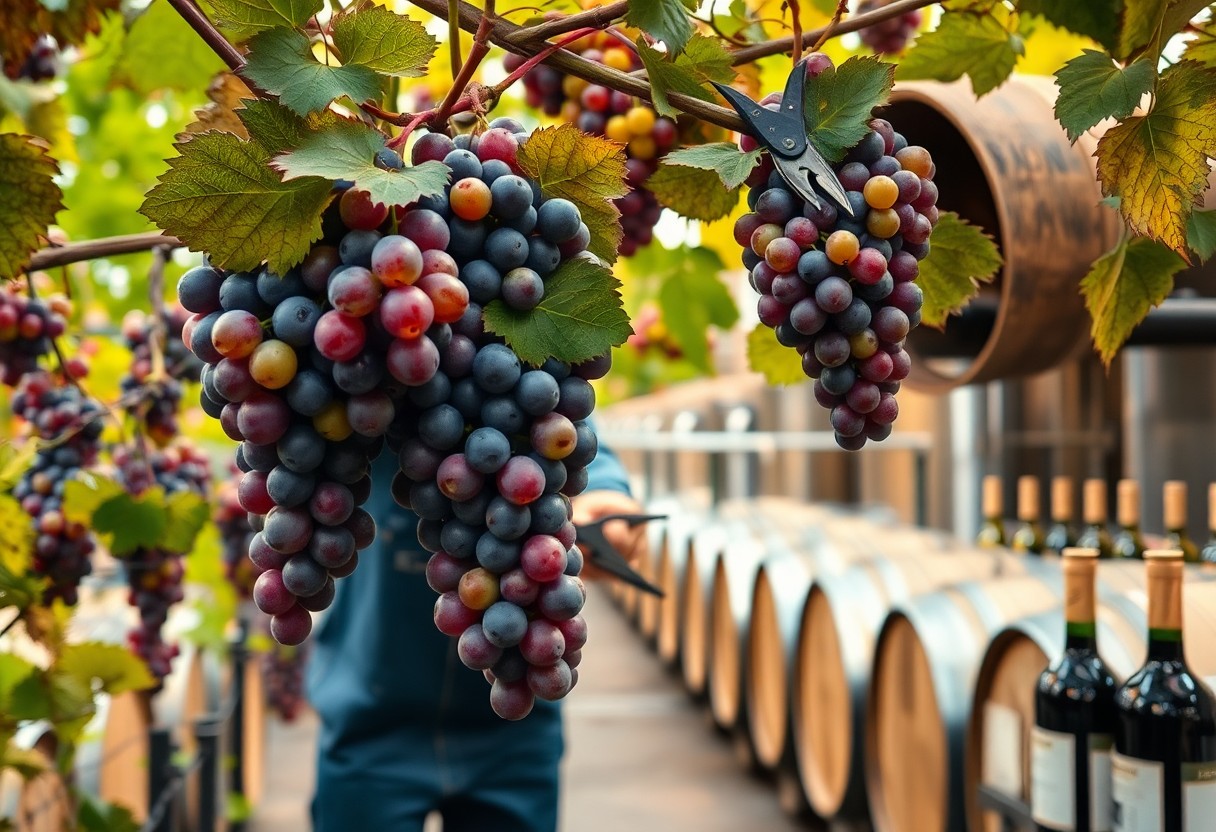
A: Peak season runs late spring through early fall (May–October). Summer (July–August) offers long sunny days and full tourism services; early fall (late August–October) adds harvest energy with winery events and grape-picking scenes. A sample 2–4 day plan: Day 1 — base in Kelowna or Naramata Bench, visit Quails’ Gate and JoieFarm for afternoon tastings and a winery dinner; Day 2 — Naramata Bench and Black Market/Arrowleaf for back-to-back tastings, vineyard walks, and a farm-to-table lunch; Day 3 — travel south toward Penticton and Skaha Bench (Stoneboat, Black Hills), with time for lakeside recreation; Day 4 — explore Oliver/Golden Mile Bench and a visit to the Indigenous-owned winery or Eau Vivre in the Similkameen for a quieter, terroir-focused finale. Book weekend reservations in advance, allow 45–90 minutes per winery, and factor in transit time between sub-regions—the valley stretches 250 km with varied microclimates.
Q: What practical tips should I follow for tastings, transportation, food pairings, and booking special experiences?
A: Reserve tastings ahead, especially for estate tours, barrel tastings, or harvest events; many wineries limit walk-ins. Expect tasting fees at boutique producers—fees are often waived with bottle purchases. For safety and convenience, arrange a driver or an organized wine tour (private or group), or plan short, clustered routes (Naramata Bench, Summerland, or Golden Mile Bench) to minimize driving. Cycling routes and the Kettle Valley Railway offer active alternatives for parts of the trip; boat or lakeside stops work well for mid-day breaks. Pairings: seek wineries with on-site restaurants or nearby farm-to-table venues to match crisp whites with local seafood and salads, and sun-ripe reds with grilled meats, charcuterie, and regional fruit desserts. Allow flexibility for weather—hot days with cool nights influence grape ripeness and tasting profiles—and check winery policies for pets, group sizes, and tasting-room etiquette.