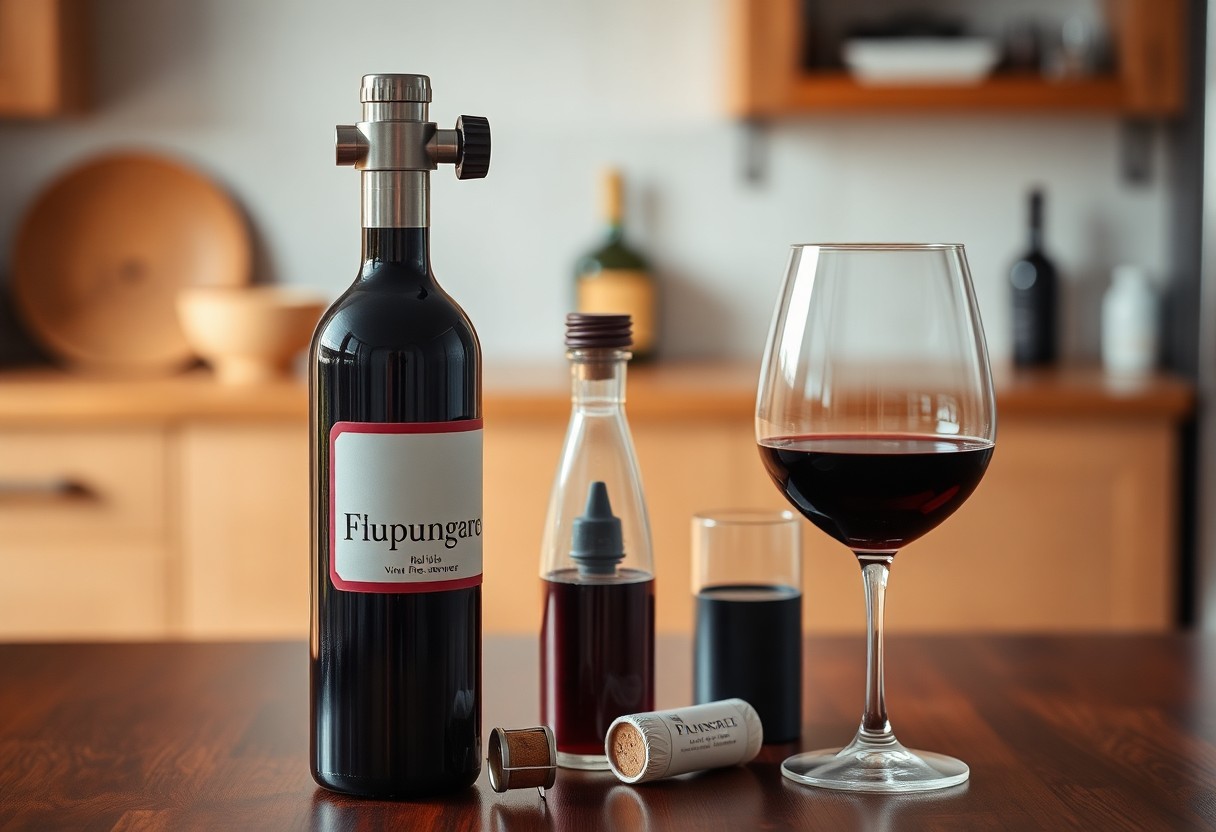
Just re-cork and store upright, chill opened wine, use a vacuum pump or inert gas to limit oxygen exposure, and avoid heat and light to keep your wine tasting its best.

Key Takeaways:
- Recork tightly or use a silicone/elastic stopper to limit air contact; if the original cork is damaged, use a reusable wine stopper for a snug seal.
- Remove oxygen by using a vacuum wine pump or pouring the wine into a smaller, airtight bottle; argon inert-gas sprays also displace oxygen effectively.
- Store upright in a cool, dark place or in a regular refrigerator, away from heat and light; drink whites and rosés within 3-5 days and reds within 2-3 days for best flavor.
Primary Factors That Lead to Wine Spoilage
Factors like oxygen, light, temperature, and microbes speed wine spoilage; you should monitor each to keep an opened bottle drinkable. Knowing how they interact lets you pick the best preservation tactics.
- Oxygen – exposure and oxidation
- Light – visible and UV damage
- Temperature – heat and fluctuations
- Microbes – bacteria and acetic development
The role of oxygen and oxidation
Oxygen exposure speeds oxidation, dulling aromas and creating flat or vinegar-like notes; you should reduce headspace, recork promptly, and consider inert gas sprays to slow the change.
Impact of ambient light and UV exposure
Light penetration breaks down fragile aromatics and causes lightstruck faults with off-odors; you should keep opened bottles in dim spots or wrapped to prevent rapid sensory damage.
Sunlight and artificial UV degrade phenolics and hasten off-notes, so you should shield bottles with opaque covers or move them away from windows; dark storage preserves more of the wine’s character.
Light effects and mitigations
| Effect | What you can do |
| Flavor loss | Store in dark cabinets or wrap bottles |
| Lightstruck (UV) | Use UV-filtering wrap or relocate from windows |
| Color fading | Keep away from bright bulbs and direct sun |
Temperature fluctuations in the home environment
Temperature swings speed chemical reactions and push oxygen in and out of the bottle; you should avoid hot spots and repeated fridge-to-room moves to limit oxidation and souring.
Storage consistency reduces stress on wine: steady cool temps slow aging while rapid swings cause expansion that forces air exchange; you should use interior cabinets or insulated carriers to buffer changes.
Temperature effects
| Condition | Impact / Action |
| High heat | Speeds oxidation and cooks aromas – move to cooler spot |
| Fluctuations | Causes thermal shock and air ingress – store in insulated area |
| Stable cool | Preserves freshness longest – aim for consistent temperature |

Practical Methods to Reduce Oxygen Exposure
These straightforward steps focus on cutting oxygen contact so you keep wine fresher without refrigeration; use smaller bottles, vacuum pumps, or inert gas sprays, and store upright and cool to slow oxidation.
Decanting leftovers into smaller glass bottles
Transfer leftover wine into clean, smaller glass bottles or half-bottles to minimize headspace; cap tightly and store upright in a cool, dark spot so you reduce oxidation and preserve flavors for several days.
Using manual vacuum pump systems
Use a manual vacuum pump with an airtight stopper to extract air, lowering oxygen contact; you can extend quality by a few days, though aromas may still fade.
Operate the pump by inserting the stopper and pumping until firm resistance, then seal and chill; you’ll typically get 2-4 days for reds and 1-2 days for delicate whites. You should not use on sparkling wines, since vacuuming destroys bubbles and their texture.
Implementing inert gas preservation sprays
Spray inert gas such as argon or nitrogen into the bottle before resealing to create an oxygen-free blanket, then cap quickly; you’ll often preserve aromatics longer than with vacuum.
Apply short bursts of inert-gas spray and let the heavier-than-air gas settle before you cap; keep pressurized canisters away from heat and puncture. For many bottles this method will preserve freshness better than vacuum pumps.
Managing Different Wine Varieties for Longevity
Strategies for different wine styles help you slow oxidation and preserve flavor; match storage method-chill whites/rosés, use airtight seals for reds, and tight stoppers for sparklers-and label opened bottles to track freshness.
Preserving the carbonation in sparkling wines
Use a proper sparkling stopper, keep the bottle cold and upright, and avoid reheating; consume within 1-3 days for best fizz or transfer remaining wine to a smaller bottle to reduce air.
Extending the freshness of light whites and rosés
Recork and chill light whites and rosés immediately, then apply a vacuum pump or inert-gas spray to slow oxidation; aim to drink within 3-5 days for peak fruit and acidity.
You should store these wines at about 4-10°C, keep them upright to minimize surface exposure, and favor inert-gas preservation when aromatics matter most. Use a vacuum pump if you plan to keep a bottle several days, and watch for signs of decline-browning or a sharp, sour smell indicates it’s past its prime.
Protecting the structure of full-bodied red wines
Store opened full-bodied reds upright, recork tightly, and use a vacuum pump or inert gas; briefly refrigerate to slow oxidation, then bring back to serving temperature before drinking.
Allow heavier reds to benefit from vacuum sealing, which best preserves tannin structure and mouthfeel, while inert gas protects delicate aromatics. Keep bottles away from heat and light, and expect most full-bodied reds to stay drinkable for 3-7 days depending on tannin and age-older, low-tannin wines decline faster.
Summing up
Considering all points, you should minimize oxygen by recorking or using a vacuum pump, chill the bottle upright away from light, and consume within a few days to maintain the wine’s flavors.

FAQ
Q: What are the most effective ways to keep an open bottle of wine fresh longer without a wine fridge?
A: Recork the bottle tightly or use a silicone or rubber wine stopper to reduce air exchange, then chill the bottle in a standard refrigerator for white, rosé, and most sparkling wines. Vacuum wine pumps remove air from the bottle to slow oxidation; expect 2-5 extra days of freshness depending on wine type. Inert gas sprays (argon/helium blends) blanket the wine surface with an inert layer and can extend freshness by several days without changing flavor. Transfer leftover wine into a smaller, clean bottle and seal it to minimize headspace when you have large air volume left. Use a sparkling wine stopper for bubbly; fizz is best within 1-3 days even with a good stopper. Store bottles upright in a cool, dark place to reduce temperature swings and light exposure.
Q: How do I use a vacuum pump or inert gas correctly, and which should I choose?
A: Vacuum pump: insert the rubber stopper, pump until resistance increases, then stop; check the seal periodically and repressurize if needed. Expect modest life extension-3-5 days for whites and 2-4 days for most reds. Inert gas: spray the gas into the open bottle so it sinks and forms a protective layer over the wine, then seal with the original cork or a stopper; inert gas works well for delicate aromatics and can preserve aroma longer than vacuum for several days. Choice depends on priorities: choose a vacuum pump when you want lower oxygen levels, choose inert gas for aromatic wines or when you want to avoid any risk of flavor change from pressure variations. Sanitize any second bottle before transferring wine, pour slowly to reduce agitation, fill to the neck and cap immediately to minimize residual air.
Q: How long will different types of wine stay drinkable once opened without a wine fridge, and what storage tips help most?
A: White and rosé wines stored sealed in the refrigerator last about 3-5 days and sometimes up to a week with vacuum or inert gas. Light-to-medium reds last 2-4 days if recorked and chilled briefly; bring them back toward serving temperature for 20-30 minutes before drinking. Full-bodied, tannic reds can hold 3-5 days if properly sealed and stored cool. Sparkling wines lose most carbonation within 24-48 hours unless sealed with a dedicated sparkling stopper; some bubble remains up to 3 days. Keep bottles upright to limit surface area of wine exposed during storage, avoid warm places and direct sunlight, and avoid leaving the bottle at room temperature for long periods. Pour smaller servings within a few days rather than leaving a large open bottle; transferring to a smaller container or using a pump or inert gas will give the best practical extension of freshness.