Balance your enjoyment of wine with habits that protect your health: you should prioritize moderation-typically about one standard glass (≈150 ml) daily-and pair wine with meals, hydration, and alcohol-free days to limit intake. Be aware of heightened risks such as dependence and increased cancer risk if you exceed guidelines, and consult a clinician if you have medications or conditions. When used sparingly, wine can contribute to social wellbeing and cardiovascular benefits, but safety and consistency must guide your choices.
Key Takeaways:
- Practice moderation: stick to standard portions (about 150 ml) and widely recommended limits (up to 1 drink/day for women, up to 2 for men); track servings and avoid drinking beyond those limits.
- Pair and pace: drink wine with meals and alternate sips with water to slow absorption; choose lower-alcohol options and mindful pacing to reduce calories and effects.
- Build healthy habits: schedule wine-free days, prioritize quality over quantity, and check interactions with medications or health conditions to keep wine part of a balanced routine.
Understanding Wine
You can view wine as a beverage with measurable inputs: a standard 5‑oz (150 ml) pour usually contains about 120-125 kcal and roughly 12% ABV, while red varieties offer higher levels of polyphenols that have been linked in observational studies to modest cardiovascular associations; excessive intake, however, increases risk of liver disease and several cancers, so high alcohol intake is dangerous. Recognizing how serving size and frequency shape net benefit helps you make practical choices.
Nutritional Components of Wine
You should note wine is mostly water and ethanol, with small amounts of carbohydrates, residual sugars, organic acids, minerals like potassium, and plant compounds such as polyphenols; a 5‑oz glass contributes ~120 kcal and delivers alcohol that drives most metabolic effects, so while antioxidants are positive, alcohol is the primary health risk. Recognizing the balance between calories, alcohol content, and bioactive compounds guides portion control.
Types of Wine and Their Benefits
You’ll find distinct profiles across styles: red wines (Pinot Noir, Cabernet) usually contain higher polyphenols and tannins, white and rosé have lower tannins and sometimes fewer calories per serving, sparkling wines offer sensory benefits that can slow drinking pace, and fortified wines are higher in alcohol and calories; moderate intake-defined as up to one drink/day for women and up to two for men-frames potential benefits versus harms. Recognizing which style fits your goals refines your choices.
- Red wine – higher polyphenols and tannins, linked to antioxidant activity.
- White wine – generally lighter, lower tannins, sometimes lower residual sugar.
- Sparkling wine – effervescence can reduce drinking speed and portion size.
- Fortified wine – higher ABV and calories; use sparingly.
- Recognizing that moderation and portion control determine whether benefits outweigh risks.
| Red (Pinot Noir, Cabernet) | Higher polyphenols, robust tannins, potential vascular effects |
| White (Sauvignon Blanc, Chardonnay) | Lighter body, lower tannins, often refreshing with food |
| Rosé | Intermediate phenolic profile, versatile with meals |
| Sparkling (Champagne, Prosecco) | Effervescence can affect pace and perception of sweetness |
| Fortified (Port, Sherry) | High ABV and calories; dessert pairing |
You can deepen your approach by matching wine style to your health and lifestyle goals: choose reds for higher polyphenol content when cardiovascular protection is a priority, prefer brut sparkling or dry whites to limit residual sugars, and avoid fortified wines when minimizing alcohol load; a 5‑oz pour remains the practical standard for tracking intake. Recognizing how taste, serving size, and alcohol concentration interact will let you integrate wine deliberately into your routine.
- Serving size – use a 5‑oz (150 ml) standard to track intake accurately.
- Alcohol concentration – higher ABV increases metabolic impact and calories.
- Polyphenol content – more abundant in many red varieties, relevant for antioxidant interest.
- Sugar and calories – choose dry styles to reduce added sugars and kcal.
- Recognizing that matching style, portion, and frequency is the practical pathway to benefit.
| Metric | Practical note |
| Standard pour | 5‑oz (150 ml) ≈ 120-125 kcal at ~12% ABV |
| Moderation guideline | Up to 1 drink/day (women), 2/day (men) for low‑risk use |
| Polyphenol differences | Red > Rosé > White (generally) |
| Sugar variance | Dry vs sweet styles affect kcal and glycemic impact |
| High‑risk types | Fortified wines: higher ABV and calories |
Wine in Moderation
When you weave wine into daily life, aim for patterns that limit cumulative exposure: choose lower-ABV bottles, sip with food to slow absorption, and build in at least two alcohol-free days per week. Studies show pacing and portion control reduce peak blood alcohol and long-term harm; for example, alternating every glass with water or a nonalcoholic course helps you stay within the 1-2 drinks-per-day framework many health bodies advise.
Recommended Serving Sizes
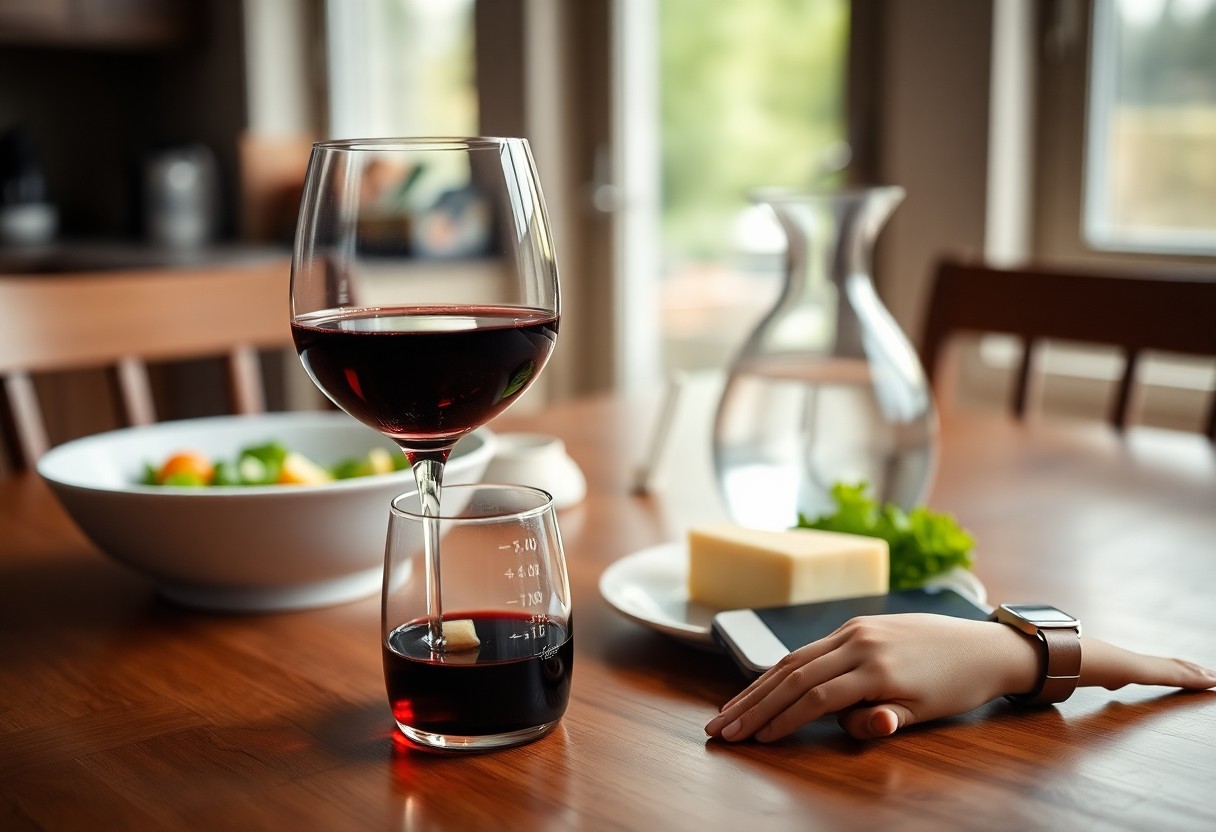
You should treat a standard U.S. drink as 5 fl oz (≈147 ml) of wine at ~12% ABV ≈ 14 g ethanol. Public guidelines typically recommend up to 1 drink per day for women and up to 2 for men, while some countries advise lower weekly totals. Pouring into a measured glass, checking bottle ABV, and noting that a large restaurant pour can be 8-10 fl oz helps you avoid unknowingly doubling your intake.
Health Risks of Excessive Consumption
Drinking beyond recommended amounts raises your risk of hypertension, atrial fibrillation, liver disease, and several cancers, and increases the chance of accidents and dependency. The World Health Organization classifies ethanol and its metabolite acetaldehyde as Group 1 carcinogens, so higher, regular intake amplifies lifetime cancer risk, particularly for breast, liver, and colorectal cancers.
Further evidence shows dose matters: a major Global Burden of Disease analysis found alcohol is a leading risk factor for death and disability in people aged 15-49, and other meta-analyses estimate each additional daily drink can raise breast cancer risk by roughly 5-10% per 10 g of alcohol. Chronic intakes above ~60 g/day (about four standard glasses) are strongly associated with cirrhosis and cardiomyopathy, while even moderate habitual drinking can interact with medications (anticoagulants, some antidepressants) and negate benefits during pregnancy or when you have liver disease. If you have family history of addiction or cancer, erring toward lower or no alcohol is the safer choice.
Pairing Wine with Food
When you pair wine and food, aim to enhance flavors rather than overpower them; match oily fish with high-acidity whites and pair tannic reds with rich, fatty meats. Keep your pour to a standard 5-ounce serving and plan food first to support moderation; consult How to enjoy wine but still have a healthy lifestyle for practical tips. After you tune pairings to your palate.
Benefits of Food and Wine Pairing
Pairing wine with food amplifies contrast and balance, making lower-alcohol bottles feel more satisfying while slowing alcohol absorption when you sip alongside a meal; for example, a 5-ounce pour with protein and fiber paces drinking and can reduce spikes in blood-alcohol concentration. You’ll likely eat more mindfully and avoid overconsumption, improving daily balance. After you experiment with simple matches, benefits become clear.
- Acidity – brightens fatty dishes
- Sweetness – tames spicy or salty flavors
- Texture – match wine body to dish weight
Tips for Choosing the Right Wine
Start by matching intensity: pick a bold Cabernet or Syrah for grilled steak and a zesty Albariño or Sauvignon Blanc for citrus seafood; aim for lower ABV (around ≤12.5%) for weekday meals if you want better balance. Use acidity to cut fat and sweetness to soothe heat, and prefer lighter pours for prolonged social meals. After you select by intensity and occasion, refine choices by your taste.
- Intensity – match wine weight to the dish
- Acidity – cuts through richness
- Alcohol – choose lower-ABV for daily drinking
You can build a simple rotation: keep three reds (a light Pinot, a medium Merlot, and a structured Cabernet) and two whites (Sauvignon Blanc and an oaked Chardonnay) to cover most meals; serve whites at 45-55°F and reds at 55-65°F, and decant young tannic wines for 30-60 minutes to soften harsh edges. Label bottles with ABV to guide weekday versus weekend choices. After you set this baseline, tweak for seasonal ingredients.
- Rotation – keep a small, versatile selection
- Temperature – 45-55°F for whites, 55-65°F for reds
- Decanting – 30-60 minutes for young, tannic wines
Wine and Social Connections
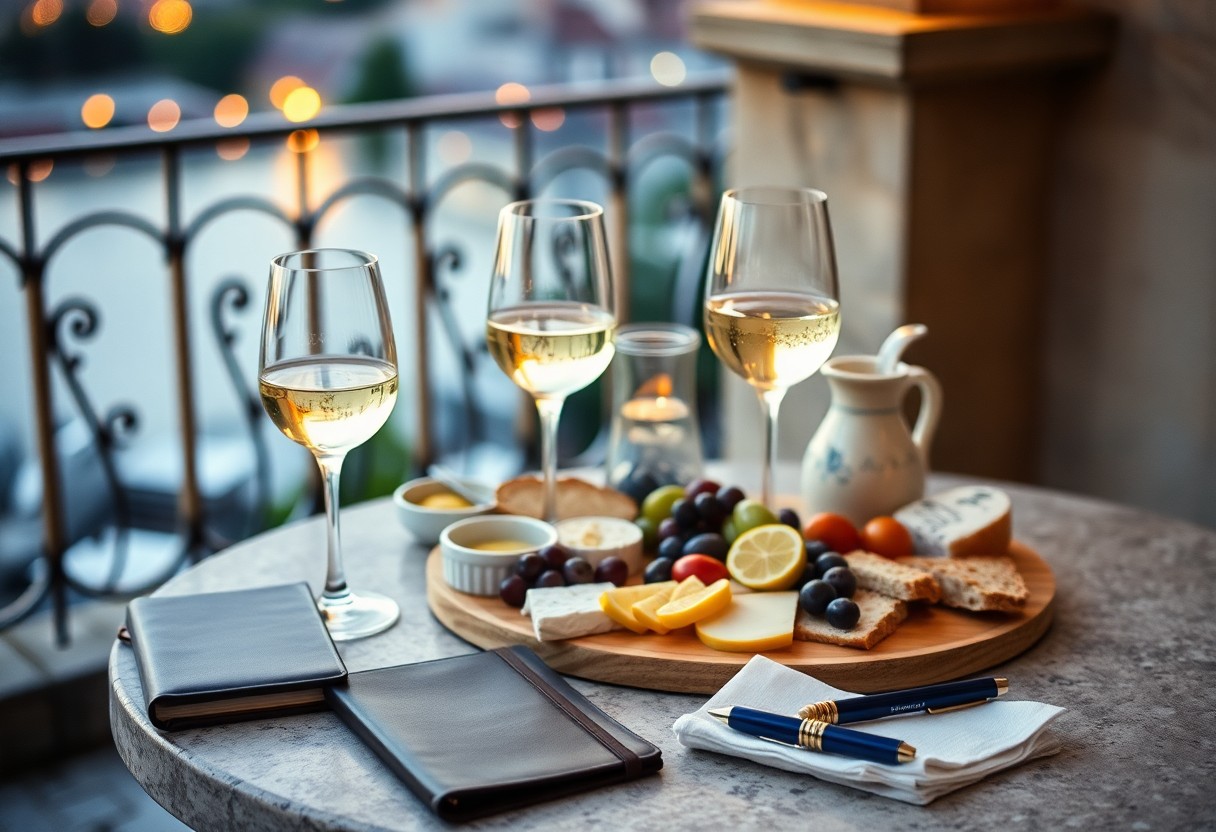
You can use wine to knit social patterns-sharing bottles, organizing tastings, or pairing courses. A standard pour is 5 oz (150 ml), and US guidelines define moderate drinking as up to 1 drink/day for women and up to 2 for men; binge drinking is 4+ drinks for women or 5+ for men within ~2 hours. When you set the pace and provide water and food, wine enhances connection without harming health.
Enhancing Social Interactions
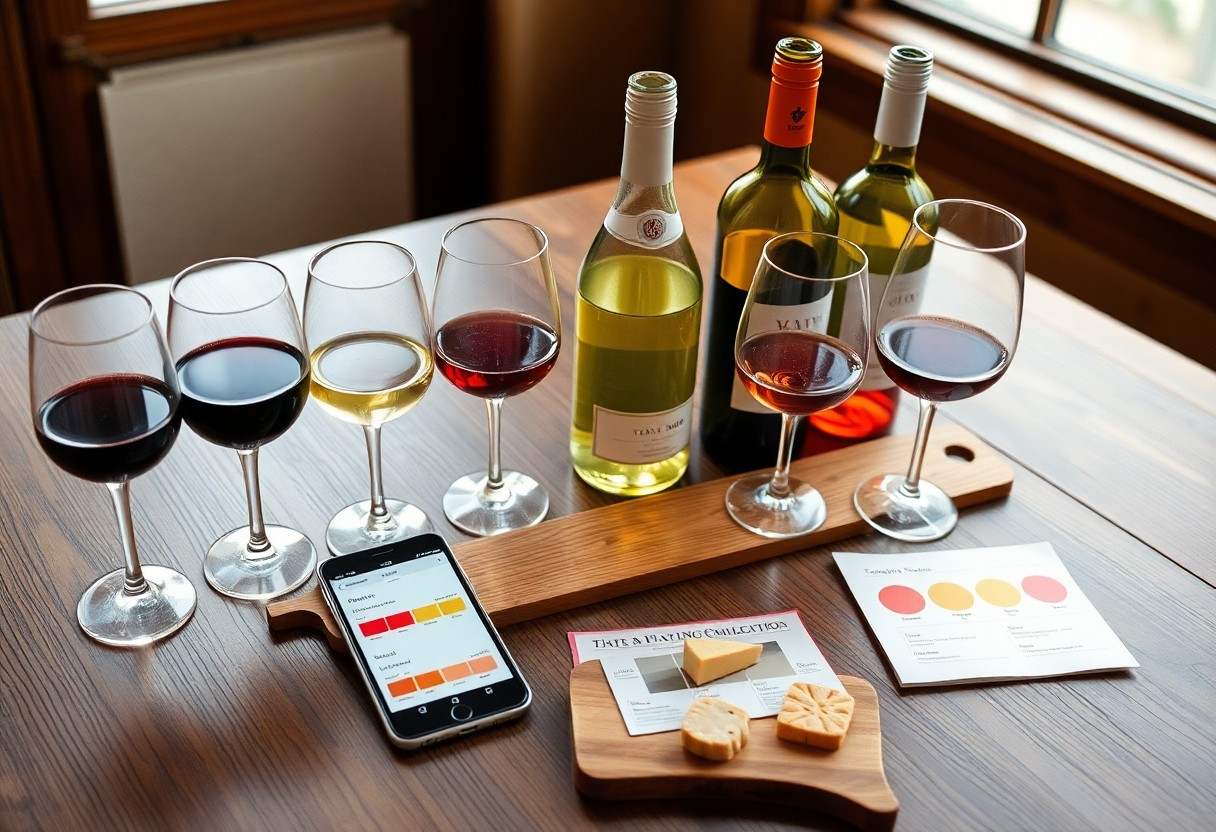
When you host a tasting, structure matters: offer a 4-6 wine flight with 30-60 ml pours, blind-note cards, and palate cleansers to spark conversation and discovery. You’ll find people compare descriptors, trade regional stories (e.g., Rioja vs. Barolo), and form smaller affinity groups; keeping guests in groups of 4-6 makes dialogue deeper and reduces the chance of rapid overconsumption.
Wine at Celebrations and Gatherings
At celebrations, wine often marks ritual-weddings, holidays, and milestone dinners-so plan service to reduce excess: use 5-oz pours, keep substantial food on the table, and offer visible non-alcoholic options. You should implement a designated driver policy and pace pours, since events without structured service tend to see higher rates of heavy drinking; framing wine as accompaniment preserves conviviality and safety.
You can calculate quantities to avoid surprises: plan for 2-3 glasses per guest for a 2‑hour event-because a bottle yields ~5 glasses, 50 guests at 2 glasses each need ~20 bottles. Choosing lower-ABV wines (11-12%), alternating alcoholic with non-alcoholic beverages, and training servers on refusal policies slows consumption. Provide visible designated-driver support and ample food to keep the celebration both enjoyable and safe.
Incorporating Wine into a Healthy Lifestyle
Treat wine as a component of your daily intake by accounting for its ~125 kcal per 5‑oz (150 ml) glass and 7 kcal/g alcohol; pair it with whole foods, hydrate between glasses, and keep to guideline limits-about one 5‑oz glass per day for women and up to two for men-so it complements, rather than undermines, your nutrition and activity goals.
Balancing Wine with Nutrition and Exercise
If you schedule intense resistance training, avoid drinking immediately afterward because alcohol can blunt muscle protein synthesis; wait several hours post‑workout. Pair wine with protein and fiber-rich meals to slow alcohol absorption, alternate each glass with a full 250-300 ml water to reduce dehydration, and factor wine calories into your daily intake so you don’t unknowingly exceed energy targets.
Mindful Drinking Practices
Set clear rules you can follow: use a 5‑oz standard glass, pace at roughly one drink per hour (your body clears about 0.015% BAC per hour), alternate with water, and build in at least two alcohol‑free days per week; avoid patterns that approach binge levels->4 drinks for women or >5 for men in one occasion-which carry significant short‑ and long‑term risks.
Try a two‑week experiment: limit yourself to one 5‑oz glass on designated evenings, log drinks and triggers, swap a nightcap for sparkling water or herbal tea, and note sleep and mood changes-many people report better sleep quality within 7-14 days after reducing nightly intake; use this data to set sustainable, personalized limits.
Debunking Myths about Wine
Common Misconceptions
Many believe that a glass of red wine is a harmless health shortcut, but one 5 oz (150 ml) glass at 12% ABV ≈ 125 kcal and one US standard drink = 14 g ethanol, so calories and alcohol add up fast. You should also know that claims about resveratrol from a single glass providing major benefits are overstated-clinical effects often require much higher doses than typical servings. Finally, the idea that “natural” or “organic” wine eliminates alcohol risks is false; pregnancy, medications, and addiction history remain dangerous contexts.
Evidence-Based Insights
Large cohorts like the Nurses’ Health Study and EPIC show light-to-moderate wine intake can associate with lower cardiovascular events, yet they also link alcohol to higher cancer risk; current US guidelines recommend up to 1 drink/day for women and up to 2 for men, emphasizing moderation and individual risk assessment.
Randomized trials indicate moderate alcohol raises HDL by roughly ~0.1 mmol/L (≈4 mg/dL) and can lower fibrinogen, which may partly explain observed CV signals, but those trials rarely isolate wine polyphenols-resveratrol benefits in humans typically require supplemental doses far above what you get from a glass. Confounding is common: former heavy drinkers classified as abstainers distort J-shaped curves, and lifestyle factors (diet, exercise, SES) often drive apparent benefits. Quantitatively, epidemiologic analyses estimate breast cancer risk increases by about 7-10% per 10 g/day of alcohol; consequently, if you have family cancer history, are pregnant, or take interacting meds, avoidance is the safer choice.
To wrap up
Conclusively, you can include wine in a balanced daily lifestyle by limiting servings, pairing it with wholesome meals, staying hydrated, and treating tasting as a mindful ritual; by prioritizing moderation and consistency, you preserve enjoyment while supporting your health and social routines.
FAQ
Q: How can I include wine in my daily routine without harming my health?
A: Treat wine as an occasional dietary component rather than a daily necessity by adopting clear limits and habits: stick to standard-portion sizes (about 5 fl oz / 150 ml of wine at ~12% ABV), follow national guidance (commonly up to one standard drink per day for women and up to two for men, though recommendations vary by country), and avoid bingeing. Drink wine with food to slow alcohol absorption, pace yourself (sip slowly over a meal), alternate sips with water, and schedule alcohol-free days each week. If you are pregnant, trying to conceive, have liver disease, certain mental-health conditions, or take medications that interact with alcohol, avoid drinking and consult a healthcare provider.
Q: How do I balance wine with diet, calories, and hydration?
A: Account for wine’s calories and carbohydrates when planning meals-one 5 fl oz glass typically adds about 100-125 kcal-so reduce other calorie sources or choose lower-calorie wines if you’re tracking energy intake. Pair wine with protein, healthy fats, and fiber-rich foods to reduce rapid blood-sugar swings and slow alcohol uptake. Maintain hydration by drinking a glass of water before or alongside wine and increase fluid intake the next day if you feel dehydrated. Consider occasional nonalcoholic alternatives (alcohol-free wine, sparkling water with citrus) to satisfy ritual without extra calories.
Q: Can wine fit into an active lifestyle and fitness goals?
A: Yes, if consumption is moderate and scheduled thoughtfully. Avoid drinking immediately before intense exercise; alcohol can impair coordination, hydration, and recovery. Alcohol interferes with muscle-protein synthesis and sleep quality if consumed in excess, so limit intake on heavy training days and plan alcohol-free recovery periods. If weight or body-composition is a goal, factor wine calories into your daily allowance and prefer lower-alcohol varieties. Monitor how your body responds-if performance, recovery, or sleep suffer, reduce frequency or amount and consult a coach or clinician for personalized advice.