Key Takeaways:
- Producer reputation and provenance signal long-term quality; prioritize consistent high scores, iconic appellations, limited releases, and verifiable provenance.
- Wines with firm tannins, bright acidity and concentrated fruit hold up for aging; focus on varieties and regions known for cellaring (Bordeaux, Barolo, top Burgundy, classic Rioja, premium Napa).
- Scarcity, critical acclaim and steady market demand increase collectability; buy small lots of well-documented bottles and ensure proper storage to protect future value.
Identifying the Structural Factors of Age-Worthy Wine
Structure in wine comes from tannin, acidity, and residual sugar, and you judge their balance to predict aging. After you can shortlist bottles with firm backbone and slow-developing flavors.
- Tannin – grip and drying power
- Acidity – freshness and preservation
- Sugar – sweetness that can aid longevity
Assessing Tannin, Acidity, and Sugar Balance
Taste for drying tannin, crisp acidity, and lingering sugar to gauge aging potential; you prefer structure without sharp edges, signaling cellaring suitability.
Recognizing Grape Varieties Built for Longevity
Grapes like Nebbiolo, Cabernet Sauvignon, and Riesling often have the structure for aging; you should watch variety and region signals when picking bottles to keep.
Consider that you should pair grape variety with region and producer: Cabernet Sauvignon from Bordeaux and Napa shows high tannin and concentration, Nebbiolo from Barolo offers high tannin and acidity, while Riesling and Chenin Blanc provide acidity plus residual sugar for longevity. You should favor cooler vintages and trusted producers, and avoid wines with low acidity or thin body that signal poor aging.

How to Evaluate Producer Reputation and Pedigree
Look at a producer’s track record, winemaking team, and allocation; you can spot wines with lasting value by prioritizing consistent quality, market recognition, and limited releases.
Researching Estate History and Consistency
Investigate estate records, vintage reports, and ownership changes so you can judge future performance; a long history of quality consistency and careful vineyard stewardship often predicts collectability.
Utilizing Professional Critic Scores and Ratings
Compare critic scores across vintages and reviewers, treating them as one data point; you should favor reliable, repeatable ratings and be wary of hype-driven spikes.
Consult aggregated scores and tasting notes to understand score drivers, check each critic’s tendencies, and watch for tiny-production wines whose market value can be skewed by a single high mark; you should weigh consistency across reviewers, provenance, and production size alongside your palate before buying.
Analyzing the Impact of Vintage Quality
Vintage quality shapes bottle aging and market value, so you should weigh weather patterns, harvest timing, and yields; extreme weather can reduce longevity while ideal ripening increases collectibility.
How to Interpret Regional Harvest Reports
When reading harvest reports, you should focus on yield, sugar levels, and acid balance; low yields with concentrated fruit often signal better aging potential, while widespread rot reports are a warning.
Differentiating Between Hype and Genuine Potential
Ask whether you see critics consistently praising structure, balance, and provenance; hype spikes without cellar notes, but repeated technical praise suggests genuine potential.
Compare auction trends, critic scores, and production notes; if you spot persistent price support, controlled production, and technical praise for structure, you likely find collectible potential, whereas sudden social-media-driven spikes are a speculative risk.
Practical Tips for Verifying Provenance and Storage
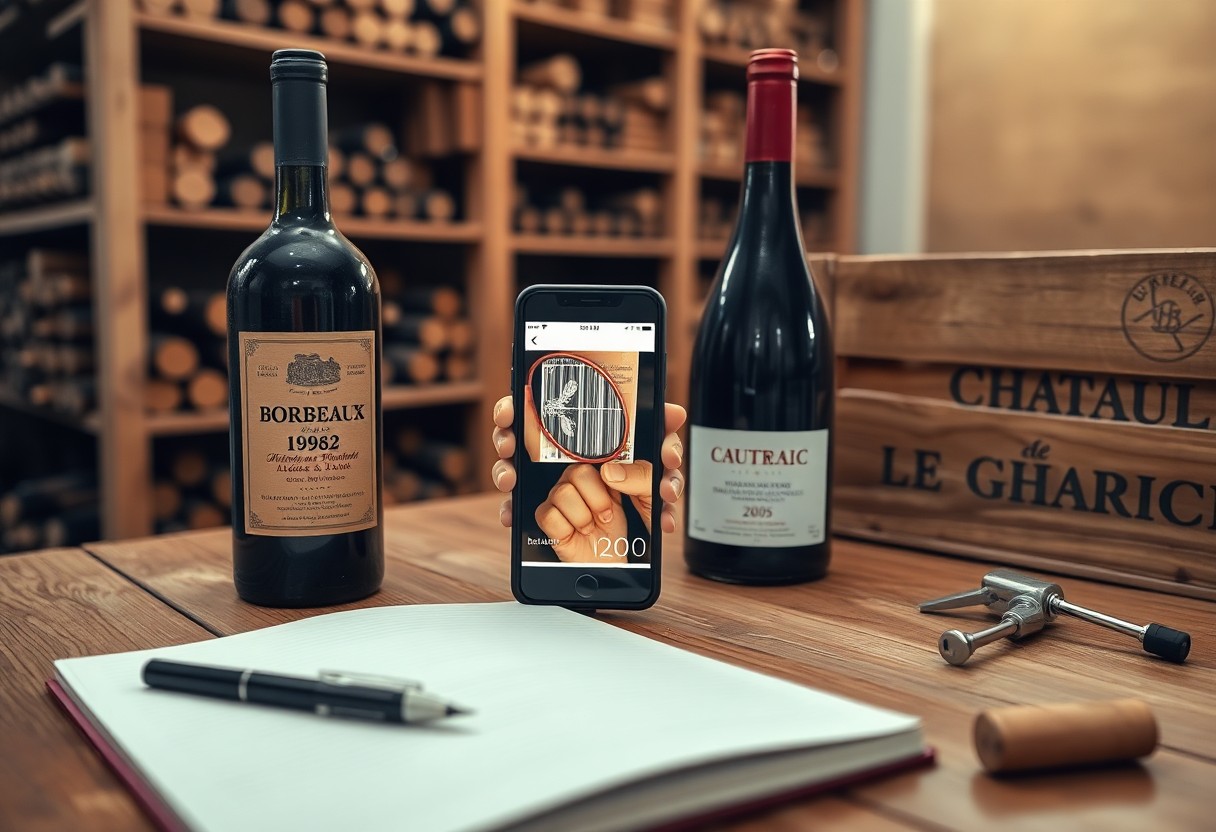
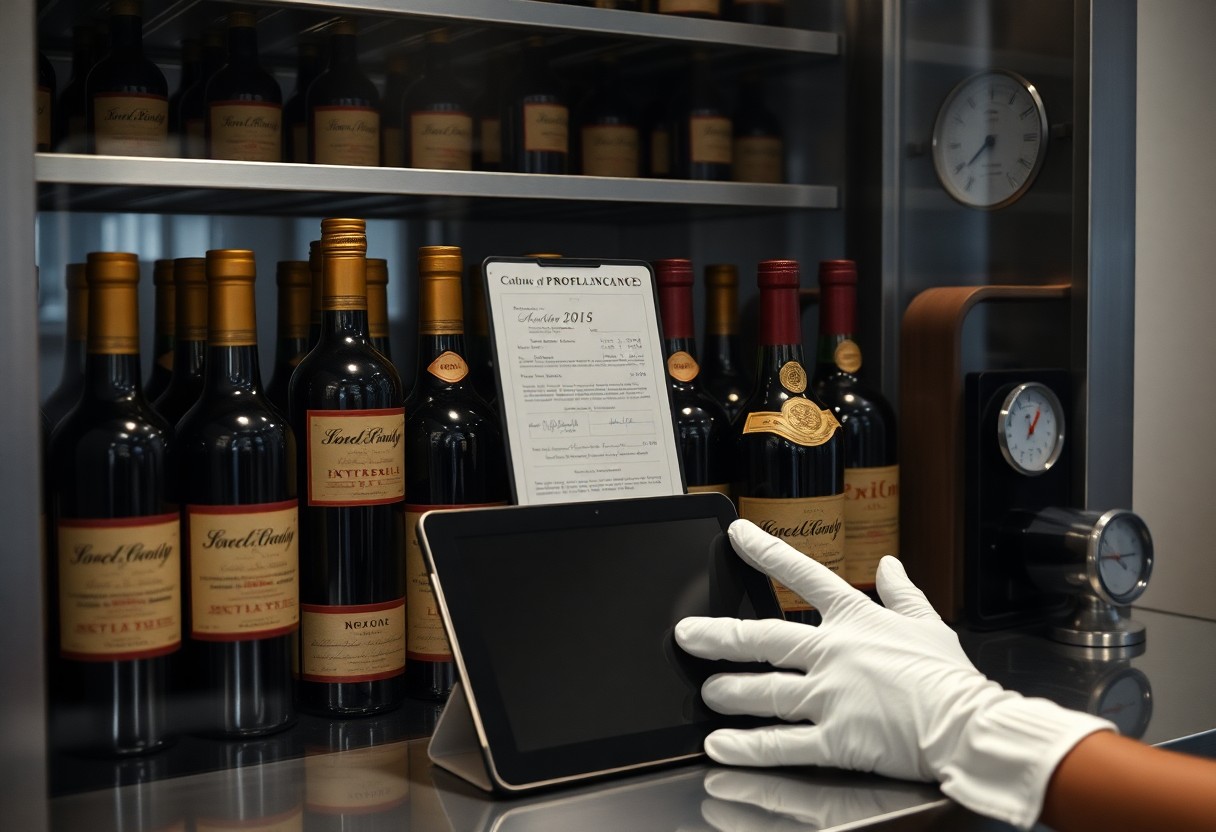
Check invoices, labels and cellar receipts to confirm provenance and steady storage conditions; ask for temperature logs and transfer records. Any gap in documentation or missing logs is a red flag.
- Original invoice
- Temperature logs
- Auction records
Inspecting Physical Indicators of Well-Kept Bottles
Examine fill level, label wear and capsule integrity to spot seepage, repairs or relabeling; you should note sediment and cork position to judge storage quality.
Confirming Ownership History and Documentation
Request original invoices, transport receipts and insurer records so you can verify auction lots and vintner shipments. Any unexplained gaps weaken provenance.
Track provenance by comparing seller invoices, auction catalogs and winery shipping records; you should cross-check lot numbers, dates and signatures against public databases. Insist on scanned original invoices and a complete chain of custody, since missing entries or inconsistent dates often indicate forgery or mishandling. Keep copies of temperature logs and insurer documentation to support claims of proper storage.

How to Find Investment Value in Emerging Regions
Look for producers with rising scores, export growth and limited supply; these indicate higher upside but also added risk. You should favor wines showing steady quality gains and clear distribution momentum that can push prices as demand outstrips availability.
Identifying Undervalued Appellations Beyond the Classics
Scout lesser-known appellations where quality metrics outpace price; compare regional scores to market listings to spot undervalued appellations. You can target producers investing in vineyards or modern techniques that signal scalable growth potential and early buyer interest.
Monitoring Market Trends and Limited Production Runs
Track auction activity, critic mentions and release allocations to detect scarcity signals; small-batch vintages often trigger price spikes. You should watch producer release sizes and allocation shifts as limited production can create outsized returns when demand rises.
Analyze granular data such as auction dispersion, release sizes and critic momentum. You should subscribe to trade reports, follow importers’ allocations and monitor secondary-market price curves to spot early demand. Focus on allocation shifts and single-vineyard bottlings-these drive scarcity-driven upside but can also feed speculative bubbles or sudden supply shocks if quality or distribution falters.
Factors for Balancing Personal Palate with Market Demand
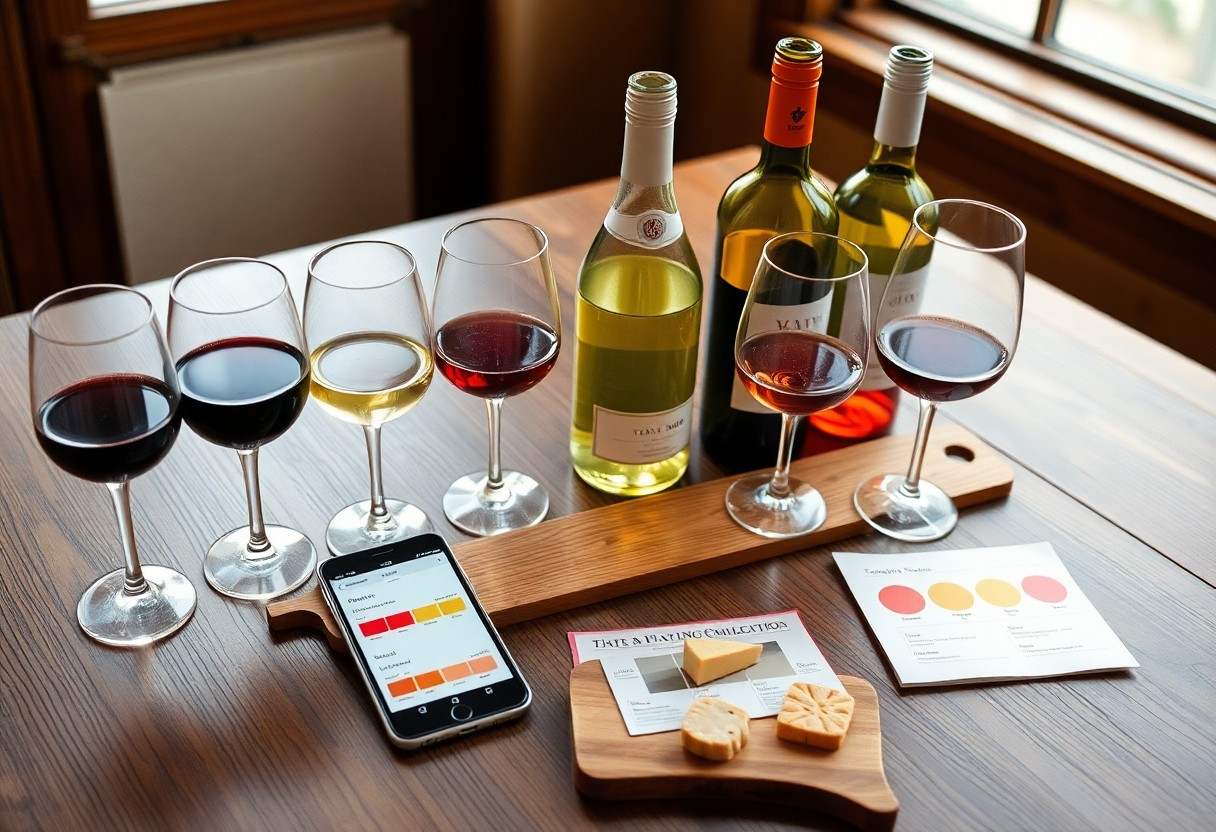
Balance your personal palate with market demand by weighing taste, ageability and provenance; you should favor wines you enjoy that also show critical support. Check guides like Understanding the World of Collectible Wines. After, align preferences with trends before buying.
- Taste
- Ageability
- Provenance
Selecting Wines with Dual Appeal for Drinking and Resale
Select bottles with drinkability now and resale upside-moderate price, strong scores, secure provenance so you can enjoy and later sell.
Diversifying Your Selections Across Styles
Mix reds, whites and sparkling to spread risk; include regions and vintages so you have options for drinking or selling and can spot market shifts.
Consider allocating portions of your cellar to ageworthy reds for long-term value, versatile whites for immediate enjoyment, and select sparkling for events and resale; you should monitor storage, provenance and vintage variation to sell opportunistically while still drinking well.
To wrap up
You should look for wines from respected producers, good vintages, scarce releases and proven provenance; check aging potential, critics’ consensus and market demand, but prioritize bottles you enjoy and can store properly to ensure value and pleasure.
FAQ
Q: What basic criteria signal a wine is worth collecting when I’m not a dedicated collector?
A: Look for a combination of producer reputation, vintage quality and region: established names from Bordeaux, Burgundy, Barolo, Napa, Rhône and Champagne are more likely to hold or grow value. Low-production, single-vineyard bottlings and classified estates tend to be scarcer and trade more easily. High scores and consistent praise from multiple respected critics plus steady auction activity point to market interest. Structure-firm tannins, bright acidity and balanced alcohol-indicates aging potential even if you do not taste the bottle now. Bottle condition and provenance matter for older bottles; check fill level, label and capsule, and confirm storage history with the seller. Buying larger formats such as magnums can increase collectible appeal and long-term drinking quality.
Q: How can I assess a wine’s aging potential without tasting it?
A: Use technical data and vintage reports to judge potential: grape variety, vineyard site, harvest notes and analytical numbers (pH, acid, alcohol) reveal structural backbone. Grape varieties like Nebbiolo, Cabernet Sauvignon, Riesling and certain Syrah/Pinot Noir expressions commonly develop complexity over decades when grown in quality sites. Read producer cellaring windows, professional reviews and vintage guides to see consensus on development timelines. Compare recent auction and merchant results for the same name and vintage to understand real-world aging and demand. Confirm the bottle’s provenance and storage conditions because poor temperature or humidity history will shorten or ruin any theoretical aging window.
Q: What practical steps let me buy collectible-quality bottles while staying a casual buyer?
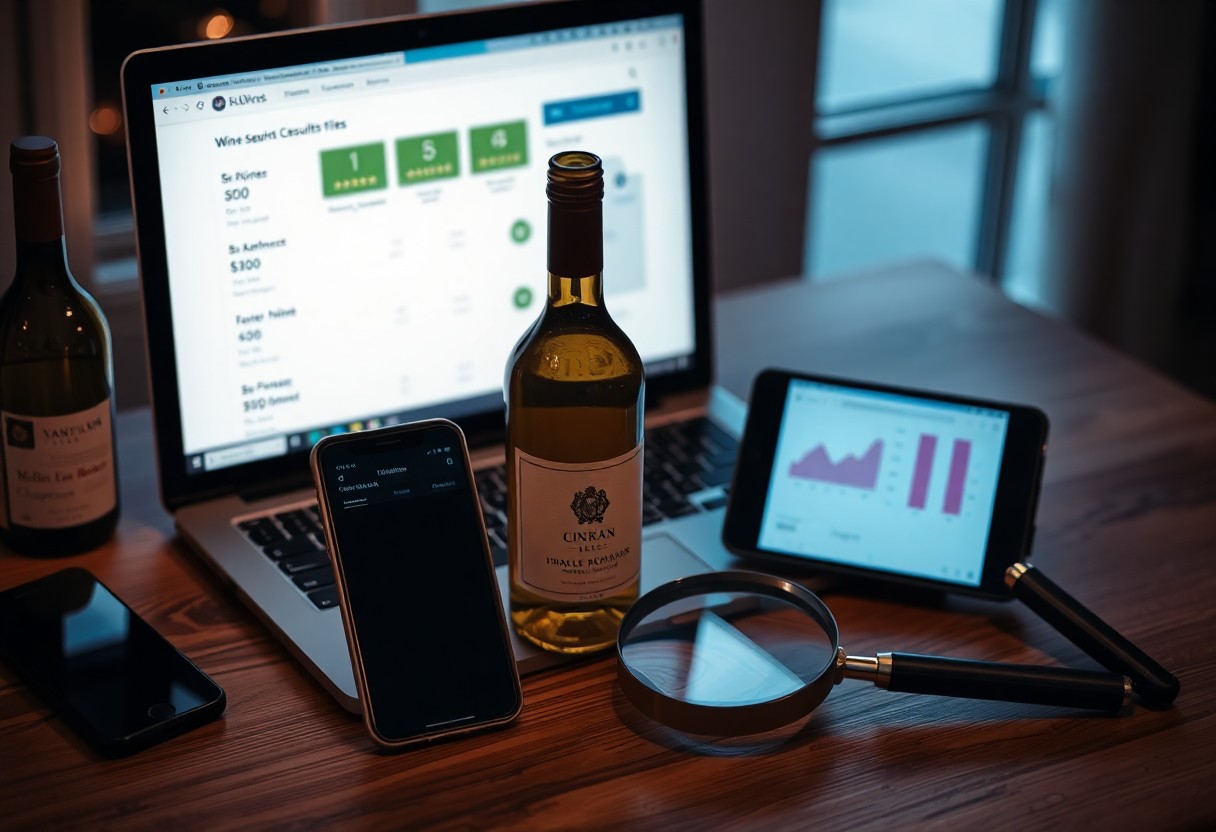
A: Target a shortlist of reliable producers and vintages instead of chasing every hyped label. Use tools such as Liv-ex, Wine-Searcher and auction-house archives to monitor price trends and liquidity before committing. Buy recently released, highly scored wines with limited distribution or small production runs when you want easier resale. Purchase from reputable merchants or established auction houses that provide provenance documentation and condition reports. Store bottles in a temperature- and humidity-controlled environment or arrange professional storage with the seller to preserve value. Set a clear holding period and price target so you can sell through a broker, auction or private sale when conditions match your plan. Buy by the case or in small lots to lower per-bottle risk and simplify eventual resale.