
Just visiting wineries trains you to taste with intent and interpret vineyard stories so you assess bottles more accurately at home; you’ll detect subtle aromas, textures and terroir and use techniques like decanting and correct serving temperature to improve every pour. Wineries also reveal hazards in production and handling-improper storage or serving temperatures can permanently ruin a bottle-so you adopt better cellaring, buying and pairing choices that make your at‑home wine enjoyment consistently superior.
Key Takeaways:
- Visiting wineries sharpens your sensory skills-guided tastings teach you to identify aromas, textures, and structure, so you notice more detail in wines at home.
- Seeing vineyards and hearing winemakers’ stories adds context that deepens appreciation and guides smarter buying and pairing choices.
- On-site tips about serving temperature, decanting, storage and vintage variation help you present and preserve wine more confidently at home.
The Experience of Wine Tasting in Wineries
When you taste at a winery you move from theory to practice: you typically sample 4-8 wines in a single sitting, often with spit buckets, label-led narratives, and visible cellaring that reveal aging potential. Guided flights let you compare verticals (same wine, different vintages) or horizontals (same vintage, different plots), while the tasting room setting teaches you to judge structure, acidity, and finish side-by-side-skills you immediately apply when choosing bottles for your home cellar.
Guided Tastings vs. Self-Exploration
Guided tastings usually run 30-60 minutes with a host or winemaker explaining fermentation choices, oak regimes, and vineyard sites, and often cost between $20-$75; they accelerate learning through context and curated comparisons. If you wander and taste on your own you’ll discover off-menu single-vineyard lots and barrel samples, but you must pace yourself-over-tasting without spitting can lead to impaired judgment and missed nuance.
Understanding Terroir and Its Impact on Flavor
Terroir translates into concrete flavors: Kimmeridgian limestone in Chablis brings chalky minerality and high acidity, Priorat’s llicorella slate yields concentrated, gritty textures, and gravelly benches in Napa produce fuller-bodied, ripe-fruit wines; when you taste those side-by-side you’ll hear winemakers point to soil, slope, and microclimate as the reasons for differences in tannin, acidity, and aromatic profile.
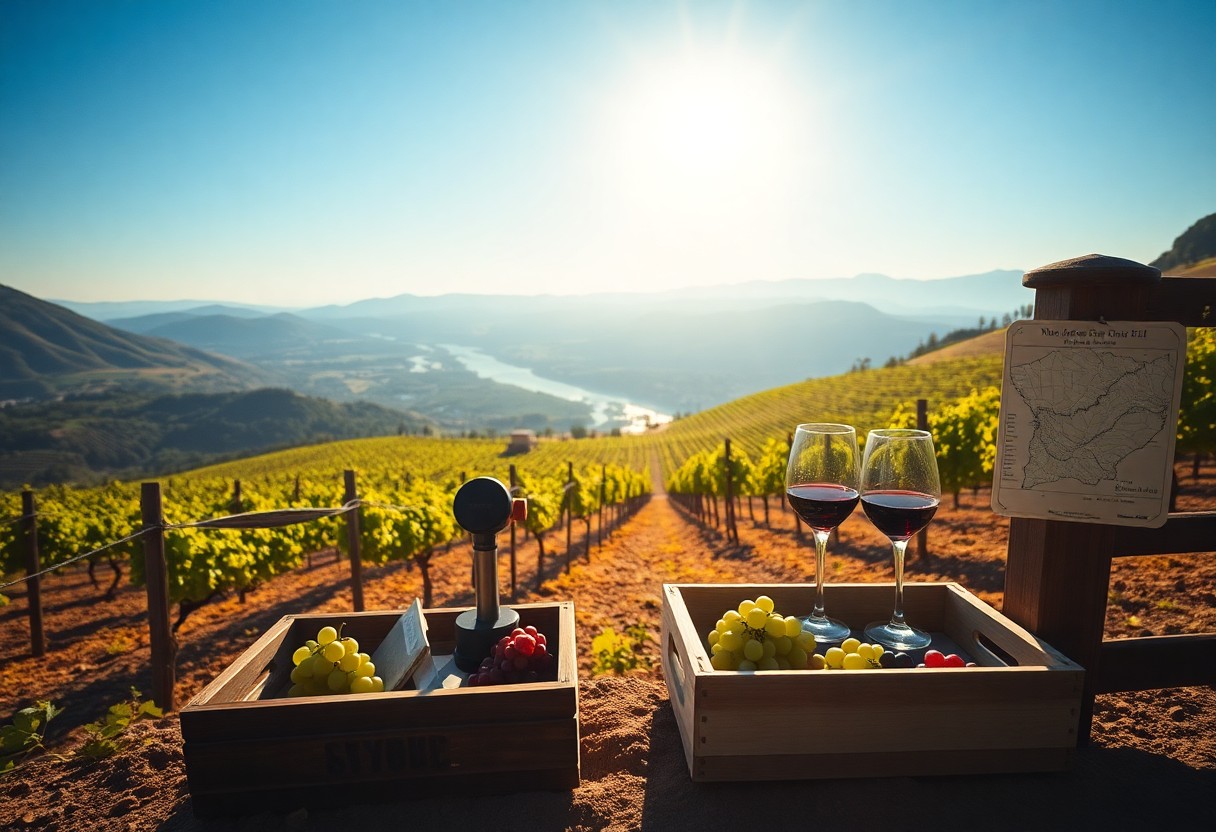
To deepen your sense of terroir at the winery, ask to see vineyard maps and specific blocks-many producers will walk you through a 10-20 acre parcel and explain vine age, row orientation, drainage, and rootstock. Then compare two single-vineyard bottlings or a single-vintage vertical: recognizing tiny shifts in acidity, minerality, or tannin tells you which site characteristics shape a wine, and those observations will transform how you evaluate bottles back home.
Learning from Experts
Visiting wineries lets you absorb techniques that transfer straight to your home tastings; after a tour you’ve likely sampled 4-6 flight structures, learned when to decant, and seen serving temps in action-whites at 8-12°C, reds at 15-18°C. Try applying a structured tasting format from a winery visit and consult practical how-to guides like How to Host a Wine Tasting at Home to replicate professional pacing and notes.
Gaining Insights from Winemakers
Winemakers explain vineyard decisions-crop yields, harvest dates, and oak regimes-that shape flavor; you learn why a late harvest raises sugar by 1-3°Brix or why 12‑month vs 24‑month oak ageing changes tannin and texture. Tasting side-by-side vintages reveals fermentation and oak effects, so you can predict a bottle’s evolution before buying.
The Importance of Wine Education
Formal talks and tastings teach you to identify faults, grape varieties, and terroir markers; within a 45-60 minute seminar you can learn aroma families and basic scoring that sharpen your at-home evaluations. Applying those notes improves your buying choices and hosting, elevating a casual pour into an informed experience.
Enroll in short workshops or winery masterclasses and follow structured syllabi like WSET units to learn blind-tasting frameworks; you’ll develop the habit of tasting 3 wines side-by-side twice weekly to train recall. Use tasting sheets to record acidity, tannin, and finish length in seconds, then match bottles to dishes-this disciplined practice yields measurable improvement in selection and pairing within weeks.
Discovering Pairing Techniques
When you taste at wineries you learn to balance acidity, sweetness, tannin and body; apply that at home by matching wine structure to food weight. For example, a 14.5% ABV Napa Cabernet pairs with a fatty ribeye, while an off-dry Riesling with 8-12 g/L residual sugar calms spicy Thai dishes. Also mind serving temperatures: reds 16-18°C, whites 8-12°C, sparkling 6-8°C-these practical rules change how you compose meals and choose bottles.
Food Pairing Fundamentals
Acid cuts fat-so pair high-acid wines like Sauvignon Blanc (12-13% ABV) with oily fish or goat cheese. Tannins bind to protein, which is why Cabernet and steak work; conversely, oak-forward or high-alcohol wines can overwhelm delicate dishes. Sweetness tempers heat, making off-dry Riesling ideal with spicy curries. Start by matching weight, then use contrast to highlight flavors at home.
Enhancing Wine Appreciation at Home
Use winery-taught rituals: decant young, tannic reds 1-3 hours to soften tannins and decant older bottles only 15-30 minutes to avoid over-oxidation; chill whites to 8-10°C to lift aromatics. Swap glass shapes-tulip glasses for aromatics, wide bowls for complex reds-and pay attention to small pours to track evolution. Those technical tweaks reveal the subtleties you noticed on tours.
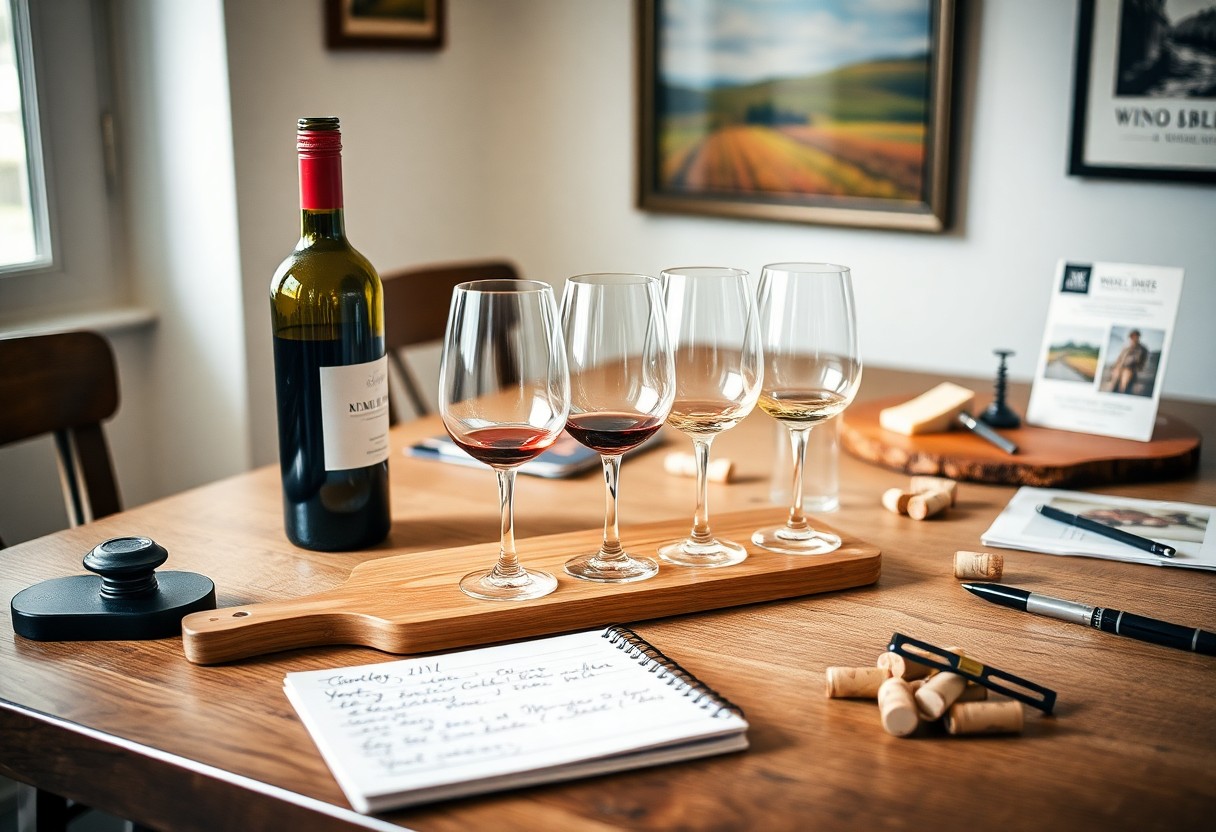
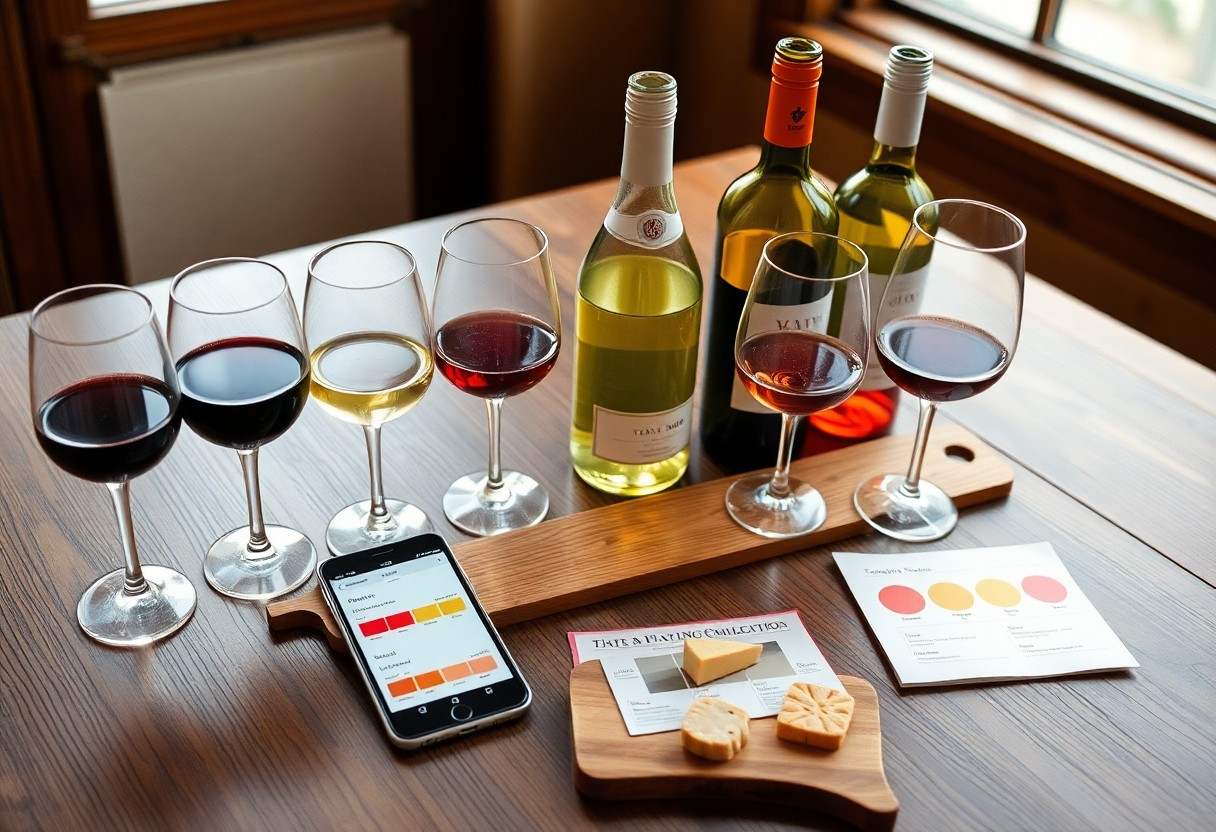
Run focused home tastings: set up 3-5 wine flights with 15-25 mL pours to isolate variables, for example comparing a 2018 Rioja Crianza and a 2018 Ribera del Duero to hear differences in oak, tannin and acid. Keep structured notes on aroma, palate and finish, try blind pours to reduce bias, and use water or unsalted crackers as palate cleansers-after a few sessions you’ll reliably reproduce winery insights at your table.
The Role of Atmosphere
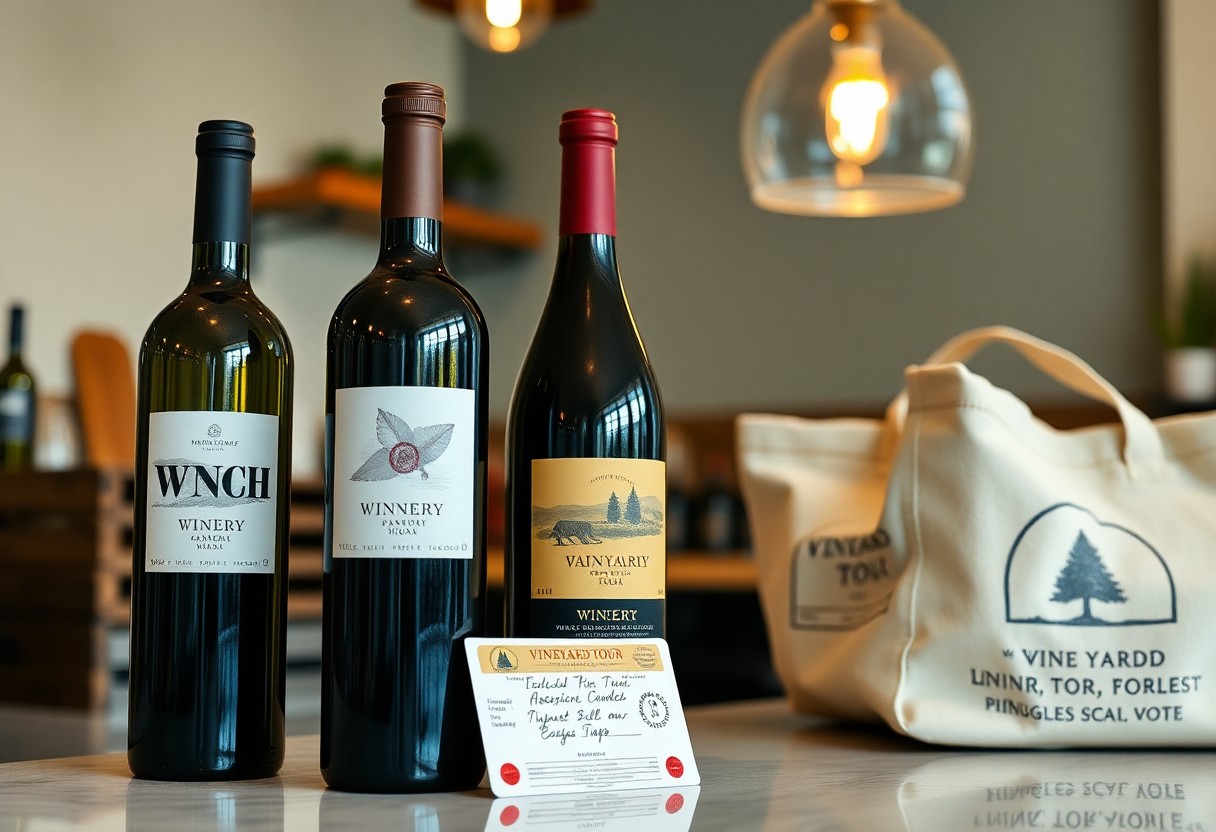
Wineries stage tastings-flights of 3-6 wines, a pour every 5-10 minutes-so you experience contrast, pacing and narrative. Barrel-scented air, vineyard views and knowledgeable pourers provide context that makes fruit, oak and tannin read differently than at home. You’ll find social energy and ambient cues sharpen expectation and memory; at the same time palate fatigue can set in after multiple pours if you don’t pause. These setting-driven signals often amplify qualities you’ll want to recreate in your own tasting rituals.
How Environment Influences Perception
Lighting, sound and props shift what you detect: warm 2700-3000K light enhances golden hues and perceived sweetness, while cool light mutes texture. Keep music at conversational levels (~45-50 dB) because louder noise blunts aroma sensitivity, and choice of genre or tempo can bias fruit versus tannin impressions. You should also note glass shape-tulip or ISO glasses concentrate aromatics compared with wide bowls-so small environmental tweaks materially alter your sensory judgments.
Creating an Inviting Home Tasting Space
Set temperatures to style-crisp whites 45-50°F (7-10°C), full whites 50-55°F (10-13°C), light reds 55-60°F (13-16°C), fuller reds 60-65°F (15-18°C)-and arrange flights of 3-5 wines. Use tulip-shaped glasses, provide water and plain bread as palate cleansers, and remove distracting scents; strong odors like cooking or perfume will mask delicate notes. Comfortable seating and soft, neutral lighting help you focus on subtle differences during comparison.
Pour modest samples of 30-60 ml and space tastings so each sip rests for 5-10 minutes, reducing overload. Decant young, tannic reds 1-3 hours and big wines up to 4 hours; for mature bottles decant 15-60 minutes to avoid rapid oxidation. Aim for neutral backgrounds, warm seating and lighting near 2700K, and consider keeping music low-these specifics maximize aroma clarity while minimizing the oxidation risk and other sensory interference.
Building a Personal Wine Collection
Balance enjoyment and investment by aiming for a core of 24-60 bottles that cover immediate drinking, short-term aging, and long-term cellaring. Store wines at 12-14°C with ~70% humidity, labels visible, and minimal light exposure; a lined closet or small refrigerator works if you lack a cellar. Track provenance and purchase dates in a simple spreadsheet or app, and rotate stock so older bottles get consumed first while cellar-worthy bottles age undisturbed.
Tips for Selecting Wines Post-Visit
After a winery visit, prioritize bottles that matched your palate and showed consistent quality across tastings: select one open-to-drink bottle and one for aging from the same producer. Compare bottle prices with the winery list and regional averages; you often gain value buying directly but watch transport and tax differences. Focus on producers with clear bottling notes and low fault rates. Assume that you flagged a varietal or style on your tasting card and use that as your buying filter.
- terroir – match soil and climate profiles to your taste
- producer – favor consistent, reputable houses
- vintage – choose years known for balance in that region
- oak – note level (new vs neutral) to predict spice and texture
Understanding Vintage Variations
Weather swings create noticeable differences: for instance, 2010 Bordeaux yielded high-tannin, long-aging wines while 2011 was cooler and earlier-drinking; Napa’s 2013 had higher ripeness and alcohol than the cooler 2011. You should assess vintage reports and tasting notes-acid, tannin, and alcohol trends determine cellaring potential and best drinking windows for each bottle.
Consult concrete sources: regional vintage charts, winery technical sheets, and auction databases show how bottles from a given year have performed. When you compare a 2015 Rioja rimmed with fresh acidity to a hotter 2016 with riper fruit, you can predict aging: higher acid and tannin for decades, higher alcohol and low acid for earlier drinking. Use those patterns to decide what stays and what you open.
Sharing the Experience with Others
Wine Tasting Parties and Events
You can host tasting parties for 6-12 guests, serving 4-6 wines per flight arranged light-to-full-bodied. Offer water, plain crackers and palate cleansers between pours, and provide tasting sheets so guests record impressions. Pair wines with simple bites-aged Gouda, prosciutto, 70% dark chocolate-to highlight contrasts. Limit pours to 30-50 ml and provide spittoons; do not let anyone drive impaired.
Cultivating Community through Wine
Joining or forming a wine club-often sending 2-6 bottles per shipment and hosting quarterly member tastings-turns casual sips into ongoing rituals. You can organize monthly meetups, harvest workdays, or online groups where members swap tasting notes and restaurant pairings. Small clubs of 20-50 people create repeat interactions that strengthen preferences and buying habits. That sustained engagement deepens your palate and builds lasting friendships.
Try formats such as blind tastings with 4-6 wines, themed nights (Rhône varietals or single-vineyard comparisons), and guest sessions with a winemaker or sommelier to accelerate your skills. Encourage members to bring one bottle each for comparative flights and rotate hosts so events stay fresh. Also provide non-alcoholic options and arrange designated drivers or ride shares; safe transport keeps the community thriving.
Conclusion
Presently you find that visiting wineries sharpens your palate and expands your wine vocabulary; by seeing vineyard practices and tasting with producers you learn to identify styles, assess quality, and pair with food, so at home you choose, serve, and store wines with greater confidence and deeper appreciation.
FAQ
Q: How does tasting at a winery change the way I perceive wine when I drink at home?
A: Tasting at a winery sharpens your ability to pick out aroma and flavor components, assess acidity and tannin, and notice texture and balance. Guided flights and comparisons teach you to detect differences caused by grape variety, oak, fermentation and aging. Back at home you’ll more quickly identify what you like or dislike in a bottle, articulate those qualities, and be able to match a wine to an occasion or meal instead of relying on label design or price alone.
Q: Will visiting wineries affect what I buy and how I store or serve wine at home?
A: Yes. Seeing production and talking with winemakers clarifies vintage variation, aging potential, and ideal serving conditions. You’re likelier to choose bottles intended for early drinking versus long-term cellaring, follow recommended temperatures and decanting advice, and invest in appropriate glassware and storage. That practical knowledge reduces waste, improves drinking quality, and helps you build a more purposeful wine collection.
Q: How does the winery experience influence food pairing and entertaining at home?
A: Tasting rooms often offer pairing suggestions and small bites that reveal how acidity, sweetness and tannin interact with food. You learn simple pairing principles-matching weight and intensity, contrasting or complementing flavors-and pick up ideas for themed flights and tasting formats. At home you’ll plan menus that highlight wines, create balanced pairings more confidently, and use storytelling about vineyards and vintages to enhance guests’ enjoyment.