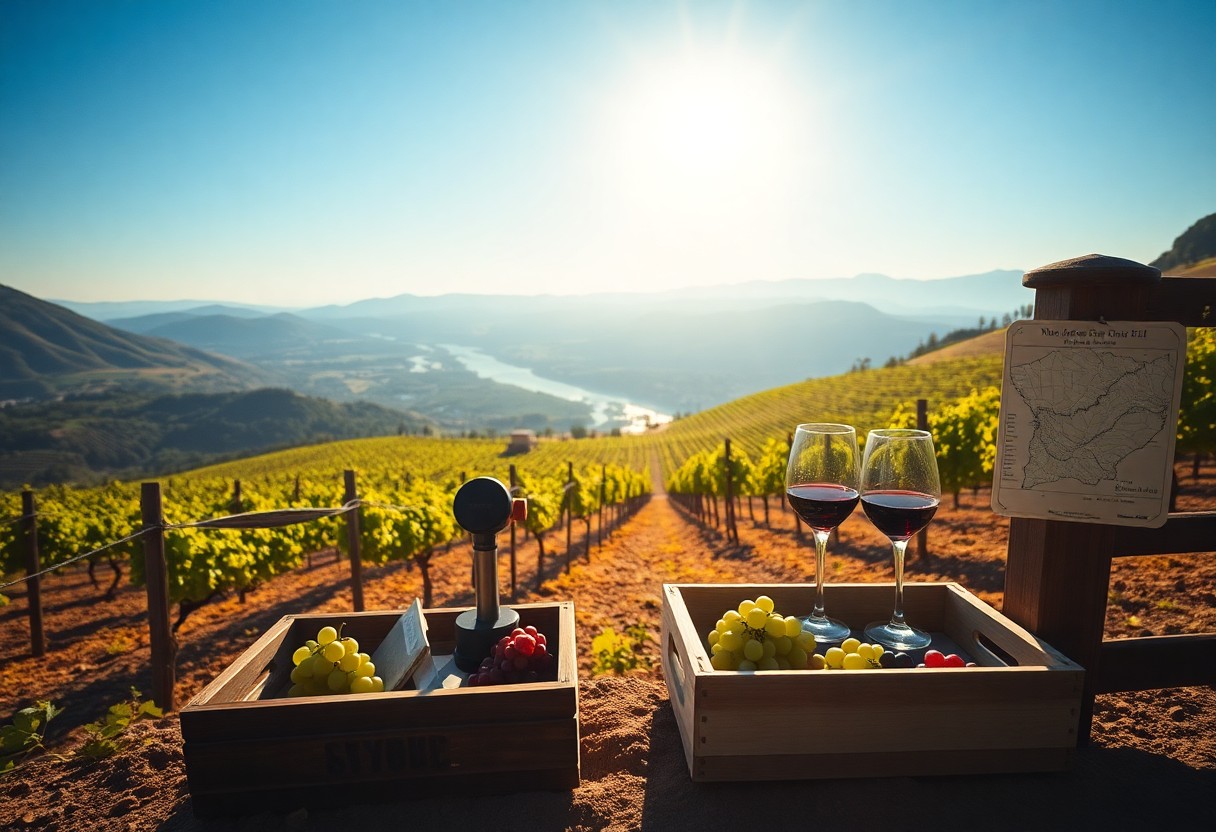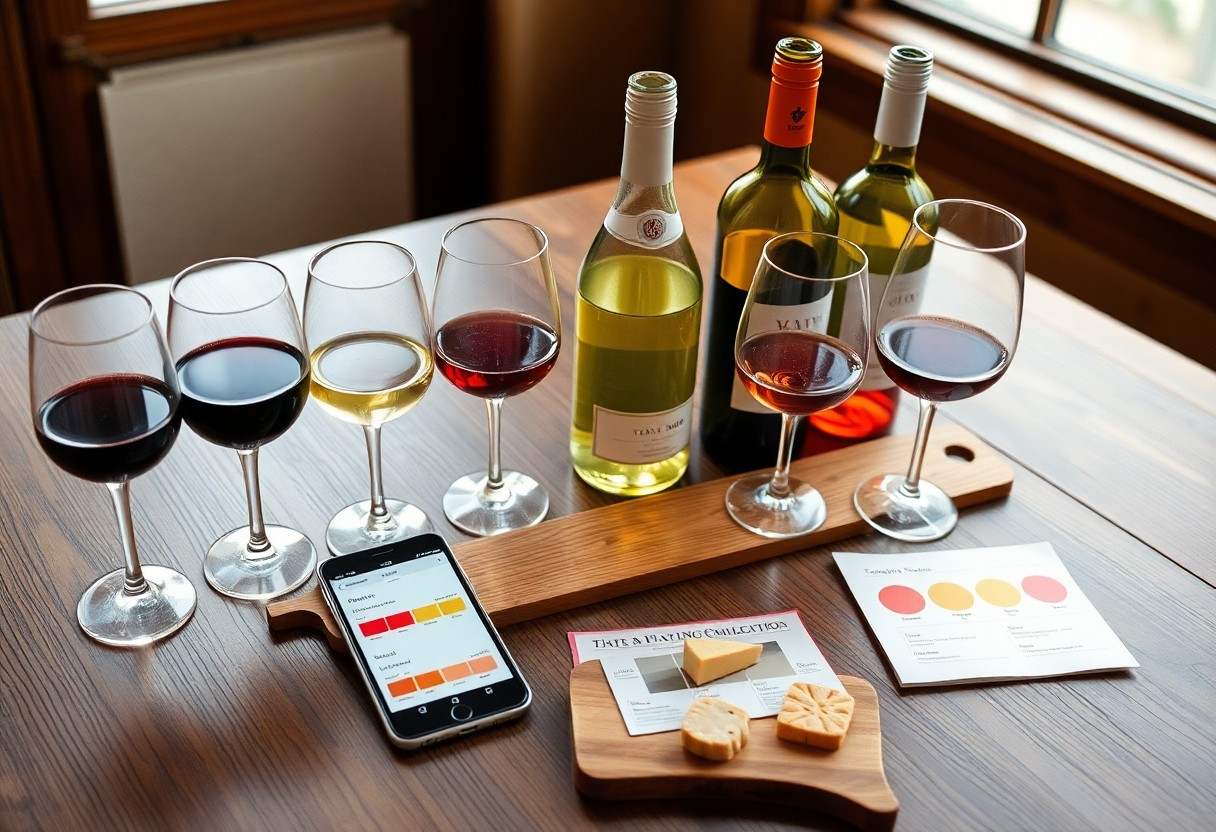
There’s a clear method: you assess climate and soil, taste local wines for consistent character, and look for phylloxera or overproduction risks that can degrade quality.
Key Takeaways:
- Climate and soil steer grape ripeness and flavor profiles: warm regions produce riper, fruit-forward wines while cool regions yield higher acidity, brighter aromatics, and leaner tannins.
- Topography and microclimate (altitude, slope, proximity to water) create temperature variation and drainage that influence concentration, tannin structure, and mineral character.
- Grape variety, vineyard management, and winemaking decisions translate regional potential into specific flavors, so tasting representative wines reveals a region’s style better than maps or reputation alone.
How to Determine Geographic Impact on Flavor Profiles
Geography shows you how climate, soil and microclimate combine to shape wine: seek regions delivering consistent acidity and clear minerality while avoiding places prone to frost or mildew outbreaks that can compromise quality.
Identifying the Role of Elevation and Topography
Elevation teaches you that higher sites with greater sun exposure and cooler nights often yield brighter acidity and refined aromatics, while steep slopes raise erosion and frost risk that may lower yields.
Recognizing the Influence of Maritime and Inland Proximity
Proximity to the sea or interior informs you about temperature moderation: coastal sites provide cooling breezes and saline nuances, whereas inland areas produce larger heat swings and concentrated fruit.
Coastal exposure gives you a longer, cooler growing season with steady diurnal shifts that preserve freshness, often suiting Pinot Noir or Sauvignon Blanc; inland exposure drives faster ripening and higher alcohol, favoring bold reds. Assess disease threats like humidity-driven mildew near coasts and spring frost in sheltered valleys when judging a region’s flavor potential.
Tips for Navigating Regional Classifications and Standards
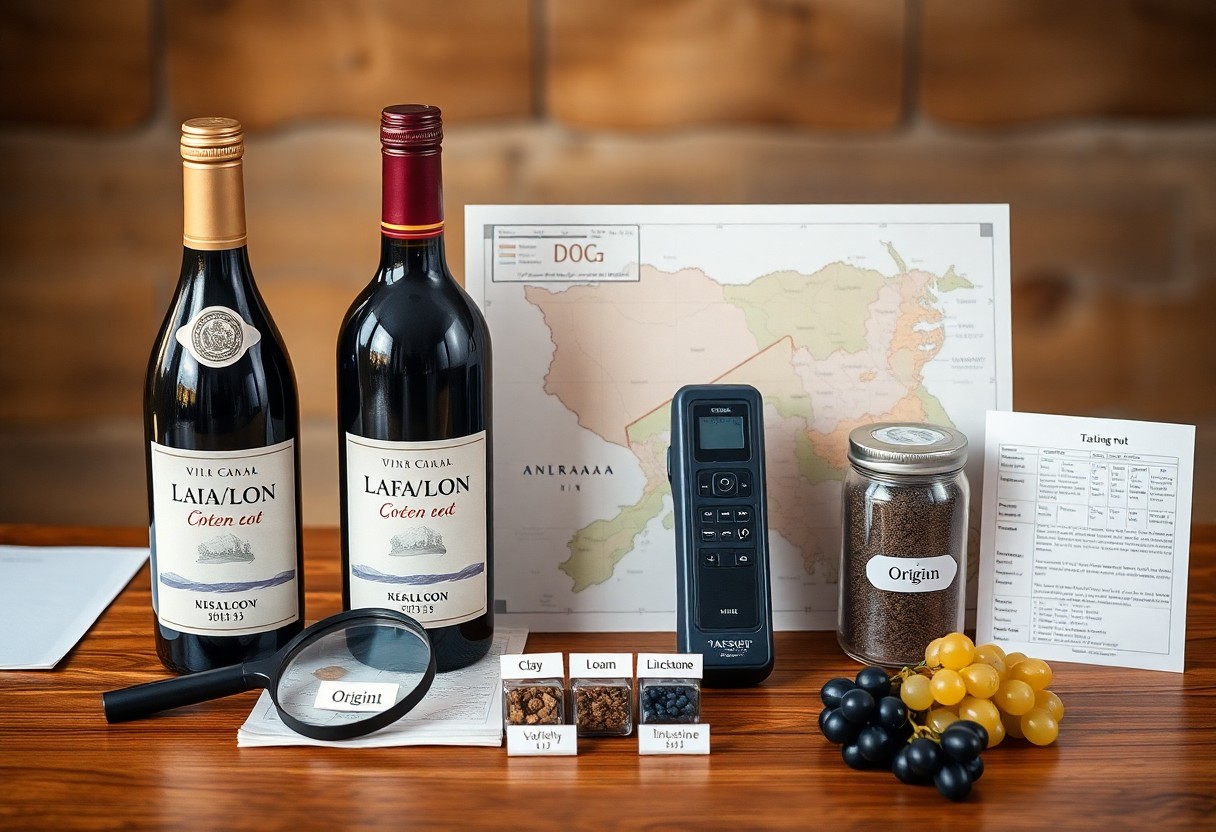
Use official lists and producer reputations to filter regions; watch for misleading labels and favor producers with clear standards.
- Appellation
- Classification
- Vintage
- Standards
After you compare designations, choose areas with verifiable regulation.
Understanding Appellation Systems and Quality Designations
Compare appellation rules so you can spot protected names, geographic limits, and labels that overstate quality, then adjust your expectations for bottle style and price.
Evaluating Historical Performance and Vintage Consistency
Check producers’ track records, critic scores and weather summaries so you can judge vintage consistency and avoid poor years.
Investigate decade-long score trends, vintage charts and tasting notes so you can detect patterns of consistent quality versus one-off peaks; consult cellar reports for bottle variation, watch for weather extremes and labeling fraud, and weigh historical performance against current winemaking to decide when to buy or cellar.
How to Distinguish Between Cool and Warm Climate Characteristics
Climate shapes grape ripening and you can spot cool and warm traits by acidity, tannins and alcohol; explore United States wine regions to compare styles.
Identifying High Acidity and Minerality in Cooler Zones
Cooler sites give you higher acidity, pronounced minerality and restrained alcohol; seek high acidity and minerality as tasting markers when assessing freshness.
Recognizing Bold Fruit and Structured Tannins in Warmer Regions
Warmer regions deliver riper fruit, fuller body and firmer tannins; expect bold fruit and structured tannins that often show higher alcohol.
Experience warm-climate wines by noting concentrated dark-fruit aromas, toasted oak and a dense mouthfeel that indicate extract and firm tannin grip. Look for age-worthy structure versus jammy, overripe fruit that masks acidity; that contrast tells you whether a wine will cellar or drink well immediately.
Key Factors in Sustainable and High-Quality Viticulture
Soil depth, drainage and microclimate shape grape flavor; you should weigh vine age, canopy care and pest pressure when judging a region. Perceiving how these elements interact reveals regions with sustainable practices and greater potential for consistent, high-quality wines.
- Soil
- Climate
- Yield
- Practices
- Biodiversity
- Vine Age
Assessing the Impact of Yield Management on Concentration
Yield management through pruning and cluster thinning directly alters sugar, acid and phenolic concentration; you can favor lower yields for deeper flavor but avoid over-thinning that stresses vines.
Identifying Organic and Biodynamic Farming Indicators
Look for cover crops, compost application, limited use of synthetic pesticides and visible field biodiversity; you should check for organic labels and biodynamic practices in producer notes or on-site.
Examine documentation and the vineyard itself for compost piles, mixed interrows, hedgerows and nesting boxes as signs of active biodiversity; you can ask about biodynamic preparations (500-508) and certification such as Demeter. Observing minimal machine-scarring, transparent spray logs and clear avoidance of synthetic pesticides gives you stronger confidence in ecological management and flavor integrity.
How to Research Producer Influence Within a Specific Region
Research producers’ track records, tasting notes and distribution to see how much their style shapes regional character; you should check winery visits, vintage reports and critic scores to assess consistency and market power.
Differentiating Between Estate-Grown and Sourced Grapes
Compare labels and statements: estate-grown often gives clearer terroir expression, while sourced grapes can bring variability or mask origin; you should check vineyard names, sourcing contracts and producer transparency.
Evaluating Modern versus Traditional Winemaking Philosophies
Assess whether modern techniques aim for precision, extraction and new oak, or if traditional methods favor hands-off fermentation and native yeasts; you should taste across ranges to see how philosophy alters flavor, texture and aging potential.
You can inspect technical sheets for oak type, fermentation vessels, maceration time and yeast use to gauge intervention level. Tasting reveals signs: new oak, heavy extraction or filtration signal modern aims, while lighter extraction, native ferments and minimal sulfur point to tradition. Compare vintages and cuvées to judge how each approach affects consistency, typicity and aging, and watch for excessive manipulation that may mask regional identity.
Conclusion
You can identify a good wine region by assessing climate, soil, grape suitability, and winemaking tradition; these elements shape flavor, balance, acidity, and tannin, helping you select wines that reflect the region and match your palate.
FAQ
Q: What factors define a good wine region and how can I spot them?
A: Key factors include climate, soil, topography, grape varieties and local winemaking traditions. Climate shapes ripening through average temperatures, diurnal range and seasonal rain patterns; a region with the right balance for its signature grapes will produce consistent, high-quality fruit. Soil type and drainage affect root depth and vigor, with limestone, schist, volcanic and well-drained gravels each contributing distinct textural and flavor markers. Vineyard aspect and slope influence sun exposure and air drainage, helping avoid frost and concentrate flavors. Appellation systems, long-standing producer reputations and evidence of low yields or old vines are practical signals of site quality. Examples: Burgundy’s varied slopes and limestone give sensitive expression for Pinot Noir and Chardonnay, while the Mosel’s steep slate sites favor aromatic, high-acid Riesling.
Q: How do regional characteristics translate into flavor and style?
A: Climate controls fruit ripeness, acidity and alcohol: cool climates yield higher acidity, lighter body and more floral or citrus aromatics, while warm climates produce riper fruit, fuller body and bolder tannins. Soil influences perceived texture and specific notes; limestone often brings bright acidity and tension, volcanic soils can add spicy or mineral impressions, and clay contributes weight and tannin retention. Altitude and proximity to large bodies of water moderate temperatures and can add a saline or fresh quality to wines. Traditional viticultural practices and native yeasts shape secondary flavors and texture, and local aging customs (oak, time on lees) affect complexity. Tasting examples: Mosel Riesling shows sharp acidity and slate-driven minerality, Barolo (Nebbiolo) delivers aromatic rose and tar with high tannin, Bordeaux blends offer structured tannin, dark fruit and cedar when grown in warm, gravelly sites.
Q: How should a wine buyer use region knowledge to choose wines and predict flavor?
A: Start by matching desired style to regions known for that profile: choose cool-climate regions for crisp, aromatic whites and lighter reds, and warmer regions for full-bodied, riper styles. Read the label for specific appellations, single-vineyard names and vintage; top subregions or classified sites often indicate higher quality. Check producer track record and tasting notes for descriptions of acidity, tannin and oak use to assess balance and aging potential. Consider vintage reports for that region to understand how weather affected ripeness and structure that year. Use price as one of several indicators, and ask knowledgeable retailers for trusted producers or small cru sites if you want terroir-driven expression.