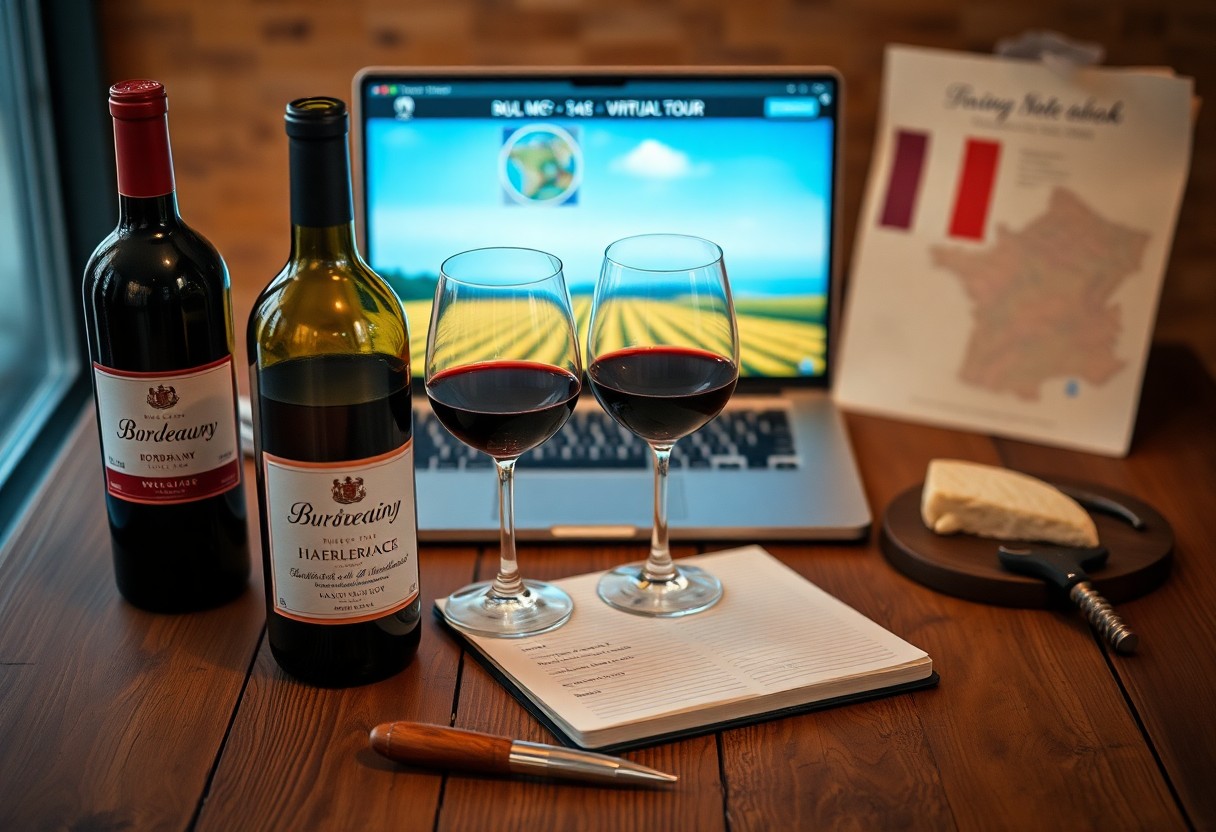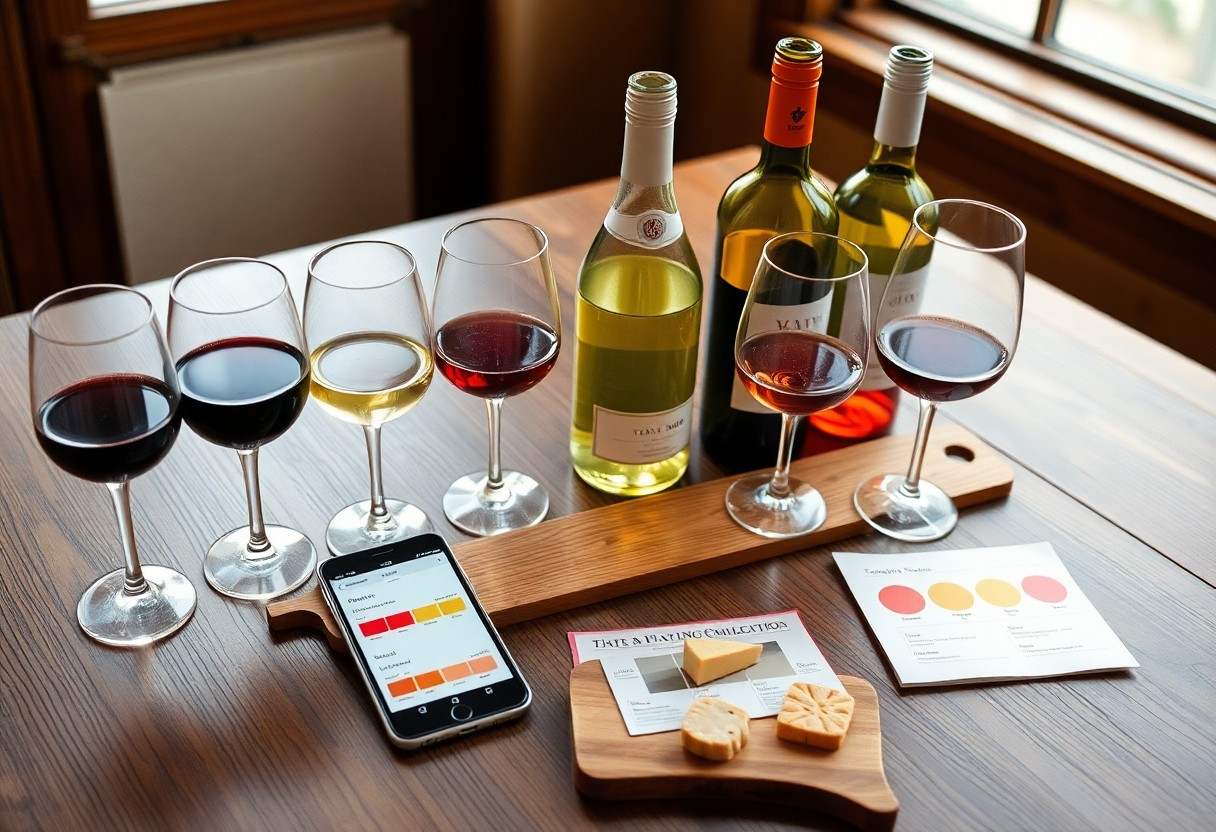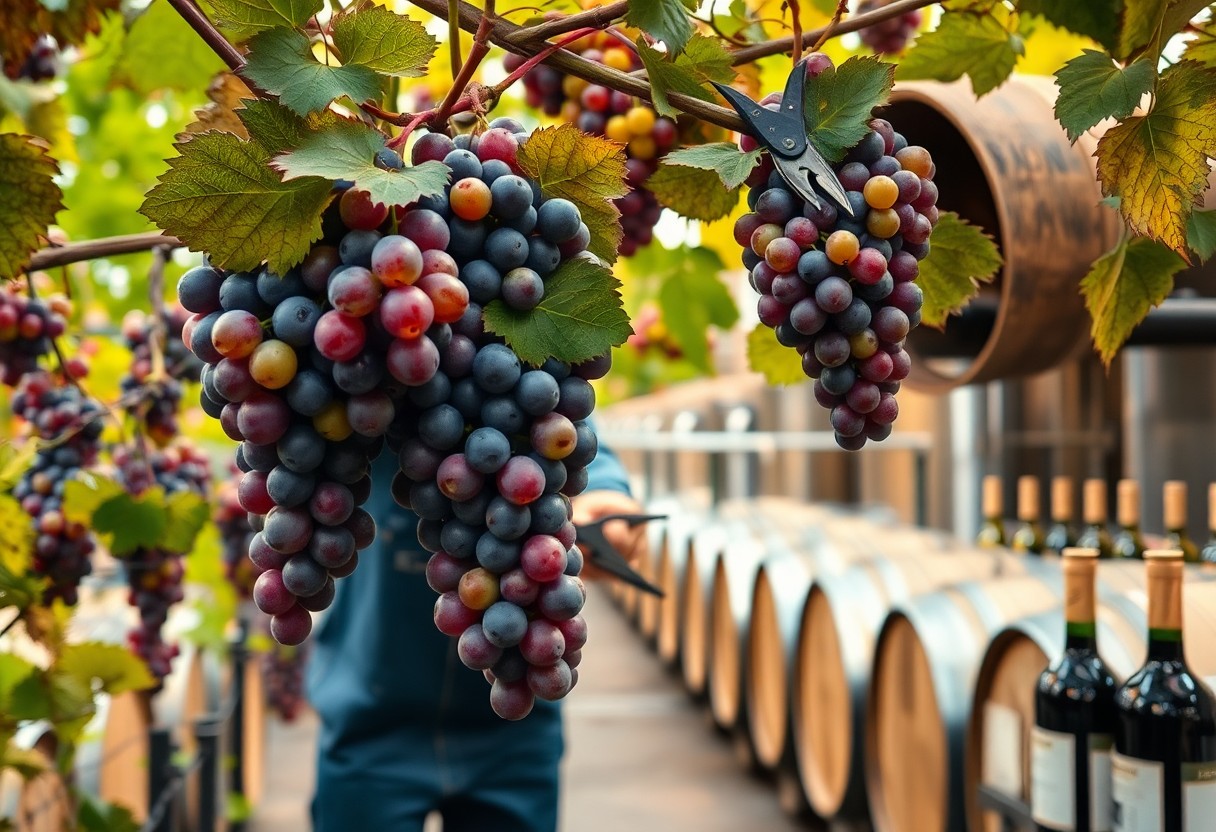
Travel at home: you can sample regional bottles, study maps and producer notes, join virtual tastings, and avoid unreliable sellers while noting alcohol strength and food pairings to build Bordeaux and Burgundy expertise.
Key Takeaways:
- Virtual tastings, winery livestreams, and online masterclasses let you sample Bordeaux and Burgundy bottles while asking winemakers about terroir and winemaking choices.
- Books, maps, appellation guides, and producer websites build geographic and historical context so you can compare grape varieties, styles, and vintage trends.
- Specialist wine shops, importers, and curated wine clubs supply region-specific bottles; pair tastings with local recipes and tasting notes to experience stylistic differences.
Factors for Selecting Authentic Regional Bottles
You should prioritize appellation, vintage, and producer provenance when choosing bottles, since labels and millésime notes reveal authenticity. Recognizing how terroir, classification and producer style affect flavor helps you pick true regional examples.
- Bordeaux
- Burgundy
- Appellation
- Vintage
- Producer
Identifying Key Appellations and Classifications
Study official appellations and classification tiers-cru, premier, grand-so you can read labels and infer origin accuracy; consult regional maps and INAO listings to verify claims.
Evaluating Vintage Quality and Producer Pedigree
Assess vintage reports, weather summaries and market prices to estimate aging potential; review producer history, winemaking approach and provenance notes for consistency.
Compare vintage charts from critics and regional authorities so you can judge year-to-year variation, noting warm vintages for ripeness and cool years for acidity. Inspect producer notes for harvest dates, oak regime and estate bottling; small estates may offer excellence but greater variability. Watch secondary-market prices and provenance to avoid poor storage or oxidation risk.
How to Master the Professional Tasting Process
Master the professional tasting process by using a consistent routine: clear environment, appropriate glassware, systematic sight, nose, and palate assessment, and concise notes so you can compare Bordeaux and Burgundy traits accurately.
Preparing the Ideal Environment and Glassware
Set your space with neutral lighting, minimal scents, and stable temperature; choose clean tulip-shaped glasses, rinse only with water, and keep strong perfumes or scented candles away so you assess wines without bias.
Analyzing Visual, Olfactory, and Palate Characteristics
Observe the wine’s color, clarity, and legs; move to the nose for fruit, floral, or tertiary aromas; sip to assess acidity, tannin, alcohol balance, and finish.
Practice by tasting side-by-side so you compare rim hue for age, opacity for concentration, and legs for alcohol impression. Compare aromas methodically, noting primary fruit versus tertiary aromas like earth or tobacco. Take small sips to judge mid-palate texture and tannin grain, then record scores to track patterns between Bordeaux and Burgundy styles.
How to Recreate Regional Culinary Experiences
You can recreate regional meals by matching simple recipes with local bottles; consult a Self-Guided Bordeaux Wine Tour: How to Organize It? to pick producers and tasting notes, then focus on classic recipes and single-vineyard bottles for authentic flavor.
Matching Traditional Recipes with Specific Vintages
Match hearty dishes to wine age and structure: pair older Bordeaux with slow-roasted beef, and young Burgundy with roasted chicken; you should trust a wine’s acidity and tannins to complement sauces and textures.
Sourcing Authentic Ingredients to Enhance the Pairing
Source regional cheeses, charcuterie, and seasonal produce from specialty importers or farmers’ markets; prioritize provenance and freshness so the pairing reflects true local character.
Local suppliers help you source cured meats, cheeses and preserves true to each region; check labels for AOC/AOP or producer names so you get authentic styles. If you want to avoid risk, choose pasteurized options instead of raw-milk cheeses, and confirm cold-chain shipping to protect freshness and safety. You can substitute rare items with similar textures while keeping traditional techniques.
Essential Tips for Organizing a Home Tasting Flight
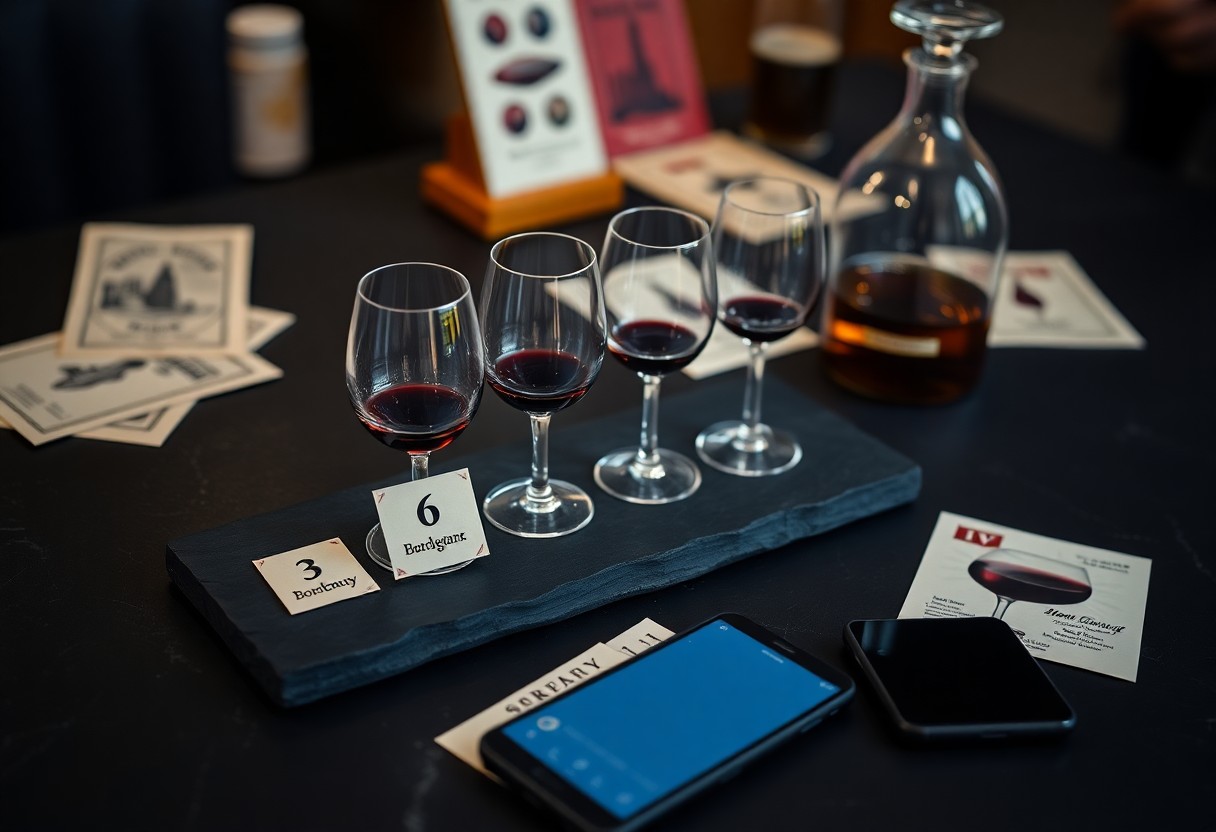
Plan a concise flight with labeled pours, matched glassware and steady serving temperature so you can compare Bordeaux and Burgundy at home; use spittoon, water and plain crackers between sips. The wine tasting setup should favor small pours and neutral lighting.
- Order: light-to-heavy
- Glassware: same for all
- Temperature: consistent pours
Structuring Comparative Horizontal and Vertical Tastings
Compare horizontal flights (same vintage, different producers) against vertical flights (same producer, multiple vintages) so you can isolate terroir and age effects; you should limit bottles per flight for clarity.
Structuring Details
| Horizontal | Vertical |
|---|---|
| Focus: producers | Focus: vintages |
| Best: side-by-side contrast | Best: track development |
| Recommend 4-6 bottles | Recommend 3-5 vintages |
Techniques for Blind Tasting and Objective Scoring
Practice blind pours with coded bottles, tasting sheets and a simple scoring grid so you can separate preference from facts and avoid bias during comparative sessions.
Develop a protocol by masking labels, assigning codes and rotating pour order so you reduce order bias; use consistent glassware and steady temps. You should apply a clear rubric (appearance, nose, palate, finish) with a 100-point or 20-100 grid and note any cork taint or volatile faults for objective records.
Conclusion
You can explore Bordeaux and Burgundy at home through curated tasting flights, virtual winery tours, regional guides, importers, and wine clubs; study terroir maps, join online masterclasses, and pair wines with regional dishes to deepen tasting skills and context.
FAQ
Q: How can I compare Bordeaux and Burgundy wines from home?
A: Compare Bordeaux and Burgundy by organizing side-by-side tastings. Begin with representative styles: for Bordeaux choose a Left Bank Cabernet-dominant wine and a Right Bank Merlot-dominant wine; for Burgundy choose a red Pinot Noir and a white Chardonnay from distinct appellations. Use identical glassware and small pours, taste from lighter to fuller-bodied, and make blind notes on appearance, aroma, acidity, tannin, oak influence, and finish. Include bottles from different vintages and price tiers to observe aging and production differences, and record conclusions to build a reference library for future tastings.
Q: What online resources and virtual experiences bring Bordeaux and Burgundy to life?
A: Explore official regional sites like CIVB (Bordeaux) and BIVB (Burgundy) for maps, appellation guides, and producer directories. Book winery-hosted virtual tastings, join masterclasses from GuildSomm, Jancis Robinson, Wine Spectator, or Decanter, and follow producer videos and harvest footage on YouTube and social media. Read vintage reports, tasting sheets, and books by respected writers to learn typical profiles for key appellations and to interpret technical notes you hear during virtual events.
Q: How can I recreate a château or domaine visit at home on a budget?
A: Assemble a tasting kit with bottles that represent key appellations, grape varieties, and a mix of entry-level and single-vineyard selections. Add basic tools: ISO-style wine glasses, a spittoon or small rinsing cup, tasting sheets or a notebook, a thermometer, and a decanter for older wines. Pair wines with simple regional foods-baguette and soft cheese for Burgundy, roasted or aged cheese and charcuterie for Bordeaux-and invite friends or join a guided virtual session to discuss winemaking choices, vineyard differences, and aging potential while you taste.