Most wine exploration begins with you: identify your favorite flavors, then seek similar grapes and regions; sample small pours to avoid waste, watch for allergies or sulfite sensitivity, and trust tasting notes to find new favorites.
Key Takeaways:
- Define your palate profile: record preferred sweetness, acidity, tannin, body, and recurring flavor notes from wines you already enjoy.
- Match preferences to grapes and regions: use tasting notes, wine apps, shop staff, and sommeliers to find varietals, producers, or regions that deliver those characteristics.
- Taste deliberately: sample flights, compare varietal and regional styles, join tastings or a subscription club, and keep notes to refine future choices.
Identifying Your Core Palate Preferences
Pinpoint the flavors and sensations you prefer-acidity, body, oak presence-by tasting widely and logging reactions so you can avoid wines with overpowering tannins and seek those with bright fruit you enjoy.
Evaluating Sweetness and Tannin Thresholds
Test small pours across styles to gauge your tannin sensitivity and sweetness tolerance; note when bitterness or cloying sugar overwhelms food pairing. Use brief tasting notes to choose wines with balanced sweetness that complement your meals rather than mask them.
Recognizing Preferred Fruit and Earth Profiles
Track whether you prefer bright red fruit, concentrated dark berries, or earthy and mineral notes by comparing varietals; avoid bottles that exhibit oxidation which can ruin the palate.
Explore tasting side-by-side: compare a Pinot Noir for bright red fruit, a Cabernet for dark, concentrated berries, and a Nebbiolo or Barolo for pronounced earthy tannins; sniff for minerality, soil, leather, or tobacco notes, and note if heavy oak masks fruit. Use an aroma wheel and food pairings to confirm which profiles consistently please you.

Essential Factors Determining Wine Style
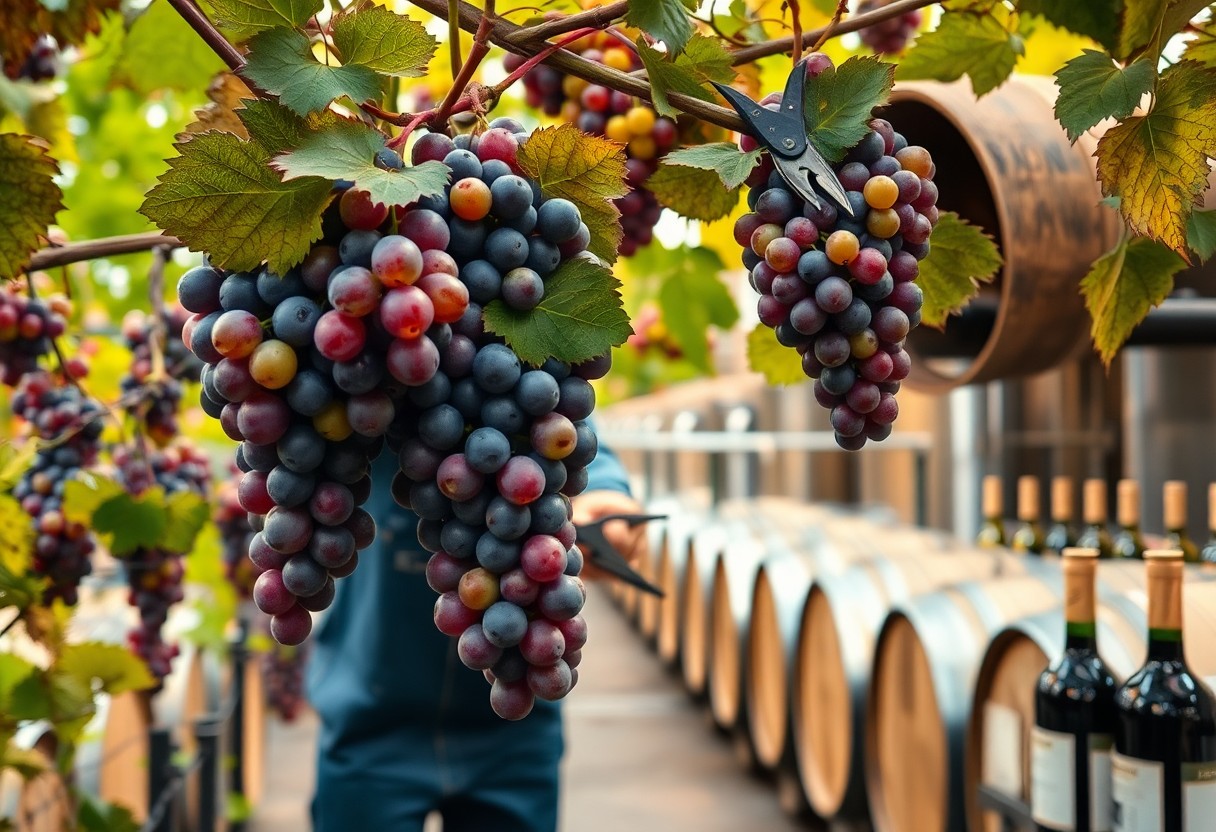
Grapes set the base, while climate, soil and winemaking tweak acidity, tannin and body; you should learn those markers to match bottles to your palate. Assume that you prefer riper fruit, fuller body, and noticeable oak.
- Grape variety
- Climate
- Soil
- Winemaking
Impact of Climate and Geography on Flavor
Regional temperature and altitude influence ripeness and acidity, so you can expect cooler sites to deliver brighter fruit and higher acid, while warmer zones produce riper, fuller wines with more alcohol.
How Production Methods Influence the Final Pour
Winemaking choices like fermentation, oak aging and malolactic conversion determine texture and aroma; you should note these techniques on labels or ask producers to predict the wine’s style.
Barrel versus stainless decisions change mouthfeel: new oak adds toast and tannin, while stainless steel preserves pure fruit and crisp acidity. You should watch for lees stirring, extended maceration, carbonic techniques or heavy filtration-each can add complexity or risk over-oaking and oxidation; ask about yeast and timing to gauge aging potential.

How to Conduct Comparative Tastings at Home
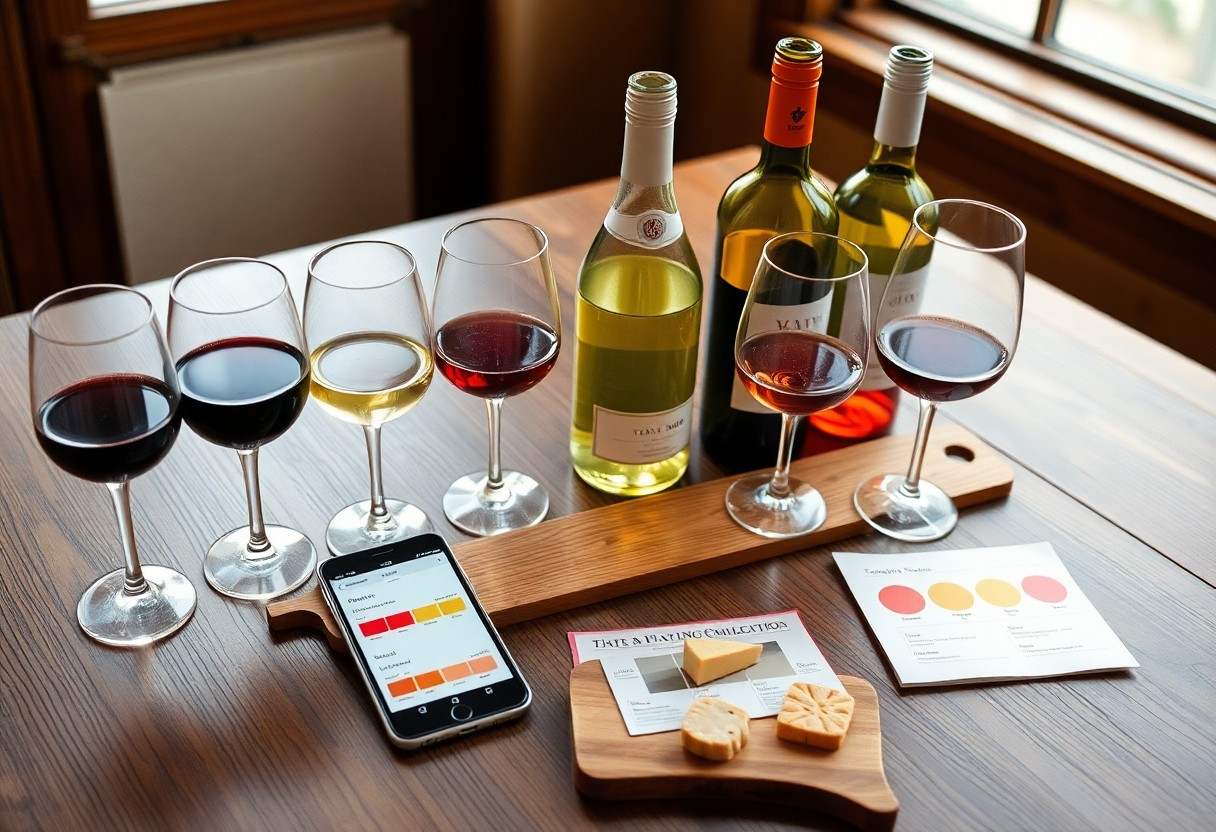
Conduct tastings by arranging similar wines, using identical glassware, and tasting blind when possible; pace yourself to avoid palate fatigue. You should take notes and compare aromas, acidity, body, and finish to spot patterns in what you prefer.
Overview
| Step | Benefit |
|---|---|
| Blind pours | Focus on sensory cues |
| Same glassware | Consistent comparison |
| Note-taking | Track preferences over time |
Setting Up a Controlled Tasting Environment
Arrange a neutral, well-lit space with plain glassware, room-temperature wines, and minimal scents; use water and plain crackers to cleanse your palate between samples so you can judge consistently.
Environment Setup
| Item | Purpose |
|---|---|
| Lighting | Assess color accurately |
| Neutral scents | Avoid aroma interference |
| Palate cleansers | Reset taste between pours |
Comparing Varietals Side-by-Side
Compare two or more varietals poured in identical glasses, tasting them sequentially to track differences; note acidity, tannin, body, and flavor shifts to identify which profiles you prefer.
Side-by-Side Tips
| Action | Why it helps |
|---|---|
| Order by light→full | Prevents heavier wines masking lighter ones |
| Blind tasting | Removes bias |
| Record descriptors | Clarifies consistent likes |
Taste wines from lightest to fullest and keep pours blind until you finish so you focus on sensory differences; you should jot concise notes on aroma, structure, and finish, and compare scores across sessions to identify patterns. Rotate bottles between tasters to check consistency. Monitor for palate fatigue and take breaks with water and plain crackers to keep judgments reliable.
Deep Comparison Tools
| Tool | Use |
|---|---|
| Score sheet | Quantify preferences |
| Repeat tasting | Confirm favorites |
| Taster notes exchange | Spot shared preferences |
Strategic Tips for Continual Discovery
Try short experiments-track your personal taste and mix regions, grapes, and price points, using quick tools like Find Your Wine Preference in One Minute to refine notes and avoid repeating favorites. Perceiving subtle patterns helps shape your palate and spot blind spots.
- Personal taste: vary regions
- Palate notes: log flavors
- Curated selection: try subscriptions
Utilizing Digital Palate Tracking Tools
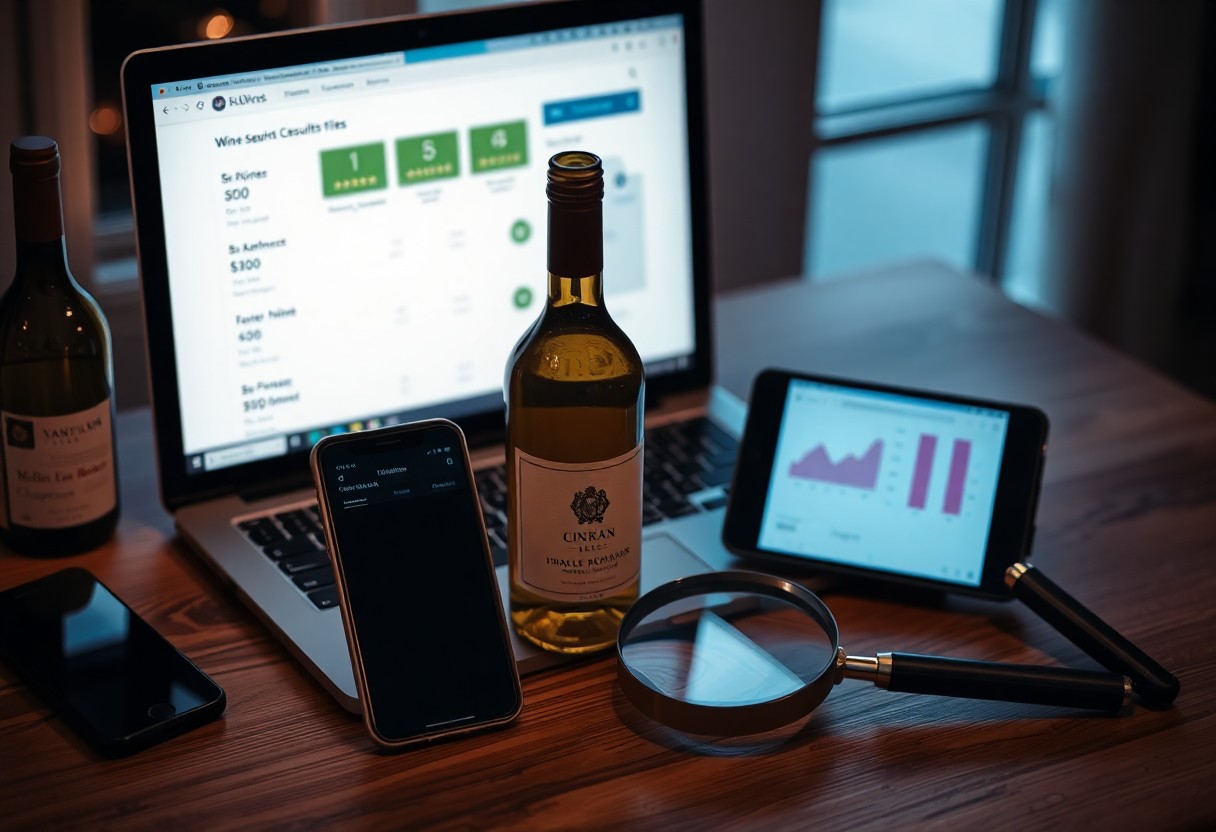
Use apps and tasting journals to map your palate, rate wines, and get algorithmic matches; you can compare vintages and spot bias sooner, while growing your preferences.
Engaging in Subscription Services for Curated Selection
Join subscription services to receive rotating curated selection, taste beyond labels, and test new regions; monitor cost and keep notes to refine your picks.
Consider subscription services as deliberate experiments: choose programs that match your goals-adventurous tasting, value, or style education-so you receive a tailored curated selection from trusted buyers. You should check cancellation terms, expected cost, and whether tasting notes accompany bottles; those notes and producer info let you connect each bottle to your personal taste. Use subscriptions to access small producers and limited releases, but pause if boxes consistently miss your profile or strain your budget.
Summing up
As a reminder you can match favorite flavors, swap one variable at a time (grape, region, oak), read tasting notes, attend tastings, and record your reactions to discover wines you love faster.
FAQ
Q: How do I identify my personal wine taste profile?
A: Start by tasting a wide range of wines and noting clear likes and dislikes for sweetness, acidity, tannin, body, oak, alcohol, and fruit character. Use a simple tasting sheet that scores each category from 1-5 and captures three aroma and three flavor descriptors for every wine. Compare entries to find patterns: for example, frequent notes of green apple and citrus point to preference for crisp, high-acidity whites (Sauvignon Blanc, Albariño), while repeated enjoyment of black fruit and firm tannin suggests gravitation toward fuller reds (Cabernet Sauvignon, Syrah). Keep a running list of preferred descriptors and three repeat favorites; that list becomes your working taste profile for searching new wines.
Q: What tools and resources help me discover wines that match my preferences?
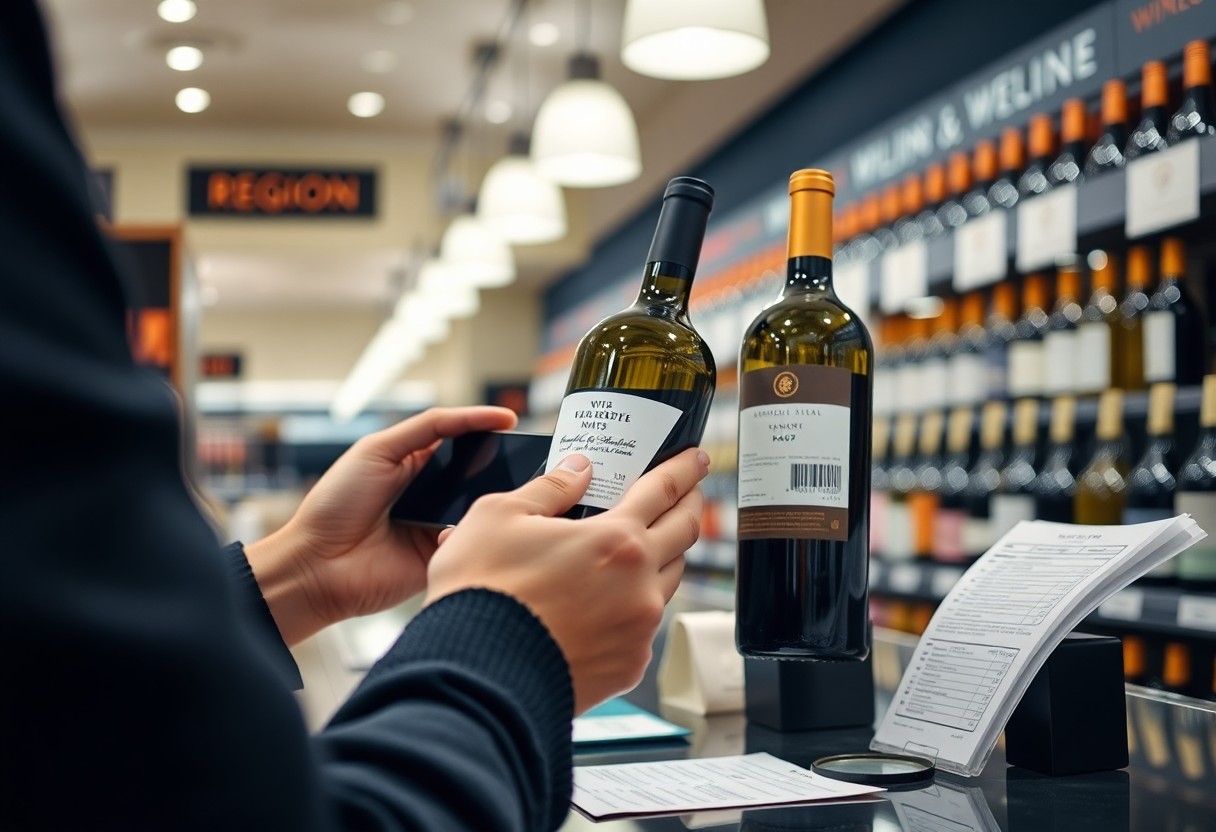
A: Use mobile apps and websites that aggregate user ratings and tasting notes, such as Vivino, Delectable, CellarTracker, and Wine-Searcher, to search by grape, region, sweetness, body, oak level, and price. Ask knowledgeable staff at reputable wine shops or sommeliers at restaurants to suggest bottles that match your profile and request small pours or by-the-glass options to sample before buying. Join virtual or in-person tastings and subscribe to curated sample boxes or specialty wine clubs that allow you to filter selections; compare tasting notes from multiple sources to confirm consistent descriptors before purchasing full bottles.
Q: How should I experiment and refine my preferences without spending too much?
A: Prioritize low-cost ways to sample: order flights at restaurants, buy half-bottles or splits, attend free or low-cost tastings, and swap bottles with friends who have different preferences. Run controlled comparisons that change only one variable at a time-same grape from two regions, same grape/region with and without oak, or different vintages-so you can isolate what you like. Keep concise tasting records, adjust your profile after every five-ten samples, and focus purchases on styles that score highest; repeat tasting a top choice across vintages or producers to deepen confidence before investing in higher-priced bottles.