You choose wines by assessing labels, farming and winemaking: seek clear certifications and ingredient transparency, avoid bottles tied to pesticide residues, and favor producers with clean, expressive flavor and sustainable farming.
Key Takeaways:
- Taste first: prioritize grape variety, wine style, and your flavor preferences over certifications; buy single bottles or samples to discover producers you enjoy.
- Understand labels: learn what organic, biodynamic, natural, and sustainable mean for farming, additives, and sulfur limits so labels inform selection rather than dictate it.
- Choose transparency and consistency: favor wineries that disclose vineyard and cellar practices, read trusted reviews, and attend tastings to find sustainable options that match your palate.
Differentiating Organic, Natural, and Sustainable Categories
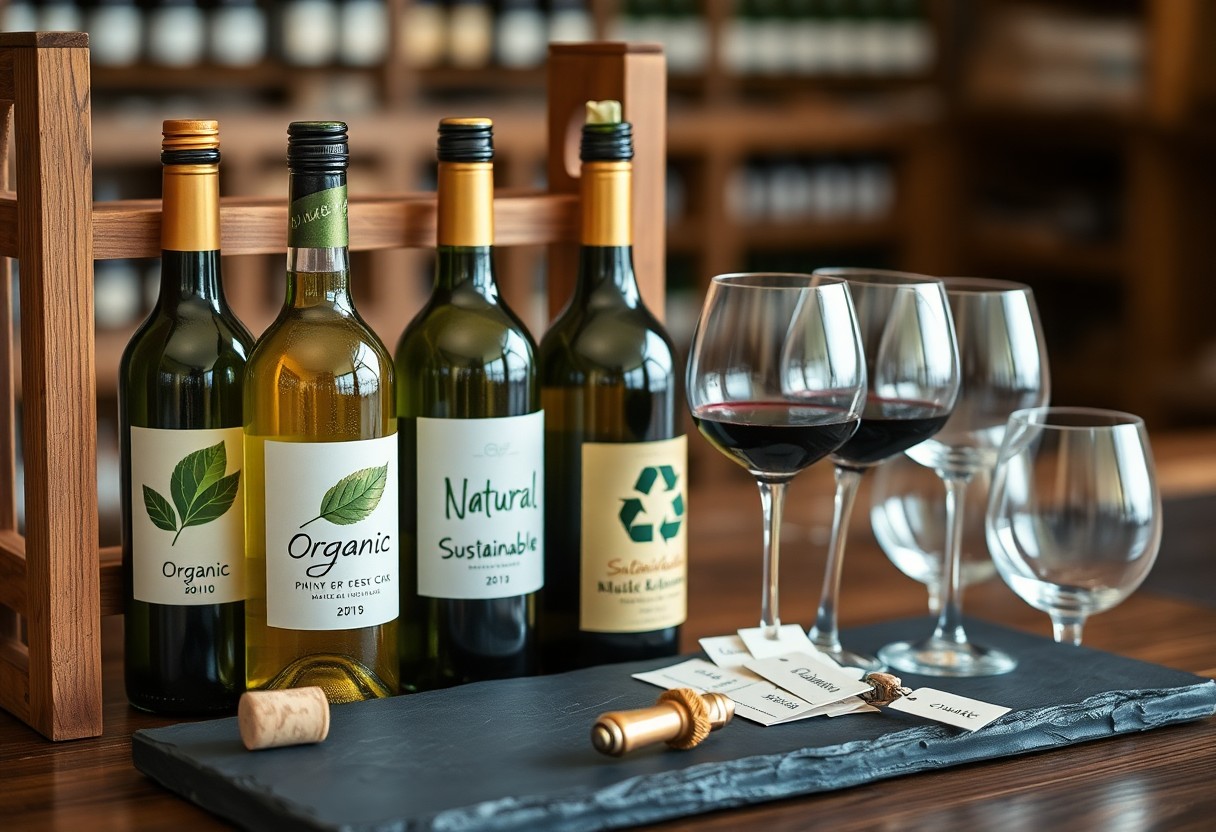
Categories clarify what you can expect from labels: organic focuses on farming and processing standards, natural emphasizes minimal intervention and wild yeasts, while sustainable targets environmental and social practices. Use these distinctions to pick wines that match your taste and ethics.
Defining Organic Farming and Processing Standards
Organic certification bans synthetic pesticides and restricts additives; when you buy, check for official certification because residual pesticides are typically lower than in conventional wines.
Understanding the Philosophy of Natural Winemaking
Natural winemaking minimizes intervention: you’ll find spontaneous fermentations, little to no added sulfites, and minimal filtration; producers often rely on wild yeasts, so bottles can vary widely.
You should expect variability and learn which producers suit your palate; some winemakers add tiny sulfur while others add none. Producers that skip filtration increase spoilage risk or introduce wild characters like Brettanomyces, yet that unpredictability can yield expressive, singular wines you value.
Identifying Core Sustainable Vineyard Practices
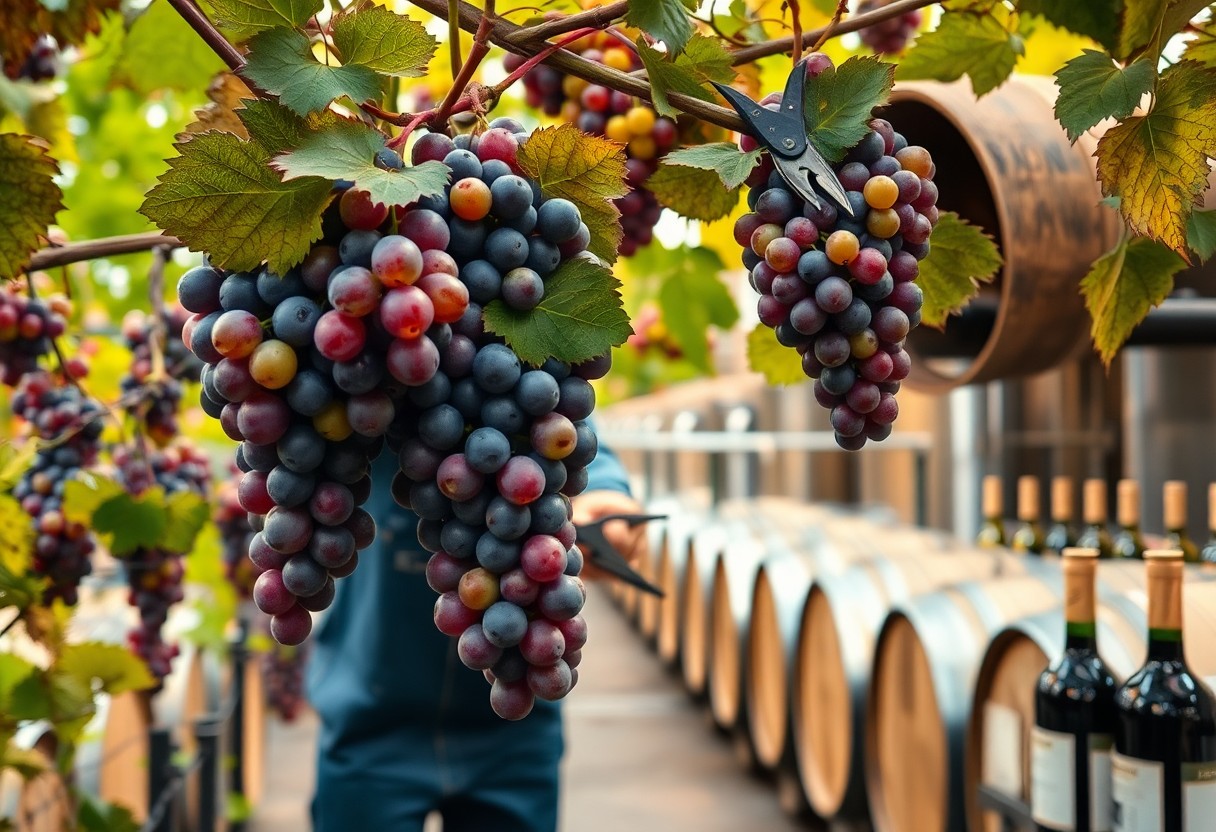
Sustainable programs address soil health, water use, biodiversity and worker welfare; when you assess a winery, prefer those that publish practices or metrics because they typically deliver lower environmental impact and reliable quality.
Practices such as cover crops, reduced tillage and targeted pest control build soil carbon and cut erosion, giving you healthier fruit and often more flavorful wines. Beware of greenwashing; ask for specific actions, measurable outcomes, or third-party audits before you trust a sustainability claim.
How to Interpret Labels and Certifications
Check the label for clear certification names, seal images, and certification codes; you should favor bottles displaying recognized organic or sustainability logos and transparent ingredient or sulfite information.
Deciphering Official Eco-Certificates and Seals
Look for seals like USDA Organic, EU Organic, or Demeter biodynamic and verify the certifier online to confirm standards, prohibited inputs, and certification validity.
Distinguishing Between Marketing Claims and Verified Status
Question vague phrases such as “natural” or “eco-friendly”; those labels often lack independent verification, so you should seek third-party certification over marketing claims.
Verify claims by checking the certifier’s registry, certification numbers, and fine print: terms like “made with organic grapes” or “natural” can be marketing-only, while a registered seal usually indicates verified status. You should also consult importer or winery pages for details on additives, sulfites, and winemaking methods when labels are unclear.
Identifying Regional Designations and Producer Transparency
Scan regional seals such as AOC, DOC, PDO, or GI and favor wines that provide clear traceability, origin details, and producer contact information on the bottle or website.
Compare appellation rules because some protect only geographic names while others set strict viticultural and production standards; you must read the designation’s regulations to know whether environmental or organic practices are required. Look up lot numbers, producer pages, and audit links, and use official registries to confirm claims since an appellation alone does not guarantee organic farming.
Tips for Selecting Profiles Suited to Your Palate
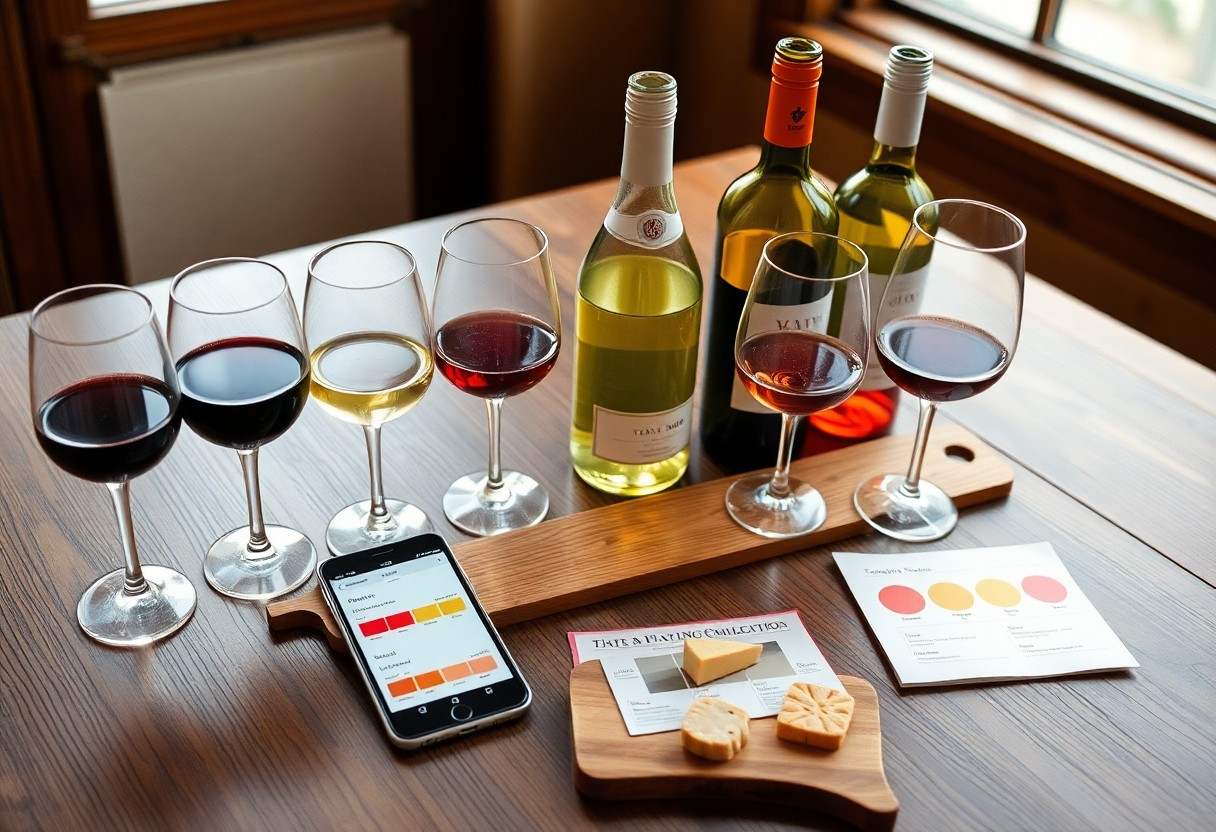
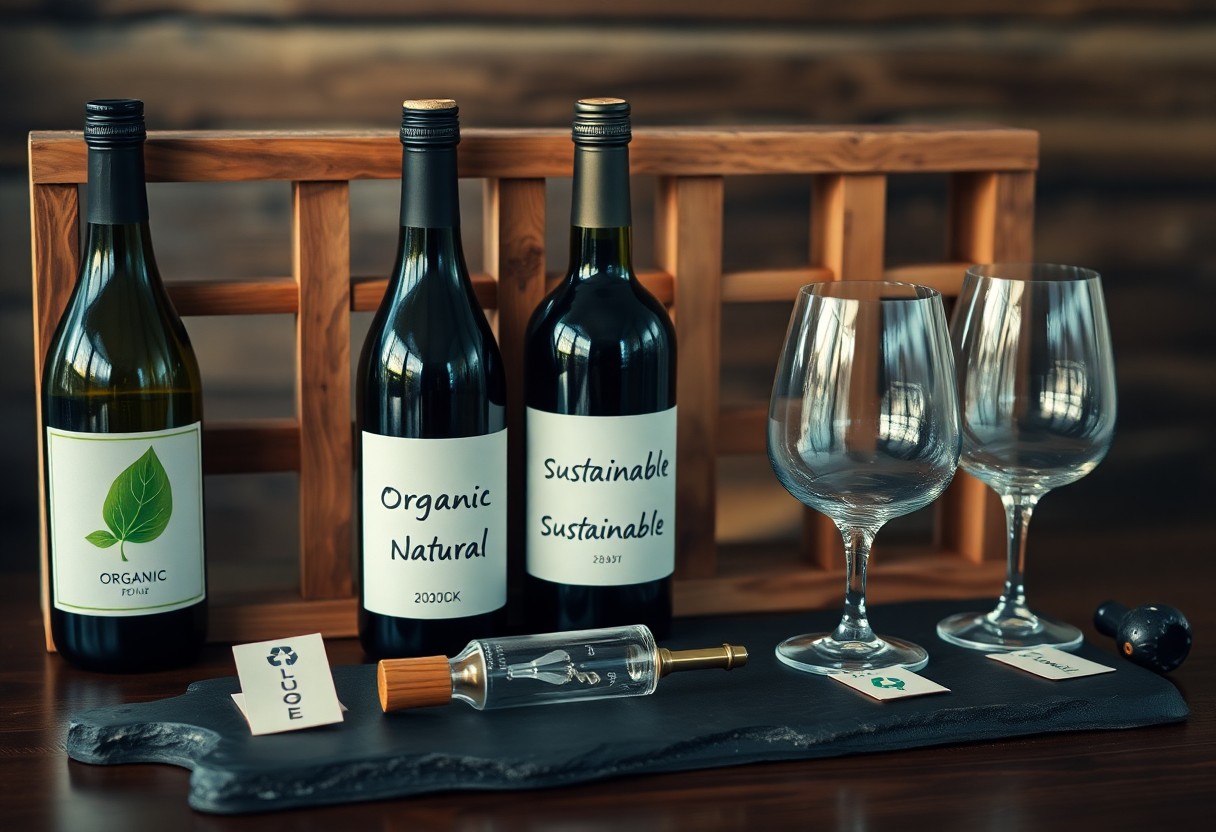
Choose wines by noting aromas, structure, and food matches so you can pick organic or sustainable bottles that fit your style. Assume that you prefer brighter, higher-acidity whites or rounded, fuller-body reds and shop accordingly.
- organic
- natural
- sustainable
- low-intervention
- acidity
- body
- vintage
Navigating the Unique Characteristics of Low-Intervention Wines
Taste to spot wild yeast notes, earthy tones, or pure fruit expression and decide if you enjoy the natural variability low-intervention bottles often show; you may prefer consistent producers or adventurous, changing flavors.
Balancing Acidity and Body in Eco-Conscious Varieties
Assess acidity and weight by noticing mouthfeel: if sharp acidity overwhelms you, look for greater body, lees contact, or gentle oak that softens the finish for your palate.
Consider testing the same wine at different temperatures and pairing acidic whites with fattier foods so you judge how texture and food alter perceived balance; you can also read producer notes on vineyard ripeness to predict acid levels.
Finding Flavor Consistency Across Different Vintages
Compare successive vintages from the same grower to learn how weather affected concentration and identify producers whose methods deliver the repeatability you trust; check vintage notes and reviews before buying.
Track producers over multiple years, follow technical notes on harvest dates and fermentation, and favor wineries with transparent, repeatable practices so you reduce bottle-to-bottle variability and build reliable preferences.
How to Source Reliable Bottles
Shops, trusted winery sites, and direct-producer channels help you find reliable organic, natural, or sustainable wines; you should check for official certifications, up-to-date reviews, and transparent production notes to avoid misleading claims.
Shopping at Specialized Independent Retailers
Independent retailers often stock small-batch and certified producers; ask staff for tasting notes, provenance, and storage history so you can identify well-kept bottles and avoid poor-condition purchases.
Utilizing Wine Apps and Databases for Research
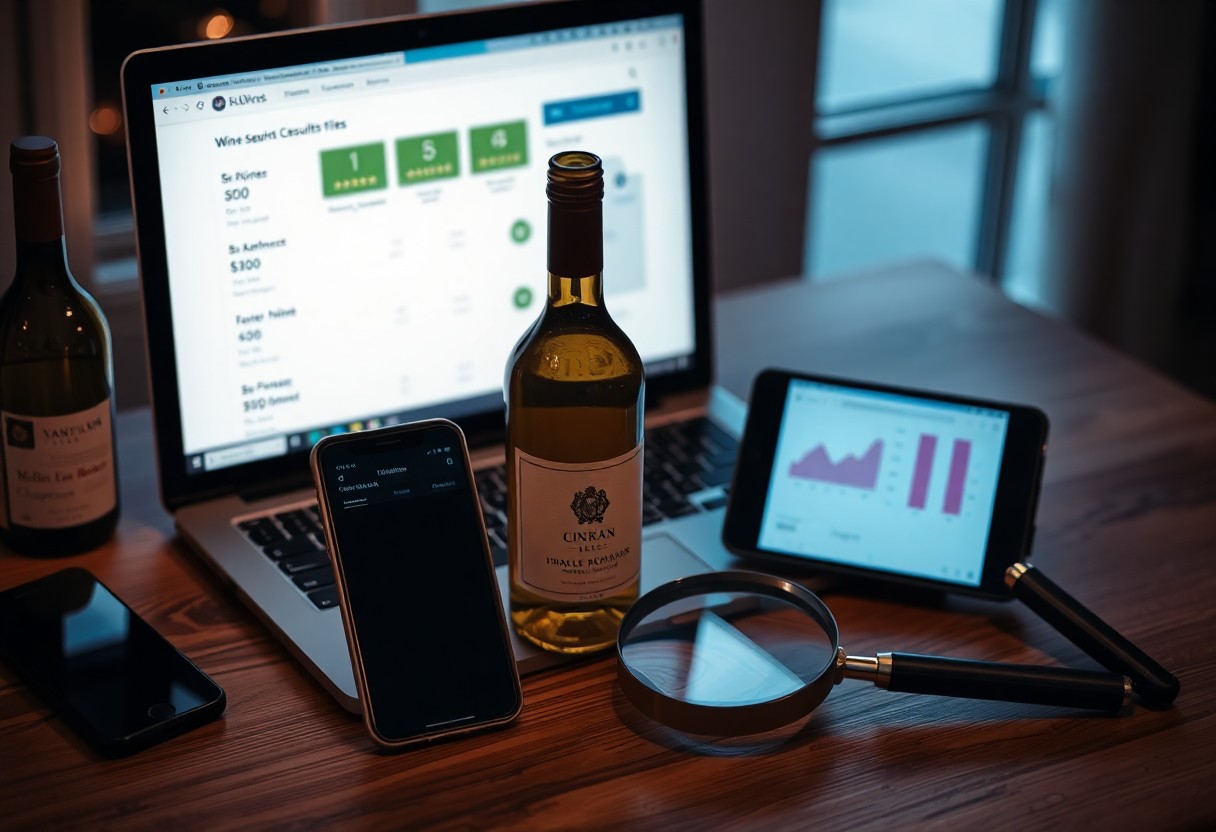
Apps and online databases let you filter by certification, vintage, and importer; use multiple sources to cross-check ratings and watch for misleading labels before buying.
You can cross-reference user reviews, professional scores, importer details, and certification tags on platforms like Vivino, Wine-Searcher, and winery sites; prioritize listings that show independent documentation and bottle photos, and verify certification where possible, since crowd-sourced ratings can overrate trendy labels.
Engaging with Sommeliers to Discover Emerging Producers
Sommeliers at restaurants and wine bars can point you to emerging producers, allocation-only bottlings, and trustworthy importers; ask for off-list suggestions and tasting guidance to find unique discoveries.
Ask your sommelier for producers that match your taste profile, price range, and sustainability priorities; they can connect you with importers, tasting samples, and off-list gems, but be aware of allocation limits and restaurant-only bottlings when planning purchases.
Factors for Proper Storage and Service
Store your organic, natural, and sustainable wines in a cool, dark, vibration-free spot so you can enjoy true expression. Avoid heat spikes and UV; keep steady humidity for cork health. Perceiving aromas and balance depends on how you house and serve each bottle.
- Temperature: keep steady, avoid rapid swings
- Light: protect from UV to prevent faults
- Humidity: preserve cork integrity
- Service: match glassware and pouring to style
Maintaining Temperature Stability for Sensitive Bottles
Control temperature swings to protect delicate natural bottles; keep them within the producer’s recommended range and avoid frequent cycling so you don’t force premature aging.
Temperature Guidance
| Condition | Action |
|---|---|
| Heat spikes | Move bottles to cooler, shaded area |
| Frequent cycling | Use a dedicated cooler or cellar |
| High humidity | Maintain 60-70% to protect corks |
Utilizing Aeration to Enhance Natural Aromas
Open fragile bottles gently and decant briefly when aromatics feel closed; modest aeration can reveal primary fruit without pushing oxidation.
Allow delicate expressions to breathe in short increments-taste after 15-30 minutes and again later; aggressive aeration risks loss of freshness, so match technique to the wine’s age and structure to preserve nuance.
Understanding the Shelf Life of Unfiltered Selections
Expect unfiltered and low-sulfite wines to have shorter, more variable cellaring windows; store cooler and plan earlier consumption to avoid spoilage.
Monitoring bottles includes checking for haze, unexpected bubbles, or sour notes; if you detect sharp acetic or strong volatile aromas, you should not serve it. Cooler storage and gentle handling extend life, while bottle-to-bottle variation is common.
Summing up
Now you can prioritize certified labels, sample wines, question producers about vineyard and cellar methods, and select bottles that suit your palate and budget to enjoy organic, natural, or sustainable wines.
FAQ
Q: What is the difference between organic, natural, and sustainable wines?
A: Organic wine refers to grapes grown without synthetic pesticides, herbicides, or fertilizers; certified bottles often follow strict rules that can include limits on additives in the cellar. Certified organic labels vary by country, with examples like USDA Organic and EU Organic. Natural wine typically describes minimal-intervention winemaking: fermentations with native yeasts, little or no added sulfur, and minimal fining or filtration, but the term is not tightly regulated so practices vary by producer. Sustainable wine describes programs that combine environmental care, worker welfare, and long-term economic practices; growers may use cover crops, careful water management, and integrated pest management to reduce impact.
Q: How can I find organic, natural, or sustainable wines that match my taste?
A: Start by identifying the styles you already enjoy – light and floral, crisp and high-acid, fruity and medium-bodied, or rich and tannic. Look for tasting notes, reviews, and recommendations from knowledgeable shop staff to narrow choices. Try single bottles, mixed packs, or tasting flights so you can sample before buying a case. Seek out producers, regions, or importers known for consistent quality in sustainable practices; small growers often give detailed production notes that help predict style. Attend tastings and ask about farming and cellar techniques, since lower-sulfite or native-yeast approaches influence aroma and aging. Use label cues like “organic,” “biodynamic,” or named sustainability programs as a starting point, and pair those cues with actual tasting feedback.
Q: What should I look for on labels and certifications?
A: Certification marks provide a quick signal of farming and cellar rules: USDA Organic, EU Organic, and many country-specific organic seals indicate certified organic growing and sometimes cellar limits. Biodynamic certification such as Demeter shows a specific set of agricultural practices and composting methods. Sustainable programs include SIP Certified, regional sustainable winegrower programs, and other third-party schemes; standards and strictness differ by program. The term “natural” often appears without formal certification, so check producer notes for native-yeast fermentation, no or low added sulfites, and minimal filtration. If low sulfites matter to you, look for “no added sulfites” claims or ask the winery/importer for sulfur ppm figures. Winery or importer websites usually offer the clearest descriptions of vineyard and cellar practices.