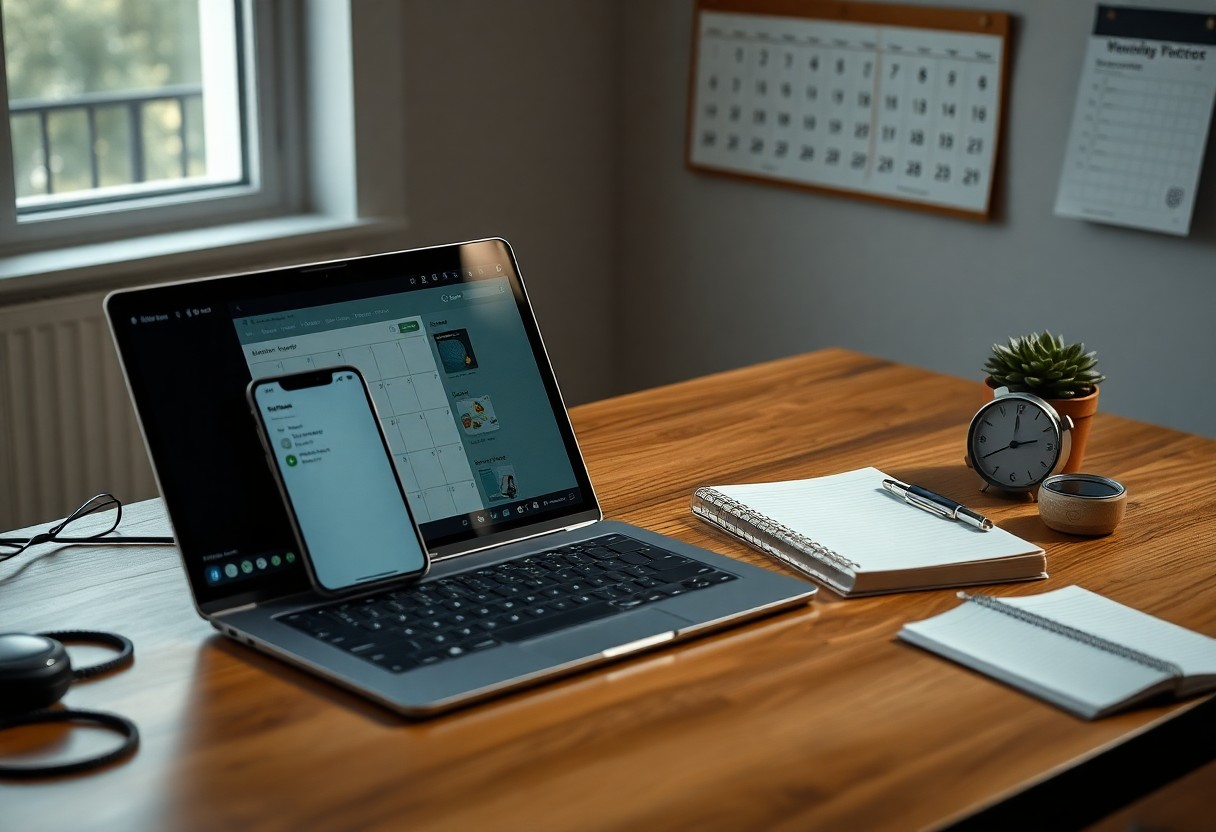
AI can transform how you work by reducing the need to juggle multiple tasks at once. I use AI tools to automate routine work, prioritize your schedule, and minimize distractions. This focus on single-task efficiency boosts your output while lowering mental fatigue. Constant multitasking harms concentration and increases errors, but AI helps you avoid that trap with smart, timely support.
Key Takeaways:
- AI tools can automate routine tasks like email sorting, calendar management, and data entry, freeing up mental space and reducing the need to switch between activities.
- Smart assistants help prioritize daily goals by analyzing work patterns and suggesting optimal times for focused work, making single-tasking more effective.
- Real-time summarization and note-taking features in AI apps allow users to capture insights quickly during meetings or research, minimizing distractions and the urge to multitask.
The Fracture of Focus
I’ve watched your attention splinter across tabs, notifications, and half-finished tasks, each ping pulling you further from meaningful progress. This constant fragmentation isn’t just annoying-it rewires your brain to crave distraction. What feels like staying on top of things is actually eroding your ability to think deeply or complete work with clarity.
The Price of the Split Mind
Every time you switch tasks, your brain burns energy refocusing, leaving you mentally drained. You lose minutes each day not in big chunks, but in dozens of invisible transitions that add up to lost productivity and increased stress. This tax on your cognition is silent-but it’s very real.
The Illusion of Motion
You feel busy, checking emails, shuffling tasks, reacting to alerts-but little moves forward. This flurry of activity tricks you into believing you’re being productive, when in truth, you’re stuck in place. Motion isn’t progress, and AI can help you see the difference.
I once reviewed a client’s workday and found they spent over three hours responding to messages while believing they were “managing priorities.” Their sense of accomplishment was built entirely on reactive motion, not strategic output. AI tools that track focus patterns revealed the gap, allowing them to reclaim deep work-and finally move the needle on real goals.
Machines for the Small Work
I let AI handle the tiny tasks that pile up between big projects. You’d be surprised how much mental space is freed when automated tools sort files, schedule meetings, or draft routine messages. These machines don’t get tired or distracted, so your focus stays on what truly matters-without the burnout from constant context switching.
Delegating the Hours
Every minute spent on repetitive work is a minute stolen from creative thinking. I use AI to take over time-consuming chores like data entry or report formatting. This way, you reclaim hours each week without hiring extra help or working longer days.
Clearing the Inbox Swamp
Email chaos kills productivity fast. I rely on AI to sort, prioritize, and even draft replies to routine messages. With smart filters and auto-categorization, your inbox becomes manageable in minutes, not hours.
What makes AI so effective for email is its ability to learn your habits. It knows which messages need urgent attention and which can wait. I’ve set up rules that flag client requests, archive newsletters, and suggest responses-all without me lifting a finger. This kind of automation turns an overwhelming backlog into a streamlined workflow, so you start each day with clarity, not clutter.
The Quiet of Deep Labor
I’ve learned that real progress doesn’t come from constant motion-it comes from stillness. When you silence distractions, your mind accesses a rare clarity. AI tools now help me protect these pockets of focus, automatically filtering interruptions so I can enter deep labor without resistance. This quiet isn’t empty-it’s where meaningful work takes shape.
Silence as a Sharp Weapon
Silence isn’t passive-it’s a tool I wield deliberately. With AI managing notifications and scheduling focus blocks, I reclaim hours once lost to noise. You’d be surprised how much sharper your thinking becomes when you stop reacting and start listening. True productivity hides in those quiet moments most people rush to fill.
The Discipline of the Bell
A simple chime signals the start of my focused session. This ritual, guided by an AI timer, trains my brain to shift into deep work instantly. You don’t need motivation when you have a system. The bell removes debate-when it rings, distractions end and clarity begins.
What makes the bell powerful isn’t the sound itself, but the consistency behind it. I use an AI scheduler that learns my energy peaks and places these focus sessions at optimal times. Over time, my brain associates the chime with deep engagement, making it easier to resist the pull of emails or messages. This small cue builds a self-reinforcing habit-one that turns discipline into instinct.
Finding the Core of the Word
I focus on stripping away excess to uncover what truly matters in communication. AI helps me identify filler language and redundant phrases, so your message becomes clearer and more direct. With every sentence refined, your impact grows without needing to say more.
The Art of Few Words
Words carry weight only when they’re intentional. I use AI to trim the clutter in your writing, keeping just what’s necessary. Saying less often means being heard more clearly, and that’s where real productivity begins.
The Heart of the Matter
Clarity emerges when distractions fall away. I rely on AI to highlight the central idea in any task or message, so you’re never lost in noise. Staying focused on one clear purpose prevents burnout and boosts output.
When I review a draft or plan, I don’t scan every line-I ask AI to pinpoint recurring themes and emotional tones. This reveals the true intent behind your words, letting me align structure with purpose. Instead of juggling multiple ideas at once, you can act decisively on the one that matters most, reducing mental fatigue and increasing accuracy.
The Discipline of the Single Path
I follow one task at a time because AI helps me stay focused without distraction. Tools like automated scheduling and smart reminders keep me on track, so I don’t jump between duties. You can learn more about this approach by reading How to Use AI for Productivity and Time Management.
One Task for One Man
Completing one task before starting another reduces mental clutter and improves accuracy. I’ve trained my AI assistant to block distractions during these focused intervals, so you can work with clarity and purpose without feeling overwhelmed by unfinished work.
Leaving the Loose Ends
Unfinished tasks drain your energy even when you’re not actively working on them. I use AI to flag incomplete items and schedule follow-ups, so nothing slips through the cracks without constant mental effort.
When I leave tasks partially done, they linger in my mind, creating subtle stress. Now, I rely on AI to log those loose ends and prompt me at the right time. This system ensures I maintain momentum without carrying the weight of unresolved work-your focus stays sharp because your system handles the memory load.
Summing up
Presently, I use AI to streamline your daily tasks without forcing you to juggle multiple things at once. I design systems that handle routine decisions, freeing your focus for deeper work. You stay productive not by doing more, but by letting AI manage the background noise, so your attention stays where it matters most.
Leave a Reply