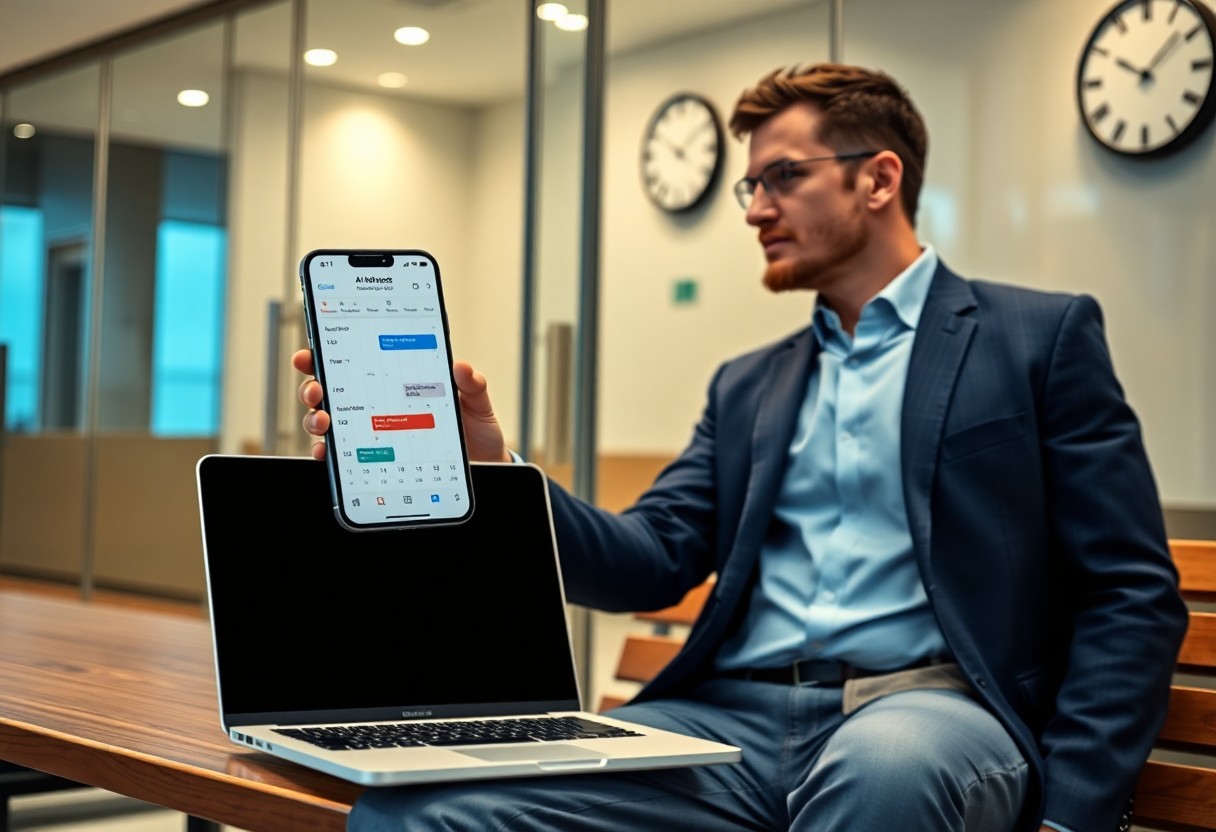
Over 60% of professionals report chronic stress due to time scarcity. I’ve seen how AI automates repetitive tasks, freeing up hours each week. You can reclaim your schedule with smart scheduling, email filtering, and task prioritization. This isn’t just efficiency-it’s a direct path to better health and focus. I’ll show you how.
Key Takeaways:
- AI automates repetitive tasks like scheduling, email sorting, and data entry, freeing up hours each week for rest, exercise, or time with family.
- Smart assistants provide personalized recommendations for breaks, mindfulness exercises, and work pacing, helping professionals build healthier daily routines.
- By reducing cognitive load and decision fatigue, AI tools allow individuals to focus on meaningful work and personal priorities without constant mental strain.
The Pareto Principle of Cognitive Energy
I’ve learned that 20% of my mental efforts drive 80% of meaningful outcomes. By identifying which tasks demand deep focus and which drain energy without returns, I reclaim hours weekly. AI tools now handle the low-yield work, so I don’t waste attention where it doesn’t matter.
Batching Low-Level Logistics
You likely lose focus toggling between emails, scheduling, and expense reports. I use AI to group these tasks into single batches, processed in minutes. This reduces decision fatigue and frees up mental space for work that truly requires human insight and creativity.
Focusing on High-ROI Activities
I prioritize only those actions that directly impact results-strategy, client relationships, innovation. AI filters distractions so I can invest time where your expertise makes the biggest difference. This shift didn’t just save time-it improved performance.
When I say high-ROI activities, I mean the work that moves the needle: closing key deals, mentoring teams, refining vision. These demand presence, judgment, emotional intelligence-things no machine can replicate. I’ve trained AI to flag urgent logistics but leave strategic decisions to me. That boundary keeps me focused without being overwhelmed, ensuring I’m not just busy, but effective.
Outsourcing the Mental Overhead
I used to carry the weight of every small decision, but now AI handles the mental load so I can focus on what truly matters. By automating routine cognitive tasks, I’ve reclaimed hours once lost to planning, sorting, and prioritizing. Your mind wasn’t built for constant tracking-letting AI manage the background noise means you’re finally free to breathe.
Deploying AI Triage Systems
You’ll notice how quickly AI sorts incoming emails, messages, and tasks by urgency and relevance. I no longer waste time deciding what to tackle first-the system learns my patterns and routes priorities automatically. This kind of filtering turns chaos into calm, giving you back mental space without effort.
Minimizing Decision Friction
I skip the daily tug-of-war between choices because AI reduces unnecessary crossroads. From scheduling meetings to filtering notifications, fewer decisions mean less fatigue. You don’t need more options-you need smarter defaults that align with your rhythm and goals.
Decision fatigue wears you down in silence, draining energy before you even start your real work. I’ve found that AI steps in best by quietly eliminating trivial choices-like when to reply, which task to open, or what to ignore. By automating these micro-decisions, I preserve focus for meaningful challenges, not administrative noise. You don’t need more willpower; you need fewer decisions.
The Algorithmic Time Machine
I once believed reclaiming hours in my day was impossible-until AI began reshaping how I interact with time. By analyzing patterns in your schedule, AI predicts when you’re most productive and protects those windows automatically. It doesn’t just organize minutes; it reconstructs your day around what truly matters, turning fragmented hours into meaningful focus.
Algorithmic Calendar Defense
You no longer have to fight through back-to-back meetings. I use AI to block invasive scheduling requests during peak focus times, automatically declining or rescheduling non-urgent invites. This quiet defense ensures your most valuable hours stay untouched, letting deep work thrive without constant negotiation.
Hard-Coding Personal Downtime
I treat personal time like a non-negotiable meeting. AI inserts fixed blocks for rest, exercise, or family into your calendar with the same priority as client calls. Once scheduled, these moments become untouchable-shielded from overbooking and guilt, ensuring you actually recharge.
When I first tried hard-coding personal downtime, I expected pushback-but instead, my productivity increased. By letting AI enforce boundaries, I stopped sacrificing sleep for emails and meals for calls. Your brain needs recovery to perform, not just survive, and treating rest as a fixed appointment makes well-being unavoidable, not optional.
Quantifying the Human Machine
I track my body like a system, because modern tools let me see what was once invisible. Heart rate variability, sleep efficiency, and stress markers are no longer abstract-they’re daily data points. This clarity transforms guesswork into precision, letting you act on real physiological signals instead of fatigue or mood alone.
Biometric Feedback Loops
Sensors detect subtle shifts in your physiology before you feel them. I notice rising stress through elevated resting heart rate, prompting early intervention. These continuous signals create a loop where your behavior adjusts in real time, reinforcing proactive recovery over reactive burnout.
Data-Driven Recovery Protocols
Algorithms analyze your biometrics to suggest personalized rest strategies. I follow recovery plans shaped by sleep quality, activity load, and nervous system data. This means you’re not guessing when to rest-your body tells you, and AI makes it actionable.
When I review my weekly recovery score, it’s not just a number-it’s a reflection of how well I listened to my body. The AI correlates poor sleep with high afternoon cortisol, then recommends breathing exercises or adjusted training loads. Over time, these small, data-backed choices compound, protecting your long-term performance and preventing chronic exhaustion. I’ve learned that recovery isn’t passive; it’s a deliberate practice guided by insight, not intuition.
The Digital Executive Protocol
I’ve adopted a structured AI-driven workflow that reshapes how I manage time. By integrating smart tools into my daily routine, I reclaim hours once lost to administrative overload. This protocol isn’t about working faster-it’s about creating space for focused thinking and personal renewal without sacrificing professional output.
Intelligent Information Filtration
You no longer need to wade through endless emails and notifications. I use AI filters that learn my priorities, routing only what demands attention. This means fewer distractions and a calmer digital environment, letting me respond thoughtfully instead of reactively.
Automated Response Architectures
I rely on AI to draft replies based on my tone and past communication patterns. These systems handle routine messages before I even see them, freeing me to focus on complex decisions. The result? Time saved and consistency in your professional voice without manual effort.
Automated Response Architectures go beyond simple templates-they analyze context, urgency, and recipient history to generate nuanced replies. I’ve trained mine to flag sensitive topics that require my personal input, ensuring efficiency never comes at the cost of miscommunication or lost trust. With this layer of intelligent automation, your inbox becomes a tool, not a burden.
Reclaiming the Sovereign Self
I use Personalized AI for workplace health promotion – PMC to protect my time like it’s non-negotiable. When AI handles scheduling, prioritization, and even email tone, you regain agency over your attention. That space isn’t empty-it’s where clarity, choice, and self-trust return.
Engineering High-Yield Rest
You don’t need more downtime-just better quality. I let AI analyze my energy patterns and suggest micro-breaks at precisely the right moments, turning five minutes into real recovery. This isn’t passive rest; it’s strategic restoration that compounds focus and emotional resilience throughout the day.
Re-Inhabiting the Physical World
I used to live in my inbox, but now AI reminds me to stand, stretch, and step outside when data shows my focus fading. These nudges pull me back into my body, where movement restores mental sharpness and emotional balance.
Staying grounded isn’t just about breaks-it’s about presence. I’ve trained my AI to detect when I’ve been sedentary too long or when my screen time threatens my sleep, then it prompts me to walk, hydrate, or disconnect. Over time, these small returns to physical reality reduce burnout and deepen my sense of control. When technology serves your biology, not just your productivity, well-being stops being a luxury and becomes routine.
To wrap up
With this in mind, I see how AI tools free up your time by automating routine tasks, letting you reclaim hours each week. I’ve found that when you use AI wisely, it gives you space to focus on rest, relationships, and personal growth-things that truly sustain your energy and performance over time.
Leave a Reply