
This short guide helps you avoid common wine buying mistakes so you don’t waste money or end up with spoiled bottles, fall for fake labels, and instead choose best-value wines with confidence.
Key Takeaways:
- Your palate should guide choices; set a clear budget to avoid impulse splurges and pick wines by flavor descriptors (fruit, acidity, tannin, oak) rather than price or label prestige.
- Label details and vintage matter – check grape variety, region, vintage conditions, alcohol level and residual sugar to align expectations with the bottle.
- Staff recommendations and small tastings reduce risk; buy one bottle to test before committing to larger quantities and consult several reviews instead of relying on hype or a single score.
Understanding Your Palate and Preferences
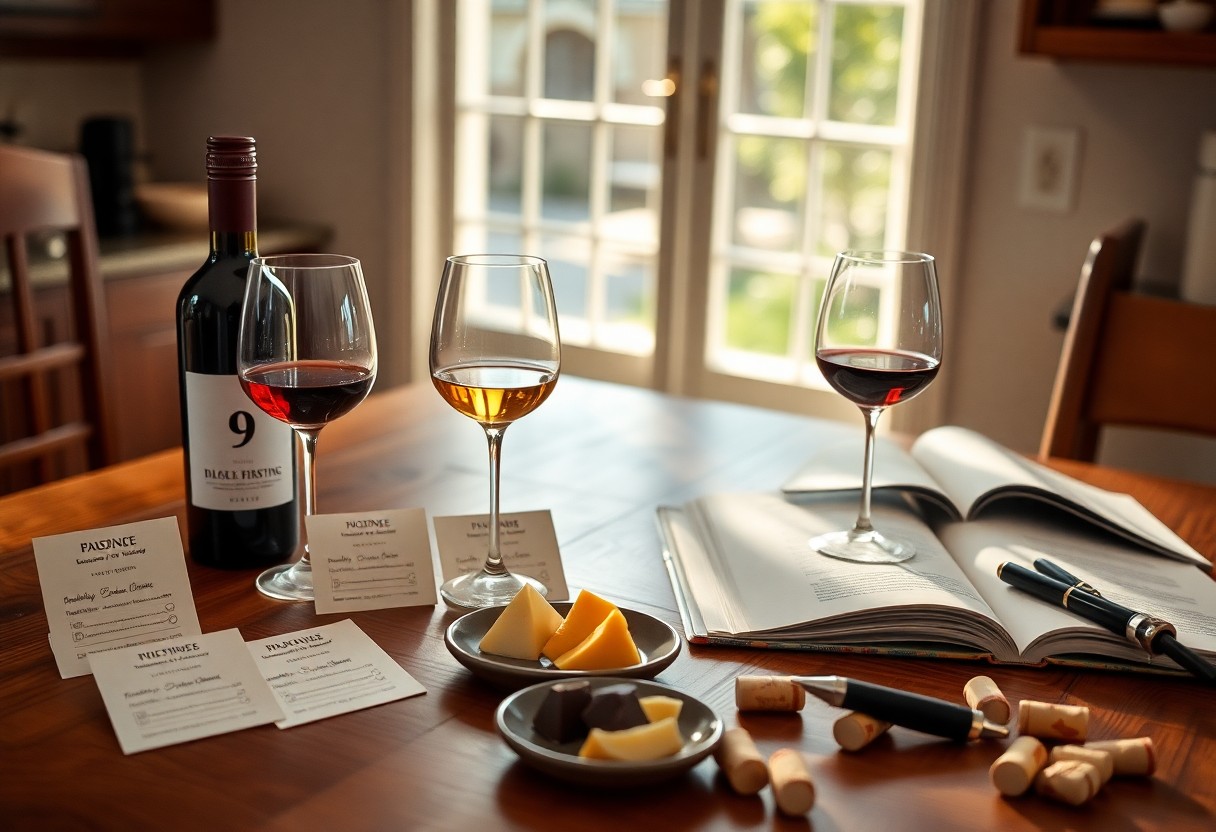
You should choose wines based on what you like, not labels or price. Focus on sensations-sweetness, acidity, tannin-and note which qualities make you want another glass. Keep simple tasting notes to prevent repeat mistakes and build a reliable buying habit. Avoid impulse buys.
Identifying Flavor Profiles You Enjoy
Explore descriptors-fruity, floral, herbal, spicy, oaky-and sample wines that match them. Create a short list of flavors you love and flavors you dislike; bring it to tastings or stores. Using those notes helps you avoid costly mismatches and buy wines you’ll enjoy. Focus on what repeats for you.
Distinguishing Between Body, Acidity, and Tannins
Understand wine “body” as weight on your tongue, “acidity” as brightness that makes you salivate, and “tannins” as the drying, grippy sensation. High tannins can overwhelm a light palate, while lively acidity refreshes and pairs well with food. Use these cues when choosing bottles.
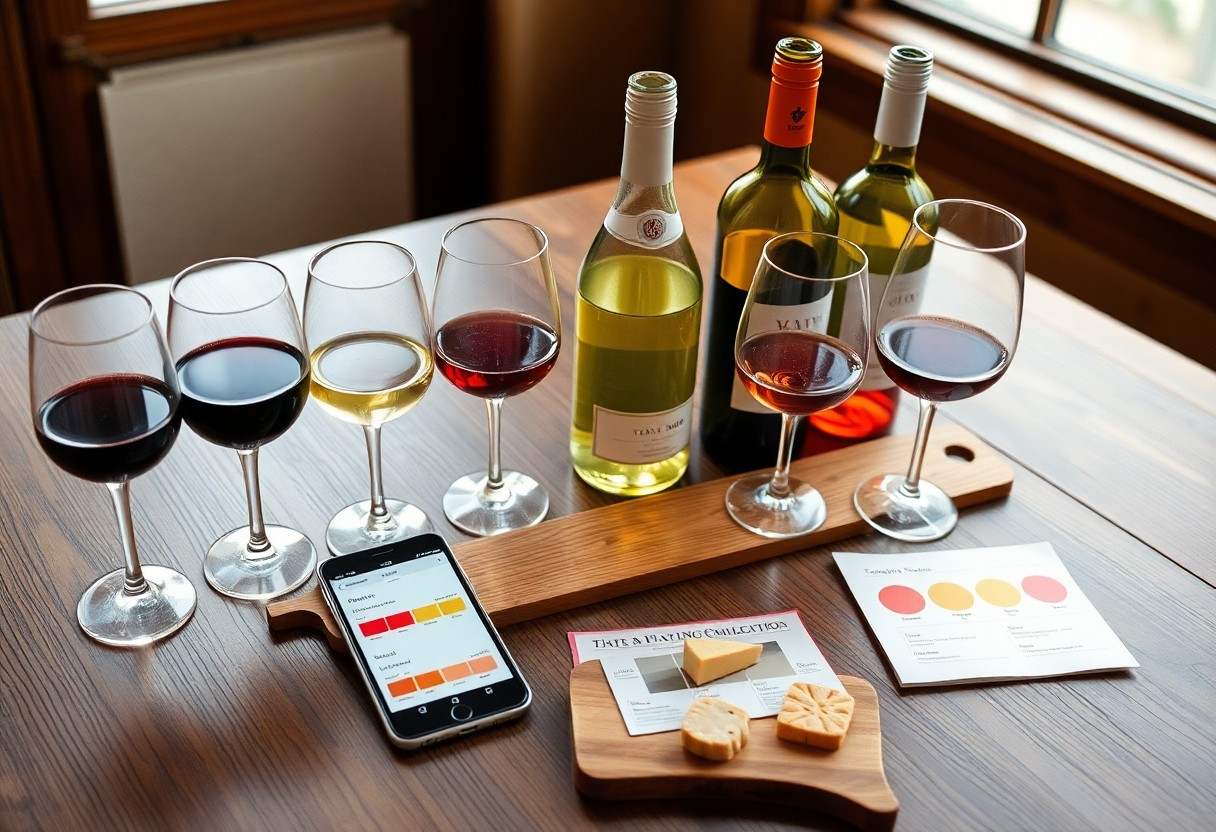
Tasting different styles side by side trains you to detect body, acidity, and tannins quickly. Sip a light-bodied wine then a fuller one to compare weight; note if acidity lifts flavors or if tannins coat your gums. Try the same grape from cooler and warmer regions to feel alcohol and extraction differences. When tannins feel harsh, pair with protein or pick smoother styles; when acidity feels bright, use it to cut fat and enhance food pairings. Keep short notes and repeat tests to refine purchases.
How to Decipher Wine Labels Effectively
Labels pack a lot: vintage, grape, alcohol, and appellation; you can use these clues to pick style and avoid mismatches. Focus on vintage and appellation for age and origin, and watch reserve or estate terms that often mean higher price.
Interpreting Regional Designations and Classifications
Appellations tell you where grapes came from; AOC, DOCG, AVA and similar labels indicate quality standards and typical styles, while village or single-vineyard names usually mean more character and often higher cost.
Recognizing Key Information Beyond the Branding
Look for alcohol percentage, residual sugar, and oak notes on the label; these clues tell you about body, sweetness, and aging so you avoid wines that clash with your meal or taste. Spot ABV and sugar to match your preference.
Checking the back label reveals additives, sulfite warnings, vintage notes, and winemaker methods; organic or biodynamic claims can mean different flavors and price, and high ABV or heavy oak flags indicate bolder wines you might want to skip if you prefer lightness.
Essential Tips for Navigating the Wine Shop
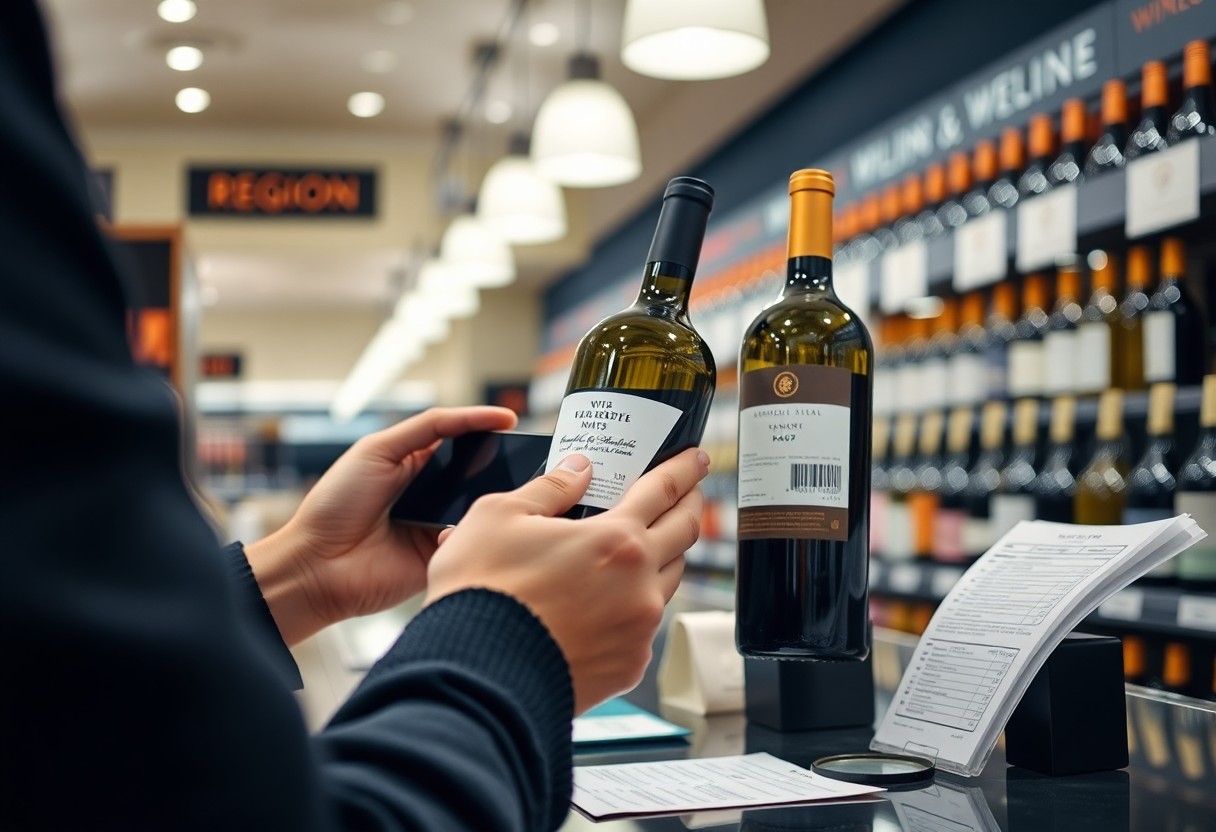
Browse labels for vintage and producer info and use staff advice; review 5 Common Mistakes When Buying Wine and How to Avoid …. This prevents you from regret when buying wine at the wine shop.
- Check vintage and producer
- Set a budget and stick to it
- Ask for a tasting when possible
Engaging with Knowledgeable Staff for Recommendations
Ask staff focused questions about your preferred flavors, food pairings, and price limits so they can deliver tailored recommendations; ask for short tastes to confirm the match for you.
Avoiding the Trap of the Second-Cheapest Bottle
Resist choosing the second-cheapest bottle as an automatic upgrade; stores often position labels to exploit that impulse, so you should compare notes and vintages to find real quality.
Compare shelf positions, tasting notes, and producer history before you buy; the second-cheapest spot can hide misleading pricing strategies that create false value and lead to disappointing bottles. You can ask for staff insight, read quick reviews, or sample the wine to protect your palate and budget.
Key Factors Influencing Price and Quality
- price
- quality
- vintage
- terroir
- producer
- scarcity
- ratings
Price signals guide how you weigh quality versus hype; older vintage or known producer can justify cost but not always. Watch for inflated scarcity or ratings-driven markup. Any purchase should balance taste goals with verified bottle details.
Assessing the Impact of Vintage and Terroir
Vintage shows how you should expect aging potential and consistency; a hot or wet year alters quality, while specific terroir delivers distinctive soil-driven notes. Consider harvest reports and tasting notes before buying.
Evaluating Value Versus Prestige in Different Regions
Region determines if you pay for prestige or true value; producers in lesser-known areas often deliver better drink-for-dollar options, while famous appellations add predictable markup.
Compare growers, appellation rules and market demand when you judge regional value: import costs, vintage swings and global hype often inflate prices, while small producers in emerging areas frequently offer genuine value. Trust your palate over scores, and watch for counterfeits or poor cellar history that ruin a bottle.
How to Store and Handle Your Purchases Properly
Store your bottles on their sides in a cool, dark spot with steady conditions to avoid cork drying and oxidation; aim for 50-59°F and about 60-70% humidity for long-term stability.
| Storage Breakdown | |
|---|---|
| Temperature & Humidity | Keep wine at 50-59°F and roughly 60-70% humidity; limit swings and block sunlight. |
| Spoilage Prevention | Protect opened bottles with inert gas, avoid vibration, and discard any with musty or oxidation faults. |
Maintaining Ideal Temperature and Humidity Levels
Keep your storage between 50-59°F and maintain roughly 60-70% humidity; avoid temperature swings and direct sunlight, and use a wine fridge or cellar for expensive bottles to prevent heat damage and cork shrinkage.
Preventing Spoilage and Premature Aging
Protect bottles from vibration and light, seal opened bottles with inert gas or small stoppers, and discard any with musty cork smell or signs of oxidation to avoid unpleasant pours.
Inspect bottles regularly for seepage, swollen capsules, or mold on corks; those signs indicate cork failure or heat damage. Use inert gas sprays to extend opened bottles’ life-prefer them over vacuum for delicate whites-and store long-lived wines horizontally while labeling purchase dates to prevent premature aging and wasted bottles.
Practical Tips for Buying Wine Online
- Wine buying online: compare vintages and prices
- Seller reputation: check ratings, reviews, contact info
- Shipping conditions: look for temperature-controlled, insured delivery
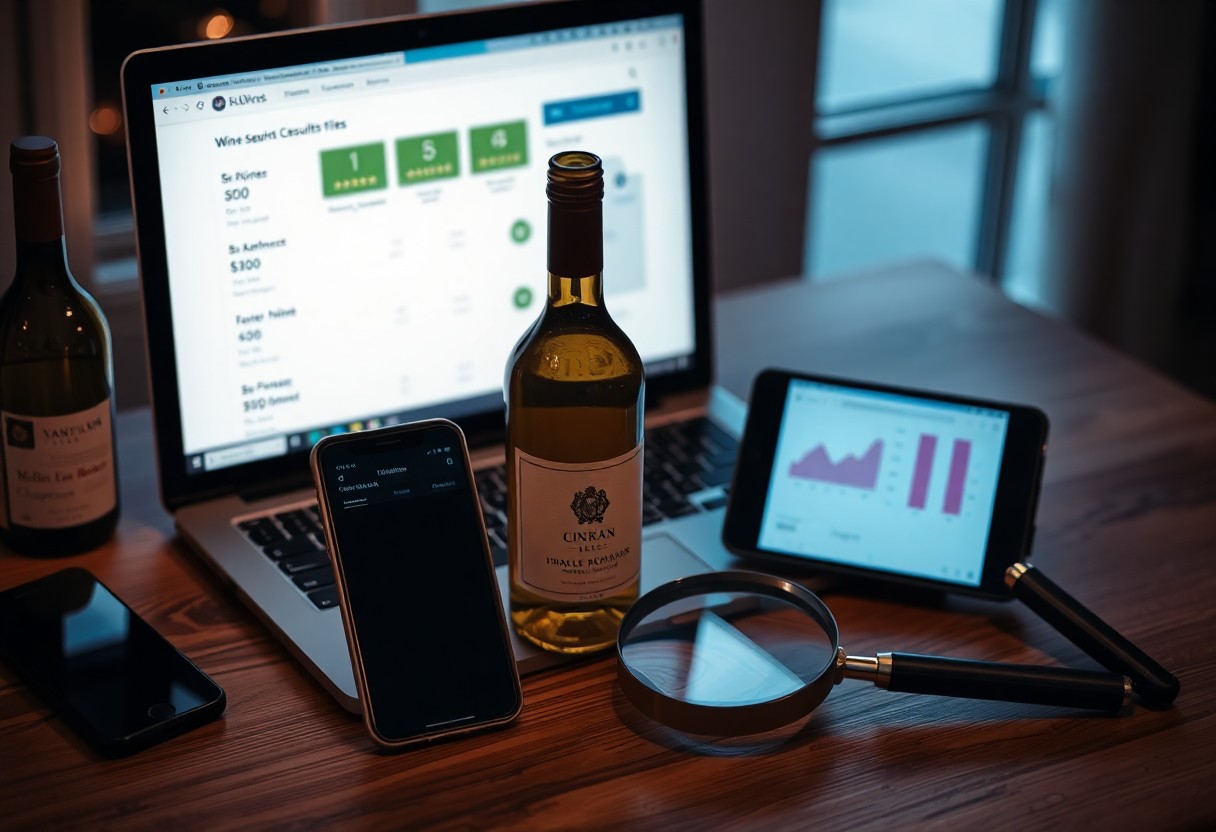
Online you should compare vintages, prices and seller policies to avoid hidden costs and heat-damaged bottles; prioritize listings with clear provenance and photos. The temperature-controlled shipping and easy returns protect you from costly mistakes.
Verifying Seller Reputation and Shipping Policies
Check seller ratings, customer photos and clear contact info before purchase; avoid shops with inconsistent reviews or vague return terms, since poor storage or long transit can ruin bottles.
Utilizing Professional Reviews and Ratings Wisely
Use aggregated scores and tasting notes to form expectations, but weigh reviews against your palate and budget; prioritize critics who mention storage and vintage quality to avoid overpaying for hype.
Experts suggest you use multiple sources. Compare aggregated scores, read full tasting notes, and check review dates and sample sizes so you know context. Prioritize comments about cellar conditions and provenance, since poor storage and paid endorsements can skew ratings and cost you money. The final decision should match your taste and budget, not a single critic’s score.
Final Words
Following this guide, you can avoid common wine-buying mistakes by reading labels, asking staff for tasting notes, setting a sensible budget, sampling before committing, and trusting your palate to spare you buyer’s remorse.
FAQ
Q: How do I set the right expectations and budget to avoid buyer’s remorse?
A: Define your purpose first – everyday sips, a gift, a dinner pairing, or long-term cellaring. Set a clear price range that matches that purpose and stick to it. Use store tastings, sample-size bottles, or buy a single bottle before committing to larger quantities. Ask a knowledgeable retailer for recommendations within your budget and for alternatives if a label seems overpriced. Avoid assuming higher price always equals better personal enjoyment; personal taste matters more than prestige.
Q: What should I read on labels and product pages to avoid buying wine I won’t like?
A: Look for grape variety, region, vintage, and alcohol by volume (ABV) to get a quick sense of body, acidity, and ripeness. Check for sweetness indicators such as “sec,” “off-dry,” or explicit residual sugar notes. Note producer name and appellation since established producers and regulated appellations usually offer more predictable styles. Treat terms like “Reserve” or “Old Vines” as marketing unless you know the winery. Read tasting notes and customer reviews, focusing on mentions of tannin, oak, acidity, fruit intensity, and sweetness to match the wine to your palate.
Q: What common mistakes do people make when buying wine online or in stores, and how can I avoid them?
A: Buying based on price, label design, or a single score often leads to regret; prioritize style, vintage, and multiple consistent reviews instead. Check retailer storage and shipping practices, since heat or light exposure ruins wine. Avoid last-minute purchases for important events; select and test bottles a few days beforehand for reliable food pairings. Order one bottle before committing to a case when buying online, and verify the seller’s return policy for damaged or corked bottles. Ask staff about similar, lower-cost options if a particular bottle looks risky or overpriced.