This guide shows you how to plan an engaging tasting: select varied wines, set a comfortable pace, provide water and spittoons to avoid overindulgence, and teach everyone to compare aromas and flavors so you and your guests leave informed and delighted.
Key Takeaways:
- Choose a clear theme and 4-6 wines of varying styles and intensities to create contrast and keep the tasting focused.
- Serve wines in progressive order with small pours (2-3 oz), provide water and bland palate cleansers, and offer tasting sheets for guided notes.
- Create a relaxed setting with proper glassware, good lighting, simple food pairings, and brief tasting instructions to keep the event social and engaging.
Defining Your Wine Selection Strategy
Choose a clear selection strategy so you give the tasting direction: pick varietals, regions, and a price range that fits guests, and set pour sizes to avoid palate fatigue.
Factors for choosing a cohesive tasting theme
Focus on guest preferences, balance, and tasting order so you build cohesion. Recognizing how a tight theme helps you avoid palate overload and keeps guests comparing wines effectively.
- Varietal
- Region
- Price point
- Style
How to source high-quality bottles within a set budget
Use a mix of trusted mid-range producers and a single standout bottle; you can buy cases for discounts and ask shop staff for samples to ensure quality.
Compare local shop prices, online merchant offers, and club deals, tasting before you commit when possible; you should try mixed-case discounts, request staff recommendations, check recent vintage notes, and reserve budget for one showcase bottle that anchors the flight and sparks conversation.
Essential Equipment for a Professional Setup
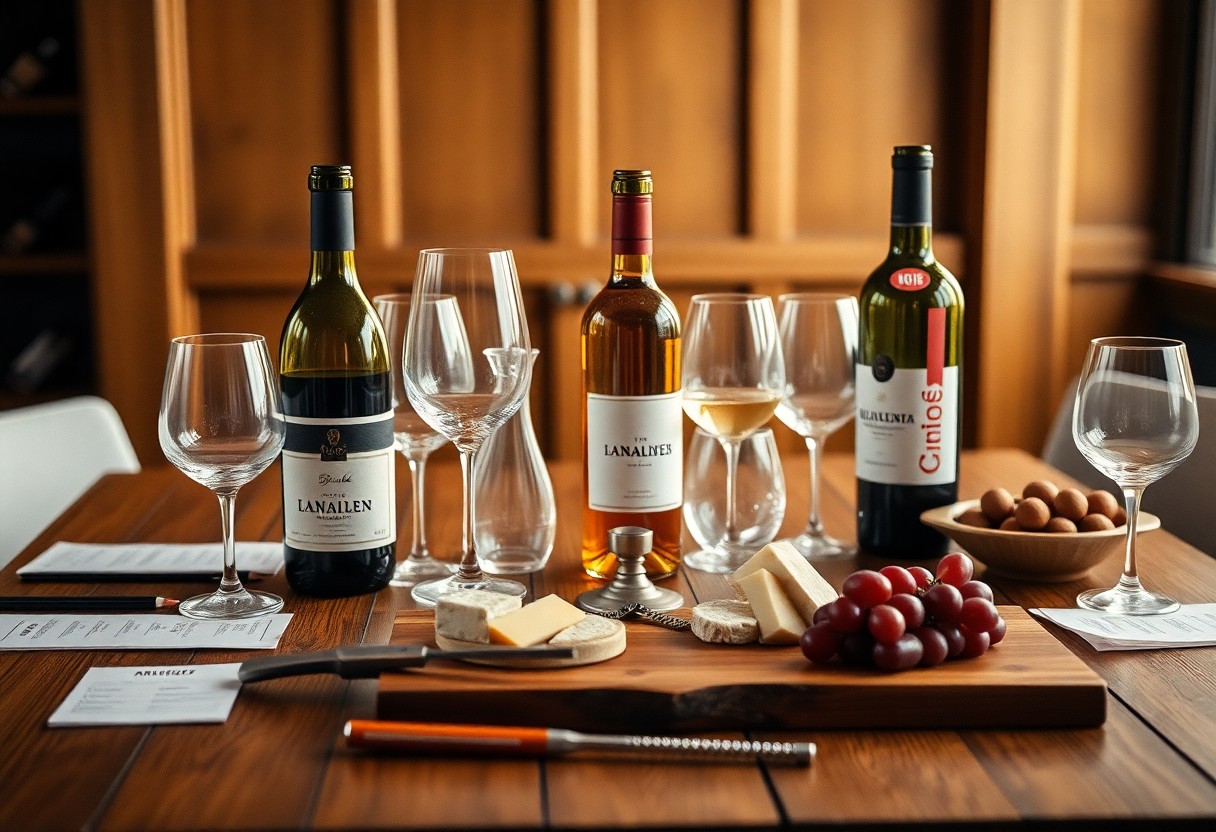
You should assemble the imperative equipment for a professional setup: clean glasses, a reliable corkscrew, a decanter, spittoons and tasting mats to keep service smooth.
Tips for selecting the right glassware for each varietal
Choose glassware matched to each varietal so aromas concentrate and texture shows. Perceiving subtleties is easier when you pick thin stems and bowls sized for the grape.
- Bordeaux – deep bowl, narrower rim
- Pinot Noir – wide bowl, open rim
- Riesling – tulip shape, narrower bowl
Necessary tools for proper opening and aeration
Gather a sturdy corkscrew, a clean decanter, a handheld aerator and spare towels for spills. Perceiving how oxygen changes a wine helps you choose decanting time.
Use a waiter’s corkscrew for control, an electric opener for many bottles, and a wide-base decanter for fast aeration of young reds; reserve gentle decanting for old vintages. Keep clean glassware and sanitized tools, and handle the sharp foil cutter with care to avoid injury. A thermometer and tasting spittoon complete the kit.
Creating the Optimal Tasting Atmosphere
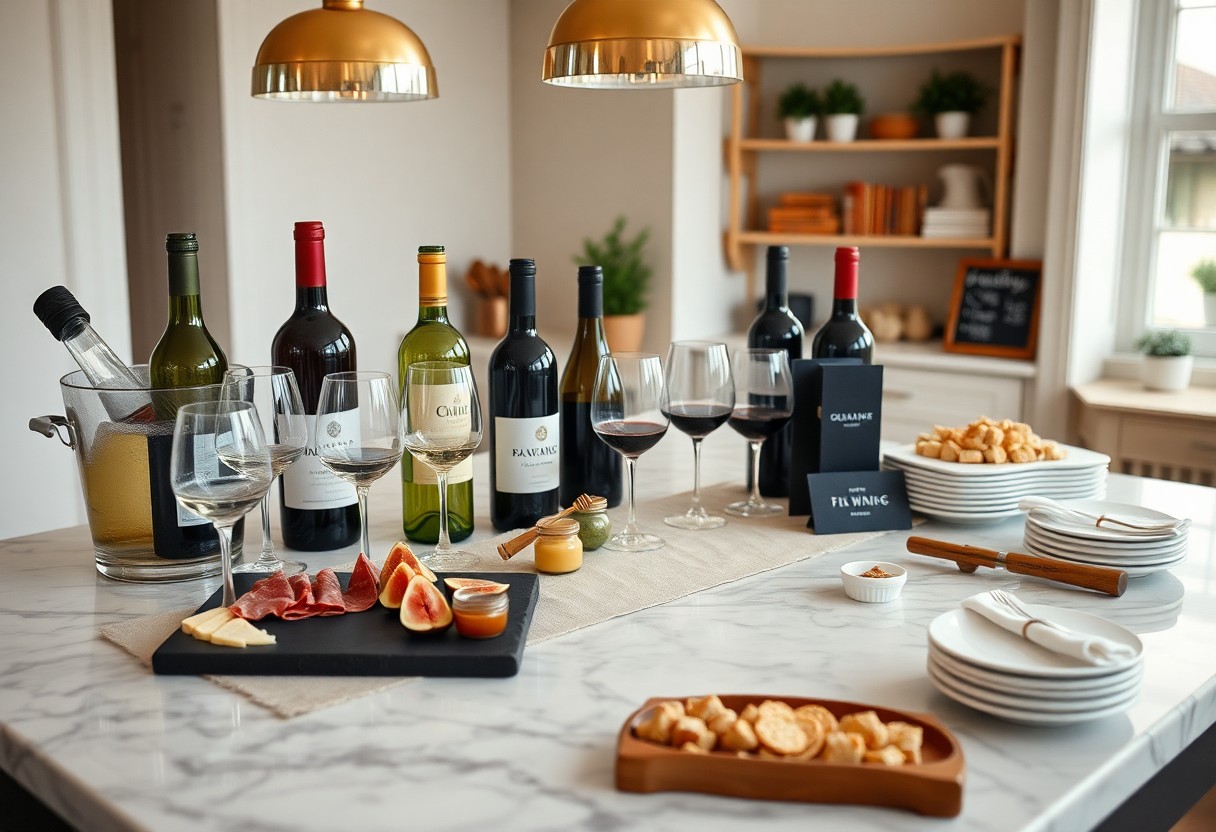
Set the room for focused tasting by reducing clutter, choosing neutral backdrops, and arranging comfortable seating so you and guests concentrate on the wines. Keep background music low and provide water to cleanse palates; highlight the tasting atmosphere with subtle touches like single-flower centerpieces.
How to control lighting and scent factors for sensory focus
Control glare and strong smells so you and guests rely on taste and aroma alone. Choose warm, dimmable bulbs, ban heavy perfumes, and use unscented cleaning products to prevent interference. The lighting and scent you choose will determine sensory attention.
- Soft light: warm, dimmable bulbs
- Neutral scent: avoid perfumes or scented candles
- Ventilation: clear lingering odors
Setting up individual tasting stations for your guests
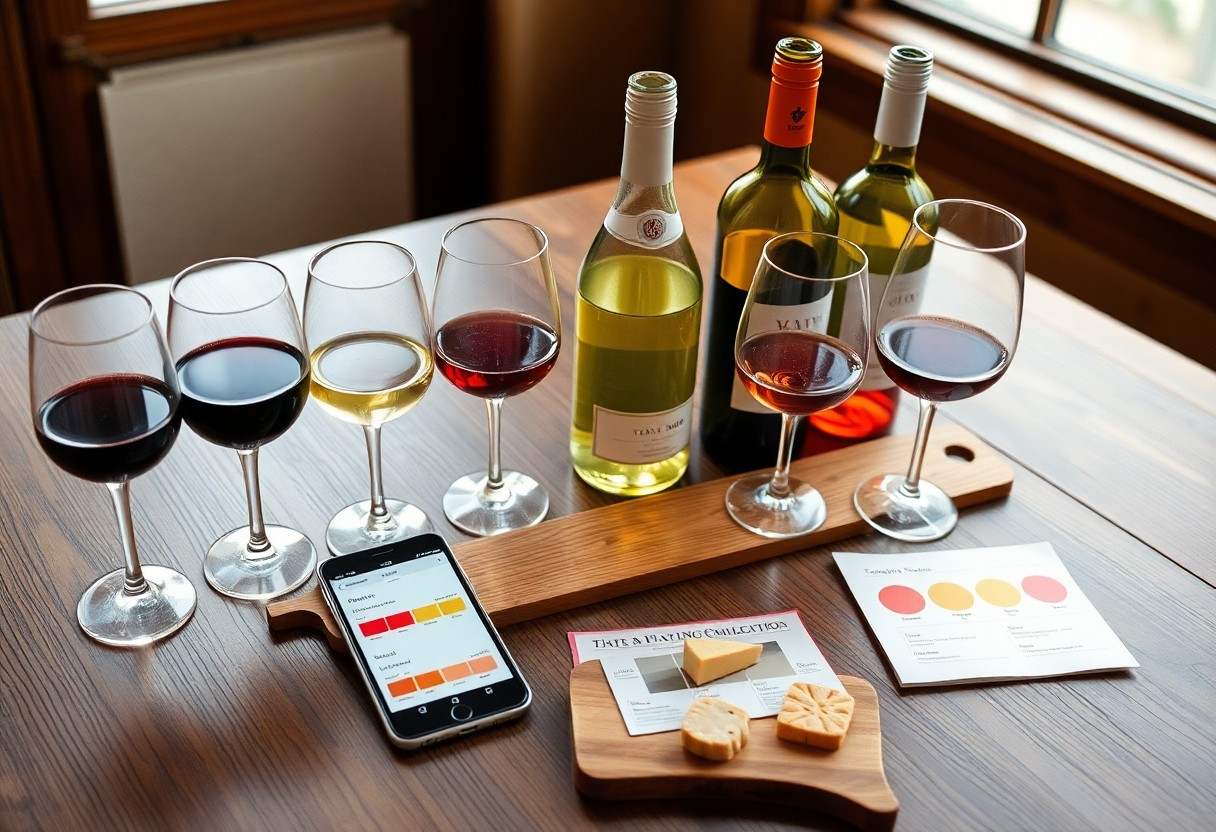
Arrange each tasting station with a clean glass, a spittoon, tasting notes, and a small water glass so you can compare wines without cross-contamination. Label wines clearly and space seats to prevent scent transfer; include a napkin for spills and a pen for notes.
Provide clear layout maps, pre-poured measures, and sanitary wipes so you maintain hygiene and flow; you should pour modest amounts to avoid overconsumption. Keep a designated area for empty bottles and spit buckets to reduce spill risks, and offer palate cleansers like bread. The individual tasting stations make comparison easier and safer.
Expert Food and Wine Pairing Principles
Use classic pairing principles to guide your tasting: balance acidity, sweetness, tannin and body so wines and dishes enhance one another; serve small portions so you and guests can compare flavors.
Factors that influence flavor harmony and contrast
Consider elements like acidity, tannin, sweetness, texture and temperature when matching; aim for balance or intentional contrast to highlight traits. Perceiving how contrasts reveal hidden notes sharpens your choices.
- acidity
- tannin
- sweetness
- texture
- temperature
Tips for serving effective palate cleansers
Offer plain bread, filtered water and mild apple slices between flights to reset taste and prevent carryover; pace service so you and guests can evaluate each pour. Assume that some palates need several resets after bold wines.
- bread
- water
- apple
- mild crackers
Provide chilled sorbet or plain sparkling water for stronger reds, avoid oily or spicy cleansers that mask nuances; note portion size so you and guests stay focused. Assume that repeating neutral rinses clarifies subtle aromas and keeps comparisons fair.
- sorbet
- sparkling water
- plain palate
- avoid spicy
Managing the Social Dynamics of the Event
Tips for encouraging inclusive group discussion
You encourage participation by asking short, open questions and inviting quieter guests to share one quick thought. After pair shares, invite a few volunteers to summarize aloud.
- Rotate speakers to curb monopolies
- Prompt cards with simple tasting cues
- Small groups for more comfortable sharing
- Active listening signals to model respect
How to balance wine education with entertainment
Mix brief, relatable facts with playful tasting games so you keep energy high without turning the evening into a lecture.
Design a loose agenda with alternating two-minute insights and interactive moments so you maintain engagement. Keep technical jargon minimal and share one memorable story per wine to make learning stick. Watch for signs of overconsumption and limit pours or offer water and spitting options as a safety step. Set clear expectations about pacing to preserve both fun and safety.
Final Words
You can host a memorable wine tasting at home by choosing a balanced selection, arranging palate cleansers, guiding guests through tasting steps, and keeping the atmosphere relaxed; clear labels and timing ensure smooth flow, and your confident planning will make the evening enjoyable for everyone.
FAQ
Q: How do I plan a wine tasting for a small group at home?
A: Start by deciding on the number of guests and a tasting style-regional, varietal, blind, or mixed. Choose five to eight wines to keep the tasting focused and manageable. Plan for 2-3 ounce pours per wine, plus a little extra for repeats, and provide enough glasses so each guest can use a fresh glass if possible. Lay out an order from lightest to fullest-bodied and from lower to higher alcohol to help palates progress naturally. Set a time limit of 60-90 minutes to prevent palate fatigue and to keep energy high. Prepare simple tasting sheets with wine names, regional hints or blanks for blind tasting, and space for notes.
Q: What supplies and serving tips will make the tasting smooth?
A: Use tulip-shaped wine glasses for better aroma capture and provide water glasses and a spittoon or small bucket for those who prefer to spit. Chill whites and rosés to 45-50°F and serve lighter reds at 55-60°F and fuller-bodied reds at 60-65°F; decant select reds for 30 minutes to an hour when appropriate. Keep bottles covered between pours and pour enough for nosing and tasting without overfilling. Provide plain crackers, water, and neutral palate cleansers rather than strong-flavored foods. Label bottles or cover them for blind tastings and provide a clear pour order to servers or helpers.
Q: How can I keep the event enjoyable and inclusive for different tastes and experience levels?
A: Include at least one sparkling, one white, and one light red so guests with different preferences can find something they like. Offer nonalcoholic options such as sparkling water, grape juice, or alcohol-free wines for designated drivers and abstainers. Create a relaxed atmosphere with comfortable seating, background music at low volume, and good lighting for reading labels and notes. Encourage interaction by handing out simple score sheets, running a blind round, or pairing wines with small bites and short tasting prompts. Plan for any dietary restrictions and clearly mark foods containing nuts, gluten, or other common allergens.