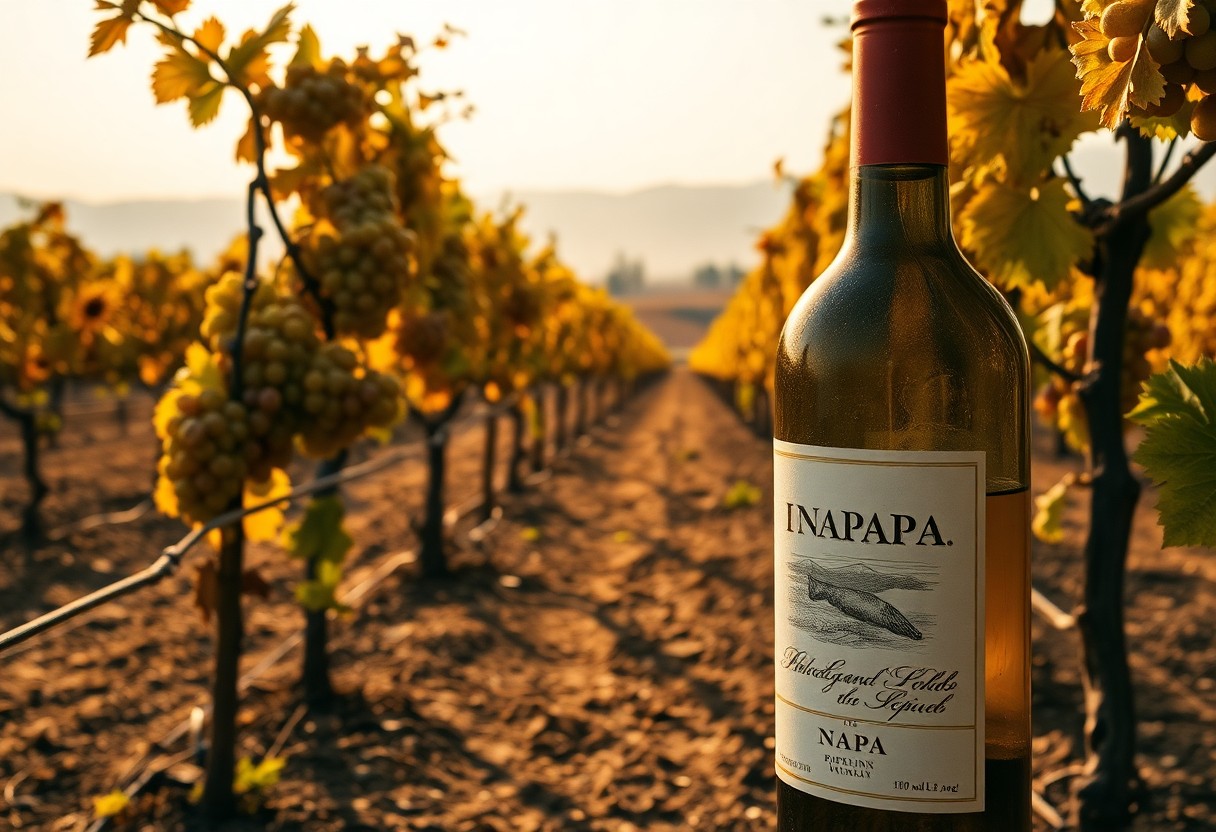
You face climate change shifting grape ripening, causing rising temperatures, more frequent droughts and wildfires, and moving top wine regions while creating new growing opportunities for some varieties.
Key Takeaways:
- Warmer growing seasons and earlier ripening raise sugar and alcohol, lower acidity, and push traditional regions to move plantings to higher elevations or cooler sites.
- Heatwaves, droughts, intense storms, hail and wildfires increase yield volatility, cause sunburn and berry shrivel, expand pests and diseases, and produce smoke taint that spoils flavors.
- Growers and winemakers respond by changing varieties and rootstocks, altering canopy, irrigation and harvest timing, and new cooler areas become viable while appellation rules and prices adjust.
Shifting Phenology and the Warming Terroir
Grapevines are leafing and flowering earlier, so you must adjust expectations as shifting harvest windows alter flavor balance; longer ripening can increase sugar and body while spring frost risk and drought stress threaten yield and aromatics.
Accelerated Ripening Cycles and Early Harvests
Harvests are moving up the calendar, forcing you to pick earlier and manage higher sugars and reduced acidity, which can dull freshness even as some regions benefit from avoiding late-season rot and rain.
The Impact of Heat Stress on Berry Composition
Heat drives rapid sugar accumulation, so you find tougher tannins and lost floral aromatics, pressing you to adjust canopy and irrigation regimes to protect balance.
Extended periods of high temperature reprogram berry metabolism: you often see accelerated sugar build-up, diminished malic acid and shifts in phenolic maturity that yield wines with elevated alcohol, flatter acidity, and baked or green notes. You may need to change clones, modify canopy management, shift harvest timing and increase irrigation, yet water scarcity and regulatory limits frequently constrain those responses.
Threats to Heritage Regions and Classic Profiles
Classic appellations face shifting harvest dates, new pests and altered acidity that change signature aromas; you may see producers replanting or moving vineyards. Heritage identities are threatened as regulations and blends evolve to cope with warmer, wetter, or drier seasons.
Preserving the Identity of Bordeaux and Burgundy
Bordeaux is revising permitted varieties while Burgundy feels earlier ripening; you notice higher sugars and softer acidity altering classic red and white profiles and pressuring appellation rules.
Drought and Wildfire Risks in Napa Valley and Sonoma
Napa confronts prolonged drought and rising wildfire frequency; you may face smoke taint, stressed vines and reduced yields that change concentration and style.
Fires and drought force earlier picks, smaller berries and higher alcohol; you encounter smoke-tainted wines and severe yield loss that raise costs and reshape vineyard economics. Producers are adopting smoke testing, drought-tolerant rootstocks, altered canopy work and planting at cooler elevations to protect quality.
The Migration of the Vineyard: New Latitudes
Vineyards are shifting toward cooler latitudes as you watch growers chase suitable conditions, with warmer zones becoming too ripe and unexpected regions offering new opportunities for classic varieties.
The Rise of English Sparkling and Scandinavian Viticulture
English sparkling shows you that cooler summers can produce bright acidity and fine mousse, giving northern producers a marketable advantage despite persistent frost and short-season risks.
Altitudinal Shifts: High-Elevation Planting Strategies
Growers move vineyards uphill so you can preserve acidity through large diurnal swings, gaining better balance and aromatic intensity while facing increased frost and erosion risks.
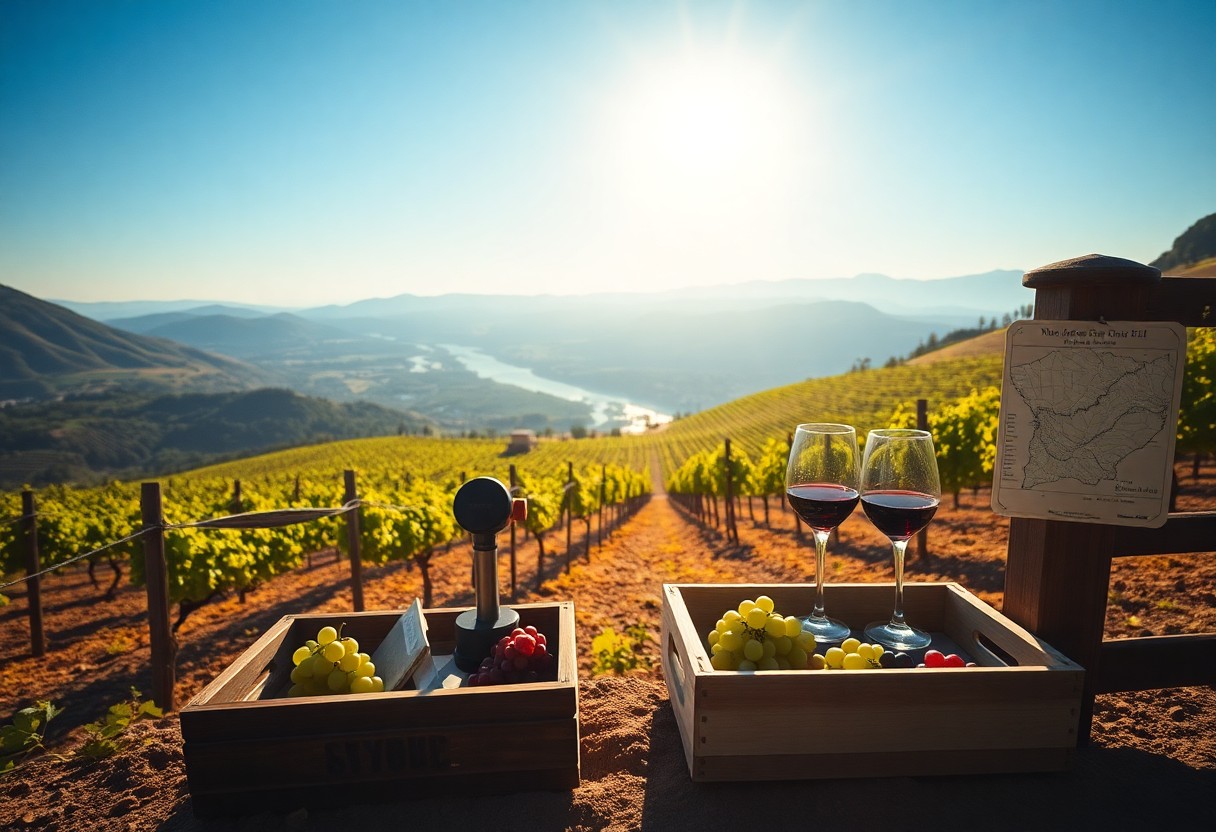
Higher elevations offer cooler temperatures and intense sunlight that help you retain acidity and develop aromatics, producing elegant, age-worthy wines. Slope and aspect create microclimates but also raise costs and complicate mechanization, so you must manage soil erosion and frost pockets. Varietal choice, rootstock, and canopy strategy determine success as you weigh lower yields against marked quality gains.
Viticultural Adaptation and Mitigation Techniques
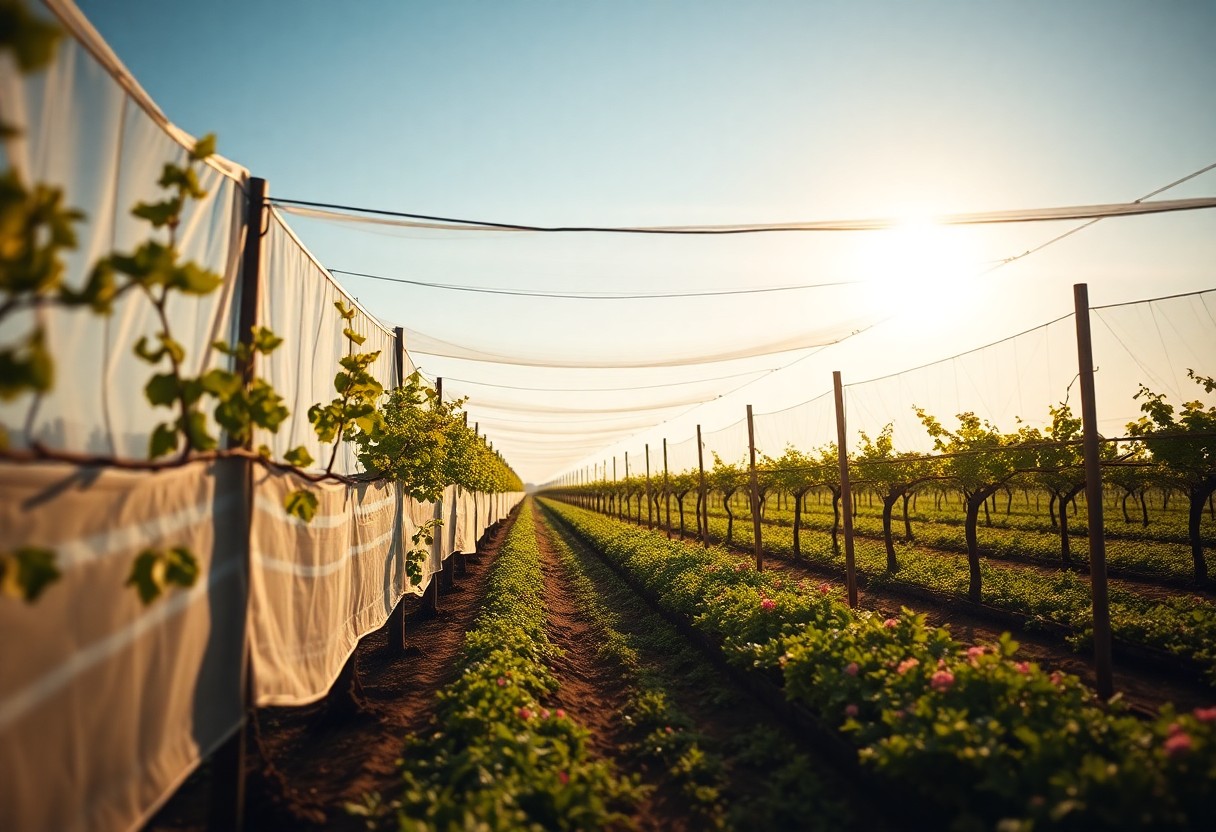
You should expect growers to adopt water-saving methods and heat-tolerant practices so you keep enjoying wines; drip irrigation, soil moisture monitoring, and altered pruning reduce stress and preserve quality.
Implementing Drought-Resistant Rootstocks and Canopy Management
Adoption of drought-resistant rootstocks and shading canopy techniques helps you limit water loss and sunburn; deep-rooting vines and selective leaf removal balance ripening while lowering vine mortality risk.
Reevaluating Permitted Grape Varieties in Traditional Appellations
Regulators are reconsidering permitted grapes so you can still access classic profiles; adding heat-tolerant cultivars preserves production but may challenge appellation identity and require strict labeling to protect consumers.
Changes to appellation rules mean you may see unfamiliar grapes in regions you love; producers trial Mediterranean or Iberian varieties that handle heat and drought. Winemakers balance tradition and market expectations by keeping original varieties for signature bottlings and using new grapes for entry-level labels. Benefits include resilience and preserved supply, while risks include loss of typicity and legal disputes. Transparent labeling and active regional committees protect you and regional heritage.

Economic Implications for the Global Wine Market
You face rising costs as warmer seasons and extreme events drive price volatility and supply shocks across regions, shifting sourcing and investment; learn more at How Climate Change Is Tweaking the Taste of Wine.
Supply Chain Disruptions and Production Volatility
Logistics disruptions force you to adapt procurement as floods, fires and heat reduce yields; production volatility causes delayed shipments, higher insurance and uneven vintages that squeeze availability and margins.
Changing Consumer Preferences in a Warming Climate
Tastes are shifting and you may prefer fresher, lower-alcohol and sustainably produced wines; this alters demand and pressures some premium regions while boosting cooler producers.
Shifts in palate mean you increasingly seek acidity, lower ABV and visible sustainability credentials, so producers change harvest timing, varieties and labeling to meet you; you might pay premiums for climate-smart bottles, while legacy appellations face quality erosion and declining demand, and emerging cool regions seize a growth opportunity for your next favorite wine.
To wrap up
From above you see shifting temperatures, altered rainfall, and earlier harvests reshaping grape varieties, flavor profiles, and wine regions’ viability; you should expect vintage variability, emerging terroirs, and adaptive practices by growers to preserve wine quality and regional traditions.

FAQ
Q: How is climate change changing grape ripening and wine styles?
A: Rising temperatures and more frequent heatwaves have shifted phenology across most wine regions. Earlier budburst and faster berry ripening are now common, which compresses the growing season and brings harvest dates forward. This produces higher sugar levels, which often create higher-alcohol wines while natural acidity falls, altering balance and freshness. Phenolic maturity sometimes lags behind sugar accumulation, creating wines that taste overripe yet lack tannic ripeness. Winemakers respond with tighter canopy management, earlier picking, yeast choices that preserve acidity, measured acidification where allowed, and experimenting with later-ripening clones or different varieties to preserve style and structure.
Q: Which famous wine regions are most affected and what changes should drinkers expect?
A: Cool-climate regions such as Champagne, Mosel, and Marlborough are losing some of the cool nights and long hang-time that produced bright acidity and delicate aromatics. Classic warm regions like Bordeaux and Tuscany suffer from heat spikes, drought stress, and increased pest or disease pressure that change varietal suitability and vintage character. Smoke from wildfires has created episodes of smoke taint in California, Australia, and parts of southern Europe, rendering whole vintages difficult to use. Producers are shifting plantings uphill or poleward, and emerging wine areas in England, Scandinavia, and Canada have gained quality potential as minimum temperatures rise. Local water access, regulatory frameworks, and soil types set limits on how quickly each region can adapt, so expect more regional variation and altered traditional profiles over coming decades.
Q: What practical steps can producers and consumers take to adapt to these changes?
A: Vineyard practices that reduce heat and conserve moisture include altering row orientation, changing canopy density, installing shade nets, adopting drought-tolerant rootstocks, and boosting soil organic matter. Irrigation buffers drought but depends on availability and legal limits; efficient drip systems and regulated deficit irrigation are common tools. Varietal switching and clonal selection allow gradual replacement of poorly suited grapes with more resilient or later-ripening types. Winemaking approaches include earlier harvesting, blending for balance, measured acid additions where permitted, and technical options to reduce smoke compounds when present. Consumers can track vintage reports, favor producers who report adaptive practices, expect more variation between years, and consider drinking wines younger or choosing cooler appellations for crisper styles.