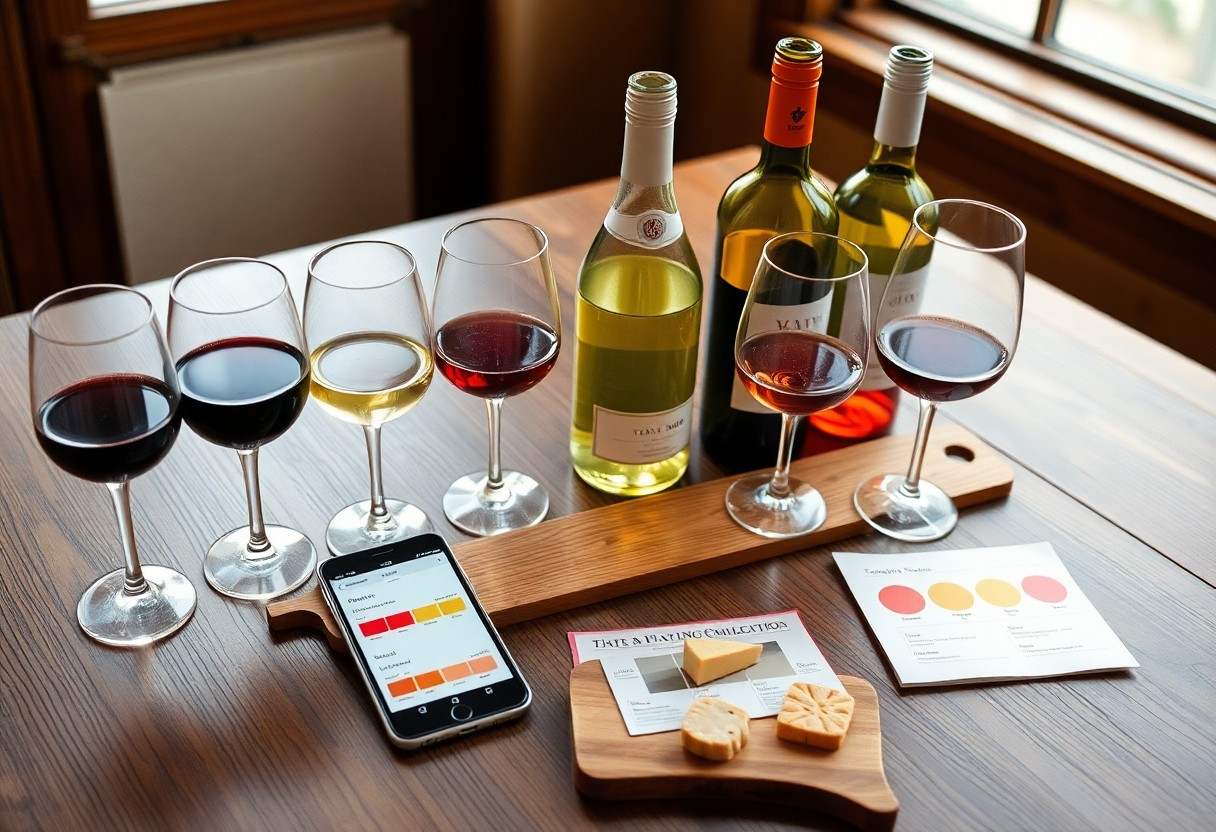
There’s a quick method to select wines for birthdays, holidays, and dinners: you assess menu and guests. Prioritize guest tastes and food matches, choose sparkling for celebrations, and avoid wines with sulfites for allergy-prone guests.
Key Takeaways:
- Match wine to the menu: pair lighter whites and sparkling with seafood and salads, medium-bodied reds with poultry and pork, and fuller-bodied reds with red meat and rich dishes.
- Consider guest preferences and variety: offer at least one white, one red, and a sparkling or rosé to cover different tastes and dietary needs.
- Plan by occasion and budget: choose celebratory bottles like Champagne or quality sparkling for milestones, and crowd-pleasing, affordable options for larger gatherings.
Identifying Core Event Factors
Assess the event’s date, venue, expected budget and menu to guide your wine choices. Note any age limits or allergies that affect selection. Recognizing how these factors shape bottle count, styles, and price range will keep you on track.
- Date & time
- Venue & service
- Guest restrictions (age, allergies)
Evaluating the guest list and palate preferences
Consider who will attend and whether you need wines for varied palates, non-drinkers, or guests with allergies; balance familiar bottles with a few adventurous picks to please most people.
Matching wine intensity to the occasion’s formality
Match wine intensity to the event’s tone: choose lighter, aromatic wines for casual gatherings and fuller-bodied, structured bottles for formal dinners you host.
When opting for intensity, account for menu richness, service style and how long you expect the event to run; you want wines that complement rather than overpower dishes. For multi-course meals, start with sparkling or crisp whites, progress to medium-bodied wines and end with fuller reds, and avoid high-alcohol bottles if some guests will drive.
How to Select Wines for Birthday Celebrations
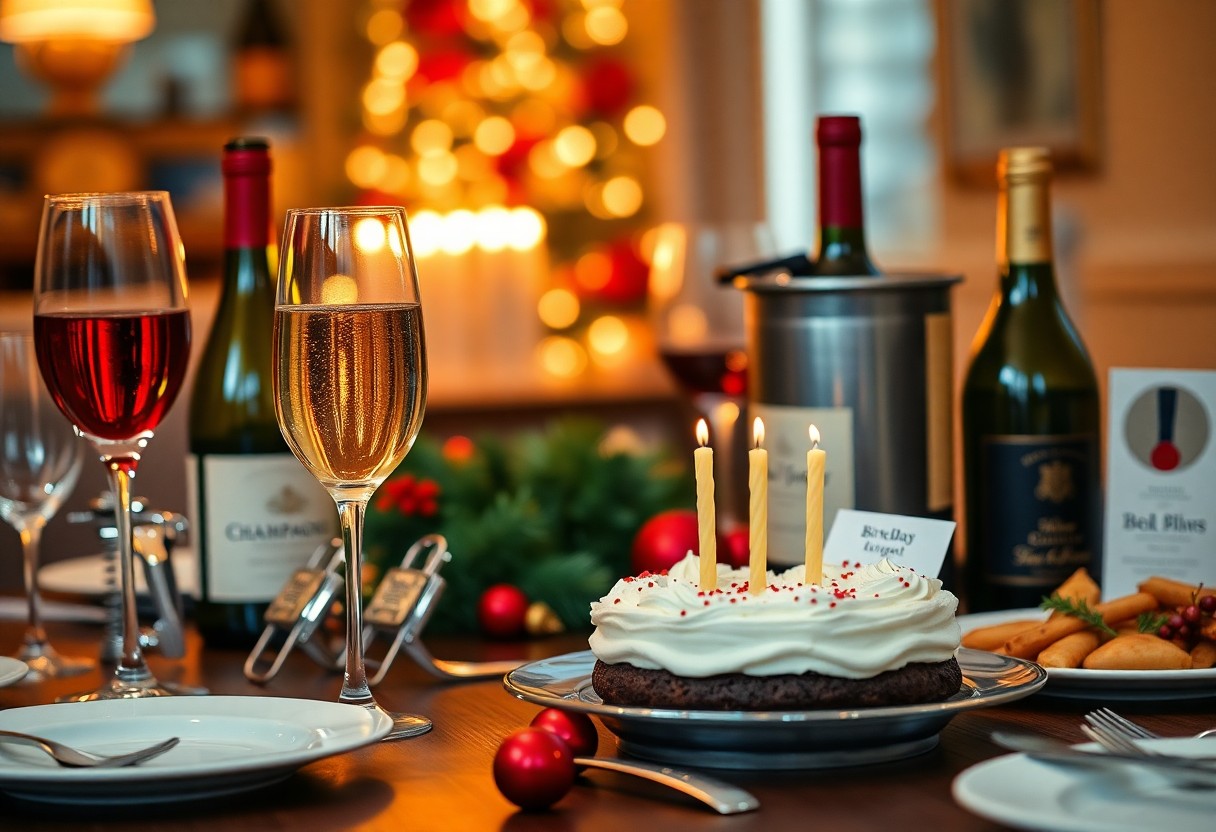
Birthdays call for wines that match the guest of honor’s taste and party style; you should choose approachable reds or aromatic whites, keep bottles chilled as needed, and mark the moment with one special bottle.
Choosing crowd-pleasing sparkling wines for toasts
Choose crowd-pleasing sparkling wines-Prosecco or Cava for easy sipping, Champagne for a prestige toast-and serve chilled so you and guests enjoy the bubbles.
Selecting milestone vintages for meaningful gifts
Select milestone vintages that match the recipient’s palate and the year you mark; check provenance and storage history to ensure drinkability and emotional impact.
When choosing a vintage as a gift, you should verify provenance, vintner reputation and storage; poor provenance or heat damage can ruin the bottle, so insist on receipts and ask about cellar conditions to protect value and taste.
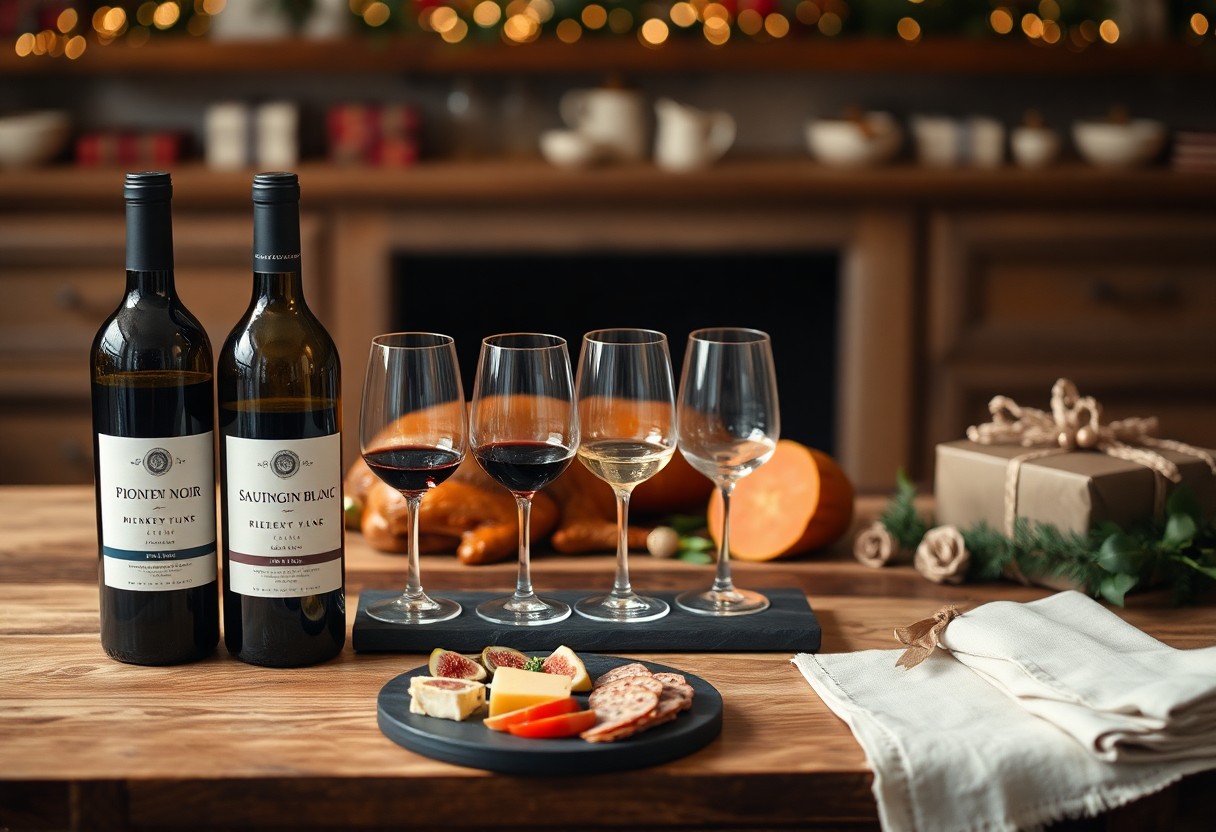
How to Pair Wines for Holiday Gatherings
Holiday menus push you to pair many flavors; choose wines that match intensity-offer both reds and whites, and prioritize food-friendly, versatile bottles so guests stay satisfied and you avoid pairing mishaps.
Selecting versatile reds for traditional festive roasts
Choose medium-bodied reds like Pinot Noir, Merlot, or Grenache that complement roast poultry and beef; avoid high-tannin, overly chewy wines with salt-brined or fatty dishes to prevent bitterness.
Offering aromatic whites to balance diverse side dishes
Offer aromatic whites-Riesling, Gewürztraminer, or Viognier-to refresh the palate amid sweet and herby sides; opt for varying sweetness levels to pair with both tangy cranberry and creamy casseroles.
Consider choosing aromatic whites based on side-dish profiles: off-dry Riesling pairs well with sweet potatoes and cranberry sauce; Gewürztraminer complements spiced or ginger-forward dishes; Viognier or fuller Chenin Blanc match creamy casseroles. You should chill these to 45-50°F, open a half-hour early, and avoid overly oaky, buttery wines with delicate herb-driven sides to prevent flavor clashes.
Tips for Curating a Multi-Course Dinner
Plan your pairings so each course showcases texture and acidity rather than overpowering flavors; match intensity to the dish and consider guest preferences. Knowing that a clear progression keeps guests engaged.
- pairing order
- acidity
- serving temperature
Sequencing wines from light-bodied to full-bodied
Sequence wines from light-bodied to full-bodied so delicate flavors shine first; let acidity and texture guide savory and rich transitions to avoid masking earlier courses.
Incorporating dessert wines and digestifs for the final course
Finish with a sweet dessert wine or a warming digestif, matching sweetness to dessert intensity and serving in small glasses to balance palate and alcohol.
Choose dessert wines and digestifs by matching sweetness, acidity, and weight to the dessert: Sauternes or late-harvest Riesling for fruit tarts, tawny Port for nutty or caramel desserts, and an amaro or brandy as a warming digestif; mind the high alcohol by offering small pours and noting ideal serving temperatures.
Practical Factors for Sourcing and Service
Practical planning helps you secure the right wines and service:
- sourcing from trusted retailers
- storage at correct temps
- glassware and pacing
This prevents shortages and poor presentation.
Calculating the required bottle quantity per guest
Estimate bottles by guest profile: plan 2-3 glasses per guest per hour and assume 5 glasses per bottle; adjust for heavy drinkers and event length so you avoid shortages.
Ensuring proper serving temperatures for each variety
Match service temps to style so you present each variety ideally: chill sparkling and white, cool rosé, and lightly chilled or near-room red.
Serving Temperature Guide
| Variety | Temp (°C) |
|---|---|
| Sparkling / White | 6-10 |
| Rosé | 10-12 |
| Red | 14-18 |
Monitor bottle temps with a fridge thermometer so you can act: open reds 20-30 minutes early, use ice buckets for whites in warm venues, and decant big reds to soften tannins.
Practical Serving Tips
| Action | Why |
|---|---|
| Fridge thermometer | Keep consistent temps |
| Ice bucket | Cools quickly on warm nights |
| Decanting | Soften tannins, release aromas |
To wrap up
With these considerations you can select wines that match occasion, guest preferences, menu, and budget, choosing versatile crowd-pleasers for mixed palates, special bottles for milestone moments, and sparkling options for toasts so your celebration feels curated and appropriate.
FAQ
Q: How do I pick the right wine style for different types of special occasions (birthdays, holidays, intimate dinners)?
A: Match the wine style to the event tone and guest preferences. Sparkling wines such as Champagne, Cava, or Prosecco create a celebratory atmosphere for birthdays and anniversaries. Large holiday dinners with multiple courses benefit from versatile options: a medium-bodied red (Pinot Noir or Merlot) and a crisp white (Sauvignon Blanc or unoaked Chardonnay) cover a wide range of foods. Intimate dinners with rich mains pair well with fuller-bodied reds like Cabernet Sauvignon or Syrah, while lighter fish- or vegetable-forward meals do best with refreshing whites or rosés. Offer one red, one white and a sparkling or rosé to satisfy diverse tastes; plan roughly one bottle per two to three guests for a standard evening, and increase for longer or more festive gatherings.
Q: What food-pairing rules should I use when choosing wines for holiday feasts and multi-course dinners?
A: Use weight and flavor intensity as primary pairing guides. Match the wine’s body to the dish’s richness: light dishes with light wines, bold dishes with fuller wines. Pair acidic wines (Sauvignon Blanc, dry Riesling) with fatty or creamy foods to cut richness, and pair off-dry wines (Gewürztraminer, Riesling) with spicy or Asian-flavored dishes to balance heat. Red meats and roasted vegetables often pair well with tannic or structured reds (Cabernet, Malbec, Syrah), while poultry and turkey work nicely with lighter reds (Pinot Noir) or aromatic whites. When in doubt, choose a crowd-pleasing, food-friendly option such as an unoaked Chardonnay, Pinot Noir, or a dry rosé to bridge multiple dishes.
Q: What practical buying, serving, and storage tips help make a wine selection successful for special events?
A: Buy wines a few weeks ahead to allow for cooler storage and to avoid last-minute choices; keep white and sparkling wines chilled and reds stored at cellar-like temperatures if possible. Estimate wine quantities as one bottle per two to three guests for a typical event, or one bottle per guest for heavy drinkers and long celebrations. Decant young, tannic reds 30-60 minutes before serving to soften edges; older reds benefit from gentler handling and brief decanting to separate sediment. Serve whites and rosés at 45-55°F, light reds at 55-60°F, and full-bodied reds at 60-65°F; sparkling wines should be well chilled. Read labels for sweetness clues (look for “sec,” “dry,” or “mœlleux” where applicable), region and grape variety to match style expectations, and consider buying one higher-end bottle for a toast and more affordable bottles for general drinking.