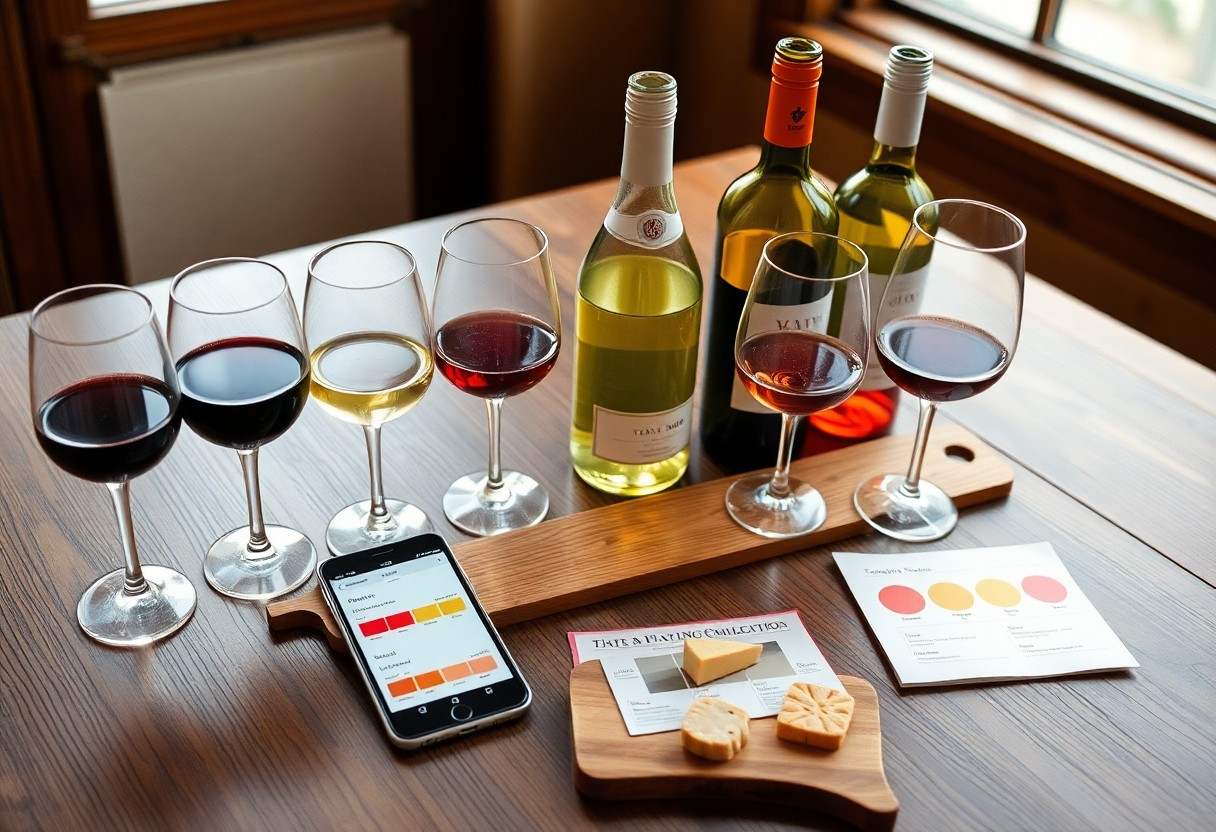
Judging wine trains you to assess aroma, balance, and finish systematically; you learn to swirl, sniff, sip, and spit, score with confidence, and spot flaws like oxidation while praising complexity to refine your palate.
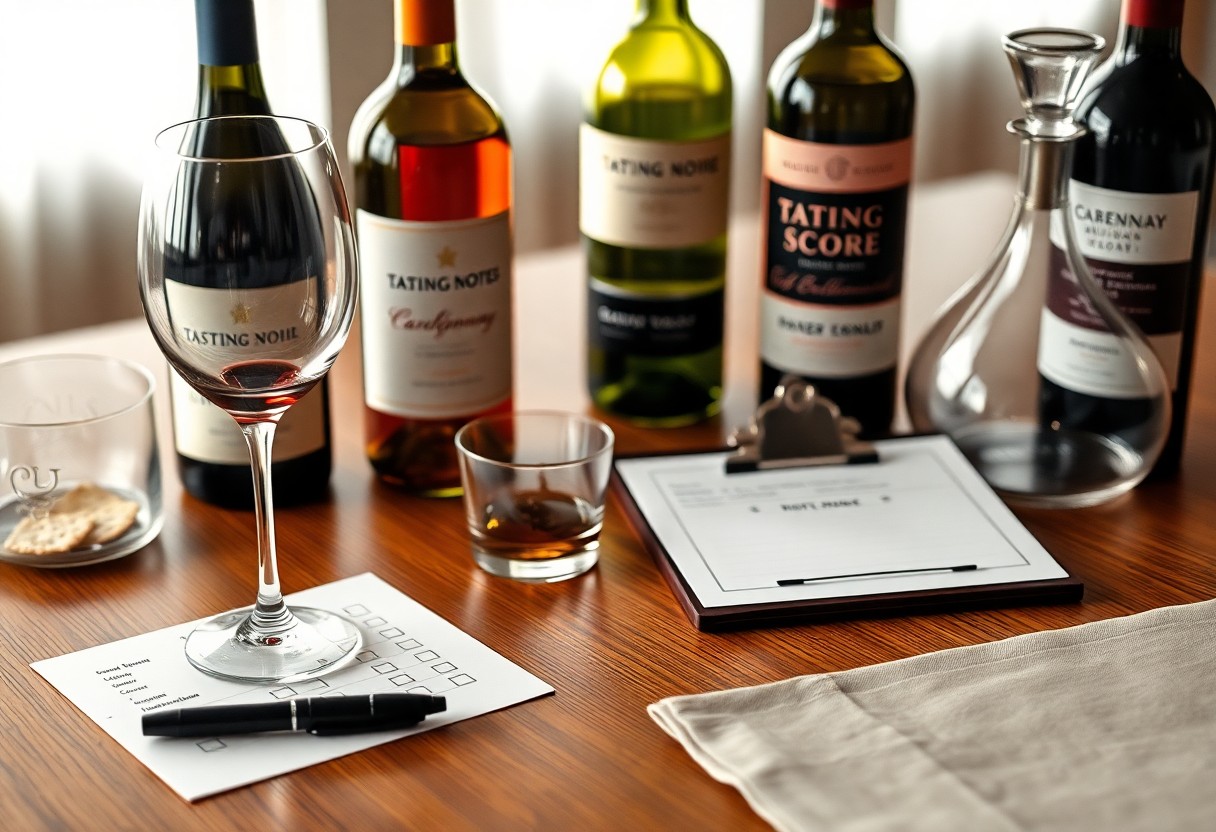
Key Takeaways:
- Follow a consistent tasting order-see, swirl, smell, sip-then assess acidity, tannin, alcohol, body, flavor intensity, and finish to judge wines objectively.
- Use a simple scoring framework (appearance, aroma, flavor quality, balance, finish) and write concise notes so comparisons become repeatable and confidence grows.
- Practice blind tastings and compare scores with others to reduce bias and sharpen recognition of varietal and stylistic cues.
Essential Preparation Tips for Professional Tasting
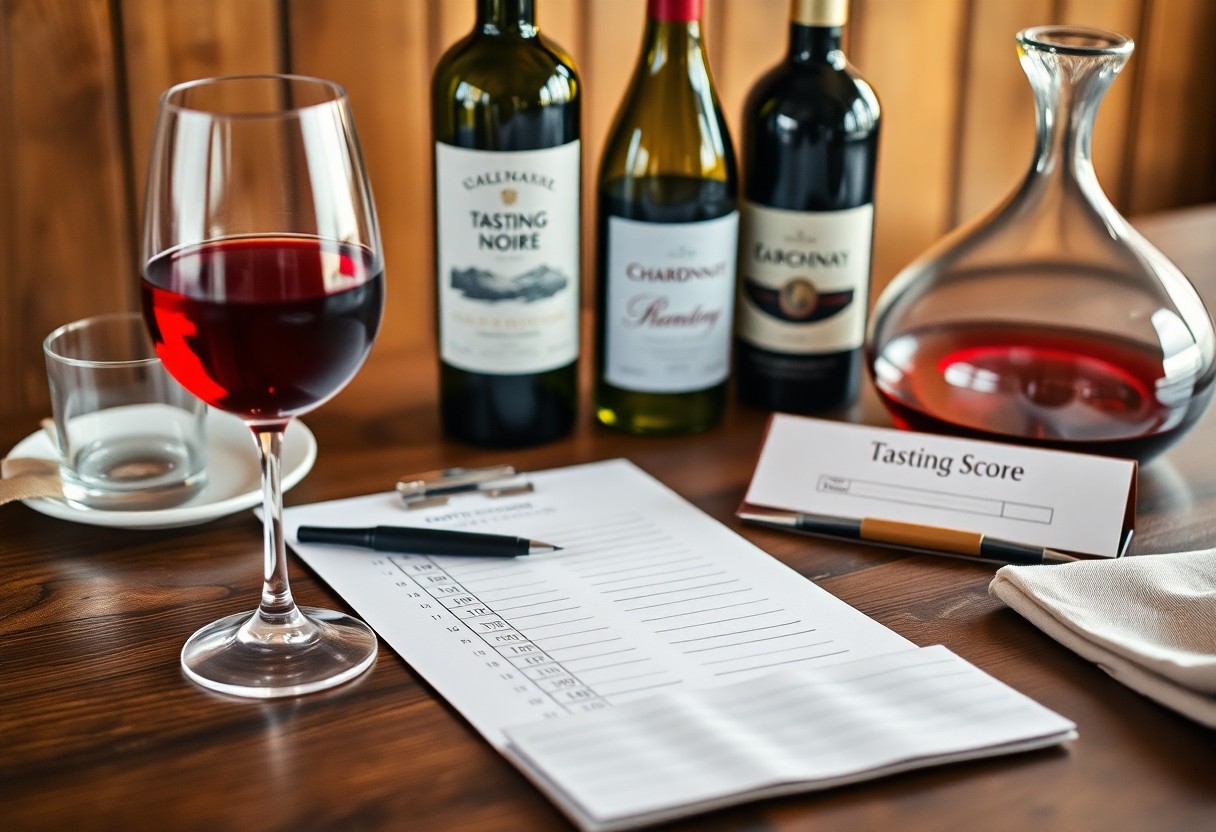
Prepare your palate and space: clear strong odors, have water to rinse, and use a spittoon; maintain neutral light and quiet. Use standard pours and note glass labeling for professional tasting. Recognizing consistency builds your wine judge confidence.
- Glassware: tulip-shaped, clear bowl
- Environment: neutral, odor-free, good light
- Temperature: pre-check with a thermometer
Selecting Correct Glassware and Environment
Choose a tulip glass to concentrate aromas while a clear stem prevents warming; hold in the stem so you don’t heat the wine. Keep the room neutral and odor-free so you can judge color and aroma, and place note sheets beside each pour to refine your glassware and tasting environment choices.
Mastering the Ideal Serving Temperature
Serve wines at target ranges: chill whites and rosés, slightly cool light reds, and near-room temp fuller reds; extreme heat masks faults, extreme cold mutes flavors. Tune your pours by temperature to judge aroma, balance, and finish with more accuracy while practicing serving temperature control.
Serving Temperature Guide
| Wine Type | Target °F / °C |
| Sparkling | 40-50°F / 4-10°C |
| Light Whites & Rosé | 45-50°F / 7-10°C |
| Full-bodied Whites | 50-55°F / 10-13°C |
| Light Reds | 55-60°F / 13-16°C |
| Full-bodied Reds | 60-65°F / 16-18°C |
Adjust serving by tasting at different temps: start warmer and cool a glass to observe aroma lift, or warm a chilled pour to note tannin softness; you can chart when fruit, acid, or alcohol dominate and refine your scoring.
Temperature Effects & Tips
| Effect | Tip |
| Cold mutes aromas | Chill slightly less to reveal fruit |
| Warm enhances aromatics | Warm gently to assess complexity |
| Too warm highlights alcohol | Cool to judge balance and acidity |
Visual Analysis Factors
Visuals give you immediate clues: note clarity, hue and intensity, plus viscosity and any sediment. These cues predict age, grape and possible faults. This guides your tasting focus.
- Clarity
- Hue
- Intensity
- Viscosity
- Sediment
Evaluating Clarity, Hue, and Intensity
Check the glass against a white background so you can judge clarity-clear, hazy, or filtered-assess hue for age and variety, and note intensity to gauge concentration and ripeness. This sharpens your visual score.
Observing Viscosity and Sediment
Tilt the glass and watch the legs to assess viscosity, hinting at alcohol or glycerol; scan the base for sediment, which may be normal in old vintages or indicate poor filtration or faults. This informs texture and mouthfeel expectations.
Examine how quickly the tears fall and note what you find: slow legs usually mean higher alcohol or residual sugar, while quick tears suggest lighter body; identify crystalline tartrate versus brown particles that hint at oxidation or spoilage, since these guide whether you should decant.
How to Execute the Olfactory Assessment
You start by sniffing the wine at rest, then after a gentle swirl inhale deeply to separate ripe fruit notes from earthy or spicy ones; watch for cork taint or oxidation as dangerous faults and use a clean glass to avoid false cues.
Swirling Techniques to Release Aromas
Tilt the glass, then gently swirl to aerate and release volatile aromas without splashing; too vigorous motion can push out delicate floral notes while controlled motion reveals fruit intensity.
Categorizing Fruit, Spice, and Earth Profiles
Group aromas mentally into fruit, spice, and earth bins, then rank intensity and ripeness; you’ll spot herbaceous or vegetal faults and better describe balance on the score sheet.
Practice by assessing whether you detect citrus, stone, or tropical fruit dominance, noting if black fruit or dried notes signal age; differentiate spice nuances like white pepper or clove, register mineral or forest-floor earthiness, and flag any oxidation or chemical faults that lower the score.
The Palate Evaluation Process
Practice letting wine coat your mouth, noting initial sensations, midpalate and finish; you judge balance, persistence, and any off-notes while tracking how flavors evolve.
Assessing Structural Factors: Acid, Tannin, and Alcohol
Evaluate how acidity, tannin, and alcohol define mouthfeel and balance; note whether each element supports fruit or overwhelms it. Thou must record if high acidity feels sharp, tannin is grippy, or alcohol reads warm or hot.
- Acidity
- Tannin
- Alcohol
Identifying Flavor Concentration and Texture
Sense how aroma intensity matches palate weight, judging concentration versus thinness while you assess grainy, silky, or oily texture.
Compare wines by mouthfeel: concentrated examples show layered fruit and a long finish, while dilute ones fade quickly. You should note if extraction yields jammy or restrained profiles; silky texture signals polish, whereas gritty or astringent textures warn of aggressive tannin and affect scoring.
How to Rate Using Professional Scoring Systems
You can use professional scoring systems to structure your impressions, weighing aroma, palate, balance, and finish so your notes stay consistent and comparable across bottles.
- 100-point scale
- 20-point scale
- scoring criteria
- consistency
This trains you to score methodically and spot meaningful differences.
Navigating the 100-Point and 20-Point Scales
Compare the 100-point scale for fine gradations with the 20-point scale for quicker relative judgments so you can pick the system that matches how deeply you want to evaluate each wine.
Tips for Maintaining Objectivity and Consistency
Keep a concise checklist and fixed tasting order so you minimize bias, control palate fatigue, and let the wine’s qualities dictate your scores rather than expectations.
Practice blind tastings and consistent serving so you reduce expectation effects and score what you actually perceive.
- blind tasting
- spit or expectorate
- fixed serving temperature
- standard pour size
This combination keeps your judgments reliable over time.
Judging the Finish and Overall Quality
Wine’s finish reveals quality, so you should judge length, aftertaste and balance; use 3 Steps to Taste Wine Like a Pro – discover.wineaccess.com as a quick guide.
Measuring Length and Persistence
Measure how long flavors linger on your palate; give higher marks to persistent finishes and penalties for abrupt, off-notes.
Evaluating Complexity and Balance
Assess interplay of fruit, acid, tannin and oak so you can reward wines where elements harmonize and flag those with dominant flaws.
Explore how primary fruit, secondary fermentation or oak, and tertiary age unfold across the sip; you should weigh structure-acid, tannin, alcohol-against flavor layers. Well-integrated components raise scores, while overripe fruit or astringent tannins lower them; note how the wine changes from first taste to finish.
Conclusion
You can taste and rate wine like a judge by focusing on appearance, aroma, palate, and finish, using consistent scoring, practicing tasting vocabulary, and comparing notes to build confidence and accuracy.
FAQ
Q: How do wine judges taste wine?
A: Professional tasting follows a clear sequence: assess appearance (clarity, color, viscosity), evaluate the nose with a gentle swirl to release aromas, take short then deeper sniffs to separate primary, secondary, and tertiary notes, and taste while noting attack, mid-palate, and finish. Judges weigh balance between acidity, sweetness, tannin, alcohol, and body, and judge intensity, complexity, and typicity to grape and region while checking for faults like cork taint or oxidation. Use a neutral glass at the correct serving temperature, avoid strong surrounding smells, cleanse the palate between samples, and spit if judging many wines to preserve objectivity.
Q: How do I score a wine like a judge?
A: Use a simple scoring framework and take structured notes. Example 100-point breakdown: 5 points appearance, 30 points nose (intensity and quality), 45 points palate (balance, structure, flavor intensity), 20 points finish and overall quality. Alternative 20-point quick scale: 3 appearance, 7 nose, 10 palate and finish. Score bands can guide labels: 95-100 outstanding, 90-94 excellent, 85-89 very good, 80-84 good, 70-79 fair, below 70 flawed or poor. When writing notes, list aroma descriptors, sweetness level, acidity, tannin quality, body, flavor intensity, length of finish, and a final quality judgment. Blind tasting reduces bias; compare wines side-by-side to sharpen discrimination.
Q: How can I practice and build confidence tasting like a judge?
A: Practice with focused exercises: conduct blind comparative tastings of similar wines, use aroma kits or common food items to expand your scent vocabulary, and keep a tasting notebook to track scores and descriptions. Join a local tasting group or take an introductory sensory course to get feedback and observe experienced tasters. Limit samples per session, use the same glass type, and rest your palate between wines. Consistent practice will improve your ability to identify faults, judge balance, and assign repeatable scores.