Just by selecting the right wine, you can transform ordinary dishes into balanced, memorable meals; when you match acidity, weight and flavor intensity, your food’s flavors will be amplified rather than masked. You should avoid pairings that clash-overpowering tannins or excessive sweetness can ruin a dish-and focus on complementary contrasts so mealtime becomes more satisfying and refined.
Key Takeaways:
- Match wine intensity to the dish-light wines with delicate flavors, fuller wines with rich or heavily spiced foods-to enhance both components.
- Use wine characteristics to balance dishes: acidity lifts fatty or salty foods, sweetness tames heat, and tannin pairs well with protein and texture.
- Keep a few versatile, affordable bottles on hand (dry rosé, unoaked Chardonnay, medium-bodied red) to easily elevate everyday meals without complexity.
The Basics of Wine Selection
When you pick a wine for everyday meals, focus on balance: match the wine’s acidity to the dish’s brightness, its body to the meal’s weight, and its sweetness to any sugary or spicy elements. For reference, most table wines sit between 11-15% ABV; lighter whites like Sauvignon Blanc are often 11-13%, while full-bodied reds such as Cabernet average 13.5-15%. Choosing with those parameters will consistently improve your plates.
Understanding Wine Varietals
You can use varietal traits to predict pairings: Cabernet Sauvignon brings firm tannins and blackberry notes that complement grilled beef; Pinot Noir is lighter, with red fruit and earthy tones that suit salmon or mushroom dishes; Chardonnay ranges from crisp, unoaked citrus to rich, oaky butteriness ideal with roasted chicken or creamy sauces; Riesling often carries residual sugar-10-40 g/L-making it excellent with spicy Asian fare.
Factors to Consider When Choosing Wine
Assess the dish’s fat, spice, acidity, and cooking method before selecting wine: high-fat dishes pair well with higher acidity, while spicy food often needs some residual sugar to balance heat. Check tannin levels-wines over 13.5% ABV usually feel fuller and may clash with delicate seafood. Knowing how acidity, tannin and sweetness interact helps you avoid mismatches.
- Acidity – cuts fat, brightens flavors
- Tannin – adds grip, pairs with protein
- Body – match the wine’s weight to the dish
- Alcohol – >14% can amplify heat and sweetness
When you pair, think in contrasts and complements: a tannic red (13.5-15% ABV) tames a fatty ribeye, while an off-dry Riesling cools spicy curry; new oak imparts vanilla and toast that echo smoky or roasted flavors. You should also factor in serving temperature-reds slightly cool (14-18°C) and whites chilled (8-12°C) change perception of acidity and tannin. Knowing these practical rules speeds confident choices at restaurants or grocery aisles.
- Tannin – best with fatty, protein-rich dishes
- Residual sugar – balances chili heat
- Oak – mirrors smoky, grilled notes
- Serving temperature – alters perceived acidity and body
Pairing Wine with Different Types of Cuisine
When you match wine pairing to a dish, focus on intensity and texture: tomato sauces pair with Sangiovese or Chianti, while buttery seafood prefers an oaked Chardonnay. Use the guideline that acidity refreshes fatty foods and tannins pair with protein; about 60-80% of reliable matches follow these principles, so test bottles from Italy, France, and Germany to refine your choices.
| Italian (pasta, tomato) | Chianti/Sangiovese – acid cuts tomato; try a 2018 Chianti Classico for structure. |
| Seafood (Mediterranean) | Vermentino or Sauvignon Blanc – high-acid whites highlight briny flavors; pair oysters with crisp 2020 Sauvignon Blanc. |
| Spicy Asian (Thai, Szechuan) | Off-dry Riesling (1-3% RS) – sweetness calms heat; avoid tannic reds that amplify spice unpleasantly. |
| Grilled/BBQ & Red Meat | Cabernet Sauvignon or Syrah/Shiraz – tannins bind fat; choose a 2016 Cabernet for a fatty ribeye. |
| Vegetarian/Salads | Light reds like Gamay or aromatic whites like Grüner Veltliner – balance herbaceous greens without overpowering them. |
- wine pairing
- flavor profiles
- regional pairing
- acidity
- tannins
Matching Wine to Flavor Profiles
You should map wine attributes to dominant flavors: sweetness counters heat, so an off-dry Riesling suits spicy Thai; high acidity refreshes oily or fried foods, exemplified by Sauvignon Blanc with fried fish; and tannic wines work with fatty cuts – pair a 14% ABV Cabernet with a 10-12 oz ribeye to balance mouthfeel.
Regional Pairing Guidelines
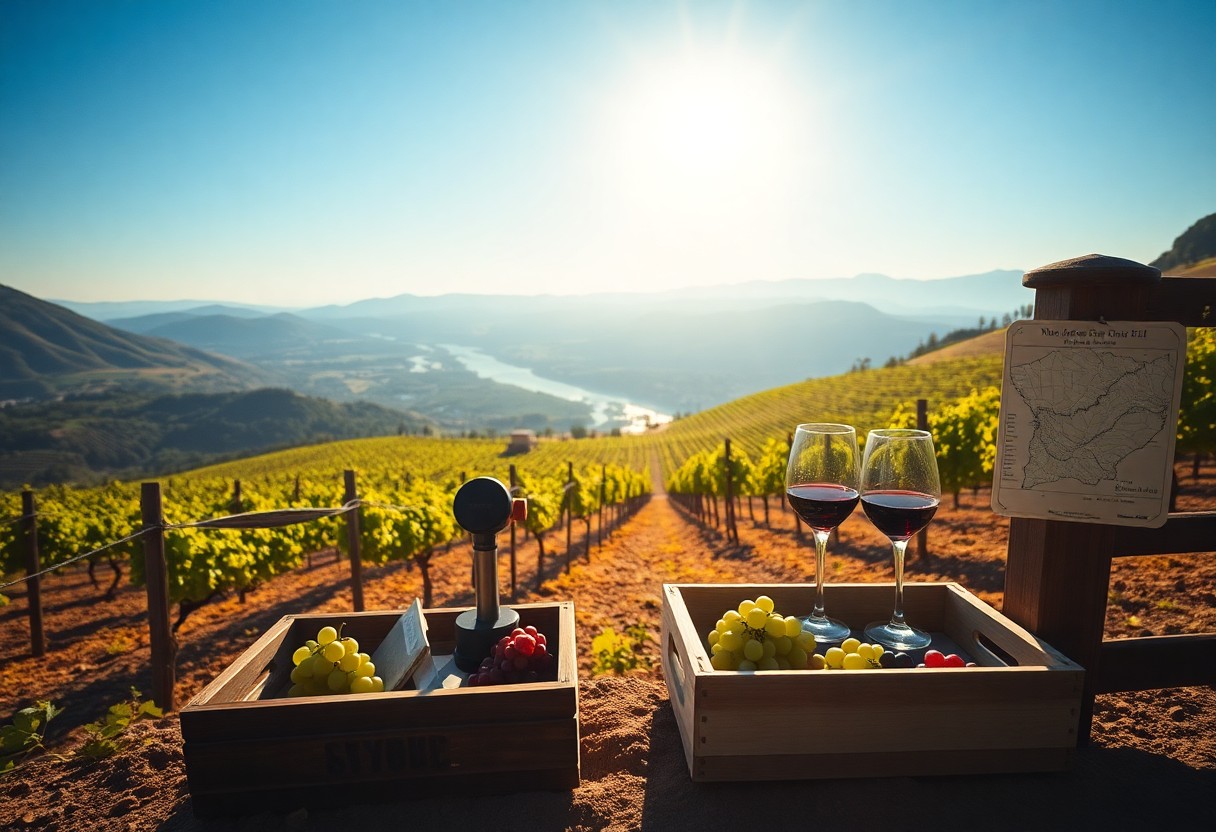
When you follow regional logic, local dishes and local wines often align: Rioja reserva (aged 3-5 years) complements roasted lamb, Alsace Gewürztraminer matches spiced pork, and Tuscan Sangiovese suits tomato-forward cuisine; use appellation pairings as starting points, then adjust for spice and fat levels.
Thou should use producers from the same region as a shortcut: when you pair Provençal bouillabaisse with Bandol rosé or Ligurian seafood with Vermentino, you leverage centuries of local pairing practice while still testing bottles to fit your personal taste.
Enhancing Everyday Meals with Wine
When you add wine to a weeknight sauce or pairing, it can lift flavors by adding acidity, sweetness or tannin balance; a typical deglaze uses about 60-120 mL (1/4-1/2 cup) and reduces in 5-10 minutes to concentrate taste. You’ll notice whites at 7-10°C (45-50°F) brighten salads and shellfish, while reds at 15-18°C (59-64°F) complement roasted proteins. Avoid bottles with excessive alcohol or harsh tannins that can overpower delicate dishes.
Cooking with Wine
Use wine to deglaze pans, braise, and finish sauces: for four servings start with 60-120 mL, simmer 5-20 minutes depending on intensity, and reduce to a glossy glaze. You should choose a dry white (Sauvignon Blanc) for cream sauces and a robust red (Tempranillo or Cabernet) for slow braises. Exercise caution around open flame-alcohol above 15% ABV can ignite, so lower‑alcohol table wines are safer for stovetop work.
Wine as an Accompaniment
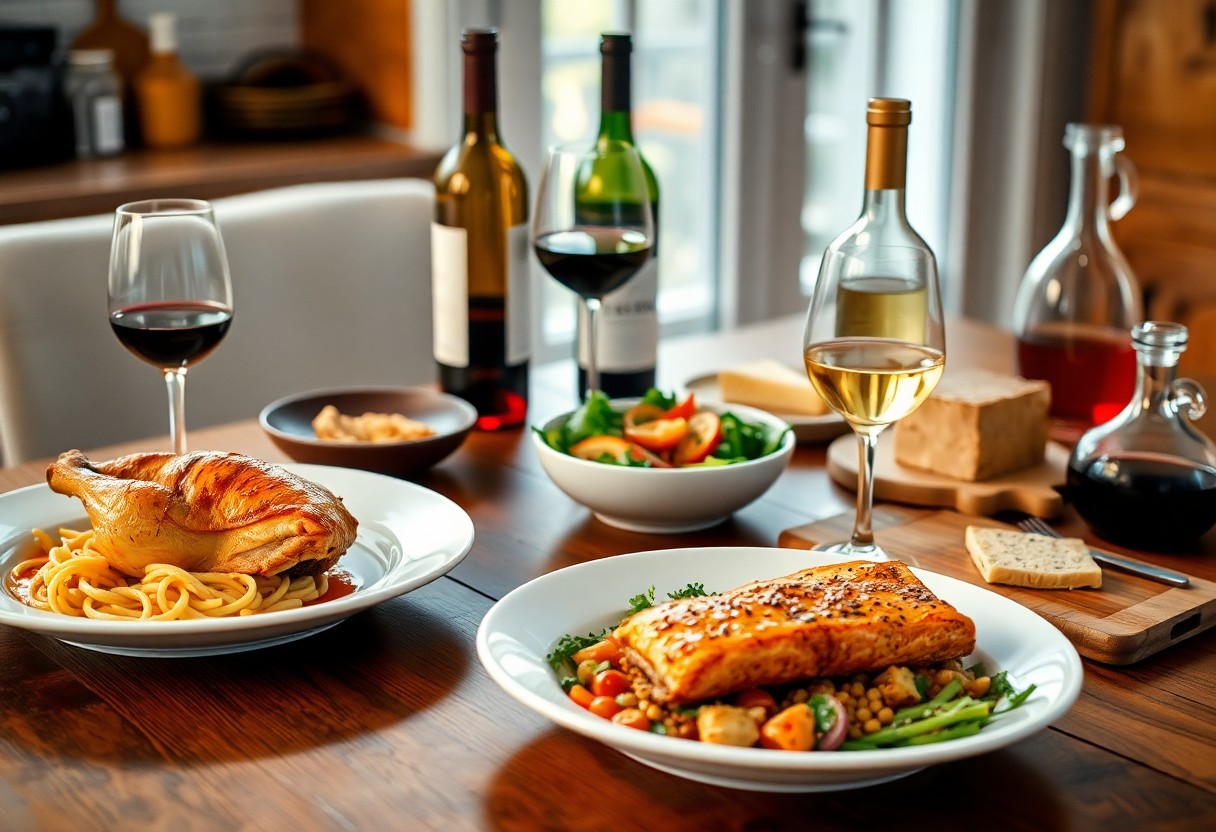
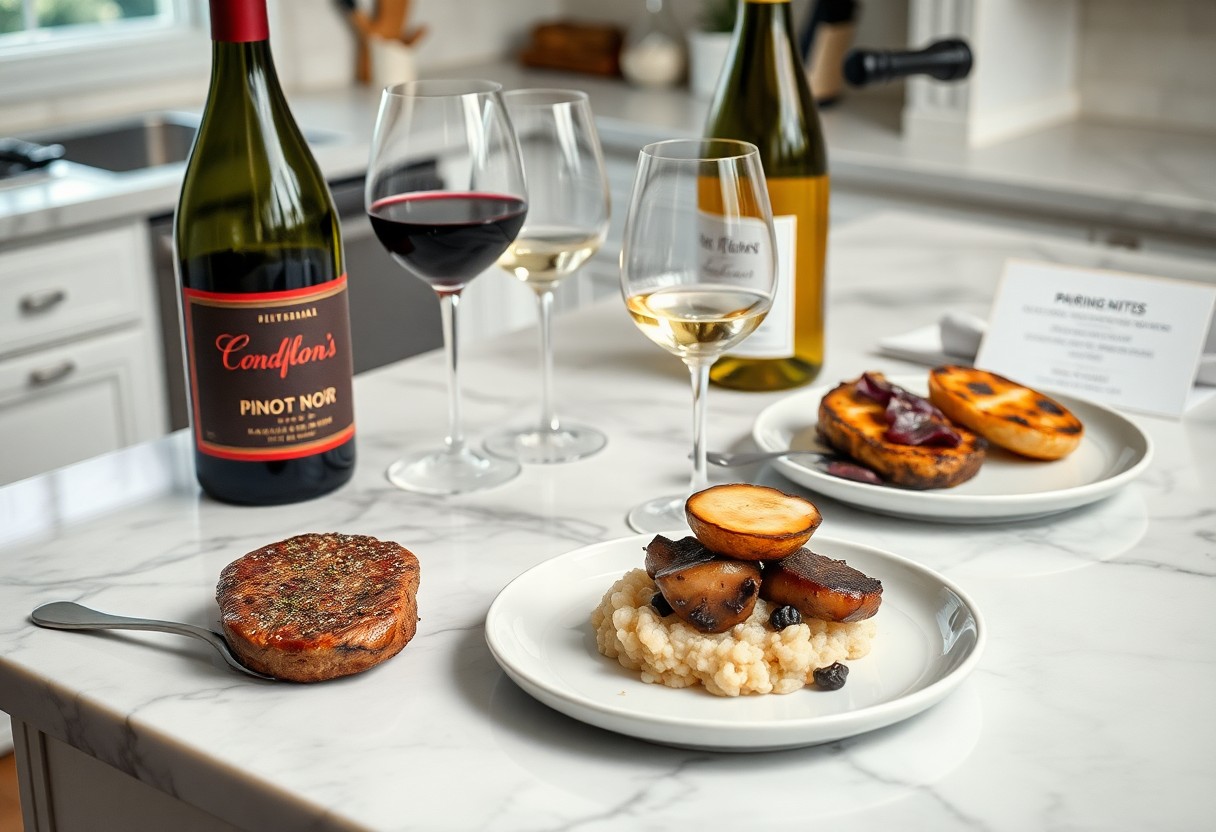
Match weight and flavor: pair light-bodied wines with lighter dishes and full-bodied wines with richer fare-Pinot Noir with seared salmon, Chianti with tomato pasta, off-dry Riesling with spicy Thai. Acidity cuts through fat while tannins bind to protein, smoothing textures. Serve whites chilled and reds slightly cool, and avoid pairing highly tannic wines with bitter greens or delicate seafood because that combination often clashes.
Try a simple rule of thumb: keep three go-to whites (Sauvignon Blanc, unoaked Chardonnay, Riesling) and three reds (Pinot Noir, Merlot, Cabernet) to cover most meals. For roast chicken, opt for unoaked Chardonnay or light Pinot Noir-serve whites at 10-13°C and reds at 13-16°C. When you taste, sip the wine, then the food; that interaction quickly shows which pairings lift your dish.

The Importance of Serving Temperature and Glassware
When you dial in temperature and glass shape, your food pairings pop: a chilled Pinot Noir at 50°F lifts red-fruit notes against salmon, while an over-warm Sauvignon Blanc flattens acidity and makes dressings seem oily. Use practical guides like Choosing white and red wine to keep on hand for cooking? to stock wisely and avoid serving mistakes that can make a dish seem bland or overly tannic.
Quick effects
| What to adjust | Effect on your meal |
|---|---|
| Serving temp | Alters acidity/sweetness balance; ~5-10°F shifts taste perception |
| Glass shape | Controls aromatics and mouthfeel, changing perceived body and tannin |
Optimal Serving Temperatures
You should aim for specific ranges: sparkling 40-50°F (4-10°C), light whites 45-50°F (7-10°C), full-bodied whites 50-55°F (10-13°C), rosé 45-55°F (7-13°C), light reds 55-60°F (13-16°C), medium/full reds 60-65°F (15-18°C). For example, serve a chilled Sauvignon Blanc at ~48°F with ceviche and a Cabernet at ~62°F with grilled steak; a 5-10°F deviation can make a wine taste flabby or excessively tannic.
Temperature guide
| Wine type | Optimal temp (°F / °C) |
|---|---|
| Sparkling | 40-50°F (4-10°C) |
| Light white / rosé | 45-55°F (7-13°C) |
| Full-bodied white | 50-55°F (10-13°C) |
| Light red | 55-60°F (13-16°C) |
| Medium / full red | 60-65°F (15-18°C) |
Selecting the Right Wine Glass
You want a glass that matches the wine’s aroma profile: a large-bowled glass for big reds like Cabernet to increase aeration, a narrower bowl for aromatic whites to concentrate floral notes, and a flute or tulip for sparkling to preserve bubbles. Prioritize rim diameter and bowl volume-these change how you perceive fruit, acidity and tannin-so a Pinot Noir benefits from a tapered rim that directs aromas to your nose.
Practical choices matter: choose stemmed glasses to keep your wine at target temperature, consider lead-free crystal for thinner rims and clearer aromatics, and buy sets of two shapes (white and red) to cover >90% of pairings. If you entertain, decanters and a wide-bowl glass for big reds will soften tannins within 30-60 minutes, improving synergy with roasted or umami-rich dishes.
Wine Storage and Preservation
Store wine at a stable temperature-ideally 55°F (13°C)-with 50-70% humidity to keep corks moist. You should keep bottles horizontal when aging with corks and upright for sparkling or short-term bottles to protect seals. Avoid sunlight and vibration; UV and heat accelerate oxidation and degrade aromas within months. For everyday bottles, a dark cabinet or compact wine fridge will preserve taste for weeks to months.
Best Practices for Storing Wine
Aim for steady conditions: 55°F, 50-70% humidity, minimal light and vibration. You should age reds on their sides to keep corks moist, while storing sparkling wines upright to protect pressure. Rotate stock so older purchases get used first-a 12-18 month rotation works if you buy regularly. Use a thermometer and hygrometer and keep storage away from heat sources and strong odors.
Tools for Wine Preservation
Vacuum pumps (e.g., Vacu Vin) can extend opened bottles by a few days; inert-gas sprays (argon blends) preserve aromas for 1-2 weeks or longer. You should consider a wine fridge for steady cold storage, and a Coravin to pour without removing the cork for long-term access to prized bottles. For short-term sealing, silicone stoppers or screw-cap converters are inexpensive and effective.
You can choose Coravin systems (about $200-$800) to sample expensive bottles while preserving them for months or years because the cork stays intact; inert-gas canisters cost $10-$30 per refill and work best when you spray immediately after opening. Vacuum stoppers are $10-$20 each and suit quick use, but they don’t remove oxygen completely-so use them for casual bottles rather than long-aged wines.
Exploring Wine Tasting and Appreciation
Practice the five S’s-see, swirl, sniff, sip, savor-so your assessments focus on aroma-driven flavor (about 80% of taste), acidity, tannin, body and finish; you should take quick notes and compare wines side-by-side, ideally in groups of 3 to 6 to keep contrasts clear. Experienced tasters spend 2-5 minutes per pour, and spitting is recommended to avoid intoxication during longer sessions. Temperature matters: serve whites at 7-10°C and reds at 14-18°C to reveal true character.
Developing Your Palate
Train by tasting a small set weekly: compare three vintages of the same variety or three different regions of Sauvignon Blanc to isolate traits like acidity, minerality and herbaceousness. Use reference flavors-lemon for acidity, blackcurrant for Cabernet-and take 30-50ml sips while noting aroma and finish; consistent practice over 4-12 weeks noticeably refines discrimination. Avoid strong-smelling foods before tasting and keep sessions under an hour for sharper focus.
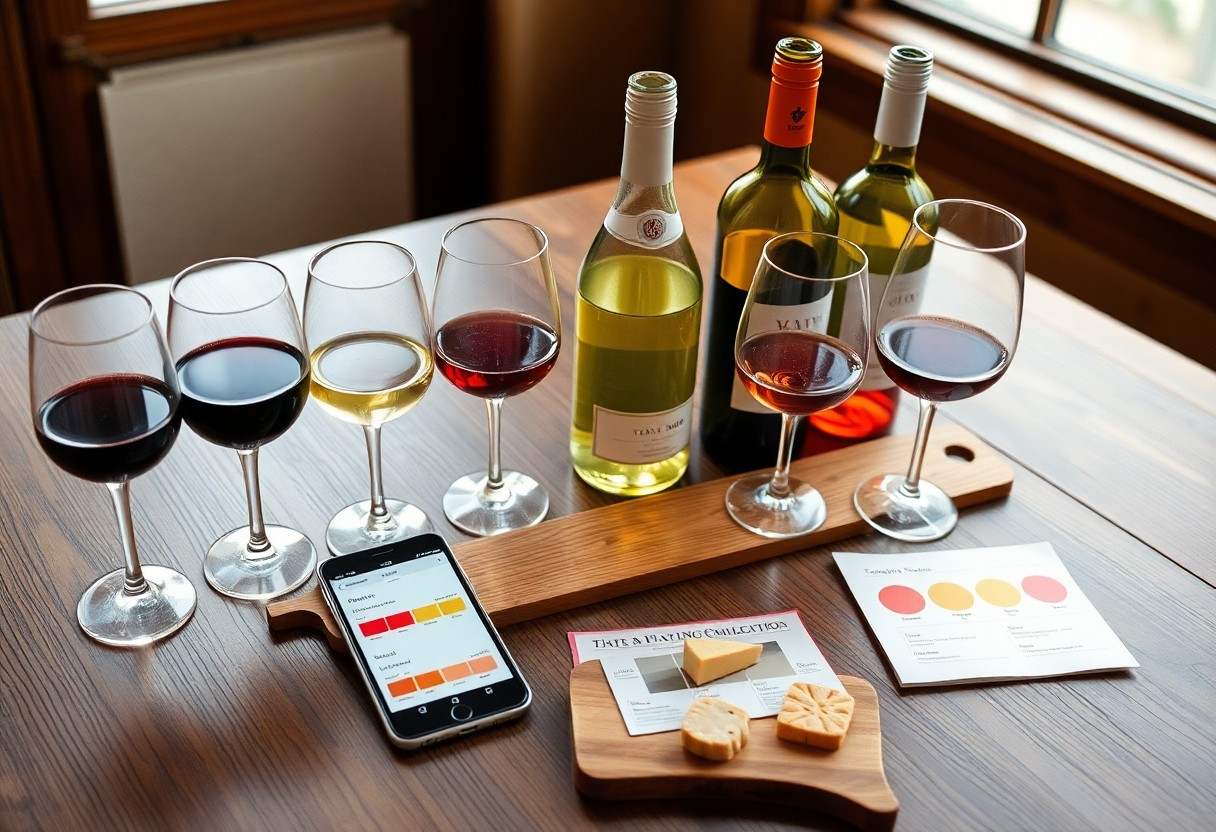
Organizing a Wine Tasting at Home
Plan a 6-wine flight with 30-60ml pours, moving from lighter to fuller styles; provide plain crackers, water, and a rinsing glass, plus a visible spittoon and proper stemware to unlock aromas. Label wines with code numbers for blind comparison, set whites and sparkling at 7-10°C, reds at 14-18°C, and limit participants to 6-8 to ensure everyone can engage and record impressions.
Choose a clear theme-varietal, region, price range ($10-$50), or oak vs. unoaked-and prepare a one-page score sheet (aroma, palate, finish, score 1-10). Pace the session: allocate 8-12 minutes per wine and include a 10-15 minute break halfway. Offer small neutral bites for palate resets and advise guests that if they plan to drive, they should spit or limit consumption to 3-4 wines; this keeps the tasting safe and educational.
Summing up
So when you pair wines thoughtfully with your meals, you enhance flavors, balance textures, and elevate ordinary dishes into memorable experiences; by learning basic pairing principles and trusting your palate, you will make everyday dining more satisfying and refined.
FAQ
Q: How does choosing the right wine enhance flavors in everyday meals?
A: Pairing wine with food brings out complementary or contrasting elements that lift both components. Acidity in wine cleanses fat and brightens sauces-high-acid wines (Sauvignon Blanc, Albariño) work well with fatty fish, salads, and tomato-based dishes. Tannins in reds (Cabernet, Nebbiolo) bind to proteins and tame richness, so pair them with grilled or roasted meats. Sweeter or off-dry wines (Riesling, Gewürztraminer) balance spicy or pungent flavors. Match the wine’s body and intensity to the dish: light-bodied wines for delicate proteins and vegetables, medium-to-full-bodied wines for creamier, roasted, or richly sauced foods.
Q: What simple rules can beginners follow to pick wine for casual dinners?
A: Use three practical rules: match weight (light wines with light dishes, fuller wines with rich dishes), match intensity (don’t let the wine overpower subtle flavors), and address the dominant taste (use acidity for salty/fatty foods, sweetness to tame heat, tannin for protein). Keep a few versatile bottles on hand-Pinot Noir, unoaked Chardonnay or Chenin Blanc, dry rosé, and a crisp Sauvignon Blanc-and serve within the appropriate temperature ranges for best results.
Q: How can I choose and care for affordable wines that still improve everyday meals?
A: Seek regional value styles such as Beaujolais or Côtes du Rhône for reds, Tempranillo or Portuguese blends for structure, and Albariño, Verdejo, or New World Sauvignon Blanc for lively whites. Shop by style descriptors (light, fruity, medium-bodied, oaked) rather than price or hype. Store bottles in a cool, dark place away from temperature swings; chill whites and rosés before serving and slightly cool light reds if needed. After opening, reseal and refrigerate-most whites keep 3-5 days, reds 2-4 days-and use decanting or gentle aeration for young, tannic reds to soften them before serving.