Over the growing season, decisions by nearby vintners determine the profile of your weekly bottle: vineyard site and grape selection set core flavor and quality, while improper chemical use can contaminate crops and risk consumer health, and hands-on, small-batch production often yields fresher, more distinctive wines; understanding these forces helps you choose bottles that reflect place, safety, and flavor.
Key Takeaways:
- Terroir-microclimate, soil and vineyard practices determine grape character and flavor profile.
- Winemaking choices-yeast, fermentation methods, oak and blending set texture, acidity and aromatic profile.
- Small-batch production, seasonal harvests and local distribution affect freshness, diversity and weekly availability.
The Local Winery Landscape
In your neighborhood, local wineries drive the wines you buy by translating microclimate and soil into distinctive bottles, often via small crews and hands-on techniques. Many operations are family-run or boutique producers focused on single-vineyard expressions, so you encounter terroir-driven labels at grocery shelves and tasting rooms; this grassroots structure shapes availability, price, and the seasonal range you see each week.
History of Local Wineries
You trace modern local winery growth to two sharp inflection points: the end of Prohibition (1933), which restored commercial winemaking, and the post-1970s revival-catalyzed by events like the 1976 Judgment of Paris-that pushed quality standards and boutique investment, prompting regional clusters such as Napa and Sonoma to become global benchmarks for small producers you now visit or buy from.
Types of Wineries in Your Area
You’ll encounter several primary models: estate wineries that grow and vinify on-site, boutique producers focusing on limited batches, urban wineries operating in cities using sourced fruit, co‑ops where growers pool resources, and custom crush facilities that vinify for multiple labels; each model affects how you taste, price, and access wines locally.
- Estate: Vineyards and cellar on one property, full farm-to-bottle control.
- Boutique: Small production runs emphasizing terroir and experimentation.
- Urban: City tasting rooms that source grapes regionally to serve local customers.
- After Co‑op: Growers combine forces to share equipment, winemaking, and market reach.
| Estate | On-site vineyards & winery; example: single-vineyard bottlings. |
| Boutique | Typically under 5,000 cases/year; artisanal techniques emphasized. |
| Urban | Cellar in city centers; focuses on direct tasting-room sales. |
| Co‑op | Shared facilities reduce costs for small growers; collective labeling. |
| Custom Crush | Turnkey production for brands without their own cellar space. |
You should expect differences in visitor experience and business model: tasting rooms often drive revenue and loyalty, while custom crush and co‑op setups lower entry barriers for new labels; noting local zoning, water access, and spring frost risk helps you understand vintage variability and availability.
- Tasting room: Primary front door to consumers, educational and sales-focused.
- Direct-to-consumer: Memberships and clubs that build repeat buyers.
- Sustainability: Practices like organic or biodynamic farming that influence style.
- After Contract/Custom: Third-party production that lets brands scale without a winery footprint.
| Tasting Experience | From intimate barrel tastings to walk-in urban flights. |
| Sales Model | On-site, distributor, and DTC mixes determine shelf presence. |
| Scale | Ranges from tiny lots to multi-thousand-case boutique operations. |
| Risk Factors | Weather, pests, and supply-chain shifts affect each vintage. |
| Visitor Access | Appointment-only vs. open tasting rooms change how you engage. |
Terroir and Its Influence
Soil, slope, elevation and microclimate combine to shape what you taste: Kimmeridgian limestone in Chablis lends flinty acidity, while volcanic soils on Santorini push Assyrtiko toward saline, mineral notes. You’ll notice that a 10°C diurnal shift in Napa or Willamette retains acidity and aromatic lift; conversely, poor drainage increases rot risk, and frost-prone low valleys can wipe out yields overnight, altering both supply and style.
Understanding Terroir
You assess terroir by combining measurable factors: soil composition (clay, sand, limestone, basalt), annual rainfall in mm (e.g., 300-800 mm ranges), slope angle and exposure, plus the local microbiome and farming choices. Vine roots at 30-60 cm tap different minerals than those at 1 m, and well-drained soils often produce riper, more concentrated fruit, while heavy clay delays ripening and raises tannin extraction during fermentation.
How Terroir Affects Flavor Profiles
Different soils and climates push grape chemistry in distinct directions: for example, limestone-rich sites encourage higher malic acidity and citrus notes in Chardonnay, basalt and volcanic ash can intensify aromatic sulfur and smokiness, and marine sediments often add a subtle saline edge to Pinot Noir. You’ll find that vineyards at 200-500 m elevation preserve freshness and floral aromatics more than lowland sites subjected to heat accumulation.
Digging deeper, you can trace specific flavor compounds to terroir-driven stressors: limited water on steep slopes concentrates sugar and phenolics, raising ABV by 0.5-1.5% and strengthening tannins; coastal fog reduces phenolic ripeness, enhancing herbal and saline characters; and localized yeasts on vine skins contribute unique fermentation esters-small microbiome differences can produce markedly different fruity or spicy profiles from the same clone planted a few kilometers apart.
Sustainability Practices
Vineyards are reducing water and carbon footprints through targeted measures: drip irrigation can cut water use by up to 60%, while on-site solar and biomass systems often offset 30-80% of a winery’s electricity. You see precision fertilizer applications, compost programs and recycling paired with measurable KPIs like liters per kilogram harvested and scope 1-3 emissions to meet buyer and retailer sustainability requirements.
Environmental Stewardship
You’ll notice riparian buffers, hedgerows and insectary strips raising biodiversity and reducing runoff; riparian plantings can cut sediment and nutrient loss by >50%. Integrated Pest Management relies on pheromone disruption, canopy management and targeted sprays to lower inputs, and pesticide runoff remains the most dangerous threat to downstream water quality if not controlled.
Organic and Biodynamic Methods
Many producers convert to organic or biodynamic systems to rebuild soil life; during transition yields often fall ~10-25%, yet you can reclaim margins through price premiums and long-term resilience. Biodynamic farms use preparations (e.g., 500/501) and celestial calendars, and certifications like Demeter or USDA Organic enforce limits on synthetic inputs and require documented soil and biodiversity practices.
In practical terms, you’ll see compost applied at 5-20 tons/ha to raise organic matter and microbial activity, plus targeted sulfur/copper sprays as primary disease controls; the EU average copper cap is about 6 kg/ha/year, so many vineyards adopt biocontrols and canopy changes to avoid accumulation. Regular soil testing and cover-crop mixes let you track measurable improvements within 3-5 seasons.
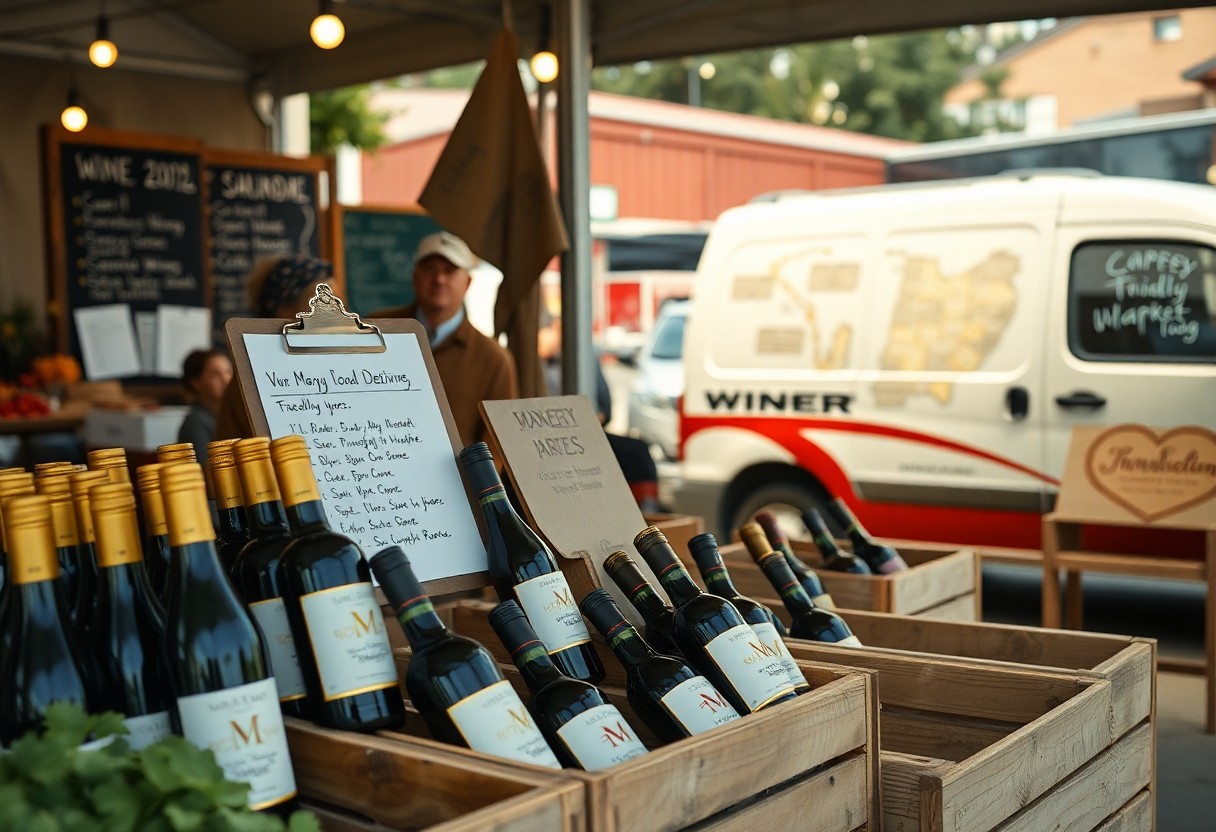
Community Engagement
Supporting Local Economies
You benefit directly when a small winery hires local staff, buys barrels from nearby cooperages and contracts grape pickers each season. For example, a 3,000-case family winery might employ 5 staff year-round and 10 seasonal workers, while sourcing packaging and transport within 50 miles. That local spending sustains restaurants, mechanics and tax revenue, and buffers the community against commodity-market swings.
Wine Tourism and Events
You see the impact during tasting-room weekends: small estates often host 4-6 guided tastings daily, selling flights and bottles directly to visitors. Regional wine trails and harvest festivals draw tens of thousands regionally each season, and your purchase in a tasting room can represent 30-60% of a winery’s direct revenue in some regions.
Beyond tastings, you’ll find on-site events move the needle: vineyard weddings, corporate retreats and harvest dinners boost off-season cashflow. A weekend wedding or private event can add $10,000-$50,000 in gross revenue, while tours increase midweek occupancy at nearby B&Bs by 20-40%, amplifying benefits for local hospitality and transport businesses.
Wine Selection and Distribution
Wineries decide which labels reach your shop by allocating bottles across wholesalers, restaurants and direct channels; large producers often send >70% to distributors while boutique estates reserve more for tasting rooms. You see the result: shelf presence tied to volume, price tiers and distributor contracts, and seasonal allocations mean a sought vintage can be scarce in retail despite ample production elsewhere, shaping what ends up in your cart each week.
How Wineries Select Grapes
Vineyard site, clone and vine age determine your wine’s starting material: producers target ~22-26°Brix for reds and ~20-24°Brix for whites, and many premium wines limit yields to 2-4 tons/acre. You’ll notice harvest timing blends lab metrics (Brix, pH, TA) with tasting; pest pressures like frost or botrytis force earlier picks, while organic or single-vineyard programs prioritize flavor expression over volume.
Direct-to-Consumer Sales
When you buy at the tasting room, join a club or order online, the winery keeps higher margins and controls allocations; DTC commonly supplies about 20-40% of revenue for many family-run producers. You should expect age-verification, state permit hurdles (over 40 states have differing rules) and careful packing to avoid breakage, all of which influence price and availability of limited bottlings.
On the operations side you’ll see wineries invest in fulfillment, CRM systems and cold-chain options to protect quality and retention; clubs often target 60-80% member retention and use allocation lists to manage demand. You indirectly bear the cost of compliance-shipping refusals or fines for noncompliance can push wineries to limit shipments or raise prices-so DTC growth changes both access and cost for the bottles you enjoy.
The Future of Local Wineries
As you evaluate where local wineries are headed, note that Millennials Are the Biggest Wine Drinkers in the US Now and that shapes demand – see the industry analysis Millennials Are the Biggest Wine Drinkers in the US Now. Smaller producers increasingly depend on tasting rooms and events for 30-50% of revenue, so your choices as a consumer push wineries toward experiences, sustainable practices, and tailored DTC offerings.
Trends and Innovations
You’ll notice more wineries using precision viticulture-drones, soil sensors, and satellite imagery-to improve yields and reduce inputs. Many small producers launch wine clubs and subscriptions to stabilize income, while experiments with cans, low-ABV bottlings, and regenerative farming attract younger buyers. Embracing direct-to-consumer (DTC) platforms and virtual tastings lets you buy rare lots earlier and supports higher margins for the producer.
Challenges Facing Local Producers
You should expect regulatory complexity to persist: state-by-state shipping rules and licensing create friction that limits market reach. Climate volatility matters-wildfires and heat events have already hit quality, and competition from large brands squeezes shelf space and margins. Labor shortages and rising input costs force many small operations to postpone capital investments even as demand shifts toward experiential and sustainable wines.
Digging deeper, you’ll find concrete burdens: the 2020 California wildfires burned over 4 million acres, producing widespread smoke taint that damaged vintages and inventory values. Navigating the three-tier distribution system often means paying fees, obtaining multi-state permits, and remitting excise taxes, which can erode returns; combined with seasonal labor scarcity and higher freight costs, that can reduce your favorite local producer’s net margin by a significant percentage.
Final Words
With these considerations, you understand how local wineries shape the wine you drink every week: their terroir-driven choices, small-batch techniques, harvest timing, and winemaking decisions influence flavor, quality, price, and sustainability, so your tastings and purchases reflect regional character and care. By choosing local bottles you support biodiversity and craftsmanship while refining your palate.
FAQ
Q: How does a local winery’s vineyard location influence the flavor of the wines I buy weekly?
A: A winery’s vineyard site determines soil type, altitude, slope, and microclimate, all of which affect grape ripening, acidity, sugar levels, and aromatic compounds. Wineries adapt vine varieties and canopy management to those conditions, producing wines with distinct minerality, fruit profile, and tannin structure tied to place. Small variations in sunlight exposure, drainage, and nightly temperature swings can yield noticeable differences between neighboring vineyards, so the wines you pick up each week often reflect those site-specific factors.
Q: In what ways do small, local winemaking decisions change the style of everyday wines?
A: Winemakers make choices at harvest, fermenting, and aging that directly shape wine style: harvest timing alters ripeness and acidity; yeast selection and fermentation temperature influence aroma and mouthfeel; and decisions about oak, stainless steel, or neutral vessels affect texture and flavor. Local producers often experiment with blending, skin contact, or minimal intervention techniques that produce unique expressions even from common grape varieties. These production decisions explain why two bottles from the same region can taste very different and why your weekly selections can range from bright and fresh to rich and cellared.
Q: How do local wineries affect price, availability, and sustainability of the wines I buy regularly?
A: Local wineries impact price and availability through scale, distribution, and direct-to-consumer channels: small producers typically offer limited-release wines on tasting room lists or subscription clubs, which can raise prices but increase uniqueness; larger local cooperatives may supply stores more consistently and afford lower prices. Many local wineries also adopt sustainable practices-cover crops, reduced chemical inputs, water management, and on-site composting-which can raise production costs but lower environmental footprint and improve long-term grape quality. Community relationships, tourism, and regional branding further shape what’s stocked locally and how frequently new releases appear on your weekly list.