Career moment: I watched a teammate volunteer to fix a messy project and within months they were running the whole client account. You might think leadership is for managers only, but your everyday choices – how you speak up, follow through, coach a newbie – shape how fast you move. Ignore it and you risk stagnation. So start small, be consistent, take chances, and you’ll see better raises and new roles come your way…seriously, who knew?
Key Takeaways:
-
Why this matters to you: if you want to steer your career instead of being pushed around by circumstances, personal leadership is the daily throttle. It’s not a one-off speech or a leadership training seminar – it’s the tiny choices you make this week, today, this morning that stack up into reputation, opportunity and momentum. Want more control? Start where you actually are.
Small daily choices add up.
-
Own your work and your voice – that’s how people notice you and trust you with bigger things. Speak up, solve the small problems without waiting for permission, and show up even when it’s boring or messy; others will assume you’ll handle the hard stuff too. It’s not flashy but it’s effective.
Visibility beats good intentions.
-
Keep learning in public – admit the gaps, ask questions, iterate fast. Growth isn’t only promotions and titles, it’s the stretch you take every week, the projects you say yes to, the feedback you actually act on. Be persistent – careers are long games, and habits win the match.
Your learning habit is your career’s engine.
Why Personal Leadership Matters in Your Daily Grind
When your inbox spirals and you still own the roadmap, personal leadership keeps you steady. I watched a product lead at a 30-person startup start a 15-minute morning triage and cut cross-team delays by half in three weeks. You get more promotions, less burnout, and faster, clearer decisions when you steer your day instead of being steered.
The Power of Taking Charge
When the QA release was slipping, you stepping up to run the bug bash changed the outcome. At a 10-person team I coached, volunteering to own the rollout aligned priorities and reclaimed two weeks of schedule – stakeholders noticed. So when you volunteer, you build trust, get visibility, and increase the odds of being tapped for bigger roles.
Knowing Yourself: The Key to Growth
You blew a client call and realized back-to-back meetings zap you; that wake-up is gold. Using a 360-feedback, a quick personality test, or tracking energy for two weeks shows where you leak time and focus. When you build self-awareness you make targeted moves – block focus hours, trade tasks, and actually accelerate your career.
The first time you try this you’ll be surprised – I told a mid-level PM to keep a 5-minute end-of-day journal and ask three peers for candid feedback, and in six weeks she renegotiated her role. Pick one behavior metric – for example “no-meeting blocks per week” – and measure it. Do short experiments, iterate fast, keep the data, and you’ll turn insight into visible results. Small metrics beat vague intentions.
My Take on Setting Goals That Actually Work
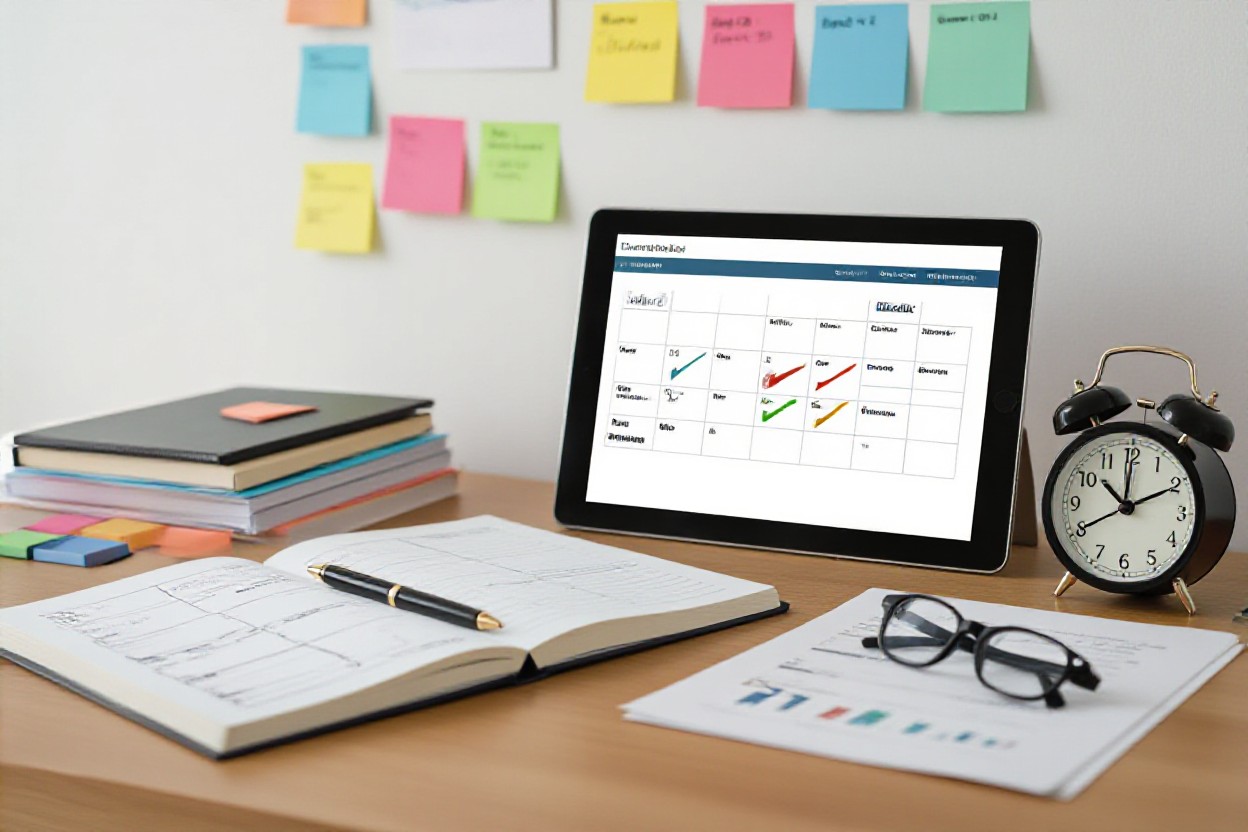
Only about 8% of people actually stick to their big resolutions, so you can’t rely on vague intent; you need a system that fits your day-to-day. Start with 90-day sprints, pick 2 measurable outcomes, and build a weekly habit tracker you actually update. If you want momentum, obsess over small wins – they stack. Make one of those wins non-negotiable and watch how it changes your pacing and confidence.
Why Goals Should Be Personal
Studies show specific, challenging goals boost performance by roughly 10-25%, but that only works if those goals come from you, not your job description. When your targets reflect your values and curiosities you stick with them longer, you take smarter risks, and you negotiate for the roles you want. So ask: what would make you jump out of bed? Then write that down, align two quarterly milestones to it, and guard them like a project – because they’re yours.
Dreams vs. Realities: Finding the Balance
Breaking big goals into milestones can increase completion rates by up to 50%, so don’t try to sprint a marathon on day one. You want a moonshot, sure, but put a six-month runway of skills, projects, or metrics under it. Chunking keeps you honest, gives you evidence to show others, and prevents the dangerous habit of chasing vague glory without progress. Want bold? Make it measurable.
If you’re aiming for a big career leap in 3-5 years, map the path: list the 5 skills hiring managers want, plan 3 stretch projects that prove two of those skills, get one mentor and set quarterly feedback loops. Track metrics – revenue influenced, headcount led, processes improved – numbers matter. And when a milestone slips, tweak the plan, not the dream; small course corrections beat giant course failures every time.
How to Build Those Leadership Skills
You once jumped into a chaotic meeting and ended up steering it for 10 minutes, and that tiny moment changed how people looked to you. Start by picking one measurable skill to improve, spend 15 minutes daily on reflection or micro-practice, and get feedback from one peer each week – small, steady moves beat grand plans. Don’t overcommit; say no when your plate’s full, then iterate – you’ll compound progress faster than you think.
Simple Steps to Get Started
You said yes to lead a small project and felt out of your depth, right? First, set one clear goal (like improving team check-ins), block 15 minutes each day for intentional practice, schedule a weekly 1:1 for feedback, and list three tiny behaviors to change this month. Try it for 30 days – you’ll see patterns and quick wins. Want metrics? Track one KPI, like meeting efficiency or on-time tasks, and iterate from there.
Practice Makes Perfect: Real-Life Examples
You watched a product lead run a two-week experiment where they swapped long meetings for short daily syncs – within three months the team hit a 30% improvement in delivery cadence. Or a junior manager who practiced giving feedback in 5-minute roleplays and landed a promotion after consistent improvement. Small experiments, quick data, repeated runs – that’s how leadership skills actually stick, not one-off seminars.
One example went deeper: the lead tracked cycle time (from task start to done), cut it from 10 days to 7 by splitting work, delegating, and holding 10-minute daily standups, and used a simple weekly dashboard to show progress.
Measure one thing and improve it relentlessly – that’s the fastest route to visible growth, and it gives you concrete stories for reviews and interviews.
What’s the Deal with Networking?
More like tending a garden than collecting business cards, networking feeds your career every day. If you nurture 5-10 key relationships and check in monthly you’ll see opportunities pop – studies show about 85% of jobs come through connections. So you should give value first, keep short notes after each interaction, and follow up within 48 hours when a promise’s made, that’s where traction starts.
Making Connections that Count
Like choosing ingredients for a recipe, pick contacts who add flavor – mentors, peers, and sponsors. You should personalize outreach, reference a mutual project or event, and propose a 15-minute call or coffee. Quick tip: send a 2-sentence recap after meeting and set a clear next step within 48 hours. Simple moves like that separate casual chit-chat from career-boosting connections.
Cultivating Relationships: It’s a Two-Way Street
Unlike a one-way favor, relationships thrive when you give before you get; share relevant articles, make warm introductions, or offer to review a resume. Do something useful at least twice before you ask for a big favor – people notice consistency. And when you celebrate others’ wins publicly, they’ll remember you next time opportunity knocks, that’s real influence.
More like using a simple CRM than trusting your memory, you should track contacts in a simple spreadsheet or CRM – name, company, last contact, value delivered, next step. Set reminders at 3 and 6 months, send a quick value note or article, do a 15-minute check-in when something changes. So batch two personalized messages a week and watch your network actually work for you.
The Impact of Mindset on Your Career Journey
A 2015 meta-analysis found mindset interventions can improve performance by about 0.3 standard deviations, which matters when small lifts compound over years. When you treat setbacks as feedback you take on stretch projects, ask for real feedback, and get noticed; daily habits shift. And if you want a quick primer on how growth ties into work life, read What Is the Connection Between Personal Growth and Professional Development? This one shift changes where you aim and who you become at work.
How Positivity Can’t Be Overrated
Studies show positive moods can boost creative problem-solving by around 10-15%, so it’s not just feel-good fluff. When you stay upbeat you spot options others miss, you volunteer for hard stuff, and your colleagues want to collaborate with you – which means more visibility. Try small rituals – a quick win in the morning, a gratitude note – they stack. Want a promotion? Being the person who brings energy actually matters. Positivity fuels risk-taking and connection.
Resilience: Bouncing Back Stronger
Employees who score high on resilience measures report roughly 30% lower burnout and tend to stay in roles longer. When you recover quickly from mistakes you keep momentum, learn faster, and managers notice reliability – promotion fuel. So yeah, bouncing back is career currency; it’s not just surviving, it’s turning fallout into forward motion. Resilience converts setbacks into growth.
After structured resilience training some teams cut sick days and turnover by up to 20%, which shows practice helps – it’s not just personality. You can build habits: debrief after failures, set micro-goals, and rehearse responses so stress doesn’t freeze you. Try a two-step routine next time things go sideways: pause, pick one corrective action, then act.
Small routines make big comebacks possible.
The Real Deal About Feedback and Growth
Ever notice why some critiques actually change your behavior while others just sting? When feedback is specific, tied to observable actions and given quickly, you can iterate fast – think 10-15 minute weekly check-ins or a 30-minute post-mortem after a sprint. You should ask for concrete examples, log one action to try this week, and follow up in seven days. Small cycles like that turn noise into measurable progress and help you steer your career on purpose.
Embracing Criticism the Right Way
What if the bluntest feedback is your fastest route to getting better? Pause, breathe, then ask for 2-3 specific examples and use the SBI method – Situation, Behavior, Impact – to map what actually happened. Don’t defend; paraphrase to confirm you got it. Give yourself 24 hours to process before you reply if it’s raw. When you act on one clear change, others notice and your credibility climbs.
Learning from Others: Why It Matters
Who on your team teaches you something every week? Shadowing a peer for even two hours a week, swapping code reviews, or doing a monthly mentor chat exposes you to habits you won’t pick up alone. Aim for one 30- to 60-minute session monthly with someone two levels up and ask for three things to emulate. That mix of observation plus targeted practice accelerates skill gains.
Want one quick play? Ask a mentor to watch you for 30 minutes and give exactly three actions you can try this week. Then do those actions in public – on a small project or in a meeting – so you get feedback fast. Shadowing plus deliberate practice for 3 months often flips how you approach problems, and you’ll find your decisions get sharper because you stole better patterns from people who’ve already done the hard work.
Summing up
Taking this into account, think about the time you stayed late to finish a pitch and got that small promotion – small moves add up. You lead yourself every day by choosing focus, saying no, learning fast, and owning mistakes. So what does that mean for your career? It means you nudge growth forward daily, sometimes slowly, sometimes in leaps. Keep it simple, keep at it, and you’ll be surprised how far your personal leadership takes you.
FAQ
Q: What people usually mean by “personal leadership” – is it just boss stuff or something I use every day?
A: People often think personal leadership is only for people with fancy titles or managers – that’s not the case at all. It’s about how you steer yourself, how you make decisions when no one’s watching, and how you handle small things that pile up into big outcomes. It’s not a badge, it’s a habit.
It’s the stuff you do every morning when you choose to focus instead of doomscrolling, or when you own a mistake instead of passing the buck. Want to get noticed? Do the small things well, repeatedly – those tiny choices stack up and paint a picture of who you are at work.
If you want career growth, show up like someone who’s already on the path.
And yes, people notice that kind of consistency more than one-off heroics, even if it’s quiet at first.
Q: How do tiny daily actions of personal leadership actually help me get promoted or get new opportunities?
A: Lots of folks assume promotions come from a single big project or a dramatic win – not true. Daily actions like delivering on time, asking clarifying questions, and helping teammates without being asked build trust, and trust is the currency of opportunity. Think of it as compound interest, but for your reputation.
You don’t need fireworks. You need steady deposits. Show you can be relied on, speak up with ideas (even imperfect ones), and follow through – those habits get you invited to the table. Ever noticed how the same quiet person keeps getting more responsibility? That’s why.
Your reputation grows in tiny, invisible increments.
Keep doing the small things, and bigger chances will follow.
Q: I want to lead myself better every day but I’m worried about burnout – how do I do that without burning out or pretending to be perfect?
A: A common misconception is that personal leadership means being “on” 24/7 or never making mistakes – nope, that’s toxic. Personal leadership is about smart choices, not martyrdom. It includes setting boundaries, prioritizing, and asking for help when you need it.
Start with tiny, sustainable rituals: a short morning plan, a quick end-of-day note about what worked, and a simple pause before big reactions. Those micro-habits keep you aligned without draining you. And yes, feedback matters – ask for it and actually do something with it, even if it’s messy.
You don’t have to be perfect to lead yourself well.
Small, steady adjustments are way more powerful than grand gestures that burn you out.