There’s a growing number of wineries adopting sustainable practices that shape how you choose wine; by preferring these producers you support soil health, lower carbon emissions, and often better grape quality, while reducing exposure to synthetic chemicals. Sustainable labels also require you to be vigilant about greenwashing, so check certifications and practices. Understanding these trade-offs helps you align your purchases with environmental impact, long-term taste, and health priorities without sacrificing enjoyment.
Key Takeaways:
- Sustainable viticulture often yields cleaner, more consistent flavors by reducing synthetic inputs and improving soil health, which can influence everyday taste and bottle quality.
- Clear certifications and transparent labeling (organic, biodynamic, sustainability seals) make it easier to choose wines that match your values when shopping or ordering.
- Choosing sustainable wines lowers environmental impact and supports local or regenerative practices, frequently offering seasonal, value-driven options for regular drinking.
Understanding Sustainability in Winemaking
Definition of Sustainable Wineries
You’ve probably noticed labels like SIP, USDA Organic, or Demeter; they identify wineries that combine environmental stewardship, fair labor practices, and economic resilience. Practices include cover cropping, integrated pest management (IPM), drip irrigation, on-site solar, and water recycling. Choosing these wines means you back reduced chemical inputs and improved soil structure; those practices lower long-term environmental risk and often improve grape quality.
Environmental Benefits of Sustainable Practices
You’ll see tangible wins: drip irrigation can cut vineyard water use by up to 60%, IPM sharply reduces broad-spectrum pesticide applications, and rooftop solar plus efficiency measures shrink energy-related emissions. Producers such as Bonterra in California and Château Maris in the Languedoc pair organic or biodynamic farming with water recycling to deliver lower runoff, richer biodiversity, and measurable carbon reductions-outcomes that change the environmental footprint of the bottles you choose.
Beyond those headline gains, conversions produce measurable on-farm changes you can track: switching to drip systems and adding compost increases soil water-holding capacity and reduces irrigation frequency, while cover crops and hedgerows boost beneficial insect habitat and curb erosion. Many certified estates report 20-40% energy or emissions reductions after adding renewables and efficiency upgrades, and SIP or organic audits require annual reporting of water and pesticide metrics. For you, that means wines with lower chemical residues, smaller carbon footprints, and less risk of contaminating local waterways and pollinators, which affects both local ecosystems and the sustainability of vintages over time.
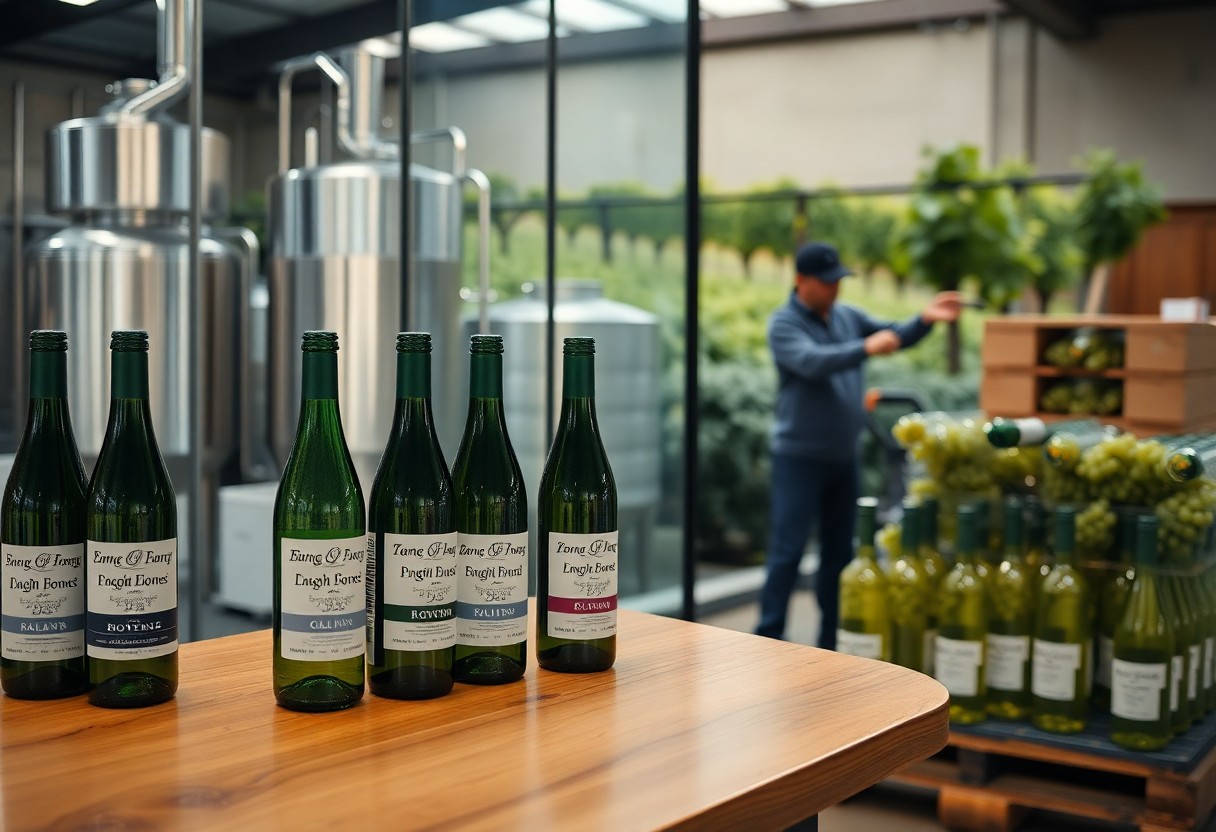
The Impact of Sustainable Wineries on Wine Quality
Sustainable practices like cover-cropping, reduced chemical inputs, and canopy management often produce more expressive terroir by improving soil structure and vine balance. You may see yield reductions of about 10-30%, which concentrates flavors and phenolic compounds, while studies and winemaker data link improved microbial diversity to clearer varietal character. At the same time, lower pesticide residues are commonly reported, affecting both taste and safety perceptions.
Flavor Profiles and Terroir
Varietal purity often strengthens when you avoid synthetic fungicides that mask subtle aromatics; soil cover crops increase root depth and microbial activity, which many producers link to distinct mineral and herbal notes. You’ll notice brighter acidity and more layered tannins in wines from sustainably farmed plots, especially where canopy management and late-harvest selection focus on balanced phenolic ripeness rather than sugar alone.
Health Benefits of Organic and Biodynamic Wines
By choosing organic or biodynamic wines you reduce exposure to synthetic pesticides and herbicides, since certifications prohibit those inputs; testing often shows lower detectable residues versus conventional bottles. You should still check labels for added sulphites because organic status doesn’t guarantee zero-sulphite content, and if you have sensitivities or health conditions pick certified low-residue or explicitly sulphite-free options.
Independent residue analyses and university studies commonly find non-detectable or minimal levels of many synthetic agrochemicals in certified organic wines, which can matter if you monitor cumulative exposures; farmers replacing synthetic inputs with compost, green manures, and biological controls also report improved soil micronutrient profiles that translate into wines with fewer chemical residues and richer nutrient complexity.
Consumer Choices and Trends
Growing Demand for Sustainable Wines
Sales of sustainable wines have climbed noticeably: about half of regular wine drinkers now say sustainability influences their purchases, with younger consumers (Millennials and Gen Z) roughly twice as likely to prioritize it. Retail data show the sustainable segment outpacing overall category growth, and many buyers accept a 5-20% price premium for verified practices, turning sustainability into a clear market differentiator you can lean on when choosing bottles.
How to Identify Sustainable Labels
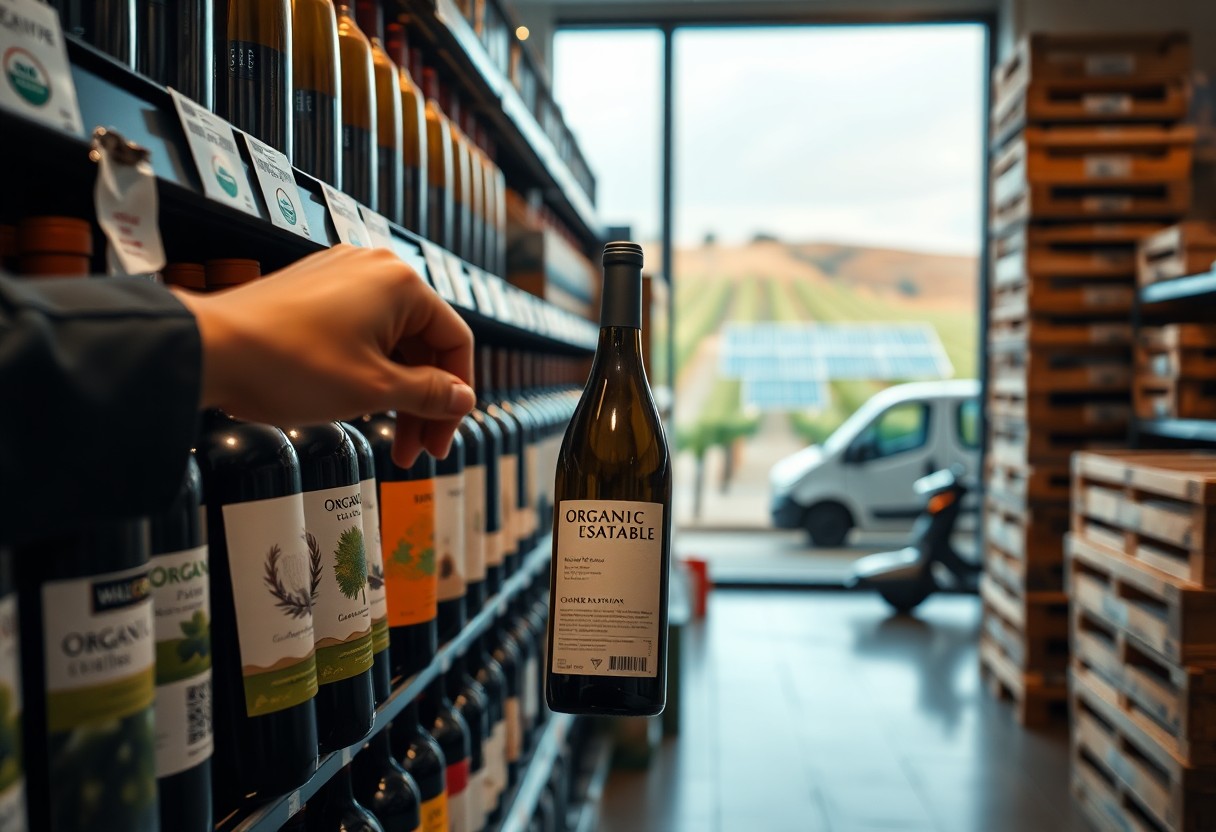
Check the back label and packaging for recognized logos-USDA Organic, EU organic leaf, Demeter (biodynamic), SIP Certified, Lodi Rules, B Corp, or national schemes like Sustainable Winegrowing New Zealand; scan QR codes for audit reports and sustainability pages. Be wary of vague claims such as “eco-friendly” or “natural” without a verified logo-those are common greenwashing signals that can mislead you.
Organic certification means no synthetic pesticides or fertilizers under USDA/EU rules; Demeter adds biodynamic protocols and farm-as-ecosystem practices. SIP and Lodi Rules entail third-party vineyard audits covering soil health, water use, and biodiversity, while B Corp assesses broader social and environmental performance. Brands like Bonterra (organic) and Frog’s Leap (sustainable practices, dry farming) publish reports and metrics you can cross-check to confirm claims before buying.
The Role of Certifications and Standards
You rely on seals to shortcut research; certifications differ by scope and verification. USDA Organic (95% organic ingredients) forbids added sulfites, Demeter’s biodynamic label requires specific preparations and timing, and regional programs-like Sustainable Winegrowing New Zealand or Chile’s initiative-measure water use, biodiversity and emissions reductions. Third‑party audits and transparency reports give you measurable proof rather than marketing claims, so check whether the label covers the vineyard, the winery, or both.
Important Certifications in Sustainable Winemaking
You’ll encounter labels such as USDA Organic, Demeter (Biodynamic), Fair Trade, B Corp, SIP (Sonoma County), Sustainable Wines of Chile and national programs like Sustainable Winegrowing New Zealand; building certifications such as LEED or ISO 14001 apply to winery facilities. Producers like Bonterra have used organic certification for decades to signal practices; each label measures different metrics-soil health, chemical use, labor standards or energy-and that affects the integrity of your choice.
Impact of Certifications on Consumer Trust
You’re more likely to pick a bottle with a trusted seal: studies and retail data show sustainability labels can raise purchase intent and allow producers to command a price premium-commonly in the 5-20% range. Clear, audited labels reduce uncertainty at shelf or online, while familiar marks like USDA Organic or Fair Trade give instant credibility and make you confident in paying more for verified environmental or social benefits.
You should also watch for differences in rigor: some seals require annual third‑party audits and public metrics, others are self‑reported or membership‑based. Retailers and sommeliers increasingly demand traceability-QR codes linking to vineyard reports or lifecycle data help-and that transparency is what truly builds long‑term trust. Beware of broad “sustainable” claims without verification; the most reliable labels will disclose audit frequency, key performance metrics and whether the standard covers grapes only or the full winemaking process.
Economic Aspects of Sustainable Wineries
Market Growth and Economic Viability
Across many markets, sustainable labels are growing faster than the overall category, with several reports showing annual gains of over 10% in key regions. You benefit because retailers give more shelf space to eco-certified bottles, and producers often capture a 5-15% price premium in the premium segment. For example, organic portfolios from producers like Bonterra and Fetzer expanded distribution after certification, demonstrating that your choices can directly reward wineries that invest in sustainability.
The Cost of Sustainable Practices
Adopting sustainable practices usually requires upfront investment: transition periods of 2-3 years, cover crops, biodiversity measures, and certification fees can add tens to hundreds of thousands of dollars per estate. You should know that labor-intensive tasks and initial yield reductions are common, while certification and monitoring add recurring costs. Yet many wineries offset this through premium pricing, efficiency gains, and grants from programs like the EU CAP or USDA technical assistance.
Going deeper, capital items such as solar arrays or new irrigation systems often cost between $50,000 and $500,000 depending on scale, but can cut operating expenses over 5-10 years; implementing cover crops and integrated pest management may reduce synthetic input spends after 3-5 seasons. You can look at case studies where vineyards recouped investments via higher margins and lower input bills, while access to cost-share programs and targeted marketing to eco-focused consumers speeds payback.
Regional Differences in Sustainable Winemaking
Across regions you’ll notice varied approaches: EU producers focus on certification and landscape-scale biodiversity, New World regions emphasize renewable energy and water efficiency, and emerging producers prioritize resilience. For a systematic overview see Environmental sustainability in the wine industry, a review, which shows how policy, climate and market access shape regional strategies and outcomes.
Leading Countries and Regions in Sustainability
You’ll find leaders in Spain, Italy, France, California, Chile, Australia and New Zealand, where growers report measurable gains: many wineries claim 20-50% reductions in water use or energy intensity after adopting modern practices, and EU programs have scaled organic and certified hectares across tens of thousands of hectares.
Case Studies of Successful Sustainable Wineries
You can learn tactics from specific estates that combined technology and viticulture: several high-profile wineries achieved significant cuts in greenhouse gas emissions, scaled organic plantings and installed on-site renewable energy, demonstrating replicable steps for your own purchasing and support decisions.
- Familia Torres (Spain) – reported ~30-40% reduction in GHG emissions since 2008; invested in solar generation (~2,000 MWh/year) and expanded organic acreage.
- Jackson Family Wines (USA) – multiple estates achieving 100% renewable electricity on-site and cutting water use by ~25-40% via precision irrigation.
- Catena Zapata (Argentina) – implemented soil health programs that lowered fertilizer input by ~30% while maintaining yields and increasing biodiversity corridors.
- Yalumba (Australia) – reduced supply-chain carbon footprint by ~20%; installed >1 MW of solar and reported ~35% water savings at estate level.
- Concha y Toro (Chile) – scaled sustainable certification across thousands of hectares, cutting pesticide use by ~40% through integrated pest management.
You’ll note common patterns: upfront investment in renewable energy and precision irrigation yields recurring savings, many wineries report payback windows of roughly 3-8 years, and certification often opens export and premium market access that offsets transition costs.
- Familia Torres – solar output ~2,000 MWh/year; GHG down ~30-40%; expanded organic hectares across key vineyards.
- Jackson Family Wines – several estates at 100% renewable electricity; water intensity cut by ~25-40% via sensors and drip systems.
- Catena Zapata – fertilizer use reduced ~30%; measurable gains in biodiversity indices after native-plant corridors were added.
- Yalumba – >1 MW solar installed; overall carbon footprint decline ~20%; estate-level water savings ~35%.
- Concha y Toro – thousands of hectares certified; pesticide application down ~40% through integrated approaches.
Conclusion
To wrap up, choosing wines from sustainable wineries changes how you shop and sip: you prioritize labels and certifications, favor producers who protect soil and water, and often get cleaner flavors and long-term vineyard health. Your purchases steer the market toward lower emissions, better worker and animal welfare, and smarter packaging, letting you align taste, value, and environmental impact every time you pick a bottle.
FAQ
Q: How do sustainable practices at wineries affect the taste and quality of wines I choose every day?
A: Sustainable vineyard management-cover crops, reduced pesticides, balanced irrigation and soil-building practices-often produces healthier grapes with more consistent ripeness and clearer varietal expression, which can translate into cleaner, more nuanced wines. In the cellar, sustainable and low-intervention approaches (native yeasts, minimal additives, careful oxygen management) tend to preserve terroir and subtle aromatics. That said, “sustainable” is a production philosophy, not a guaranteed marker of superior flavor; tasting and producer reputation remain the best guides when choosing wines you enjoy regularly.
Q: What practical signs should I look for when identifying sustainable wines at the store or on a restaurant list?
A: Check for recognized certifications and program logos (organic, biodynamic, SIP, Lodi Rules, Sustainable Winegrowing NZ, ISO 14001, etc.), clear sustainability statements on the producer website or label, and notes about organic or regenerative farming. Packaging cues-lightweight or recycled glass, boxed wine, minimal labeling-and screwcaps can also indicate lower environmental impact. Ask staff or scan QR codes for vineyard practices, carbon footprint data or fair-labor commitments; small-estate and estate-bottled designations often mean greater control over sustainable measures.
Q: How will choosing wines from sustainable wineries change my daily buying habits and budget?
A: Incorporating sustainability may shift purchases toward producers that disclose practices and offer transparent pricing; some sustainable wines cost more due to certification and smaller-scale farming, while others cost the same or less thanks to reduced input costs and efficient packaging. To balance budget and impact, prioritize meaningful choices-local producers to cut transport emissions, lighter packaging, or organic options-and consider buying by the case or selecting boxed wine for everyday use. Over time, consistent support for sustainable producers can broaden your go-to list and encourage retailers to stock more responsible options.