Wine is reshaping what you reach for in your daily routine as consumer demand moves toward lower‑alcohol, fresher styles, sustainable and organic practices, and convenient packaging that alters accessibility and serving habits. These shifts give you more choice and clearer sourcing while posing risks through misleading labels and hidden additives that can affect health and quality. Understanding these trends helps you make informed selections that match taste, budget, and wellness priorities.
Key Takeaways:
- Consumers favor lower-alcohol, lighter styles (rosé, pét-nat, lighter reds), shifting wine from special-occasion to everyday sipping.
- Convenient formats and channels – cans, boxes, DTC and subscription services – make wine easier to buy and serve daily.
- Demand for sustainability, natural/organic labels and diverse styles (orange, skin-contact, hybrid varietals) pushes drinkers toward small producers and bolder flavors.
The Rise of Organic and Natural Wines
As you choose wines more often, organic and natural bottles-from Friuli’s Radikon to Etna’s Frank Cornelissen-push everyday lists toward minimal-intervention, skin-contact ‘orange’ styles and low-sulfite labels. You now find these wines in mainstream shops and on restaurant menus, and in many markets their shelf presence has roughly doubled over the past decade, forcing legacy producers in France, Italy and California to convert blocks to organic or biodynamic practices.
Consumer Preferences
You increasingly value transparency and distinctiveness: menus now flag vineyard practices, and younger drinkers seek terroir-driven, variable flavors over uniformity. Retail data and on-trade reports show organic/natural selections sell at premium rates, and you often trade predictability for expressive, sometimes funky characteristics. Be prepared for bottle variation, which many consumers accept as part of authenticity while sommeliers guide pairings to highlight those differences.
Environmental Impact
You benefit from reduced synthetic pesticide and fertilizer use when vineyards go organic or biodynamic, which supports soil life and pollinators; certifications such as EU Organic and USDA Organic formalize those rules. At the same time, no-added-sulfite or low-intervention winemaking raises the risk of spoilage and volatile faults, so environmental gains can come with higher cellar-management demands and potential product variability.
You should note specific practices that drive environmental gains: cover cropping, compost applications, integrated pest management and reduced chemical run-off increase soil organic matter and biodiversity. Case studies from boutique estates in Sonoma and the Loire report measurable rises in pollinator activity and healthier vine canopies after conversion, while growers emphasize that ongoing monitoring and adaptive cellar hygiene are important to prevent spoilage in low-sulfite regimes.
The Influence of Social Media
Trendsetting Platforms
Instagram (about 2 billion monthly users) and TikTok (over 1 billion) drive much of today’s wine discovery, with short-form video and Reels turning obscure grapes into fast-selling items overnight. You’ll see #WineTok and #WineTokRecipes amass billions of views, pushing canned wine, low‑ABV spritzers, and natural wine to mainstream attention. Brands that optimize bite‑size storytelling and visually striking labels reap the biggest organic reach and discovery.
Effect on Wine Brands
Viral posts can create 24-48 hour sales spikes and sudden out‑of‑stock situations, forcing you to rethink inventory, DTC channels, and marketing spend. Many producers now allocate budget to influencer partnerships and short‑form content; that shift often boosts online conversion but also exposes brands to quick reputational swings if a post goes negative.
Smaller wineries frequently scale packaging and production after social hits, which can strain sourcing and quality control while larger houses pivot portfolios toward trending styles like canned formats and lower ABV. You should expect to invest in agile supply chains, social analytics, and crisis response-micro‑influencers (often yielding 2-8% engagement rates) can be more cost‑effective than mega‑influencers for sustained growth.
Changing Demographics of Wine Drinkers
Millennial and Gen Z Preferences
You drive demand for convenience, values and experimentation: low‑ABV, rosé, canned and natural wines are favorites, and you reward transparent, sustainable production. Millennials and Gen Z now make up a large share of buyers in many markets, pushing retailers to stock brands like Underwood and Babe and to expand ready‑to‑drink formats. Surveys show sustainability and provenance influence purchase decisions for roughly around 60% of younger consumers, so labels and packaging matter as much as grape variety to your choices.
Shifting Cultural Attitudes
You treat wine as part of everyday life rather than just celebration-outdoor tasting rooms, wine bars and wine‑cocktail menus normalize casual consumption. Retail and DTC channels adapted quickly: online wine sales jumped over 50% during the pandemic, bringing younger, urban buyers into direct purchasing. Producers responded with broader price tiers (many under $15), low‑ABV options and grab‑and‑go formats so your weekday glass fits a busy lifestyle.
More broadly, diversity and inclusivity reshape who you see in the wine world: female winemakers, BIPOC sommeliers and community education programs expand access and influence trends. You witness cross‑category innovation-wine spritzers, non‑alcoholic alternatives and subscription clubs-and many wineries report these initiatives drive younger repeat customers, forcing legacy producers to rethink marketing, labeling and tasting‑room experiences to stay relevant.
Wine and Food Pairings Evolution
Restaurants and home cooks have shifted pairing logic: you chase texture and spice, not just classic varietal matches. Chefs pair natural and low-alcohol wines with fermented, umami-rich plates; sommeliers build 3-5 wine flights that trace acid, tannin and sweetness through a meal. You can see generational influence – Millennials Are Changing the Wine Industry – as younger buyers demand discovery and sustainability.
New Pairing Trends
Chefs now pair an orange wine with Korean banchan, lively Lambrusco with Szechuan pepper, and off-dry Riesling with spicy tacos. You’ll find menus offering 4-6 global small plates that invite cross-cultural matches, and many bars sell 3-5 short by-the-glass flights so you can experiment without committing to a bottle.
Impact on Dining Experiences
Tasting menus now often run 8-12 courses with individually paired sips, so you’ll experience micro-matches that foreground texture and acidity. Front-of-house teams use Coravin and by-the-glass programs to let you try aged bottles or small producers; the result is more experimental, educational service that prioritizes your sense of discovery.
You’ll notice staff training intensify as sommeliers curate cellars by theme and manage small-batch imports. Pairing supplements commonly add $40-$120 per person, so restaurants balance cost with the marketing pull of unique matches. Coravin access and smaller-format imports let you taste rare bottles without buying, reshaping your expectations for both value and exploration.
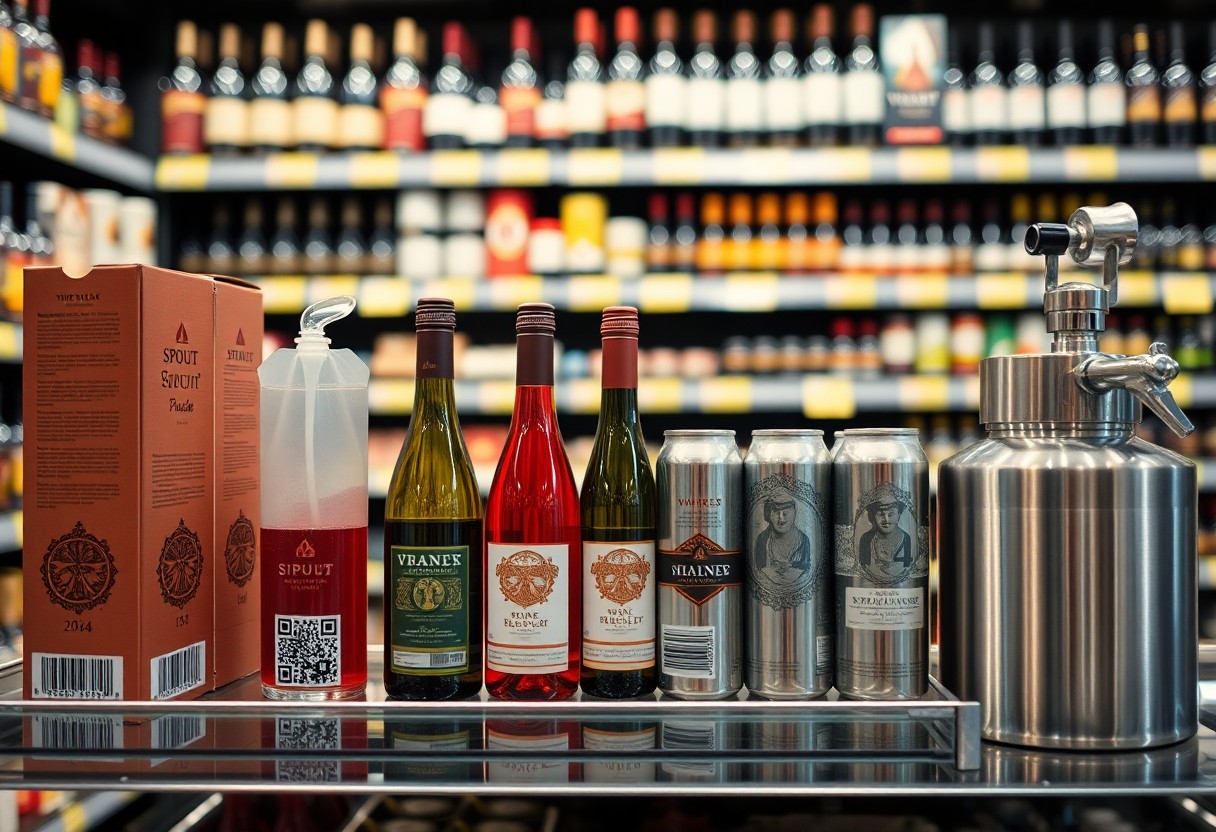
Innovations in Wine Packaging
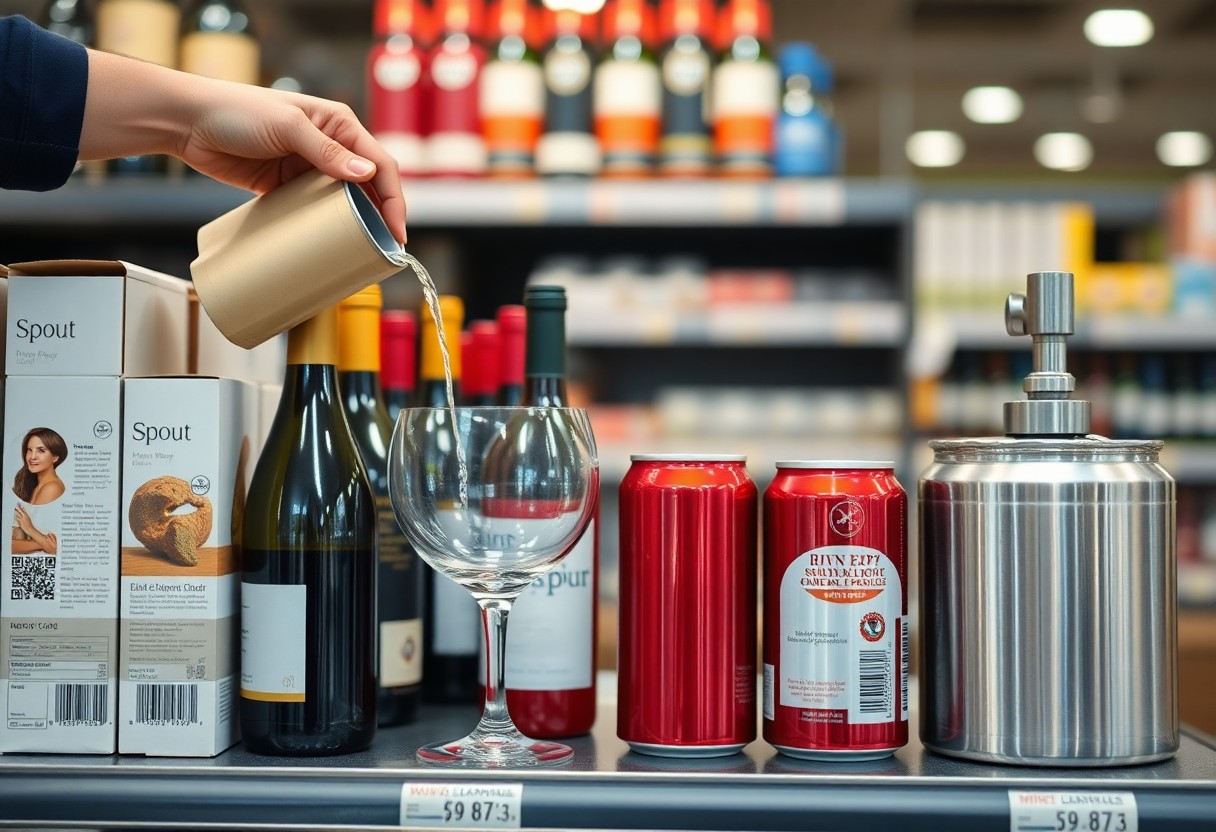
You’re seeing a rapid shift to cans (typically 250-375 ml), 3L bag‑in‑box formats (equal to four 750 ml bottles) and lighter glass, as producers cut bottle weight by about 20-30% to lower transport emissions and costs; at the same time you should watch for single‑use plastic risks when brands adopt PET or non‑refillable systems.
Convenience and Sustainability
You benefit from formats that fit modern life: canned wine is portable for festivals and hiking, bag‑in‑box keeps wine fresh and typically preserves wine for up to four weeks after opening, and refill stations plus returnable kegs help reduce landfill impact; brands like Underwood and several cooperative wineries now offer these options to cut packaging waste and retail price per liter.
Design Trends
You’ll notice labels moving toward bold typography, matte and tactile finishes, artist collaborations and interactive tech: 19 Crimes’ augmented‑reality labels from Treasury Wine Estates proved that digital overlays can deepen storytelling and sales, while poor thumbnail legibility on ecommerce listings poses a real risk to shelf visibility.
You should optimize packaging for both physical and digital discovery: use high‑contrast logos, clear varietal cues, and include QR codes or AR triggers that link to tasting notes or provenance videos; case studies like 19 Crimes show how AR drives engagement, and tactile finishes plus limited‑edition runs let you command a premium while keeping packaging functional for shipping and reuse.
The Growth of Wine Experiences
Wineries have shifted from static retail to immersive offerings: you can join harvest weekends in Napa, Tuscany, or Rioja during September-October, book private barrel tastings for groups of 6-12, or stay overnight in converted cellars. Typical tasting fees range from $10-$75, and many venues require reservations-book in advance. Tastings often encourage spitting to manage alcohol, so use spittoons and avoid driving afterward.
Wine Tourism
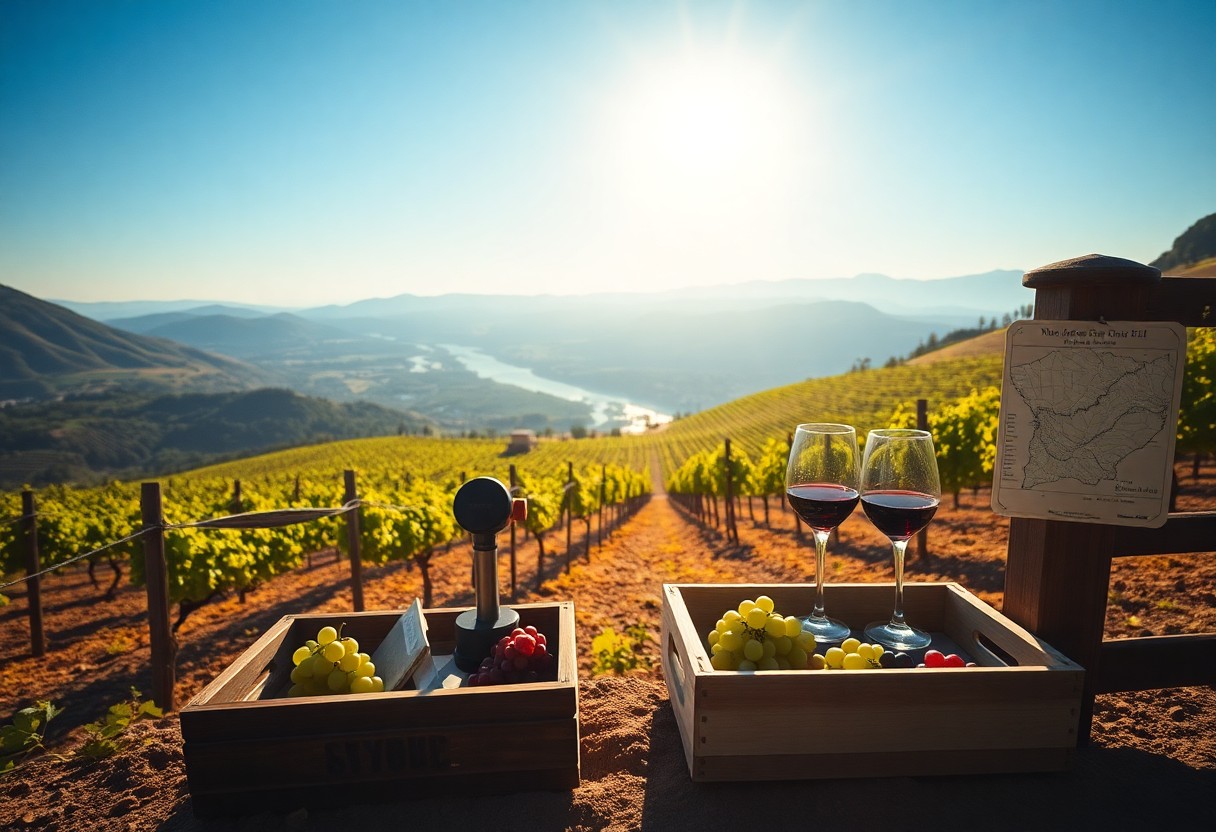
Regions package mapped wine routes-Napa Valley, Rioja Alavesa, and Burgundy commonly feature loops of 10-30 wineries; you can choose self-drive, guided vans, cycling tours, or hot‑air balloon options. Day tours usually visit 3-5 estates and cost $75-$250 depending on transport and meals. Carry valid ID, check harvest windows, and book peak‑season slots months ahead to secure the experiences you want.
Tasting Events and Education
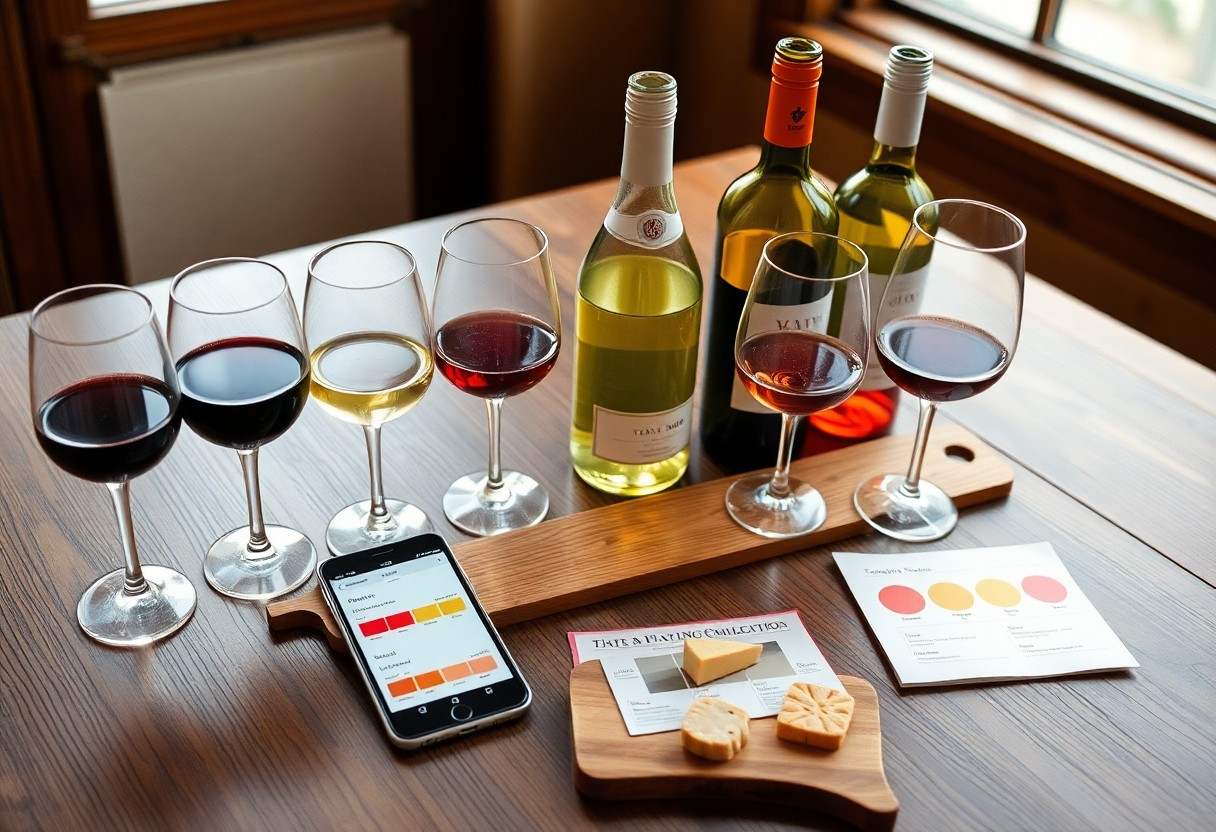
You’ll find events from pop-up bars to formal courses: vertical tastings, comparative flights, and programs from WSET or the Court of Master Sommeliers. Typical sessions last 60-120 minutes with 6-12 samples, aroma exercises, and guided blind tastings-practice note-taking and blind tasting to improve quickly. Fees often range $40-$200 depending on rare bottles and guest educators.
Smaller workshops focus on technique with groups of 8-16, aroma kits, and comparative flights that teach acid, tannin, and oak influence; a common structure is weekly classes with 6-8 samples culminating in an exam, offering a recognized credential that sharpens label literacy and service skills. Pace yourself and use spitting options during intensive tasting days to manage consumption safely.
Conclusion
Now you see wine trends reshape daily drinking: lower-alcohol and natural wines inform your choices, sustainable and local production guide your purchases, alternative packaging makes wine more convenient, and data-driven recommendations tailor bottles to your taste. These shifts change how you pair, pour, and shop, making wine more accessible, varied, and aligned with your lifestyle and values.
FAQ
Q: What major changes in taste and preferences are shaping what people drink daily?
A: Drinkers are favoring lighter, fresher styles-rosé, sparkling and low‑tannin or chilled reds-alongside a growing appetite for lower‑ABV and nonalcoholic options. Interest in natural, organic and regionally distinctive wines has increased, and younger consumers are driving experimentation with new varietals, hybrid grapes and alternative formats like cans and single‑serve bottles.
Q: How are producers, retailers and bars adapting to these wine trends?
A: Wineries adjust by earlier harvests, new blends and techniques to reduce alcohol and emphasize fruit and acidity; many adopt sustainable, organic or biodynamic practices and certify provenance. Retailers expand canned, boxed and low‑alcohol selections, offer curated subscriptions and emphasize storytelling and labeling transparency; bars create spritzes and low‑ABV pours and rotate smaller, local producers to meet demand for variety and convenience.
Q: How do these shifts affect everyday drinking habits and buying choices?
A: Daily drinking is becoming more occasion‑based and flexible-people choose wines for daytime socials, ready‑to‑drink moments and lighter meals, not just formal dinners. Shoppers prioritize ABV, origin and production practices, buy more online or by subscription, and trade bulk quantity for quality or novelty; overall consumption patterns show more frequent, lower‑strength servings and greater variety per household.