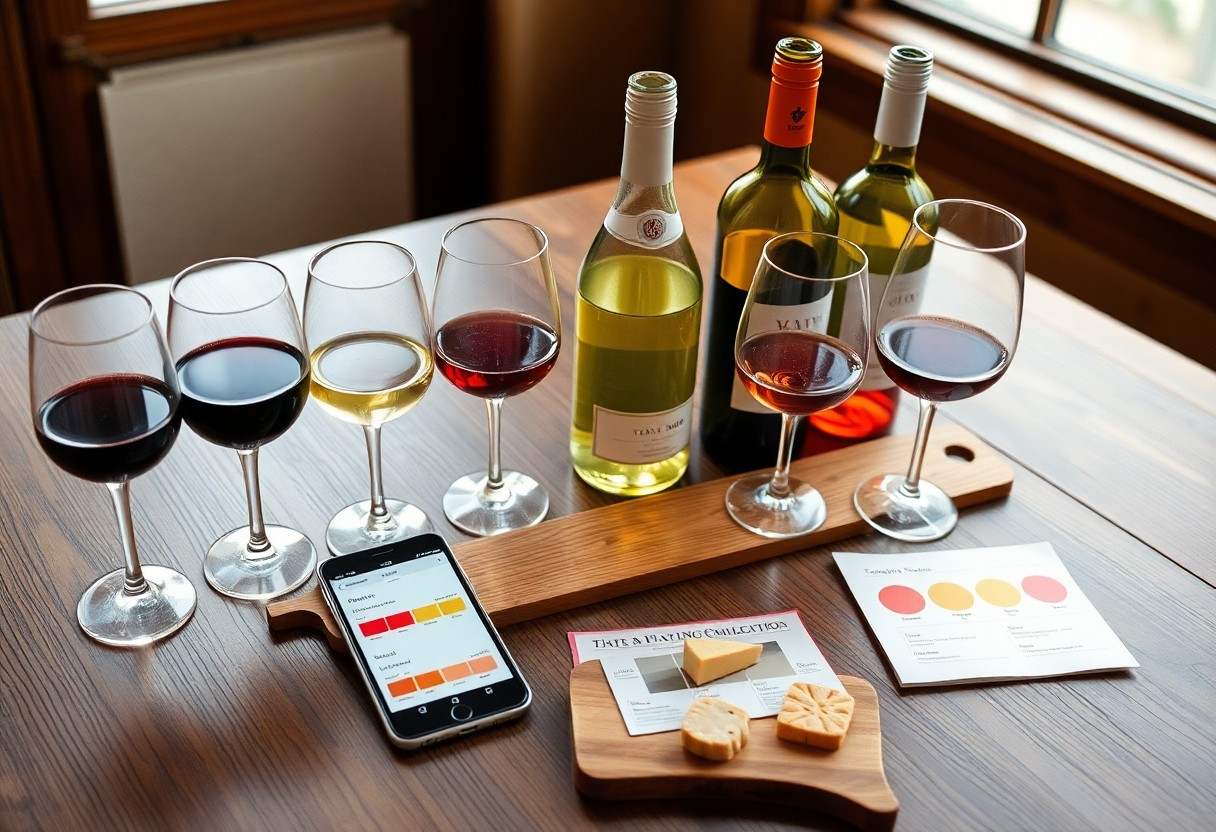
Overwhelmingly, your best everyday wine choices come from simple rules: set a clear budget, favor reliable regions and varietals, and avoid paying extra for prestige labels that add price but not taste. You should taste for yourself at tastings, ask staff questions, and watch for bottles with balanced acidity and alcohol. Prioritize consistency over trends, beware flashy marketing that can lead you to overspend, and build a few go-to producers you trust.
Key Takeaways:
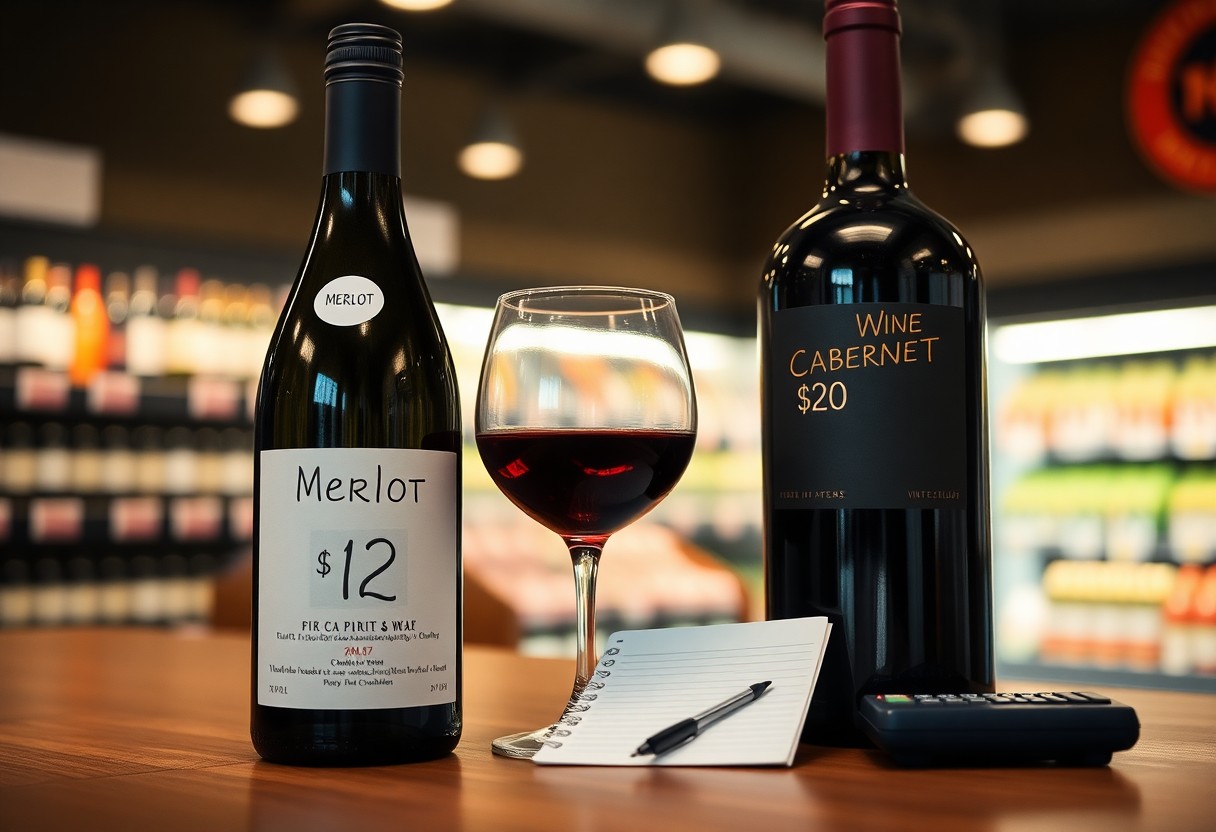
- Focus on reliable producers and consistent styles rather than chasing top labels-target the $10-20 range for best everyday value.
- Seek lesser-known regions and grape varieties for better quality-per-dollar, and use staff recommendations or recent reviews to narrow choices.
- Shop smart: buy on sale, try single bottles or mixed packs before committing, and choose versatile, food-friendly wines to avoid waste.
Understanding Wine Basics
Wine Types and Categories
You’ll find five practical categories for everyday shopping: reds, whites, rosés, sparkling and fortified, each with typical grapes, styles and price ranges-many reliable bottles sit in the $8-$20 band and show 12-14% ABV.
- Red – Cabernet, Merlot, Pinot Noir
- White – Chardonnay, Sauvignon Blanc, Riesling
- Rosé – Provençal-style, dry
- Sparkling – Champagne, Cava, Prosecco
- Fortified – Port, Sherry
Thou should focus on style and ABV to match food and budget when you choose bottles.
| Type | Typical traits / examples |
| Red | Full-bodied (Cabernet, 13-15% ABV), medium (Merlot), light (Pinot Noir) |
| White | Crisp (Sauvignon Blanc), oaked (Chardonnay), aromatic (Riesling) |
| Rosé | Dry, low tannin, summer pairing, $8-$18 bottles |
| Sparkling | Extra Brut/Brut (~0-12 g/L RS), food-friendly, celebratory |
| Fortified | Higher ABV (17-20%), dessert or aperitif, long shelf life |
Key Wine Terminology
You should learn short terms that appear on labels and tasting notes: tannin (skin-derived bitterness/drying), acidity (freshness, pH ~3.0-3.8), body (light/medium/full), residual sugar (g/L) and ABV (alcohol %). These let you compare bottles quickly and spot value in blind tastings or store shelves.
For practical use, note that many everyday reds run 12-14% ABV while fortifieds hit 17-20% ABV, and Rieslings can range 0-80 g/L RS-Brut sparkling usually sits near 6 g/L. You should taste for tannin as a drying guardrail and watch for high alcohol (>14%) if you prefer lighter effects.
Factors to Consider When Selecting Wine
When choosing an everyday bottle you should weigh body, acidity, sweetness and tannins; lighter whites like Sauvignon Blanc (11-13% ABV) suit salads, fuller reds such as Cabernet Sauvignon (13-15% ABV) handle grilled meats, and New World fruit-forward styles hide minor food mismatches. Check region and vintage for consistency-Rioja Reserva can vary year to year. Any simple test: if it fits your meal and your budget, buy two bottles.
- Grape variety
- Region
- Vintage
- Body
- Acidity
- Sweetness
- Tannins
- Alcohol
- Price
- Pairing
Price Range Guidelines
You can reliably find quality everyday wines in the $8-$15 band; many retailers stock dependable blends and supermarket labels there. When you’re entertaining, step up to $15-$30 for more complexity-aged Rioja Crianza or a Chilean single-vineyard Pinot often appear in that range. Buying by the case (6-12 bottles) typically trims about 10-20% per bottle. Test three bottles, then stick with the producer that consistently pleases you.
Occasion and Pairing Considerations
Match the bottle to the event: you should choose light, crisp options like Sauvignon Blanc or Gamay for picnics and weeknight meals, and pick sparkling Prosecco or a fruit-forward Zinfandel for parties. Heavier dishes need structure-tannic Cabernet or Syrah works well-while casual gatherings benefit from approachable, low-intervention wines. Keep serving logistics and temperature in mind so the wine complements the setting rather than clashes.
When you’re pairing, let acidity cut richness-pair a dry Riesling or Sauvignon with fatty fish and shellfish; match tannins to protein by choosing a Cabernet or Syrah for grilled steak. Sweet wines such as late-harvest Riesling handle spicy Asian dishes. Serve whites at 7-10°C, rosés at 8-12°C, and reds at 15-18°C to reveal balance and aroma.
Tips for Discovering Good Value Wines
Target producers and styles known for consistent quality at lower prices-seek value wines and reliable everyday wine picks in the $8-$20 band, and use staff recommendations and tasting notes to compare vintages; consult resources like Need to Find High-Quality Wine on a Budget? Here’s How. After you narrow options, buy a single bottle to test before committing to a case.
- Check for recent vintages and producer consistency to find value wines.
- Prioritize blends and lesser-known grapes for budget-friendly quality.
- Watch for store promotions and mix-and-match case discounts on everyday wine.
- Avoid paying a premium for flashy labels; price-to-quality often favors modestly priced bottles.
Exploring Lesser-Known Regions
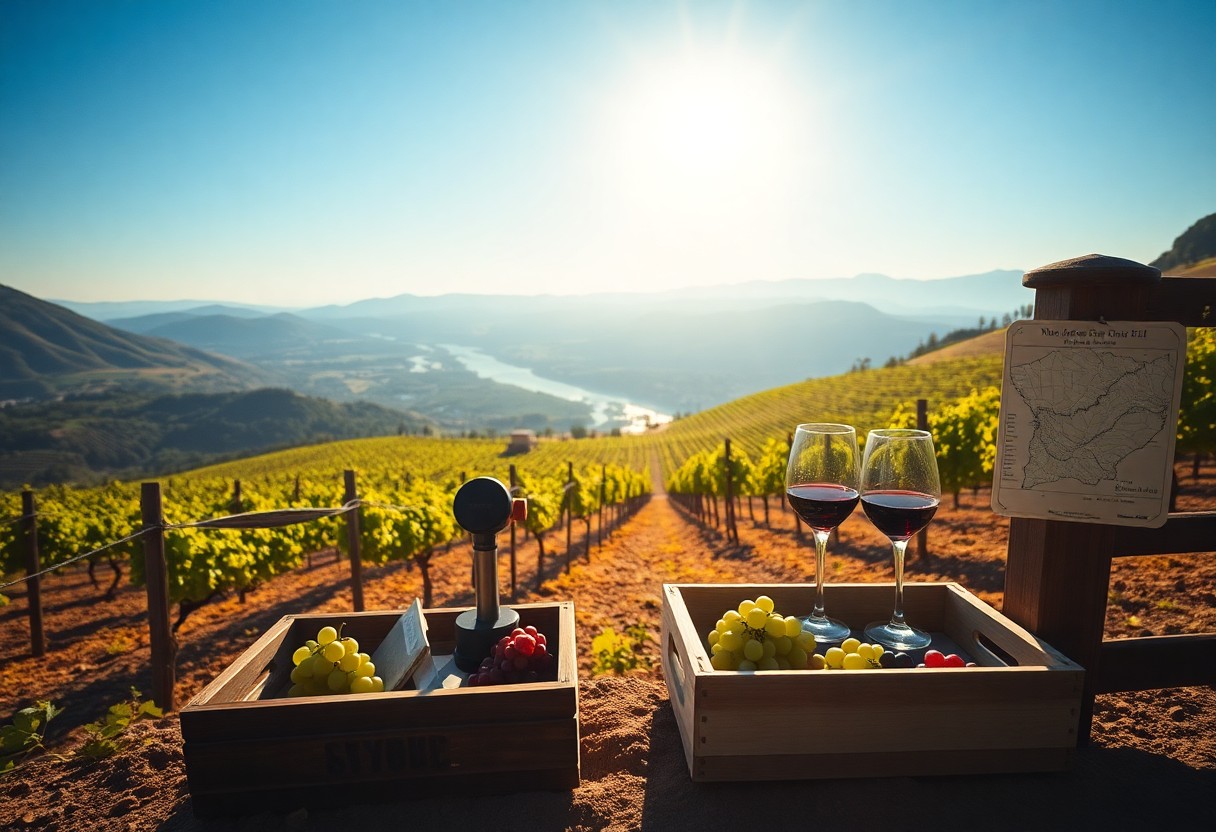
You should scout regions like Portugal’s Vinho Verde and Dão (good whites and approachable reds for $6-$15), Spain’s Jumilla and Navarra for hearty reds under $12, and southern Italy’s Puglia for ripe, affordable reds; these areas often deliver value wines with distinctive character because land and labor costs are lower, letting you get quality without the prestige markup.
Utilizing Wine Ratings and Reviews
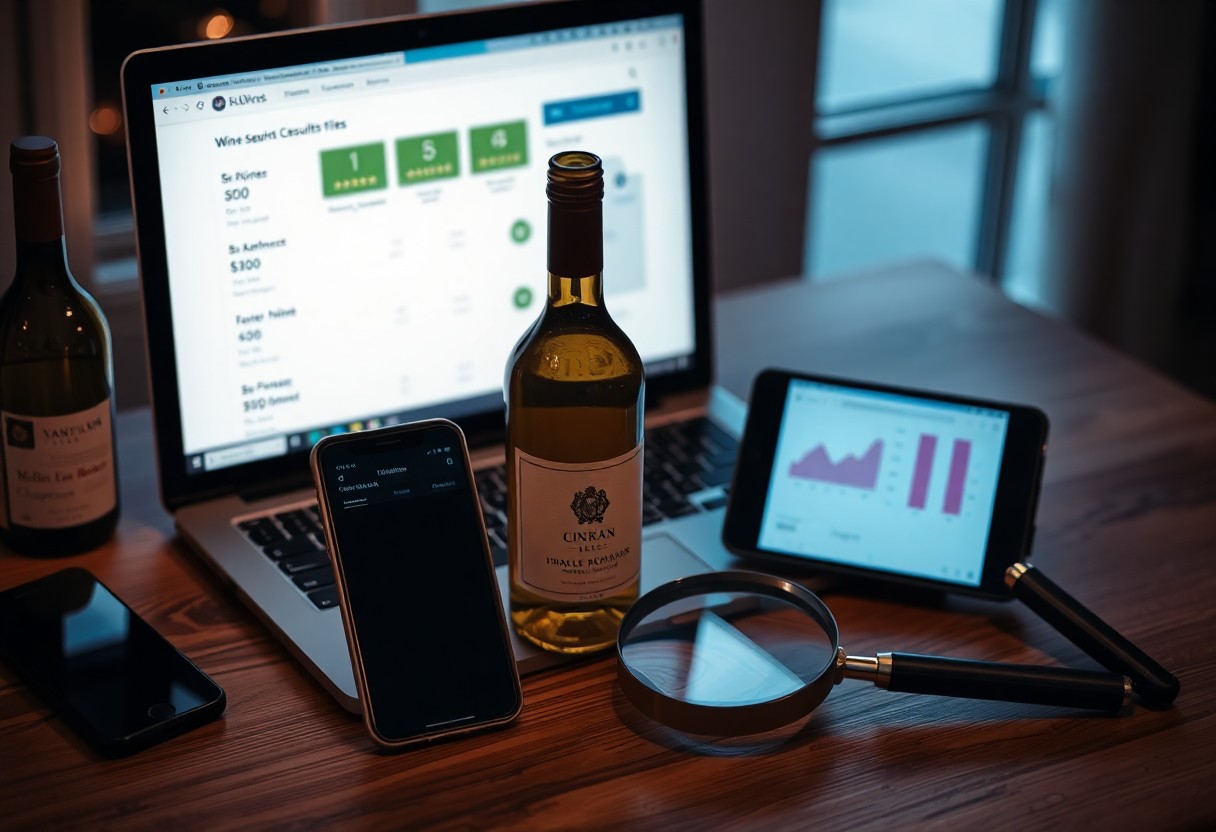
Use ratings as a filter: target wines scoring around 88-92 points for strong value, and compare user reviews on Vivino and pros on Wine Spectator or Decanter to spot consistent praise; weigh the score against the price to avoid overpaying for marginal gains while shopping for everyday wine.
Dive deeper by calculating a simple price-per-point: divide the bottle price by its score (e.g., $12 ÷ 90 = $0.13/point) and compare similar styles-values under ~$0.15/point often indicate a bargain. Also cross-check tasting notes for descriptors you like, watch for small-producer gems that critics praise repeatedly, and be cautious when scores lack sample size, since single reviews can skew perceived quality.
Shopping Strategies for Everyday Wines
Where to Buy Wine
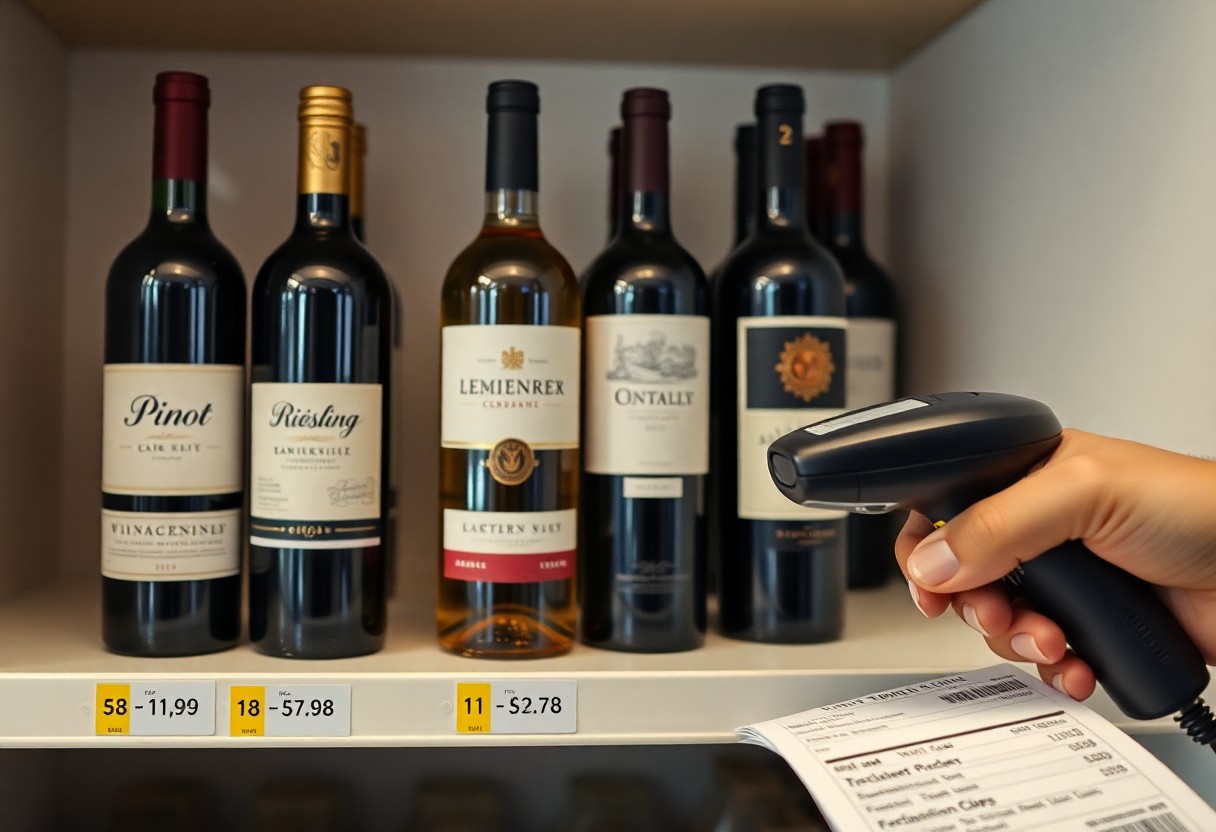
You’ll get the best everyday value by mixing sources: big-box retailers like Costco and Trader Joe’s often offer low markups on $8-$15 bottles, while specialty stores give curated picks and staff tasting notes you can trust. Online shops such as Wine.com and apps like Vivino or Wine-Searcher let you compare prices and reviews quickly, but be aware of state shipping restrictions. Also visit winery tasting rooms for direct deals and small-batch finds you won’t see in stores.
Seasonal Sales and Discounts
Hunt sales around major holidays and season starts-Black Friday and post-holiday January clearances, spring rosé promos (May-July) and fall harvest releases often drop prices by 15-40%. You can score reliable everyday bottles like Rioja or Côtes du Rhône in the $8-$12 range during these windows. Combine store coupons with case discounts to stretch your budget further.
Sign up for retailer mailing lists and loyalty programs to get early access and stackable coupons; many shops offer an extra 10-15% off when you buy six bottles. Use Wine-Searcher price alerts and compare unit price per liter rather than per bottle. Check vintage and storage history before you buy a discounted lot, and factor in minimums and shipping fees so the deal truly saves you money.
Tasting and Enjoying Wine
When you taste for everyday enjoyment, focus on practical cues: serve whites at 45-55°F (7-13°C) and reds at 55-65°F (13-18°C), use a tulip or ISO glass to concentrate aromas, and give young reds 20-40 minutes to breathe while older bottles need gentler handling. Pair by weight-light-bodied Pinot Noir with salmon, fuller Cabernet with grilled steak-and watch alcohol; wines above 14.5% will feel hotter and can overpower food and subtle flavors.
Proper Wine Tasting Techniques
Start by examining color and rim to judge age and concentration, then swirl to release volatiles and take a quick 3-5 second sniff for primary aromas (fruit, floral), followed by a controlled sip that coats your mouth for 2-3 seconds to assess acidity, tannin, body and finish. Spit if evaluating many wines, rinse with water between samples, and note finish length in seconds-longer finishes often signal higher quality.
Assessing Wine Quality
Quality rests on balance among acidity, tannin, sweetness and alcohol plus absence of faults like cork taint (TCA), oxidation or volatile acidity; typical balanced table wines sit around pH 3.2-3.6 and 12-14% ABV, while wines above 14.5% ABV can taste unbalanced. You should expect clarity of flavors, evolving aromas over time, and a finish whose length and complexity match the wine’s style and price point.
For a practical check, compare examples: a well-made 2015 Chianti Classico will show high acidity, 12.5-13.5% ABV, firm tannins and a finish of 10-20 seconds, while a 2018 California Zinfandel often reads as 14-15% ABV with jammy fruit and softer tannins-judge which profile aligns with quality for its style. Also use sensory cues: a developing second or third aroma reappearing after 30-60 seconds indicates complexity, and gritty or drying tannins suggest structure that may improve with age or decanting.
Building Your Wine Collection
Balance everyday value picks with a few age-worthy bottles; start with 12-24 bottles so you have variety without overspending. Aim for roughly 70% drink-now wines (under $15) and 10-20% cellar candidates like Rioja Reserva or mid-tier Napa Cabernet. Store them near 55°F if possible, and avoid sustained heat above 70°F, which can irreversibly damage wine.
Starting a Wine Cellar on a Budget
Use affordable options: a compact wine fridge runs about $150-$400, while DIY racks from an IKEA Kallax or wooden crates cost under $100. Buy in six- or 12-bottle cases to save 10-15%, and target solid value regions-Argentina Malbecs and Spanish Tempranillo often land in the $8-$15 range.
Rotating and Enjoying Your Selections
Adopt a simple rotation: mark vintages and use FIFO for everyday bottles, aiming to drink ~70% within two years while letting 10-20% age. Keep a tasting log with dates and scores; Rioja Reserva typically rewards 5-10 years, while most inexpensive reds peak within 1-3 years.
Schedule reminders every three months to pull older bottles and open at least one maturing wine monthly; this prevents over-aging and keeps you tasting progress. Watch for swollen corks or a vinegar aroma = spoiled, store bottles on their side with humidity near 60%, and label opened bottles with dates to track freshness.
Conclusion
The easiest approach is to set your price limit, learn a few dependable grapes and regions, and judge wines for balance and freshness; ask shop staff or use brief reviews, sample small bottles or mixed cases, and when you find a favorite buy multiples to lock in value-this way you enjoy good daily wine without overspending.
FAQ
Q: How do I set a practical budget for everyday wine and avoid overspending?
A: Decide on a regular per-bottle range you’re comfortable with – many people find $8-$15 (or local equivalent) delivers consistently good options. Look for multi-bottle discounts, mixed-case deals, and store-brand or private-label wines that are produced specifically for value. Consider boxed wine or larger-format bottles for frequent use; quality has improved and price-per-glass drops substantially. When you find a bottle you like, buy two or three at a time to lock in the price and avoid repeat searching.
Q: Which grape varieties and regions offer the best value for everyday drinking?
A: Seek regions known for quality at lower price points: Spain (Tempranillo, Garnacha), Portugal (Douro, Vinho Verde), Argentina (Malbec), Chile (Cabernet Sauvignon, Sauvignon Blanc), South Africa (Chenin Blanc, approachable reds), and southern Italy (Nero d’Avola, Montepulciano). For blends, look to Côtes du Rhône-style reds and GSM (Grenache-Syrah-Mourvèdre) blends from value appellations. For whites, unoaked or lightly oaked styles – Sauvignon Blanc, unoaked Chardonnay, Vinho Verde, and Chenin Blanc – deliver freshness and food-friendliness without high oak-driven prices.
Q: What practical shopping and tasting tips help ensure a good everyday bottle?
A: Ask for staff recommendations and taste samples when available; describe foods and occasions so they can match style and value. Check the label for vintage (avoid very warm vintages for cheap wines that may taste flabby), alcohol level (13-14% often balances body without excess heat), and closure – screwcaps frequently indicate freshness at lower prices. Use apps and trusted review sources to find consistently rated producers rather than chasing single-scoring hype. If a young red is tannic, decant briefly; chill light reds and whites appropriately. Store purchases upright short-term and cool/dark long-term only if you plan to keep bottles for months. When you like a wine, buy multiple bottles to spread tasting risk and cost per use.