With a little wine knowledge, you navigate menus, spark smarter conversation, and elevate gatherings by suggesting pairings that please diverse palates. By understanding styles and regions you build confidence in recommendations, deepen connections through shared discovery, and avoid awkward or wasteful choices; you also learn limits to prevent overindulgence so social evenings stay enjoyable and safe.
Key Takeaways:
- Provides natural conversation openers and deeper topics, moving discussions beyond small talk.
- Sharing tasting notes and pairing tips creates common experiences that build rapport among guests.
- Informed wine choices and simple serving guidance elevate hospitality and help accommodate varied preferences.
The Role of Wine in Social Settings
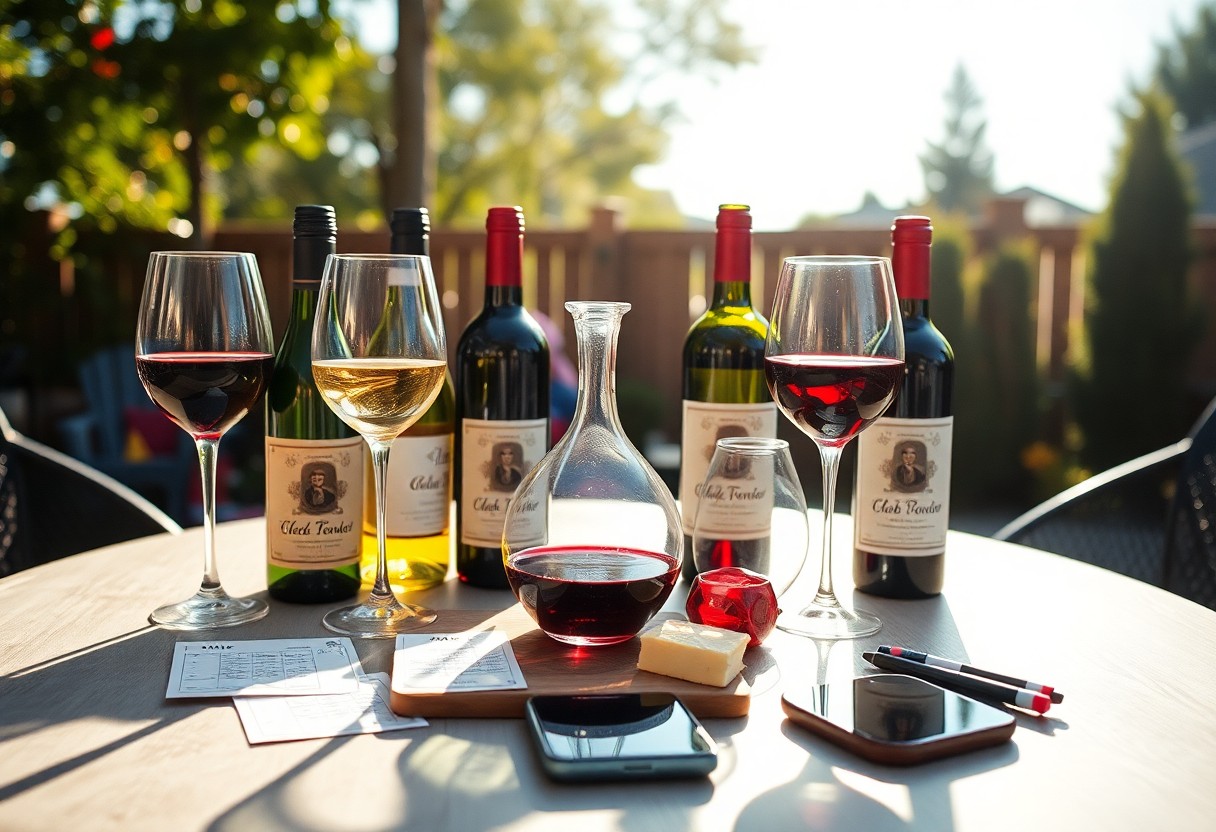
You see wine act as a social signal that frames gatherings: sharing a bottle prompts storytelling, invites opinions on terroir, and gives structure to meals-think Italian aperitivo (typically 6-9 pm) or Spanish tapeo. Archaeology shows winemaking back to about 6000 BCE in Georgia, so the practice ties you into deep cultural continuity; at the same time, you should note that overuse can impair judgment and safety, so pacing is part of hosting well.
Historical Significance of Wine in Culture
You trace wine’s social role from ancient rituals and Roman conviviums to modern rites: Christianity uses wine in the Eucharist, Greek symposiums organized debate around cups, and Roman banquets codified etiquette. Evidence of production around 6000 BCE in the South Caucasus shows long-term cultural embedding, and examples like France’s appellation system illustrate how wine encodes geography, law, and identity you can use as conversational anchors.
Wine as a Social Lubricant
You experience lowered social barriers after a glass because alcohol affects inhibition; a typical serving (~125-150 ml at 12-14% ABV) alters mood and increases talkativeness. Keep in mind that your body metabolizes roughly one standard drink per hour, and legal limits for driving usually sit between 0.05-0.08% BAC. Use wine knowledge to steer chat-grape, region, vintage-while watching consumption to avoid the danger of overindulgence.
You can apply simple tactics to preserve the benefits of wine as a lubricant: sequence lighter whites before fuller reds, offer water and snacks to slow absorption, and pour smaller 125 ml glasses to promote pacing. Hosts who limit pours to about one glass per person per hour keep conversation lively without escalation; for example, serving a 12% ABV Pinot Grigio, then a 14.5% Syrah, gives variety while letting positive social connection flourish and reducing the risk of intoxication.
Enhancing Conversations with Wine Knowledge
You can lift a casual chat into something memorable by dropping specific references – mention the 2015 Bordeaux for its ripe tannins, note typical wine ABV ranges of 12-15%, or compare a mineral-driven Chablis to an oaked California Chardonnay. Citing one or two vintages or producers gives your points weight, and pointing out health notes like the CDC guideline of 1 drink/day for women, 2 for men keeps the discussion responsible.
Topics to Discuss: Wine Varieties and Regions
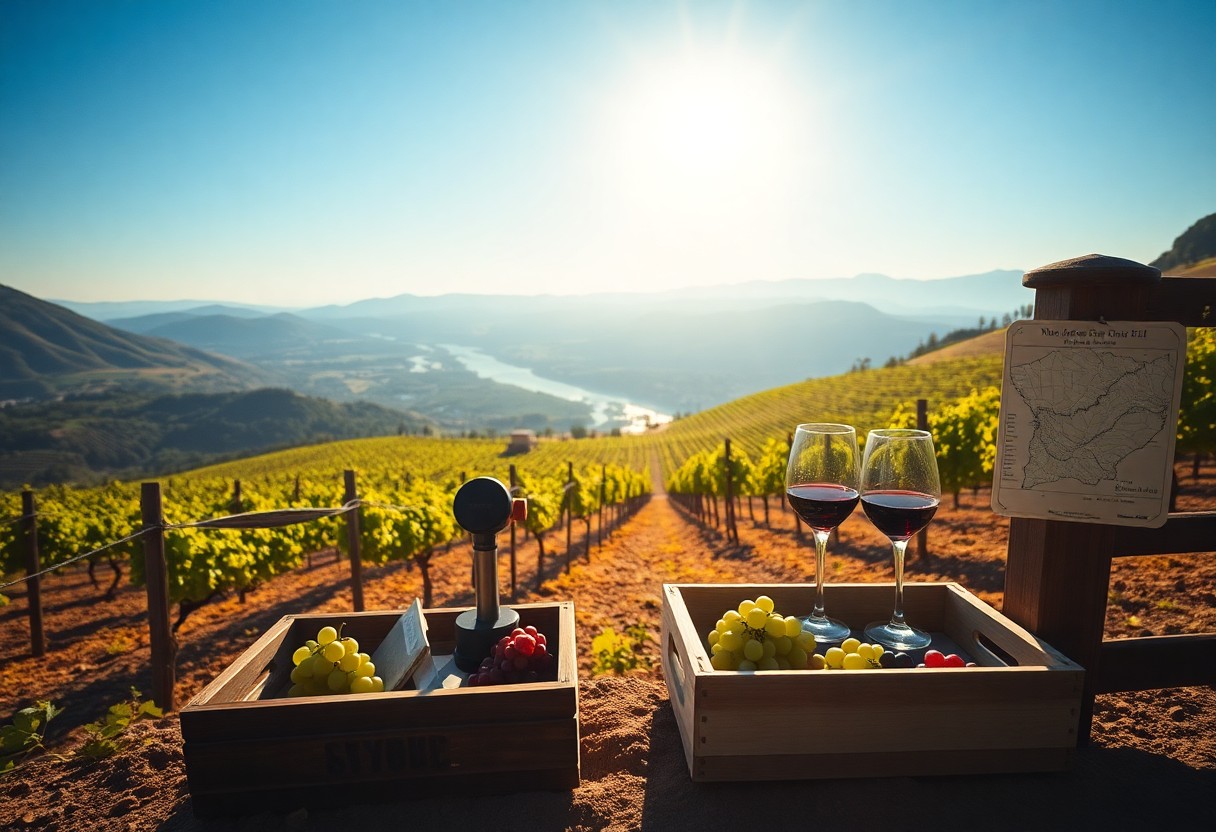
Bring up clear contrasts: explain that Bordeaux blends lean on Cabernet and Merlot while Burgundy focuses on Pinot Noir and Chardonnay, note Argentina’s Mendoza for Malbec and Spain’s Rioja for Tempranillo. You can reference production facts (e.g., Napa Cabernets often run 14-15% ABV) and encourage guests to compare terroir-driven traits like acidity, minerality, and oak influence.
The Art of Wine Tasting: Engaging Others
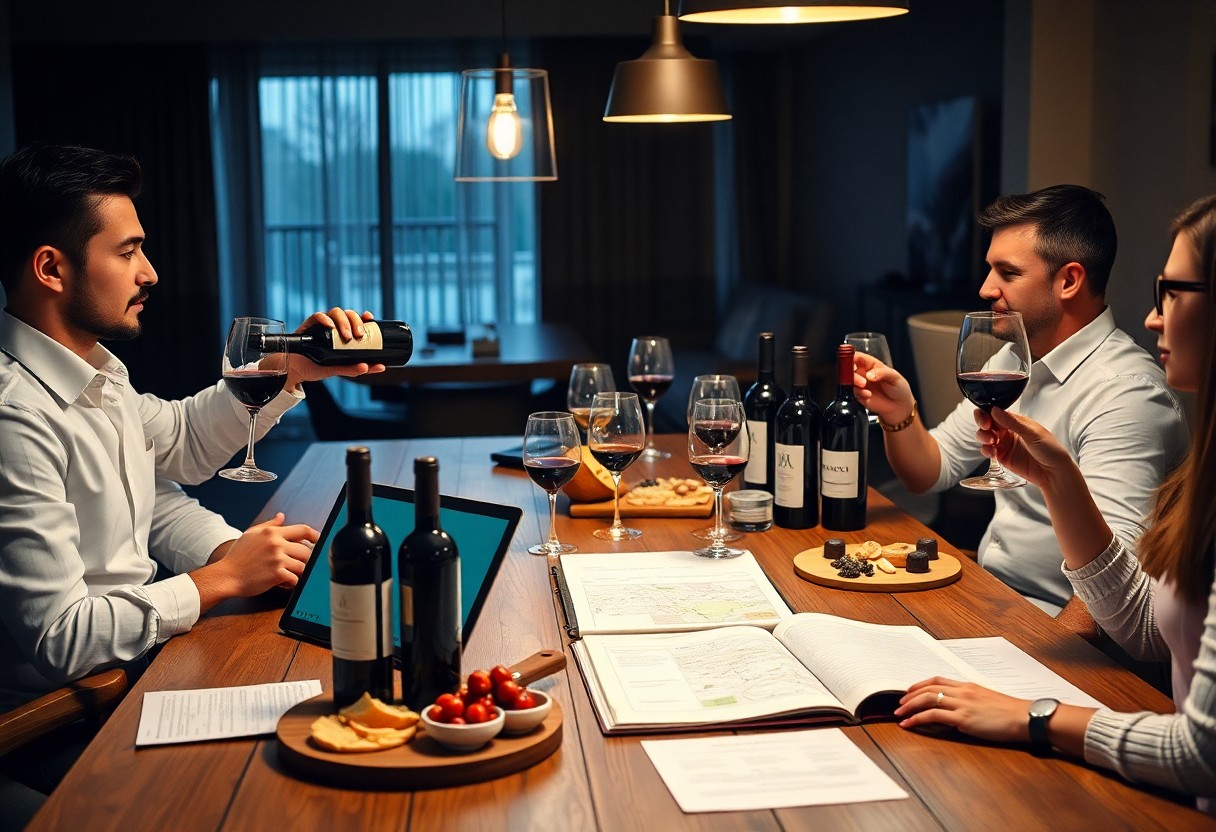
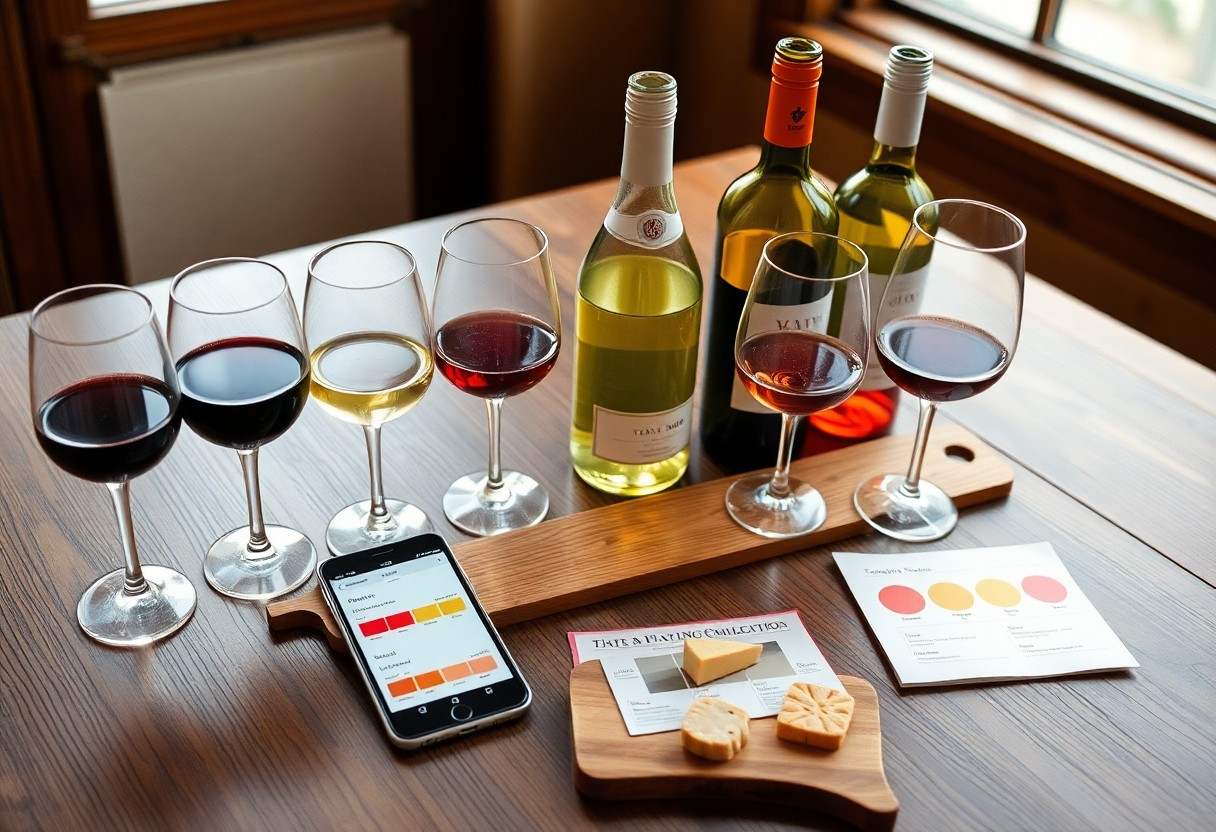
Guide people through four simple stages-look, swirl, sniff, sip-and use tasting pours of about 25-30 mL so everyone can sample multiple wines without overindulging; offer a spit bucket and emphasize moderation. Pose focused prompts like “describe the finish in seconds” or “compare fruit intensity,” which turns passive sipping into interactive observation and debate.
Set a concise tasting structure: pick a theme, limit flights to 3-5 wines, serve whites at 8-12°C and reds at 15-18°C, and provide plain crackers or water as palate cleansers. Encourage notes on acidity, tannin, body and finish, and use a blind pairing or simple scorecard to boost participation and honest reactions.
Pairing Wine with Food: Elevating Gatherings
Basics of Food and Wine Pairing
Balance weight and flavor: match light-bodied wines like Pinot Grigio or Sauvignon Blanc with seafood and salads, pair Pinot Noir with roast chicken, and choose a Cabernet Sauvignon for grilled steaks. Use three rules-match weight, complement or contrast acidity, and mirror sweetness-and test pairings (e.g., off-dry Riesling with spicy Thai) to see which combos your guests prefer.
- Acidity
- Tannins
- Sweetness
- Thou balance intensity of wine and dish to satisfy your guests.
Hosting Tips for Wine and Dine Events
Control service variables: chill whites to 7-12°C, light reds to 13-15°C and big reds to 15-18°C; decant robust wines for 30-60 minutes and older bottles for shorter aeration. Portion at about 120-150 ml per pour, and plan roughly one bottle per two guests for a two-hour gathering so you don’t run short during peak conversation.
- Temperature
- Decanting
- Pour size
- Thou plan at least one white, one red, and one sparkling to cover mixed preferences.
Sequence tastings from light to full-bodied-offer 3-4 wines per flight so guests can discern differences without tiring the palate; provide simple palate cleansers like bread and water, and label each bottle or use tasting cards with vintage and region information. You should supply appropriate glassware (white and red stems plus a flute for sparkling) and discreet spittoons if you expect serious tasting, which keeps everyone comfortable and engaged.
- Tasting order
- Glassware
- Palate cleansers
- Thou offer clear tasting cards and visible labels so your guests can follow along confidently.
The Psychological Impact of Wine
Wine and Mood Enhancement
You can notice mood shifts after a single 150 ml (5 oz) glass; alcohol amplifies GABA and dopamine activity, often producing relaxation within 20-30 minutes for many people. Red wine’s polyphenols, like resveratrol, appear in preliminary studies to support mood regulation, and tannin and acidity balance influences satisfaction and conversation flow. Pace matters: excessive drinking increases anxiety and impairs judgment, so keep servings and timing intentional to preserve social ease.
Building Community Through Shared Experiences
You build rapport fastest with structured rituals: blind tastings of 4-6 wines or a monthly wine club of 8-12 members create predictable opportunities for storytelling and connection. Hosts who provide tasting sheets, pairings, and prompts see deeper exchange and recurring attendance. Include non-drinkers with appealing alternatives and watch how shared discovery turns strangers into a group.
Try a vertical tasting of three vintages or an Old World vs New World theme, running it with 8-12 people, 4-6 pours, and tasting notes that prompt origin, aroma, and price guesses. Rotate hosts, add a local winemaker visit or producer video to deepen context, and for remote groups ship identical 3-bottle kits before a Zoom tasting. Manage safety by providing water and food, capping pours to three 150 ml (5 oz) glasses per guest, and offering non-alcoholic alternatives to keep the event inclusive and conversational.

Developing Personal Wine Knowledge
As you taste more, practice comparing 3-4 varietals side-by-side to train your palate; try a flight of Pinot Noir, Cabernet Sauvignon, and Syrah to feel differences in acidity, tannin, and body. Keep a notebook or app to log vintages and regions, and consult pieces like How Wine Creates Social Bonds: A Toast to Shared Connections for social context. Avoid overconsumption during multi-wine sessions to protect tasting clarity and safety.
Resources for Learning About Wine
You can accelerate learning with structured resources: explore Wine & Spirit Education Trust (WSET) Levels 1-3 for certification, use Wine Folly and GuildSomm for tasting grids and region guides, and subscribe to Decanter or Jancis Robinson for deep dives. Combine a book like The World Atlas of Wine with tasting apps; this mix gives you both theory and practical tasting tools so your observations become consistent and credible.
Joining Wine Clubs and Tastings
Joining a club or regular tasting gets you curated bottles and context: expect 4-8 wines per tasting and member discounts often in the 10-30% range. Attend vertical tastings to study vintage effects, or horizontal tastings to compare producers; both sharpen your comparative vocabulary. Be mindful of membership fees and pace yourself to avoid alcohol overload at back-to-back events.
Local winery clubs offer cellar access, member-only releases, and dinners, while online clubs like Firstleaf or Winc deliver curated selections to your door; try both to see what fits your goals. When you attend tastings, request producer notes, compare 3-5 vintages for aging insight, and ask hosts about terroir and vinification-this direct questioning builds your ability to explain wine clearly in social settings.
To wrap up
From above, your wine knowledge elevates social gatherings by enabling you to select thoughtful pairings, guide tasting conversations, and create inclusive moments; you prompt engaging questions, decode labels for others, and steer interactions with calm authority so guests feel informed, connected, and more at ease.
FAQ
Q: How does wine knowledge enhance social interactions?
A: Understanding wine gives you a natural conversational bridge and shared focus. You can introduce tasting notes, grape varieties, regions and pairing ideas that invite others to share opinions without pressure. That shared topic reduces small-talk friction, encourages inclusive participation across different interest levels and helps quieter guests contribute through sensory observations rather than performance. It also signals cultural curiosity and hospitality, which raises group comfort and cohesion.
Q: What kinds of conversation topics about wine keep gatherings engaging and accessible?
A: Focus on sensory descriptions, simple stories and practical tips. Ask open questions like which flavors people detect, which wines they associate with travel or celebrations, or what affordable bottles they enjoy. Share short anecdotes about a vineyard visit, a surprising pairing, or a winemaker’s technique to spark interest. Offer approachable facts-basic grape characteristics, why oak or acidity matters, or how serving temperature affects taste-so novices can follow and chime in without feeling intimidated.
Q: How can a host use wine knowledge to improve the atmosphere and flow of an event?
A: Use wine to structure the evening with easy-to-follow tasting sequences (light to full-bodied, dry to sweet) and pairings that match snack courses. Provide brief, friendly guidance on how to taste and compare, and label wines with short notes so guests can self-serve confidently. Strategically place bottles and glassware to encourage movement and mingling, and have a few conversation prompts or tasting cards on hand for quieter moments. Thoughtful pacing and approachable information keep energy up and make socializing feel effortless.