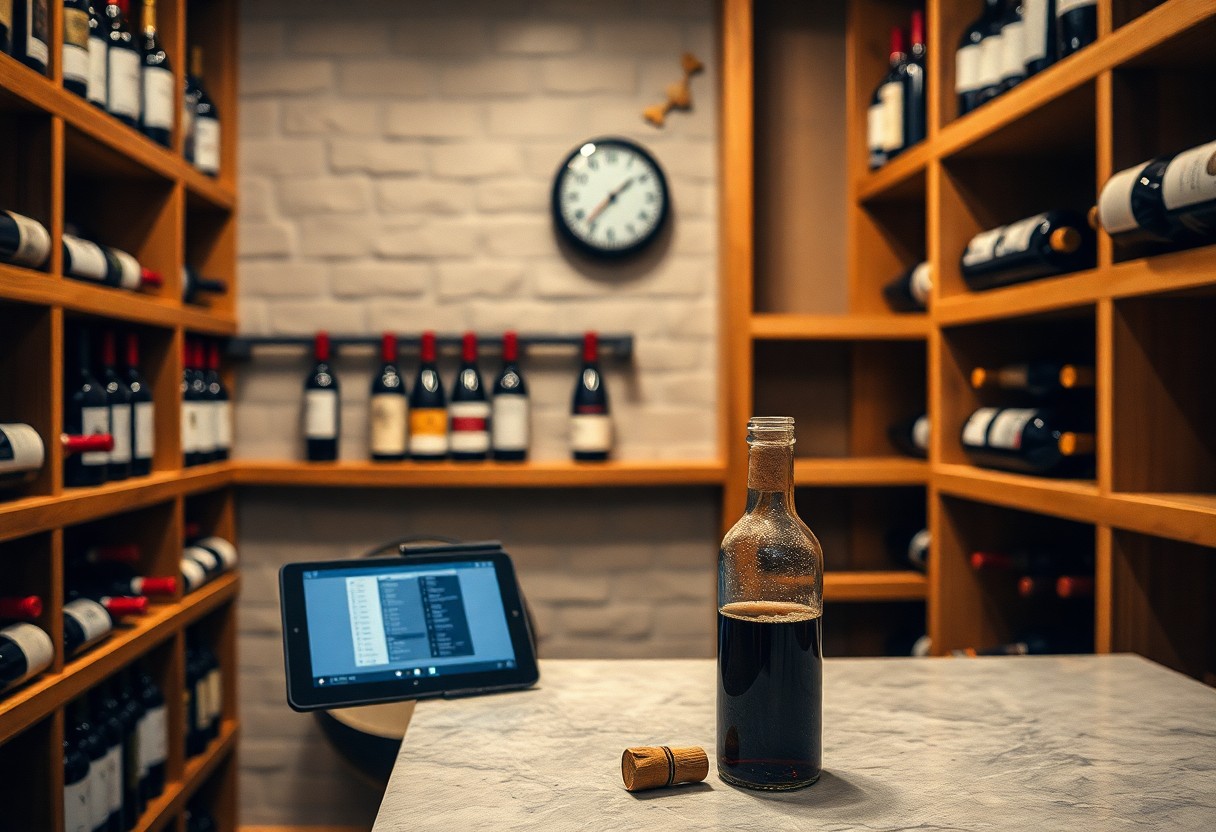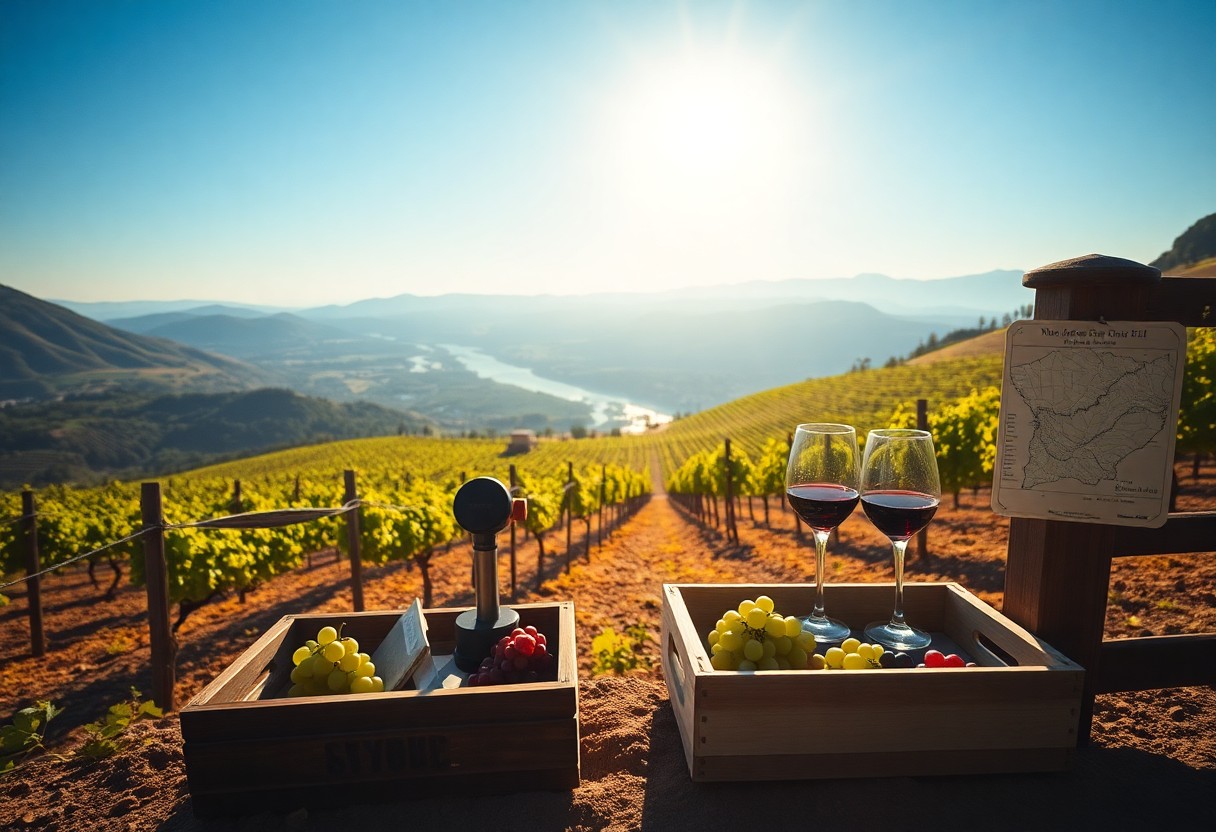
With improper storage, your wine can quickly lose complexity; exposure to heat, light, vibration and wide temperature swings accelerates oxidation and spoils aroma, while dry corks let air in and ruin aging. You can preserve character by keeping bottles cool and stable, in dark, humid conditions, stored sideways for sealed corks, or using a wine fridge for valuable bottles.
Key Takeaways:
- Stable, cool temperature (about 12-14°C / 54-57°F) slows aging; frequent temperature swings accelerate oxidation and dull aromas.
- Moderate humidity (~60-70%) preserves cork integrity-dry conditions let corks shrink and invite oxidation, while excessive humidity risks mold.
- Protect bottles from light and vibration; UV exposure and movement cause premature aging and off‑flavors, so store horizontally in a dark, still place.
The Chemistry of Wine
You see wine as a living solution: its alcohol (typically 9-15% ABV), acids (pH ~2.9-3.9), phenolics and dissolved gases interact constantly. Esters form and break, tannins polymerize, and oxidation alters color and aroma; storage speed determines whether those changes enhance or degrade a bottle. Small temperature increases speed reactions – the rate roughly doubles every 10°C – so your cellar choices directly shape a wine’s trajectory over years.
Understanding Wine Components
You should track the main players: water (~85% of volume), ethanol (provides body and acts as solvent), acids (tartaric, malic, lactic set freshness), phenolics (tannins, anthocyanins give structure and color) and sulfur dioxide (antioxidant/antimicrobial, often 25-50 mg/L). Yeast-derived esters deliver primary fruit aromas while polymerization and oxidation shift those aromas into tertiary notes as the wine ages under your care.
Key Wine Components
| Water | ~85% of volume; dilutes solutes and influences mouthfeel |
| Ethanol | 9-15% ABV; adds body, affects volatility of aroma compounds |
| Acids | Tartaric/malic/lactic; pH ~2.9-3.9; preserve freshness and balance |
| Phenolics | Tannins and anthocyanins; provide structure, evolve with age |
| Sulfur dioxide (SO₂) | Commonly 25-50 mg/L free; protects against oxidation and microbes |
The Role of Temperature
You must control temperature because it governs chemical kinetics and closure behavior. Aim for a stable long-term range of 10-13°C with fluctuations under ±3°C. Exposures above 25°C accelerate aging, darken color and drive ester loss; frequent swings pump corks and allow oxygen ingress. Treat heat spikes from sunlight or heating ducts as the most damaging events to your bottles.
You can quantify impacts: reaction rates roughly double per 10°C rise, so a cellar at 20°C ages wines about twice as fast as one at 10°C. In practice, white varietals lose primary fruit aromatics noticeably within 2-3 years at higher temps, while sturdy reds may soften too quickly and lose tertiary nuance. For long-term aging, you benefit from lower, steadier temperatures to preserve complexity.
Temperature Effects on Wine
| Ideal long-term | 10-13°C with 60-70% humidity; slows chemical aging and preserves aromatics |
| Short-term exposure | Brief spikes to 25-30°C speed ester loss and can push corks, causing seepage |
| Danger threshold | >25°C accelerates deterioration; prolonged heat causes rapid decline |
| Fluctuations | ±3°C or less recommended; larger swings increase oxygen ingress and spoilage risk |
Ideal Wine Storage Conditions
Temperature and Humidity Levels
You should target a steady temperature around 10-14°C (50-57°F), with fluctuations kept to ±3°C; wide swings accelerate premature aging. Aim for relative humidity near 60-70% so corks stay moist-below 50% corks can dry and admit oxygen, above 80% promotes mold. Use a calibrated thermometer and hygrometer, and prefer a dedicated wine fridge or cellar over an attic or heated garage.
Storage Ranges
| Temperature | Humidity |
|---|---|
| Ideal: 10-14°C (50-57°F) | Ideal: 60-70% |
| Acceptable: 7-18°C (45-64°F) | Acceptable: 50-80% |
| Danger: >20°C (68°F) | Danger: <50% or >80% |
Light Exposure and Vibration
Keep bottles in the dark: UV and sunlight break down aromatic thiols and can cause “lightstrike” in clear bottles within hours to days, especially harming whites and rosés. Store away from windows and fluorescent fixtures; LEDs with low UV output are preferable. You should also avoid placing wine next to running appliances or speakers, since constant motion transfers energy to the bottle and disturbs development.
For more detail, position bottles horizontally in a still room where vibrations from compressors, HVAC or heavy foot traffic are minimal-continuous micro-vibrations over months can speed sediment disruption and alter tannin integration. Dark glass and cellar-style storage reduce light damage, and if you keep sparkling wine long-term, extra insulation from vibration and light will protect pressure and freshness.
Types of Wine Storage Solutions
You can choose from several storage options-each balances cost, control, and capacity; options include wine cellar, wine refrigerator, wine cabinet, wine rack, and countertop cooler. This quick comparison helps you match temperature and humidity needs to your budget and collection size.
- Wine cellar – best for long-term aging and large collections
- Wine refrigerator – good for medium-term storage and mixed bottles
- Wine cabinet – blends furniture style with moderate climate control
- Wine rack – economical, ideal for short-term or frequent access
- Countertop cooler – compact, for immediate serving temperatures
| Wine Cellar | You get stable 12-14°C and 60-70% humidity; suitable if you plan multi-year aging and have 50-500+ bottles. |
| Wine Refrigerator | Dual-zone units typically span 5-18°C; you can store whites and reds together while avoiding UV and excessive vibration. |
| Wine Cabinet | Offers moderate insulation and aesthetic integration; you should verify temperature stability before long-term storage. |
| Wine Rack | Open racks are low-cost and fine for short-term bottles, but avoid warm, sunny, or overly dry spots that cause cork failure. |
| Countertop Cooler | Small capacity (6-18 bottles) and fast chilling; use for serving, not long-term aging due to limited humidity control. |
Wine Cellars
You should aim for consistent conditions in a wine cellar: target 12-14°C with 60-70% humidity, minimal light, and low vibration; even a 5°C swing can accelerate spoilage, while sustained >20°C will age bottles prematurely, so plan insulation and active climate control for larger collections.
Wine Refrigerators
When you pick a wine refrigerator, choose capacity to match your routine-small units hold ~12 bottles, built-ins 40-200-and prefer dual-zone models if you store both whites and reds; check for UV-filtered glass and low-vibration compressors to protect delicate aromas.
For more detail, compare compressors vs thermoelectric systems: compressors cool reliably to 5°C or lower and maintain ±1-2°C, while thermoelectric units run quieter but struggle below ~12°C and in hot rooms; also verify door seals, allow 5-10 cm ventilation clearance, and plan power backup if you store ageworthy bottles.
Aging Wine: The Impact of Time
As bottles sit, chemical reactions reshape aroma, flavor and structure: tannins polymerize, acidity integrates and pigments shift from purple to brick in reds. You’ll see many premium reds peak between 5-20 years, while fortifieds like Port can evolve for 50+ years. Proper cellaring at ~12-14°C (53-57°F) and stable humidity slows these changes so they add complexity rather than degradation.
Positive Changes in Flavor
You’ll notice harsh green tannins soften as polymers form, reducing astringency and allowing secondary and tertiary notes-leather, tobacco, dried cherry-to emerge. For example, Bordeaux and Barolo often reveal floral and truffle layers after 10-20 years, while Riesling and Chenin Blanc can develop honeyed, petrol-like nuances over 10-30 years, increasing complexity and balance when stored correctly.
Detrimental Effects of Poor Storage
If you expose wine to heat, light or wide temperature swings, oxidation, cooked fruit and loss of freshness accelerate. Temperature spikes above 20°C (68°F) and low humidity (<50%) dry corks, letting in oxygen; direct light induces "lightstrike" off-aromas in whites; and vibration prevents gentle maturation, all of which ruin intended aging trajectories.
Beyond that, cork taint (TCA) produces a musty “wet cardboard” fault that you’ll detect immediately; although uncommon, it has affected an estimated 1-3% of bottles historically. You should avoid clear-glass and sunlight-UV breaks down delicate esters-while repeated thermal cycling causes cork shrinkage and micro-leaks; if your bottles reach sustained >25°C during transit, expect accelerated fruit loss and rising volatile acidity that make the wine taste flat or “cooked.”
How to Store Different Types of Wine
You should match storage to style: robust reds age best around 12-14°C (54-57°F), whites keep freshness at 7-13°C (45-55°F), and sparklings benefit from steady cool conditions to protect effervescence. Keep bottles on their sides to preserve corks, maintain ~60-70% humidity, limit light and vibration, and consult detailed protocols like Aging Wine at Home. Recognizing small shifts in temperature or light exposure dramatically change aging pace.
- Reds: 12-14°C, side storage
- Whites: 7-13°C, short-term cooling
- Sparklings: steady cool, low vibration
| Red | 12-14°C, 60-70% humidity, store on side to wet corks |
| White | 7-13°C, protect from strong odors, chill before serving |
| Sparkling | 7-12°C, limit vibration, upright if long-term |
| Fortified | 13-16°C, tolerant of wider swings, store upright |
| Ready-to-drink | Refrigerate 4-8°C and consume within weeks for peak freshness |
Red Wine Storage Tips
You should cellar tannic, full-bodied reds at 12-14°C to allow slow polymerization of tannins; many Bordeaux and Rioja improve between 5-20 years while lighter Pinot Noir often peaks sooner. Store bottles horizontally to keep corks moist, maintain ~60-70% humidity, and avoid vibration-household washers or speakers can accelerate chemical breakdown. Recognizing that steady temperature and low movement preserve structure and prevent early oxidation.
- Temperature: 12-14°C for ageing
- Humidity: 60-70% to protect corks
- Vibration: minimize to protect tannin development
White and Sparkling Wine Considerations
You should store most whites at 7-13°C to preserve fruit and acidity, while sparklings prefer the cooler end (about 5-12°C) to keep CO2 in solution; high-acidity Rieslings and some Chardonnays can age 3-10 years under proper conditions. Keep whites away from strong kitchen odors and chill before service for optimal aromatics.
For sparklings, you should store bottles upright if keeping them for years to limit cork contact with pressure-driven wine and reduce oxidation risk; use a dedicated fridge or cellar for consistent temps, and note that even a 2-3°C fluctuation speeds gas loss and flavor decline, so aim for steady conditions to maintain effervescence and freshness.
The Importance of Wine Inventory Management
If you manage even a modest cellar of 50-100 bottles, tracking each bottle’s vintage, purchase date, storage location and expected drinking window prevents lost value and missed moments; apps like CellarTracker or a simple spreadsheet let you monitor temperature logs and humidity, so you spot problems early. Temperature swings and incorrect humidity will accelerate spoilage, while accurate records maximize enjoyment and resale potential.
Tracking Aging Potential
When you log drinking windows, use specific examples: Bordeaux left-bank often benefits from 10-30 years, Barolo typically 10-20, while Beaujolais Nouveau is best within 1-2 years; note vintage quality (90+ scores age differently) and producer style. Combine producer notes with cellar conditions and update predicted windows annually so you drink bottles at peak, not after their decline.
Organizing Your Collection
Organize shelves by action: label A for ready-to-drink, B for medium-term, C for long-term, and map those to a spreadsheet or app so you can pull a bottle without searching. Mislabelling leads to overripe bottles, whereas clear codes and FIFO rotation preserve peak windows and make tastings easier.
For added precision, create an inventory template with columns for ID, producer, vintage, purchase date, best-drinking range, shelf code and condition; scan barcodes or attach QR stickers to log pours and tasting notes. Audit your inventory every 6 months and swap bottles between zones if your cellar temperature or humidity changes-this keeps your system accurate and your collection drinking as intended.
Summing up
Ultimately, your home storage conditions determine how a wine evolves: stable, cool temperatures slow aging and preserve aromas; proper humidity keeps corks sealed; darkness and minimal vibration protect flavor; and consistent orientation maintains the seal. By controlling these factors you preserve quality and ensure each bottle reflects its intended character when you open it.
FAQ
Q: How does temperature and temperature fluctuation affect wine taste and aging?
A: Stable, cool temperatures slow chemical reactions that change aroma and flavor; long-term cellaring is typically best around 10-13°C (50-55°F). Higher temperatures accelerate aging, causing fruit to fade and tertiary flavors to develop prematurely; prolonged exposure above ~20°C (68°F) can cook a wine, flatten acidity and increase volatile acidity. Repeated temperature swings make the cork expand and contract, allowing air in and accelerating oxidation; this leads to loss of freshness, browning in whites, and muted fruit in reds. For short-term storage (weeks to a few months), a household refrigerator for whites and a cool dark cupboard for reds is acceptable, but for multi-year aging use a wine fridge or a dedicated cellar to maintain steady conditions.
Q: What roles do light, humidity, and bottle position play in preserving wine quality?
A: Direct sunlight and strong artificial light (especially UV) degrade delicate aromatic compounds and can cause “lightstrike,” producing off-odors and cooked flavors; dark storage is best. Humidity around 60-70% helps keep natural corks from drying out and shrinking, which prevents unwanted air ingress; humidity below ~50% risks shrinkage and cork failure, while very high humidity (>80-85%) can promote mold on labels and fixtures though typically not on the wine itself. Storing bottles on their side keeps corks moist and watertight for cork-sealed wines; screwcaps and synthetic closures do not require horizontal storage but may still benefit from stable orientation. Good air circulation reduces mold risk and avoids stale odors transferring to corks or labels.
Q: How do vibration, closure type, and storage duration influence a wine’s development, and what practical steps can I take at home?
A: Constant vibration disturbs sediment and can accelerate chemical reactions, dulling aromas and preventing wine from settling; avoid placing wines near running appliances, speakers, or heavy-traffic areas. Closures determine oxygen transmission: natural cork allows small, variable oxygen exchange suited to long aging; screwcaps and some synthetics limit oxygen and can preserve fruit longer but may change the development profile. Wines with high acidity, tannin, and sugar generally have better aging potential; most modern table wines are intended to be consumed within a few years. Practical steps: store wines in a stable, cool, dark place away from vibration; use a wine fridge for year-round stability if you lack a cellar; monitor temperature and humidity with inexpensive gauges; rotate bottles least often and keep them horizontal if sealed with cork. Signs a stored wine has been compromised include a pushed-out cork, strong vinegar/acetone or moldy smells, brown/orange color in whites, or a flat, dull palate.